
 Download PDF
 Download PDF
Market Overview
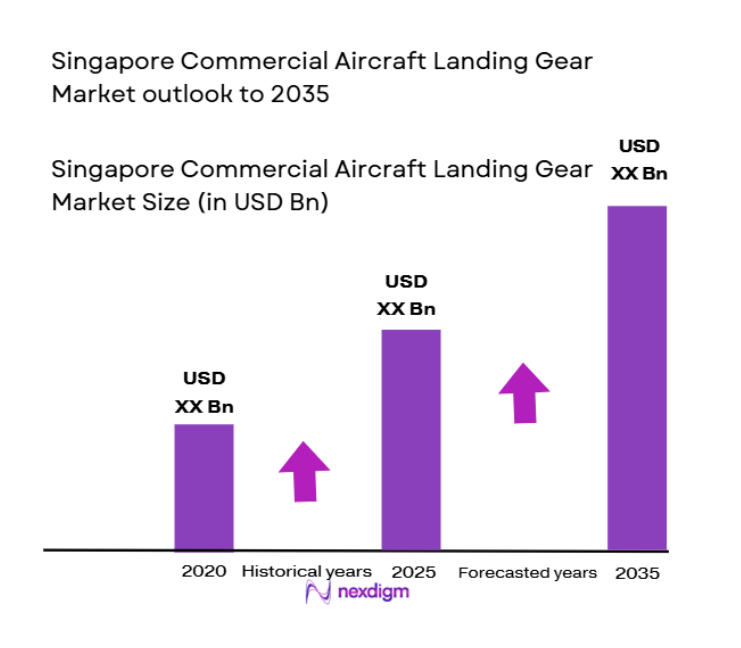
The commercial aircraft landing gear market has a market size of approximately USD ~ billion based on a recent historical assessment. The growth is primarily driven by the increasing demand for air travel, which necessitates the development of advanced and reliable landing gear systems to ensure aircraft safety and performance. Additionally, technological advancements, including the integration of lightweight materials and advanced manufacturing techniques, have led to significant improvements in landing gear systems, enhancing their efficiency and reducing overall costs.
The dominant regions in the commercial aircraft landing gear market are North America, Europe, and the Asia-Pacific. These regions have a high concentration of leading aircraft manufacturers, MRO service providers, and a robust aviation infrastructure. North America is particularly influential due to the presence of major OEMs such as Boeing and Lockheed Martin, while Asia-Pacific’s dominance is attributed to the rapid growth in air traffic and rising investment in aerospace manufacturing.
Market Segmentation
By Product Type
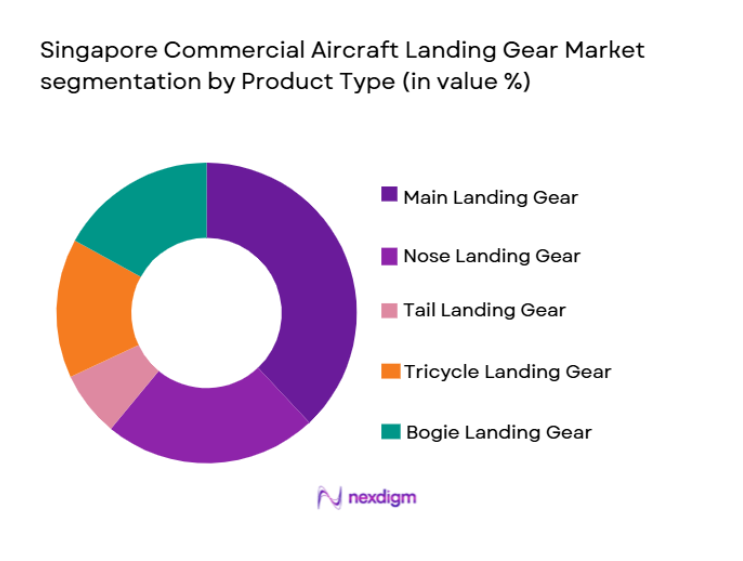
The commercial aircraft landing gear market is segmented by product type into main landing gear, nose landing gear, tail landing gear, tricycle landing gear, and bogie landing gear. Recently, the main landing gear has a dominant market share due to its essential role in supporting the aircraft’s weight and ensuring safe landings. The demand for main landing gear is driven by its application across various aircraft types, from small regional aircraft to large commercial jets, and is further bolstered by ongoing aircraft fleet modernization efforts. The product type’s technological advancements, such as the development of advanced materials like titanium and lightweight composites, have also contributed to its dominant market position.
By Platform Type
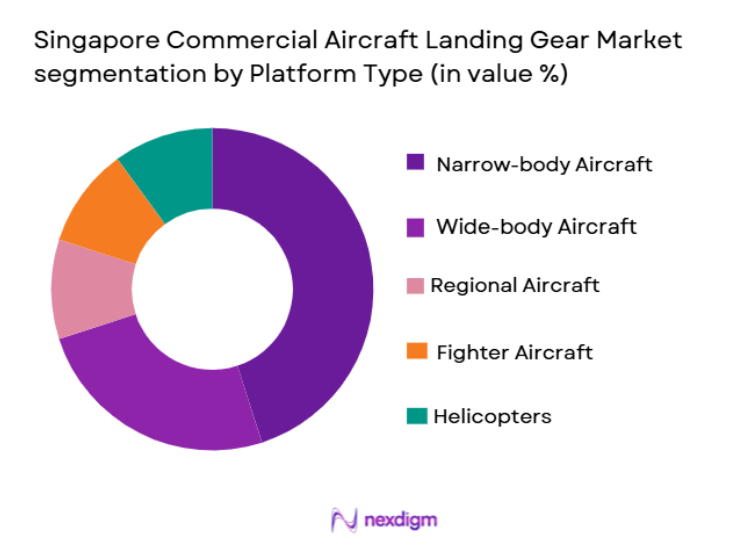
The commercial aircraft landing gear market is segmented by platform type into narrow-body aircraft, wide-body aircraft, regional aircraft, freighter aircraft, and helicopters. Narrow-body aircraft dominate the market share due to their widespread use in commercial airlines, which operate short to medium-haul routes. These aircraft types are in high demand, especially in rapidly expanding air travel markets. The increased focus on optimizing operational efficiency, fuel consumption, and cargo capacity, along with their cost-effective operational dynamics, ensures narrow-body aircraft remain the most significant platform in the global commercial aircraft landing gear market.
Competitive Landscape
The competitive landscape of the commercial aircraft landing gear market is marked by significant consolidation, with key players such as Safran Landing Systems, GE Aviation, and Collins Aerospace having a considerable influence over the market. These companies leverage their technological expertise, large-scale manufacturing capabilities, and strong customer relationships to maintain competitive advantages. Furthermore, the market sees constant innovations driven by the demand for fuel-efficient, lightweight, and reliable landing gear systems. Strategic mergers, acquisitions, and collaborations have also played a crucial role in the ongoing market consolidation.
| Company Name | Establishment Year | Headquarters | Technology Focus | Market Reach | Key Products | Revenue (USD billion) |
| Safran Landing Systems | 2005 | Paris, France | ~ | ~ | ~ | ~ |
| GE Aviation | 1917 | Cincinnati, USA | ~ | ~ | ~ | ~ |
| Collins Aerospace | 2018 | Charlotte, USA | ~ | ~ | ~ | ~ |
| Liebherr Aerospace | 1949 | Lindenberg, Germany | ~ | ~ | ~ | ~ |
| United Technologies | 1934 | Farmington, USA | ~ | ~ | ~ | ~ |
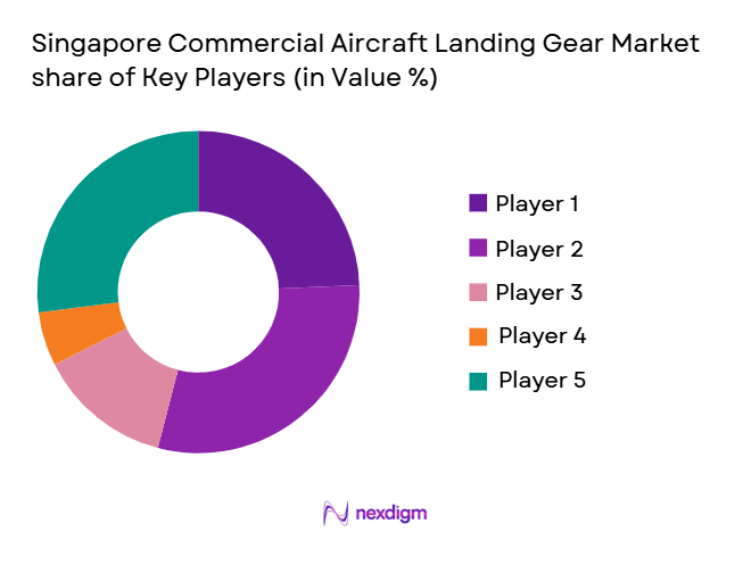
Singapore Commercial Aircraft Landing Gear Market Analysis
Growth Drivers
The increasing demand for air travel
The commercial aircraft landing gear market is significantly driven by the increasing demand for air travel across the globe. With the rise in air passengers and the rapid expansion of global tourism, airlines are experiencing an upsurge in demand for new aircraft. This, in turn, leads to an increased need for landing gear systems, which are essential for aircraft operations. Aircraft manufacturers are constantly working to meet the demand for more fuel-efficient and reliable systems that ensure smooth landings, further accelerating the market’s growth.
Technological advancements in landing gear systems
Technological advancements in landing gear systems have played a crucial role in propelling market growth. With the introduction of innovative materials, such as lightweight composites, and advancements in automation and smart systems, landing gear manufacturers have been able to reduce weight, improve durability, and enhance safety features. These innovations contribute to aircraft performance optimization, lower fuel consumption, and reduced maintenance costs, all of which add to the market’s attractiveness. Manufacturers are continuously working to integrate advanced technologies into their systems, enabling them to meet stringent safety and environmental regulations.
Market Challenges
High manufacturing and maintenance costs
One of the significant challenges in the commercial aircraft landing gear market is the high cost of manufacturing and maintaining landing gear systems. These systems are subject to stringent safety regulations, requiring advanced materials, precision engineering, and complex designs. The high cost of these components is a burden for airlines and operators, especially in an era of increasing competition and rising operational costs. Manufacturers must balance the demand for innovation and efficiency with the pressure to keep costs competitive.
Complexity in material and technology integration
Another challenge faced by landing gear manufacturers is the complexity involved in integrating advanced materials and technologies into their systems. Aircraft landing gear systems must meet high-performance standards, such as weight reduction, durability, and reliability, all while adhering to strict safety regulations. Integrating new materials, like composites, and advanced technologies, such as automated systems, requires significant research and development efforts, adding complexity to the design and manufacturing process. These challenges could slow down the adoption of new technologies and hinder market growth.
Opportunities
Development of eco-friendly aircraft landing gear
As the aviation industry faces increasing pressure to reduce its environmental footprint, there is an opportunity for growth in the development of eco-friendly aircraft landing gear systems. With the growing emphasis on sustainability and reducing carbon emissions, landing gear manufacturers are focusing on creating lightweight, durable, and energy-efficient systems. Innovations such as the use of composite materials, which are lighter and stronger than traditional metals, are helping reduce the overall weight of the aircraft, thereby improving fuel efficiency and lowering emissions. This shift toward sustainable practices presents an opportunity for manufacturers to gain a competitive edge by offering eco-friendly landing gear solutions.
Rising demand for next-generation landing gear systems
There is a significant opportunity for growth in the development of next-generation landing gear systems, particularly in response to the increasing demand for aircraft modernization and fleet renewal. Airlines are focusing on upgrading their fleets with more efficient, cost-effective, and technologically advanced aircraft, driving the need for state-of-the-art landing gear systems. These new systems feature enhanced automation, improved safety mechanisms, and reduced maintenance costs. The demand for advanced landing gear systems, which integrate cutting-edge technologies, is expected to increase, providing ample opportunities for manufacturers to innovate and capture market share.
Future Outlook
The future outlook of the commercial aircraft landing gear market is optimistic, with strong growth expected in the next five years. Technological innovations, such as the development of lightweight, eco-friendly materials and advanced automation, will drive the market’s evolution. Airlines’ increasing focus on fuel efficiency and reducing operational costs will further support the demand for advanced landing gear systems. Additionally, regulatory support for aviation safety standards and rising investments in infrastructure and aerospace manufacturing will contribute to the market’s growth.
Major Players
- Safran Landing Systems
- GE Aviation
- Collins Aerospace
- Liebherr Aerospace
- United Technologies
- Rockwell Collins
- Meggitt PLC
- Heroux-Devtek
- Stelia Aerospace
- Trelleborg AB
- Fokker Technologies
- Triumph Group
- Sikorsky Aircraft
- AAR Corporation
- Boeing
Key Target Audience
- Airlines and operators
- Aircraft manufacturers
- Maintenance, repair, and overhaul (MRO) service providers
- Aerospace component suppliers
- Regulatory bodies and government agencies
- Investment firms and venture capitalists
- Commercial aircraft leasing companies
- Military defense contractors
Research Methodology
Step 1: Identification of Key Variables
The first step involves identifying the key variables that influence the market, including factors such as demand drivers, regulatory requirements, and technological trends.
Step 2: Market Analysis and Construction
This step includes the thorough analysis of historical data, market trends, and competitor activities to construct a market model that accurately represents the commercial aircraft landing gear market.
Step 3: Hypothesis Validation and Expert Consultation
In this step, hypotheses about market trends, growth drivers, and challenges are validated through consultations with industry experts and stakeholders.
Step 4: Research Synthesis and Final Output
Finally, all research findings are synthesized to create a comprehensive market report that includes accurate forecasts and actionable insights for stakeholders.

- Executive Summary
- Research Methodology
(Definitions, Scope, Industry Assumptions, Market Sizing Approach, Primary & Secondary Research Framework, Data Collection & Verification Protocol, Analytic Models & Forecast Methodology, Limitations & Research Validity Checks)

- Market Definition and Scope
- Value Chain & Stakeholder Ecosystem
- Regulatory / Certification Landscape
- Sector Dynamics Affecting Demand
- Strategic Initiatives & Infrastructure Growth

- Growth Drivers
Increasing Air Travel Demand
Advancements in Landing Gear Technologies
Rising Focus on Aircraft Safety
Expansion of Aerospace Manufacturing
Government Support for Aerospace Industry - Market Challenges
High Manufacturing and Maintenance Costs
Complexity in Material and Technology Integration
Stringent Regulatory Requirements
Supply Chain Disruptions
Environmental Concerns in Aircraft Manufacturing - Market Opportunities
Emerging Markets for Aircraft Components
Development of Eco-friendly Aircraft Landing Gear
Strategic Collaborations and Partnerships - Trends
Growth of Electric Aircraft and Landing Gear
Development of Autonomous Aircraft Systems
Integration of AI in Maintenance Operations
Increase in Aircraft Fleet Modernization Programs
Shift Toward Lightweight and High-Strength Materials - Government Regulations & Defense Policy
Stricter Environmental Emission Standards
Regulations on Aircraft Safety and Maintenance
Export Control Regulations for Aerospace Technologies - SWOT Analysis
- Stakeholder and Ecosystem Analysis
- Porter’s Five Forces Analysis
- Competition Intensity and Ecosystem Mapping

- By Market Value, 2020-2025
- By Installed Units, 2020-2025
- By Average System Price, 2020-2025
- By System Complexity Tier, 2020-2025

- By System Type (In Value%)
Main Landing Gear
Nose Landing Gear
Tail Landing Gear
Tricycle Landing Gear
Bogie Landing Gear - By Platform Type (In Value%)
Narrow-body Aircraft
Wide-body Aircraft
Regional Aircraft
Freighter Aircraft
Helicopters - By Fitment Type (In Value%)
OEM Fitment
Aftermarket Fitment
Replacement Fitment
Upgraded Fitment
Modified Fitment - By EndUser Segment (In Value%)
Commercial Airlines
Cargo Airlines
Aircraft Manufacturers
MRO Service Providers
Military Operators - By Procurement Channel (In Value%)
Direct Procurement
Third-party Procurement
MRO Procurement
Online Bidding Platforms
OEM Procurement - By Material / Technology (in Value%)
Steel Landing Gear
Titanium Landing Gear
Aluminum Landing Gear
Composite Material Landing Gear
Hybrid Material Landing Gear

- Market structure and competitive positioning
- Market share snapshot of major players
- CrossComparison Parameters (System Type, Platform Type, Procurement Channel, EndUser Segment, Fitment Type, Material / Technology, Growth Drivers, Challenges, Opportunities, Trends)
- SWOT Analysis of Key Players
- Pricing & Procurement Analysis
- Key Players
Safran Landing Systems
GE Aviation
Honeywell Aerospace
Collins Aerospace
Liebherr Aerospace
United Technologies Corporation
Aerospace Industrial Development Corporation
Meggitt PLC
Rockwell Collins
Daimler AG
Fokker Technologies
Trelleborg AB
Heroux-Devtek
Stelia Aerospace
Kobe Steel Ltd

- Commercial Airlines’ Shift Toward Advanced Landing Gear Systems
- Aircraft Manufacturers Focusing on System Integration
- MRO Service Providers Adapting to Technological Advancements
- Military Operators’ Demand for Robust Aircraft Components

- Forecast Market Value, 2026-2035
- Forecast Installed Units, 2026-2035
- Price Forecast by System Tier, 2026-2035
- Future Demand by Platform, 2026-2035


 Request a Sample
 Ask for Customization
 Get a Quote
 Enquire Now