

 Download PDF
 Download PDF
Market Overview
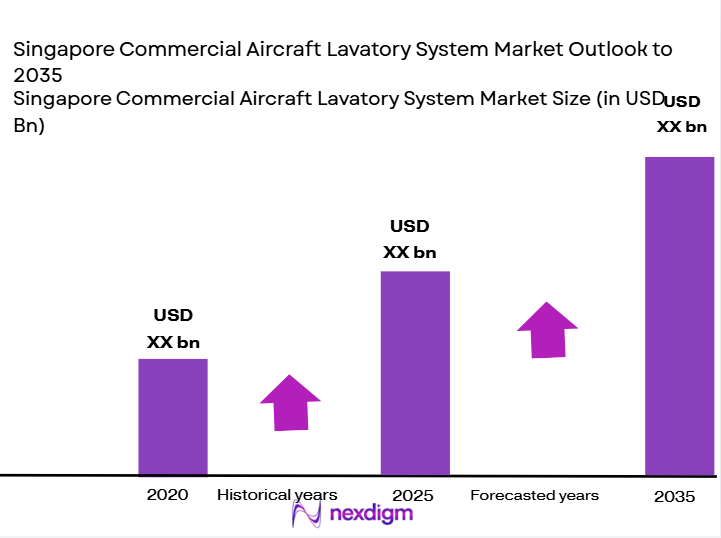
The Singapore commercial aircraft lavatory system market is valued at USD ~ billion, driven by the increasing demand for modernized aircraft and advancements in eco-friendly technologies. The market is primarily influenced by the rapid expansion of the aviation sector and the growing emphasis on passenger comfort, with an increasing focus on sustainability. The aviation industry’s robust growth in the Asia-Pacific region further propels the demand for new aircraft, thereby expanding the need for advanced lavatory systems that meet both regulatory standards and passenger expectations.
Singapore has emerged as a key hub for aviation due to its strategic location and modern infrastructure. The country’s significant investments in upgrading airports and expanding its fleet of aircraft have made it a central player in the aviation sector. With an emphasis on eco-friendly solutions and advanced technologies, Singapore stands at the forefront of the commercial aircraft lavatory system market, benefitting from both government support and high consumer demand.
Market Segmentation
By Product Type:
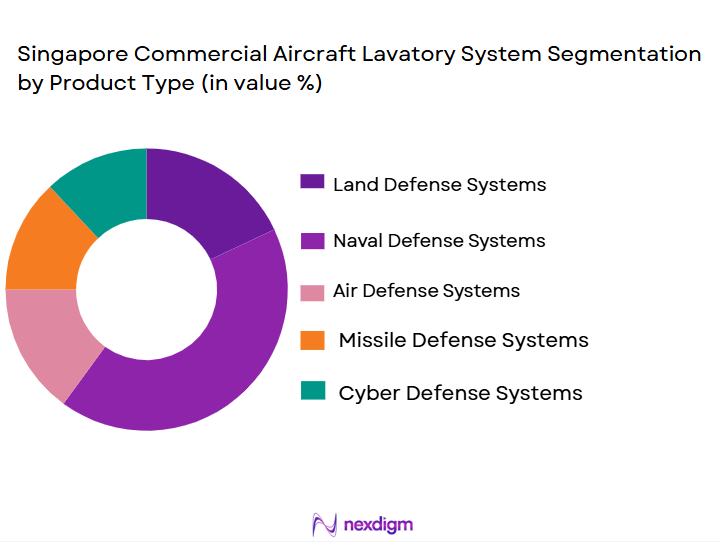
The Singapore commercial aircraft lavatory system market is segmented by product type into compact lavatories, standard lavatories, premium lavatories, modular lavatories, and eco-friendly lavatories. Recently, compact lavatories have a dominant market share due to factors such as demand patterns, brand presence, infrastructure availability, and consumer preference. Airlines are increasingly prioritizing compact solutions as they optimize space and improve efficiency, which is essential in response to rising fuel costs and aircraft weight considerations. These lavatories also meet regulatory space constraints, providing airlines with an ideal balance between function and passenger comfort.
By Platform Type:
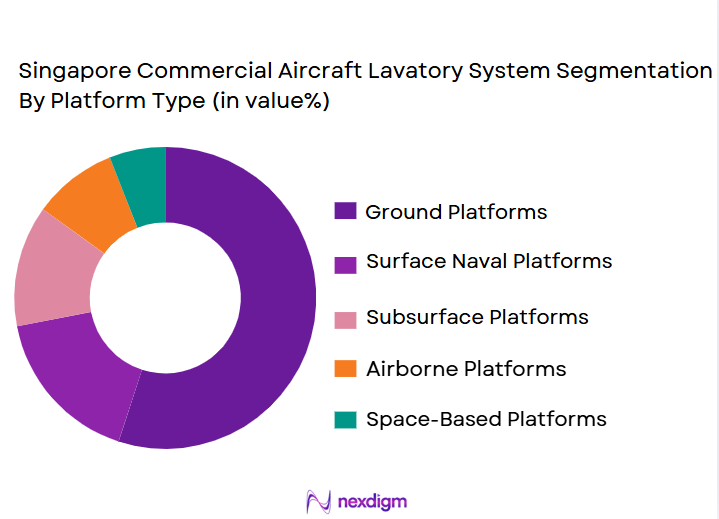
The market is also segmented by fitment type into OEM fitment, retrofit fitment, aftermarket fitment, refurbishment fitment, and hybrid fitment. Retrofit fitment has a dominant market share, driven by the growing trend of upgrading existing fleets rather than purchasing entirely new aircraft. Retrofit solutions offer significant cost savings and operational benefits for airlines, as they allow for improvements in passenger experience without the need for expensive new aircraft purchases. Airlines are increasingly looking to retrofit their existing aircraft with newer, more efficient lavatory systems to comply with updated environmental standards and enhance customer satisfaction.
Competitive Landscape
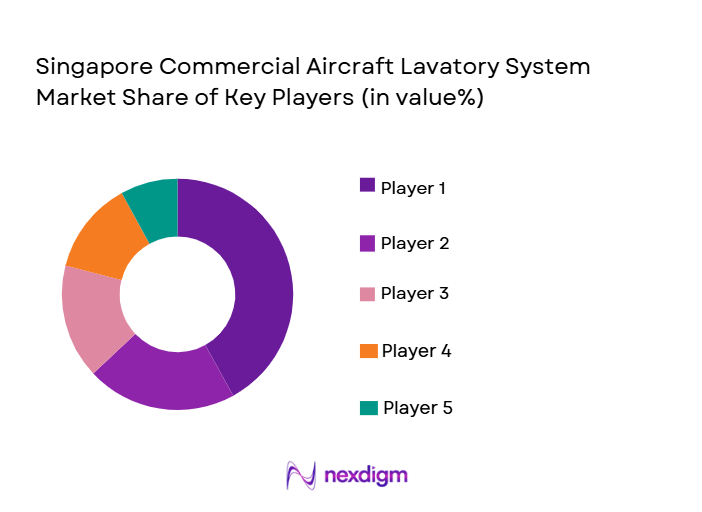
The competitive landscape of the Singapore commercial aircraft lavatory system market is characterized by consolidation, with major players leading the way in technological advancements and market share. Companies are focusing on enhancing their product offerings with eco-friendly materials and integrating advanced technologies such as touchless systems and odor control solutions. The influence of major players is evident through their collaborations with aircraft manufacturers and MRO service providers, driving the adoption of innovative lavatory solutions.
| Company Name | Establishment Year | Headquarters | Technology Focus | Market Reach | Key Products | Revenue (USD) |
| Zodiac Aerospace | 1896 | Plaisir, France | ~ | ~ | ~ | ~ |
| B/E Aerospace | 1987 | Winston-Salem, USA | ~ | ~ | ~ | ~ |
| Diehl Aerospace | 1989 | Überlingen, Germany | ~ | ~ | ~ | ~ |
| Aviointeriors | 1985 | Gallarate, Italy | ~ | ~ | ~ | ~ |
| Thales Group | 1893 | Paris, France | ~ | ~ | ~ | ~ |
Singapore Commercial Aircraft Lavatory System Market Analysis
Growth Drivers
Increasing Focus on Eco-friendly Solutions:
With environmental sustainability becoming a priority across various industries, the demand for eco-friendly lavatory systems in aircraft has surged. This growth driver is supported by regulations and consumer preference for reducing the environmental impact of air travel. Airlines are focusing on lowering their carbon footprint, and eco-friendly lavatory systems that utilize recyclable materials and water-saving technologies are in high demand. The aviation industry is moving towards more sustainable practices, and lavatory systems play a significant role in reducing waste and promoting cleaner air travel. Innovations in materials and energy-efficient designs contribute to this shift, encouraging airlines to invest in greener alternatives. As a result, eco-friendly lavatories are now a standard feature in newer aircraft, with airlines increasingly prioritizing sustainability in their procurement decisions.
Increasing Passenger Comfort Expectations:
The growing emphasis on passenger experience has been a major growth driver for the commercial aircraft lavatory system market. Passengers expect higher levels of comfort and hygiene during flights, especially on long-haul routes. Lavatories, as a critical component of in-flight amenities, must meet stringent cleanliness and operational standards. Airlines are continually upgrading their fleets to include modern lavatory systems that provide enhanced comfort, privacy, and advanced features such as touchless systems and better ventilation. With heightened competition in the airline industry, customer satisfaction is becoming a top priority, further boosting the demand for high-quality lavatories. Airlines are investing in both the aesthetics and functionality of lavatories to ensure they meet passenger expectations and regulatory requirements. As a result, lavatory systems are increasingly seen as an essential part of the overall flight experience.
Market Challenges
High Costs of Innovation and Upgrades:
The high cost associated with upgrading existing aircraft to incorporate advanced lavatory systems presents a significant challenge to the market. Airlines, particularly budget carriers, face budget constraints that prevent them from investing in new technologies. While these upgrades offer long-term savings and improvements in passenger experience, the upfront costs for installation of advanced lavatories, such as eco-friendly and premium models, are substantial. Additionally, the cost of integrating these systems into the aircraft design and ensuring compliance with international safety and environmental standards can deter airlines from upgrading their fleets. This challenge is particularly pertinent for smaller airlines and operators with limited capital, which may delay or opt out of lavatory system improvements. These financial barriers continue to be a roadblock for wider adoption of advanced lavatory systems.
Regulatory Compliance and Standardization Issues:
The aviation industry is heavily regulated, and commercial aircraft lavatory systems must adhere to stringent regulations set by aviation authorities such as the FAA and EASA. Meeting these requirements can be a challenge for manufacturers and airlines, especially when dealing with the complex nature of lavatory systems that need to meet safety, environmental, and operational standards. Constantly evolving regulations related to waste disposal, water usage, and air quality mean that manufacturers must stay up-to-date with the latest compliance requirements. Additionally, different countries and regions may have slightly varying regulations, leading to challenges in standardizing lavatory systems across international fleets. The complexity of adhering to multiple regulatory frameworks makes the design and deployment of lavatory systems more costly and time-consuming for manufacturers and airlines.
Opportunities
Technological Advancements in Lavatory Systems:
One of the most promising opportunities in the Singapore commercial aircraft lavatory system market is the rapid pace of technological advancements. Innovations such as self-cleaning systems, water-saving technologies, and touchless interfaces are revolutionizing the industry. These technologies not only enhance the passenger experience but also help airlines meet their sustainability targets. The integration of AI and IoT (Internet of Things) in lavatories allows for better monitoring of system performance and maintenance needs. Airlines are increasingly focusing on reducing operational costs, and smart lavatory systems provide the opportunity to automate routine tasks such as cleaning and waste management. The adoption of new technologies, combined with regulatory pressures to minimize environmental impact, is expected to drive the growth of the lavatory systems market, especially as airlines continue to upgrade their fleets to meet both consumer demand and sustainability goals.
Emerging Markets and Fleet Expansion:
Another significant opportunity for the Singapore commercial aircraft lavatory system market is the expansion of fleets in emerging markets. Countries in the Asia-Pacific region, including China and India, are witnessing rapid growth in air travel, and the demand for new aircraft is increasing accordingly. This growth is driving the need for advanced lavatory systems in newly manufactured aircraft, creating a significant opportunity for manufacturers. Additionally, the modernization of fleets in established markets, such as North America and Europe, is another opportunity, as airlines seek to replace older aircraft with more efficient, passenger-friendly models. The continuous expansion of the global aviation industry, combined with rising middle-class incomes in emerging markets, ensures that demand for commercial aircraft lavatory systems will remain strong, presenting an excellent growth opportunity for companies in the market.
Future Outlook
The future of the Singapore commercial aircraft lavatory system market looks promising, with steady growth driven by advancements in technology and increased demand for sustainable, passenger-friendly solutions. As airlines continue to modernize their fleets and expand into emerging markets, the need for efficient, eco-friendly lavatory systems will grow. Technological innovations such as automated cleaning systems and water-saving technologies will likely shape the future of the market. Regulatory support for sustainability in aviation will further encourage the adoption of advanced lavatory systems, ensuring a positive growth trajectory over the next five years.
Major Players
- Zodiac Aerospace
- B/E Aerospace
- Diehl Aerospace
- Aviointeriors
- Thales Group
- Safran
- Recaro Aircraft Seating
- Panasonic Avionics
- Collins Aerospace
- Lufthansa Technik
- Geven
- Rockwell Collins
- SITA
- Honeywell International
- FACC AG
Key Target Audience
- Airlines
- Aircraft Manufacturers
- Government and Regulatory Bodies
- Aviation MRO Providers
- Aircraft Part Suppliers
- Private Aircraft Operators
- Fleet Operators
- Aircraft Cabin Technology Firms
Research Methodology
Step 1: Identification of Key Variables
The first step involves defining the key variables affecting the market, including technology adoption, customer preferences, and regulatory factors.
Step 2: Market Analysis and Construction
A comprehensive analysis is conducted to understand the market’s structure, segmentation, and competitive dynamics.
Step 3: Hypothesis Validation and Expert Consultation
Insights are gathered from industry experts to validate assumptions and refine the market model.
Step 4: Research Synthesis and Final Output
The data is synthesized to provide actionable insights and a detailed market report.

- Executive Summary
- Research Methodology
(Definitions, Scope, Industry Assumptions, Market Sizing Approach, Primary & Secondary Research Framework, Data Collection & Verification Protocol, Analytic Models & Forecast Methodology, Limitations & Research Validity Checks)

- Market Definition and Scope
- Value Chain & Stakeholder Ecosystem
- Regulatory / Certification Landscape
- Sector Dynamics Affecting Demand
- Strategic Initiatives & Infrastructure Growth

- Growth Drivers
Increased Air Passenger Traffic
Demand for Sustainable Aircraft Solutions
Technological Advancements in Lavatory Systems
Rising Aircraft Fleet Size
Government Regulations Promoting Hygiene and Safety - Market Challenges
High Initial Cost of Lavatory Systems
Integration Issues with Aircraft Systems
Maintenance and Service Challenges
Compliance with Evolving Regulatory Standards
Technological Obsolescence - Market Opportunities
Emerging Demand for Eco-friendly Lavatory Solutions
Technological Innovations in Lavatory Design
Growth in Low-cost Carrier Fleet Expansion - Trends
Development of Lightweight Lavatory Systems
Integration of Smart Technologies in Lavatories
Rise of Modular Lavatory Installations
Focus on Hygiene and Health during Flights
Increased Adoption of Eco-friendly Materials - Government Regulations & Defense Policy
Environmental Standards for Aircraft
Regulations on Passenger Comfort and Safety
Certification for Hygiene in Aircraft - SWOT Analysis
Stakeholder and Ecosystem Analysis
Porter’s Five Forces Analysis
Competition Intensity and Ecosystem Mapping

- By Market Value, 2020-2025
- By Installed Units, 2020-2025
- By Average System Price, 2020-2025
- By System Complexity Tier, 2020-2025

- By System Type (In Value%)
Compact Lavatory Systems
Standard Lavatory Systems
Premium Lavatory Systems
Modular Lavatory Systems
Eco-friendly Lavatory Systems - By Platform Type (In Value%)
Narrow-body Aircraft
Wide-body Aircraft
Regional Aircraft
Freighter Aircraft
VIP Aircraft - By Fitment Type (In Value%)
OEM Fitment
Retrofit Fitment
Aftermarket Fitment
Refurbishment Fitment
Hybrid Fitment - By EndUser Segment (In Value%)
Commercial Airlines
Aircraft Manufacturers
MRO Providers
Government and Defense
Private Operators - By Procurement Channel (In Value%)
Direct Procurement
Through Aircraft OEMs
Government Tenders
Private Sector Procurement
Third-party Distributors - By Material / Technology (in Value%)
Composite Materials
Stainless Steel
Titanium
Recycled Materials
Advanced Coatings

- Market structure and competitive positioning
- Market share snapshot of major players
CrossComparison Parameters (System Type, Platform Type, Procurement Channel, EndUser Segment, Fitment Type, Material, Technology, OEM Supplier, Retrofit Provider, Aftermarket Supplier) - SWOT Analysis of Key Players
- Pricing & Procurement Analysis
- Key Players
B/E Aerospace
Zodiac Aerospace
Diehl Aerospace
Satair
Aviointeriors
Thales Group
Collins Aerospace
GKN Aerospace
Aerospace Propulsion Technologies
Aerotech Industries
ACM Aerospace
Hewlett-Packard
FACC AG
Liebherr Aerospace
Aero Interiors

- Demand from Leading Airline Operators
- Influence of Aircraft Manufacturers on Lavatory Design
- The Role of MRO Providers in Lavatory System Development
- Private Aircraft Operators’ Need for Custom Lavatories

- Forecast Market Value, 2026-2035
- Forecast Installed Units, 2026-2035
- Price Forecast by System Tier, 2026-2035
- Future Demand by Platform, 2026-2035


 Request a Sample
 Ask for Customization
 Get a Quote
 Enquire Now