
 Download PDF
 Download PDF
Market Overview
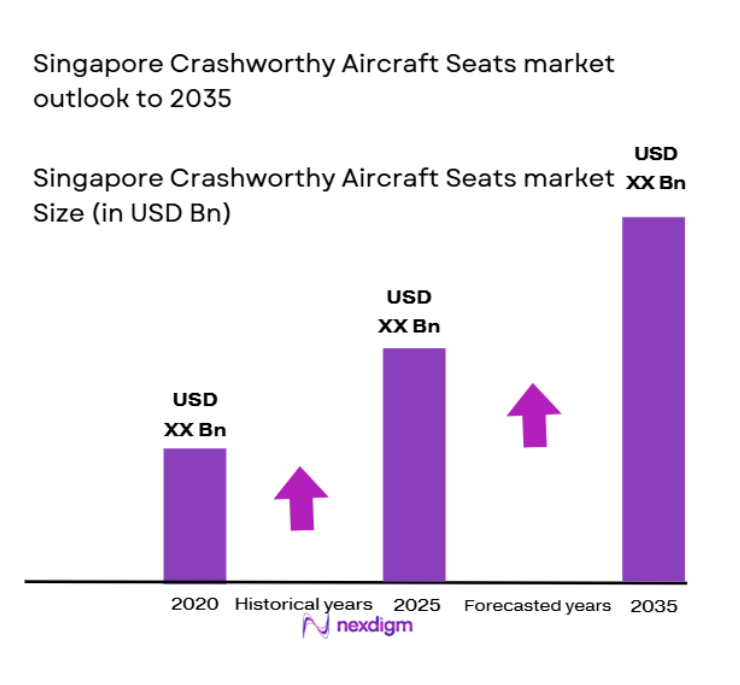
The market for crashworthy aircraft seats is projected to experience significant growth, driven by increasing air travel demand and stricter safety regulations. Based on recent historical assessments, the market size for crashworthy aircraft seats is valued at approximately USD ~ billion. This growth is influenced by rising safety awareness, the need for improved crashworthiness standards, and technological advancements in seat materials. The growing adoption of lightweight and energy-efficient aircraft further fuels market expansion.
The market is predominantly led by regions with a strong aerospace industry, such as North America and Europe. These regions benefit from established manufacturing infrastructure, technological advancements, and strict regulatory frameworks. Key countries like the United States and Germany maintain dominance due to their significant aerospace production, government defense contracts, and demand for both commercial and military aviation. This dominance is also driven by continuous investments in R&D and innovations in seat technologies.
Market Segmentation
By System Type
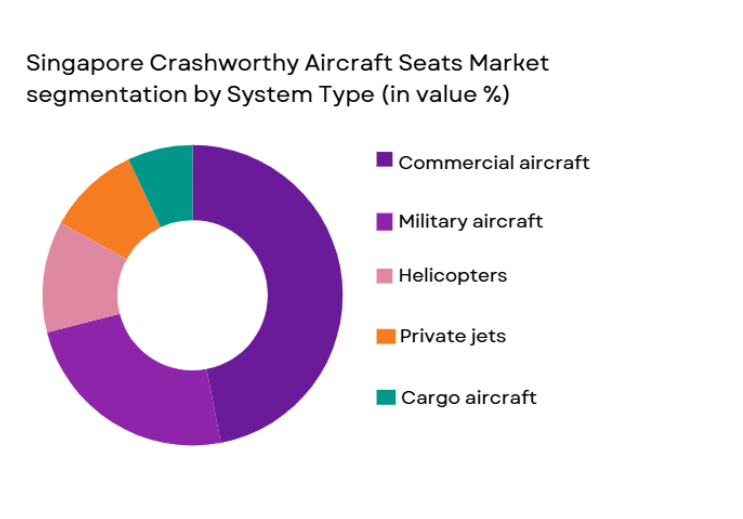
The crashworthy aircraft seats market is segmented by system type into various sub-segments. Recently, the segment for commercial aircraft seats has gained the most market share due to the continuous increase in global air travel and stringent safety requirements imposed by aviation authorities. Airlines are focusing on providing safer seating arrangements to passengers, enhancing their market position with more comfortable and secure products. Increased passenger traffic in Asia-Pacific and North America has further bolstered the demand for commercial aircraft seats, particularly those that comply with safety regulations. As a result, the commercial aircraft seats sub-segment is expected to remain dominant in the market for the foreseeable future.
By Platform Type
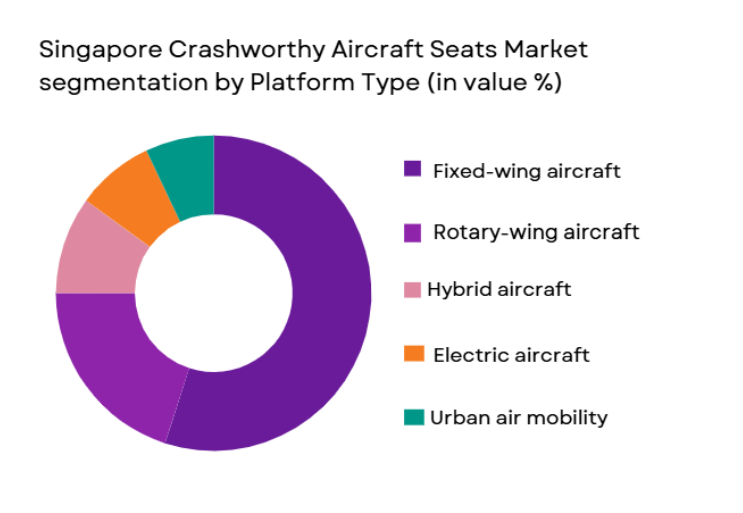
The crashworthy aircraft seats market is segmented by platform type into various sub-segments. The fixed-wing aircraft sub-segment currently holds the largest market share due to its dominant role in both commercial and military aviation. Fixed-wing aircraft are primarily used for long-haul flights and cargo services, driving the demand for crashworthy seats. The increasing need for fuel-efficient and lightweight seating solutions further supports growth within this sub-segment. The rise of electric aircraft and urban mobility platforms may influence market dynamics, but fixed-wing aircraft will continue to hold the largest share due to its established infrastructure and widespread adoption.
Competitive Landscape
The crashworthy aircraft seats market is highly competitive, with major players focusing on technological advancements, consolidation, and strategic partnerships. Companies are increasingly investing in R&D to develop advanced materials and innovative seating systems. The consolidation trend is also evident, as larger players seek to expand their portfolio through acquisitions. These market dynamics are influenced by the need to meet stringent safety regulations and consumer demand for more comfortable and durable seating solutions.
| Company Name | Establishment Year | Headquarters | Technology Focus | Market Reach | Key Products | Revenue (USD) | Additional Parameter |
| Collins Aerospace | 1931 | United States | ~ | ~ | ~ | ~ | ~ |
| Safran | 2005 | France | ~ | ~ | ~ | ~ | ~ |
| Zodiac Aerospace | 1896 | France | ~ | ~ | ~ | ~ | ~ |
| B/E Aerospace | 1987 | United States | ~ | ~ | ~ | ~ | ~ |
| Recaro Aircraft Seating | 1906 | Germany | ~ | ~ | ~ | ~ | ~ |
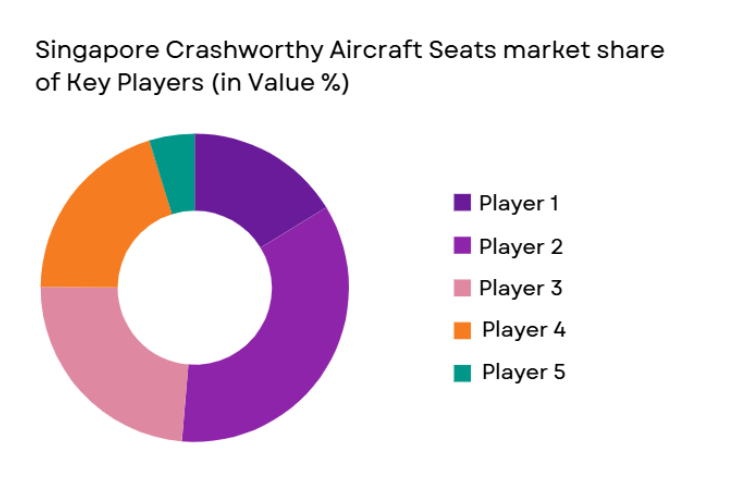
Singapore Crashworthy Aircraft Seats Market Analysis
Growth Drivers
Technological Advancements in Materials
The growth of the crashworthy aircraft seats market is driven by technological advancements in materials used for seat construction. Innovations in lightweight composites and high-strength alloys have led to the development of seats that offer enhanced crash protection without compromising on weight. These materials not only improve safety but also contribute to fuel efficiency in aircraft, aligning with the aerospace industry’s emphasis on sustainability. The demand for more comfortable and ergonomic seating solutions has further spurred the need for advanced materials, making this a significant growth driver. Furthermore, these innovations enable manufacturers to meet increasingly stringent crash safety regulations, which is a key factor influencing their adoption. The aerospace industry’s continued push towards lightweight and energy-efficient aircraft only reinforces the demand for advanced materials in seating design, positioning this growth driver as a long-term trend in the market.
Rising Air Travel Demand
The increasing demand for air travel is another key growth driver in the crashworthy aircraft seats market. With the resurgence of global air traffic following the pandemic, airlines are focusing on upgrading their fleets to accommodate higher passenger numbers and adhere to updated safety regulations. The growing number of passengers, particularly in emerging markets such as Asia-Pacific, has created a significant need for improved seating solutions that comply with higher safety standards. Airlines are also investing in modernizing their interiors, including installing crashworthy seats that offer superior protection in the event of an emergency. This heightened demand for air travel, coupled with the increasing importance of passenger safety, is a strong driver for the growth of the crashworthy aircraft seats market. Airlines are prioritizing passenger safety in their competitive strategies, ensuring that crashworthy seats will continue to be in demand.
Market Challenges
High Cost of Development and Certification
One of the major challenges facing the crashworthy aircraft seats market is the high cost of development and certification. Manufacturers must meet rigorous safety standards, which require significant investment in research and testing. The process of developing new seating technologies, such as those utilizing lightweight materials or advanced energy-absorbing features, can be both time-consuming and costly. Additionally, achieving the necessary certifications from aviation regulatory bodies such as the FAA or EASA requires extensive documentation and validation, which further adds to the cost. These high development and certification costs can be a barrier for smaller manufacturers, limiting market competition and potentially slowing the pace of innovation. As a result, only large, well-established players with the resources to invest in these processes dominate the market, making it a challenge for new entrants to gain a foothold.
Supply Chain Constraints
The crashworthy aircraft seats market also faces significant supply chain constraints, particularly with regard to the procurement of specialized materials. The aerospace industry depends on high-performance materials such as carbon fiber and advanced composites, which are not only expensive but also subject to limited availability due to the small number of suppliers in the global market. These supply chain limitations can lead to delays in the production of aircraft seats, thereby affecting overall market growth. In addition, geopolitical factors, such as trade tensions and global supply chain disruptions, can exacerbate these challenges, further increasing costs and causing delays in manufacturing. As a result, manufacturers must navigate a complex and often unpredictable supply chain environment to meet market demand, which poses a considerable challenge for companies operating in this space.
Opportunities
Sustainability and Eco-friendly Materials
The growing emphasis on sustainability within the aerospace industry presents a significant opportunity for the crashworthy aircraft seats market. Manufacturers are increasingly focused on using eco-friendly materials that reduce environmental impact while maintaining safety standards. For instance, the use of recycled materials and biodegradable components in seat construction can help reduce the carbon footprint of aircraft. Airlines are also under pressure to comply with environmental regulations and public demand for greener travel options, which creates an opportunity for crashworthy seat manufacturers to innovate in this space. As the industry moves towards greater sustainability, companies that invest in developing and incorporating eco-friendly materials into their product offerings will have a competitive advantage. This trend aligns with the broader shift towards sustainable aviation practices and presents an exciting opportunity for market players.
Advancements in Autonomous Aircraft
The rise of autonomous aircraft represents another key opportunity for the crashworthy aircraft seats market. As self-piloting planes become more feasible, the design and functionality of aircraft seats will need to evolve. This includes the development of crashworthy seats that can accommodate new seating arrangements and configurations in autonomous aircraft, which may feature more flexible cabin designs or non-traditional seating layouts. The demand for seats that offer maximum protection in the event of a crash will remain critical, even as the nature of air travel evolves. Autonomous aircraft are expected to play a major role in the future of aviation, and manufacturers that position themselves to develop crashworthy seats specifically designed for these new platforms will benefit from significant growth opportunities.
Future Outlook
The crashworthy aircraft seats market is expected to witness continued growth over the next five years, fueled by advancements in technology, safety regulations, and rising air travel demand. Key trends such as the development of lightweight materials, sustainable seating options, and the integration of advanced safety features will dominate the market. Additionally, the increasing adoption of electric and autonomous aircraft will create new opportunities for crashworthy seat manufacturers to innovate. As the market matures, regulatory support and consumer safety expectations will further drive the demand for advanced seating solutions.
Major Players
- Collins Aerospace
- Safran
- Zodiac Aerospace
- B/E Aerospace
- Recaro Aircraft Seating
- Sogerma
- Geven
- Aviointeriors
- Aciturri Aerospace
- Heraeus
- EnCore Interiors
- Avia Seating
- Mirus Aircraft Seating
- Simmons Aerospace
- Airbus Interiors
Key Target Audience
- Airlines
- Military aviation contractors
- Aircraft manufacturers
- Regulatory bodies
- Aerospace component suppliers
- Investors and venture capitalists
- Aircraft seat distributors
- Aviation safety and standards organizations
Research Methodology
Step 1: Identification of Key Variables
The first step involves identifying the key variables that influence the crashworthy aircraft seats market, such as material innovations, market demand, and regulatory policies.
Step 2: Market Analysis and Construction
This step focuses on analyzing market trends, customer needs, and regional demands to construct a comprehensive market framework.
Step 3: Hypothesis Validation and Expert Consultation
In this step, we validate hypotheses through consultations with industry experts and stakeholders, ensuring that our findings are aligned with current market realities.
Step 4: Research Synthesis and Final Output
The final step synthesizes all collected data and insights to create a detailed and accurate report, ready for distribution.

- Executive Summary
- Research Methodology (Definitions, Scope, Industry Assumptions, Market Sizing Approach, Primary & Secondary Research Framework, Data Collection & Verification Protocol, Analytic Models & Forecast Methodology, Limitations & Research Validity Checks)

- Market Definition and Scope
- Value Chain & Stakeholder Ecosystem
- Regulatory / Certification Landscape
- Sector Dynamics Affecting Demand
- Strategic Initiatives & Infrastructure Growth

- Growth Drivers
Increasing demand for passenger safety and comfort
Rising air traffic and the need for safer aircraft seating
Technological advancements in crashworthiness materials
Government regulations mandating improved safety standards
Expanding military aircraft programs - Market Challenges
High costs associated with crashworthy seat development
Challenges in certifying crashworthy systems
Complexity of integrating new technology in existing platforms
Supply chain constraints for high-quality materials
Environmental impact considerations - Market Opportunities
Emerging demand for urban air mobility platforms
Growing interest in lightweight, fuel-efficient aircraft seating solutions
Collaborations between aircraft manufacturers and seat suppliers - Trends
Integration of artificial intelligence in crashworthiness testing
Advancements in crash energy absorption technologies
Shift towards lightweight, sustainable materials
Increased focus on reducing carbon footprints in aviation
Development of crashworthy seats for new aircraft platforms - Government Regulations & Defense Policy
Aerospace safety regulations enforced by international bodies
Defense procurement policies for military aircraft seating
Government initiatives to support aerospace innovations - SWOT Analysis
- Stakeholder and Ecosystem Analysis
- Porter’s Five Forces Analysis
- Competition Intensity and Ecosystem Mapping

- By Market Value, 2020-2025
- By Installed Units, 2020-2025
- By Average System Price, 2020-2025
- By System Complexity Tier, 2020-2025

- By System Type (In Value%)
Crashworthy seats for commercial aircraft
Crashworthy seats for military aircraft
Crashworthy seats for helicopters
Crashworthy seats for private jets
Crashworthy seats for cargo aircraft - By Platform Type (In Value%)
Fixed-wing aircraft
Rotary-wing aircraft
Hybrid aircraft
Electric aircraft
Urban air mobility platforms - By Fitment Type (In Value%)
Forward-facing seats
Rear-facing seats
Side-facing seats
Modular seating
Swivel seating - By EndUser Segment (In Value%)
Commercial aviation
Military aviation
Private aviation
Helicopter operators
Cargo and freight services - By Procurement Channel (In Value%)
Direct sales from manufacturers
Sales through aerospace distributors
Sales through military contracts
OEM contracts
Aftermarket services - By Material / Technology (in Value%)
Aluminum alloys
Titanium alloys
Composite materials
Carbon fiber-reinforced plastics
Polymer-based materials

- Market structure and competitive positioning
- Market share snapshot of major players
- CrossComparison Parameters (Material Strength, Crashworthiness Rating, Durability, Weight, Comfort, Cost, Certification Compliance, Customer Support, Technological Innovation, Customization Options)
- SWOT Analysis of Key Players
- Pricing & Procurement Analysis
- Key Players
Collins Aerospace
Safran
Zodiac Aerospace
B/E Aerospace
Recaro Aircraft Seating
Sogerma
Geven
Aviointeriors
Aciturri Aerospace
Heraeus
EnCore Interiors
Avia Seating
Mirus Aircraft Seating
Simmons Aerospace
Airbus Interiors

- Demand from commercial airlines for enhanced safety
- Military demand for high-durability crashworthy seats
- Private aviation interest in luxury safety solutions
- Growing helicopter market for specialized seating

- Forecast Market Value, 2026-2035
- Forecast Installed Units, 2026-2035
- Price Forecast by System Tier, 2026-2035
- Future Demand by Platform, 2026-2035


 Request a Sample
 Ask for Customization
 Get a Quote
 Enquire Now