
 Download PDF
 Download PDF
Market Overview
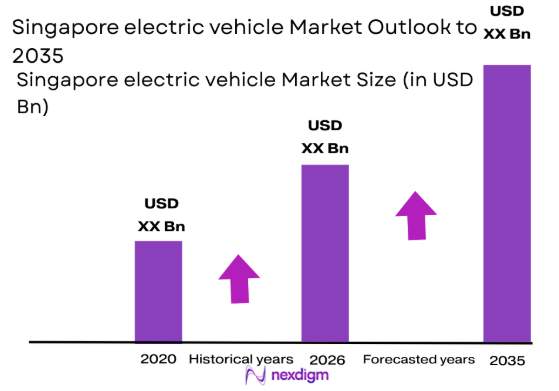
The Singapore electric vehicle (EV) market has been experiencing significant growth, with an estimated market size of approximately USD ~ billion in recent assessments. This growth is primarily driven by government policies supporting the transition to cleaner vehicles, technological advancements in battery life and charging infrastructure, and a growing shift in consumer preferences toward eco-friendly solutions. The market is further driven by increasing investment in sustainable energy sources and the reduction of carbon emissions. Additionally, as oil prices remain volatile, the demand for alternative fuel vehicles continues to rise.
Urban areas, particularly those in developed countries, lead the adoption of electric vehicles, driven by government incentives and a strong environmental policy focus. The demand for EVs is most pronounced in metropolitan cities with robust public transportation infrastructure, such as Singapore, which is focusing on electric mobility as a solution for urban congestion and pollution. These regions are taking the lead due to their advanced charging infrastructure, government-backed subsidies, and supportive regulatory frameworks that promote the widespread adoption of electric vehicles.
Market Segmentation
By System Type
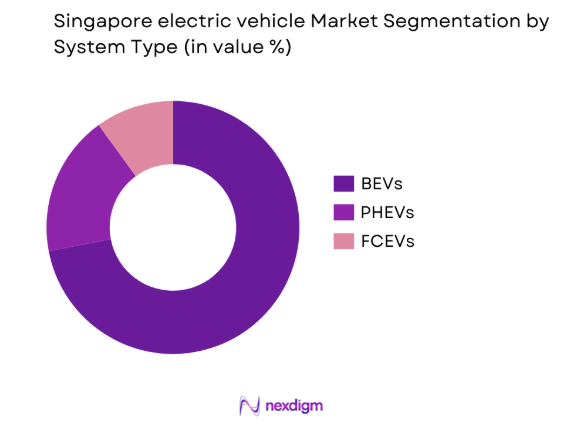
The Singapore market is segmented by system type into battery electric vehicles (BEVs), plug-in hybrid electric vehicles (PHEVs), and fuel cell electric vehicles (FCEVs). Battery electric vehicles (BEVs) have taken a dominant market share in recent assessments, driven by advancements in battery technologies that allow for longer range and shorter charging times. The shift toward zero-emission vehicles, coupled with the growing availability of charging stations, has further accelerated the preference for BEVs over other system types, cementing their position as the market leader.
By Platform Type
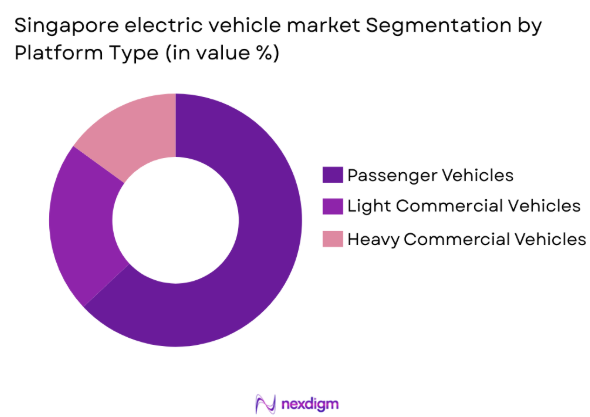
The Singapore EV market is segmented by platform type into passenger vehicles, light commercial vehicles, and heavy commercial vehicles. Passenger vehicles are currently leading the market in terms of adoption, driven by the high demand for personal transportation and the increasing affordability of electric options. These vehicles benefit from a combination of lower operating costs and government incentives, making them more attractive to consumers. The growth in shared mobility services, including ride-sharing and car-sharing, further boosts the demand for electric passenger vehicles.
Competitive Landscape
The competitive landscape of the electric vehicle market is diverse, with several global automotive manufacturers competing to capture the growing demand for electric mobility solutions. Companies such as Tesla, Nissan, and BMW have made significant investments in electric vehicle technology, while traditional automotive companies like Toyota and Volkswagen have ramped up their electric vehicle offerings. The market is highly competitive with companies focusing on technological advancements, brand differentiation, and partnerships with charging infrastructure providers. Consolidation is likely as major players continue to seek economies of scale and technological synergies.
| Company Name | Establishment Year | Headquarters | Technology Focus | Market Reach | Key Products | Revenue (USD) | Additional Parameter |
| Tesla | 2003 | USA | ~ | ~ | ~ | ~ | ~ |
| Nissan | 1933 | Japan | ~ | ~ | ~ | ~ | ~ |
| BMW | 1916 | Germany | ~ | ~ | ~ | ~ | ~ |
| Volkswagen | 1937 | Germany | ~ | ~ | ~ | ~ | ~ |
| Hyundai | 1967 | South Korea | ~ | ~ | ~ | ~ | ~ |
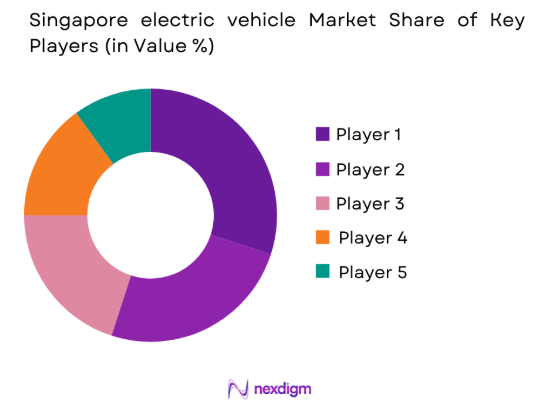
Singapore electric vehicle Market Analysis
Growth Drivers
Government Support for Electric Vehicles
Government policies, including subsidies, tax credits, and incentives for both consumers and manufacturers, have been pivotal in driving the adoption of electric vehicles. These measures, aimed at reducing emissions and promoting sustainable transportation, have helped mitigate the high initial cost of EVs, making them more accessible to a wider audience. In addition, stricter emission regulations have pressured automakers to produce more eco-friendly vehicles, further boosting market growth. As a result, the electric vehicle market has gained significant momentum, particularly in urban areas where government-backed incentives and environmental awareness are strong. These supportive policies are crucial in accelerating the transition to electric mobility, ensuring a more sustainable future.
Technological Advancements in Battery Technology
Advancements in battery technology, particularly with lithium-ion and solid-state batteries, have been essential in driving the growth of the electric vehicle market. These innovations have led to significant improvements in vehicle range, faster charging times, and reduced production costs, making electric vehicles more practical for consumers. The ongoing development of energy-dense, lightweight batteries has further enhanced EV performance, making them a more viable alternative to traditional combustion-engine vehicles. As battery technology continues to evolve and prices decrease, the overall cost of electric vehicles will also drop, encouraging greater adoption. These technological advancements are crucial for making electric vehicles more accessible, affordable, and attractive to a broader range of consumers, ultimately accelerating their adoption in the global market.
Market Challenges
High Initial Costs of Electric Vehicles
Despite government incentives, the high initial cost of electric vehicles remains a significant barrier for many consumers. Although battery prices are expected to decrease, the upfront cost of EVs is still much higher compared to traditional vehicles, deterring potential buyers. This issue is especially prominent in emerging markets, where lower purchasing power limits electric vehicle adoption to more affluent segments. As a result, overcoming the price barrier is crucial to achieving widespread adoption. To make EVs more accessible, continued price reductions, additional incentives, and innovations in affordable EV models will be necessary to ensure their reach across diverse consumer groups.
Limited Charging Infrastructure
A major challenge for the electric vehicle market is the inadequate availability of public charging stations, especially in rural or less-developed regions. The absence of a comprehensive and reliable charging infrastructure diminishes consumer confidence, as range anxiety remains a significant concern. In areas with growing charging infrastructure, issues like long wait times and incompatible charging ports continue to hinder adoption. Expanding the network of charging stations and ensuring they are accessible in both urban and rural areas is crucial to address these concerns. Ensuring a seamless and convenient charging experience will play a vital role in overcoming this challenge and driving further adoption of electric vehicles.
Opportunities
Growth in Electric Commercial Fleets
The rising demand for electric commercial vehicles is a significant growth opportunity in the EV market. Fleet operators are adopting electric vehicles to reduce operating costs, improve fuel efficiency, and meet sustainability goals. Advancements in battery technology have made electric commercial vehicles increasingly viable for delivery fleets, municipal transport, and logistics operations. Governments are also offering incentives to encourage fleet operators to electrify their vehicles, further boosting adoption. This combination of technological improvements and supportive policies creates an ideal environment for the electric commercial vehicle segment to grow, playing a crucial role in the broader expansion of the EV market.
Integration of Renewable Energy with EV Charging
The integration of renewable energy sources, such as solar and wind, with electric vehicle charging stations presents a significant opportunity for the market. This approach helps reduce the carbon footprint associated with EV use, while offering consumers the option to power their vehicles using clean energy. Solar-powered charging stations, in particular, have gained popularity due to their sustainability and cost-effectiveness. As the push for green technologies and energy independence grows, both governments and private companies are increasingly investing in renewable-powered charging infrastructure. This trend is expected to accelerate, creating a more sustainable and efficient charging network that supports the widespread adoption of electric vehicles
Future Outlook
The electric vehicle market is poised for continued growth over the next five years, driven by advancements in technology, supportive government policies, and a growing emphasis on sustainability. The increasing availability of electric vehicles at competitive prices, along with the expansion of charging infrastructure, will further support adoption. As cities and countries set more aggressive carbon reduction targets, electric vehicles will play an integral role in achieving these goals. Additionally, the integration of renewable energy sources with EV infrastructure will make the market more sustainable and resilient to energy price fluctuations.
Major Players
- Tesla
- Nissan
- BMW
- Volkswagen
- Hyundai
- Ford
- General Motors
- Audi
- Mercedes-Benz
- Kia
- Toyota
- Rivian
- Lucid Motors
- Volvo
- BYD
Key Target Audience
- Investments and venture capitalist firms
- Government and regulatory bodies
- Automotive manufacturers
- Fleet operators
- Charging infrastructure providers
- Energy companies
- Retailers and distributors
- Tech firms and startups
Research Methodology
Step 1: Identification of Key Variables
The research process begins by identifying the key variables that impact the electric vehicle market, such as consumer preferences, government regulations, technological advancements, and market trends.
Step 2: Market Analysis and Construction
In this phase, market sizing is conducted based on historical data, current trends, and government incentives, followed by segmentation analysis across product types and platform types.
Step 3: Hypothesis Validation and Expert Consultation
Expert consultations are carried out with industry professionals, including automotive manufacturers, technology developers, and policymakers, to validate the initial hypotheses and refine the analysis.
Step 4: Research Synthesis and Final Output
The final report synthesizes all findings, incorporating expert insights, market trends, and future projections to deliver a comprehensive outlook on the electric vehicle market.

- Executive Summary
- Research Methodology (Definitions, Scope, Industry Assumptions, Market Sizing Approach, Primary & Secondary Research Framework, Data Collection & Verification Protocol, Analytic Models & Forecast Methodology, Limitations & Research Validity Checks)

- Market Definition and Scope
- Value Chain & Stakeholder Ecosystem
- Regulatory / Certification Landscape
- Sector Dynamics Affecting Demand
- Strategic Initiatives & Infrastructure Growth

- Growth Drivers
Government Incentives for EV Adoption
Technological Advancements in Battery Storage - Market Challenges
High Initial Purchase Price
Charging Infrastructure Limitations - Market Opportunities
Increased Adoption in Commercial Fleets
Expansion of Charging Networks - Trends
Rise of Autonomous Electric Vehicles
Growth in EV Battery Recycling - Government Regulations
- SWOT Analysis of Key Competitors
- Porter’s Five Forces

- By Market Value, 2020-2025
- By Installed Units, 2020-2025
- By Average System Price, 2020-2025
- By System Complexity Tier, 2020-2025

- By System Type (In Value%)
Battery Electric Vehicles
Plug-in Hybrid Electric Vehicles
Fuel Cell Electric Vehicles
Electric Two-Wheelers
Electric Commercial Vehicles - By Platform Type (In Value%)
Passenger Vehicles
Light Commercial Vehicles
Heavy Commercial Vehicles
Motorcycles
Charging Infrastructure - By Fitment Type (In Value%)
OEM Fitment
Aftermarket Fitment
Integrated Solutions
Modular Fitment
Custom Fitment - By End User Segment (In Value%)
Private Consumers
Fleet Operators
Government Entities
Shared Mobility Providers
Corporate Fleets - By Procurement Channel (In Value%)
Direct Procurement
Government Procurement
Fleet Financing
Online Retail
Third-Party Distributors

- Market Share Analysis
- Cross Comparison Parameters (System Type, Platform Type, Procurement Channel, EndUser Segment, Fitment Type, Technology Integration, Charging Infrastructure, Regulatory Compliance, Consumer Awareness, Market Accessibility)
- SWOT Analysis of Key Competitors
- Pricing & Procurement Analysis
- Key Players
Tesla
BYD
Nissan
BMW Group
Hyundai
Toyota
Volkswagen
Audi
Mercedes-Benz
Renault
Ford
Chevrolet
Jaguar
MG Motor
Rivian

- Growth in Urban Mobility Solutions
- Demand for Affordable EV Options
- Private Sector Fleet Electrification
- Government-led EV Integration Programs

- Forecast Market Value, 2026-2035
- Forecast Installed Units, 2026-2035
- Price Forecast by System Tier, 2026-2035
- Future Demand by Platform, 2026-2035


 Request a Sample
 Ask for Customization
 Get a Quote
 Enquire Now