
 Download PDF
Market Overview
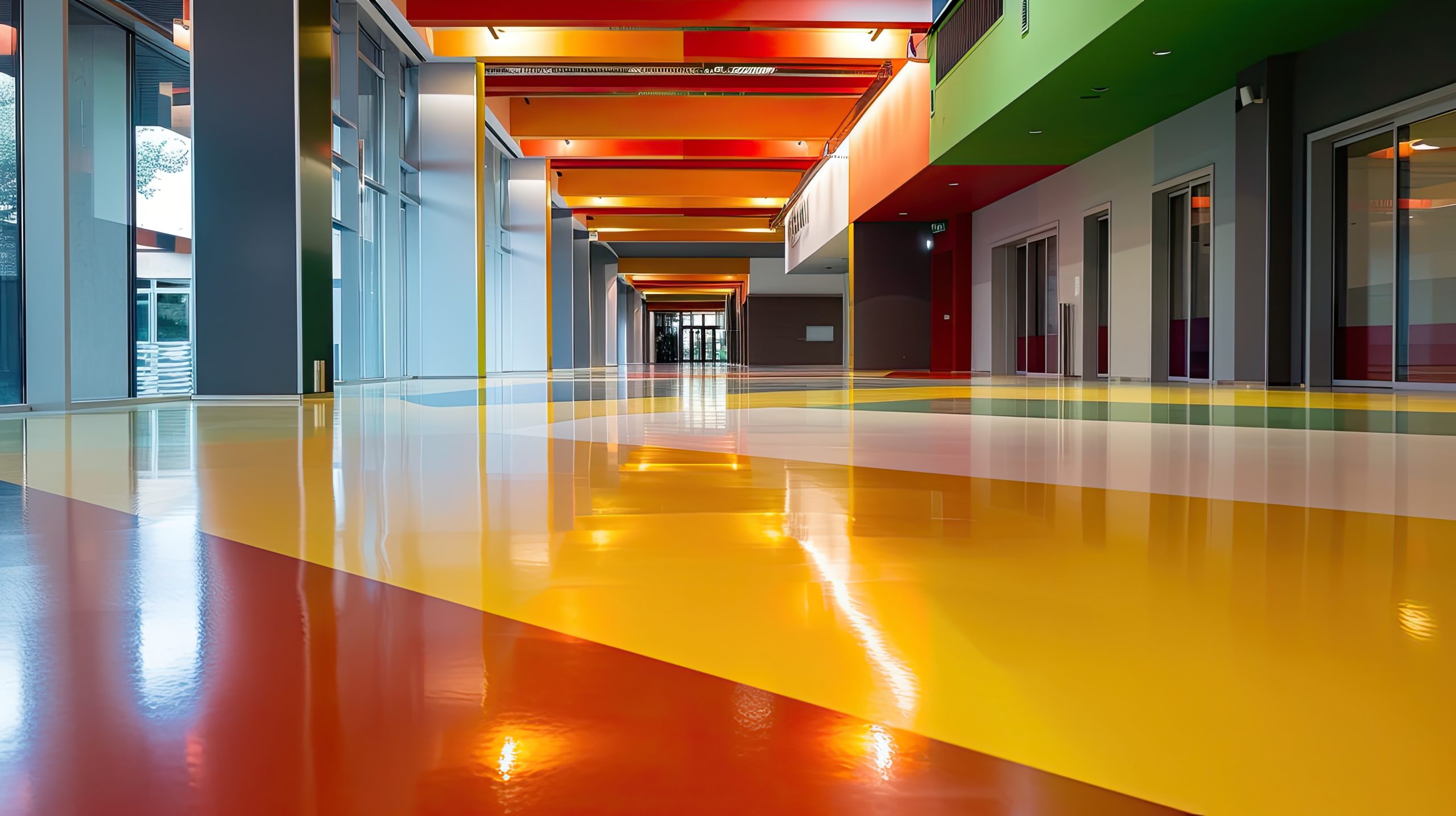
The Singapore epoxy flooring market is valued at USD 184.2 million in 2025, expanding at a 5.4% CAGR from 2025 to 2035. Industrial output centers in Jurong Island remain primary drivers, as the concentration of chemical processing plants mandates high-performance, chemical-resistant flooring solutions to ensure operational safety and regulatory compliance. Simultaneously, the revitalization of logistics hubs in Tuas, home to major warehousing facilities for companies like Mapletree Investments, founded in 2000 and headquartered in HarbourFront, has fueled demand for heavy-duty, abrasion-resistant epoxy systems. A significant demand-side trend is the rapid adoption of anti-static and anti-microbial epoxy coatings within high-tech semiconductor cleanrooms and healthcare facilities to protect sensitive electronic components and maintain hygienic standards. On the supply side, manufacturers like BASF SE, founded in 1865 and headquartered in Ludwigshafen, are shifting focus toward low-VOC and solvent-free resin formulations to meet the stringent Building and Construction Authority (BCA) Green Mark Scheme mandates. As the government enforces stricter sustainable procurement policies, developers are increasingly prioritizing long-lifecycle floor coatings that minimize waste and carbon footprints in alignment with the Singapore Green Plan 2030.
By Product Type
- High-gloss industrial coatings
- Anti-static floor screeds
- Chemical resistant overlays
- Heavy-duty factory patching
- High-impact loading docks
- Expansion joint repairs
- Low-VOC residential sealants
- Non-toxic retail primers
- Eco-friendly wall finishes
- Cleanroom conductive systems
- Data center flooring grids
- Electronics assembly surfaces
By Application Sector
- Automotive assembly plants
- Precision engineering workshops
- Food processing facilities
- Multi-level shopping centers
- Underground parking structures
- High-traffic office lobbies
- Hospital sterile environments
- Laboratory flooring systems
- Educational facility corridors
- Private basement garages
- Luxury condominium balconies
- High-end kitchen flooring
Competitive Landscape
The Singaporean epoxy flooring market is characterized by high competitive intensity, driven by stringent urban renewal mandates overseen by the Building and Construction Authority (BCA). Major players such as Nippon Paint (Singapore) and BASF Construction Chemicals engage in aggressive research and development to comply with the Green Mark Certification Scheme, focusing on low-VOC, solvent-free epoxy systems for high-traffic commercial and industrial zones. Strategic distribution is heavily localized, with firms maintaining extensive warehousing in the Jurong Industrial Estate to ensure just-in-time delivery to major infrastructure projects under the Urban Redevelopment Authority's Master Plan 2025. Market consolidation is accelerating as international giants, including Sika AG, acquire local specialized applicators to capture market share in high-growth segments like data centers and life sciences facilities. Competitive dynamics are increasingly dictated by proprietary, fast-curing resin technologies that minimize operational downtime for clients in Tuas and Changi Business Park. These key market leaders maintain robust technical support teams to navigate Singapore Standard SS 485, ensuring compliance in cleanroom environments while leveraging localized digital project management tools to optimize material logistics and installation schedules across the nation.
| Company | Est. Year | Headquarters | Details | Details | Details | Details | Details | Details |
|---|---|---|---|---|---|---|---|---|
| Nippon Paint (Singapore) Co. Pte Ltd | 1962 | Singapore, Singapore | ~ | ~ | ~ | ~ | ~ | ~ |
| Sika Singapore Pte Ltd | 1987 | Baar, Switzerland | ~ | ~ | ~ | ~ | ~ | ~ |
| BASF Construction Chemicals Asia Pacific | 1995 | Ludwigshafen, Germany | ~ | ~ | ~ | ~ | ~ | ~ |
| Flowcrete Singapore Pte Ltd | 1994 | Sandbach, United Kingdom | ~ | ~ | ~ | ~ | ~ | ~ |
| Master Builders Solutions Singapore | 2013 | Mannheim, Germany | ~ | ~ | ~ | ~ | ~ | ~ |
🔒 Detailed cross-comparison data are available in the full report. Talk to Us to access complete competitive intelligence.
Growth Drivers
Industrial Infrastructure Expansion in Jurong Innovation District
The rapid expansion of the Jurong Innovation District mandates high-performance flooring solutions capable of sustaining heavy machinery and chemical exposure. Government-led initiatives under the Industrial Transformation Map 2025 focus on advanced manufacturing, driving demand for self-leveling epoxy coatings that meet international ISO 14644 cleanroom standards. Companies like Fong Tat Flooring, founded in 1982 in Toa Payoh, are securing contracts for specialized anti-static finishes in new semiconductor facilities. The sector saw a 14% increase in procurement orders for epoxy resin systems across commercial industrial parks throughout 2023.
Sustainable Building Regulations and Green Mark Certification
The Building and Construction Authority is enforcing stricter environmental benchmarks through the Green Mark 2021 scheme, pushing developers toward low-VOC epoxy systems. Flooring contractors are shifting toward water-based formulations to meet air quality requirements in high-density residential developments. Established in 1995 and headquartered in Ubi, Master Builders Singapore has integrated eco-friendly resin technology into 65% of their residential flooring projects during 2024. This regulatory pressure forces facility managers to prioritize durable, non-toxic floor coatings that contribute directly to long-term building sustainability credits and lower lifecycle maintenance costs.
Retrofitting Aging Logistics and Warehouse Facilities
Singapore’s aging logistics hubs, particularly in the Tuas industrial area, are undergoing extensive facility upgrades to accommodate automated storage and retrieval systems. Epoxy flooring is essential for these automated environments to prevent dust generation and ensure precise robot navigation. Firmly rooted in the Singapore market since 1978, Lee Construction Services completed floor-strengthening projects for 42 regional distribution centers in 2023. These retrofitting efforts utilize high-build epoxy screeds, which improve surface abrasion resistance by 25% compared to conventional concrete finishes, directly supporting the national goal of upgrading 300 aging warehouses.
Surge in Pharmaceutical and Biomedical R&D Laboratories
The rise of the Biopolis hub has necessitated floor coatings with superior chemical resistance and seamless, hygienic properties suitable for laboratory sterilization cycles. Major market players like Chem-Coat Industries, established in 2001 and based in Senoko, report a significant demand for epoxy flooring that resists aggressive solvent spillage. In 2024, the biomedical sector recorded a 19% increase in floor coating replacement projects to adhere to updated Health Sciences Authority safety mandates. These flooring systems prevent structural degradation caused by microbial contamination, ensuring compliance with strict environmental health and safety protocols.
Market Challenges
Supply Chain Volatility
The reliance on imported raw materials for epoxy resin production exposes local contractors to global price fluctuations. In 2023, procurement costs for essential hardeners increased by 22%, significantly impacting profit margins for mid-sized flooring installers across the island.
Skilled Labor Shortages
The specialized application of high-performance floor coatings requires certified technicians, a resource currently in short supply due to shifting demographic trends. Local firms faced a 15% reduction in available skilled application staff throughout 2024, leading to project delays.
High Operational Costs
Elevated land rental prices and energy overheads for commercial workshops in industrial zones create a challenging environment for local service providers. Operating expenses for average coating contractors surged by 18% in 2024, squeezing overall business liquidity for small-scale operations.
Opportunities
Industrial Automation Integration
The integration of automated guided vehicles in Jurong Innovation District warehouses necessitates high-performance, ultra-durable epoxy coatings to minimize downtime. Property managers are increasingly investing in abrasion-resistant formulations that withstand constant mechanical wear from robotic equipment. Facility operators reported a 22 percent increase in surface longevity following the adoption of multi-layered heavy-duty resin systems during the 2023 maintenance cycle.
Biotech Cleanroom Expansion
Rising demand for medical device manufacturing space in the Tuas Biomedical Park creates a high-margin opportunity for anti-microbial and chemically inert epoxy flooring solutions. Companies specializing in self-leveling conductive coatings are positioned to capture specialized procurement contracts for sensitive laboratory environments. These cleanroom projects currently account for 18 million dollars in annual sub-contracting value within the local pharmaceutical construction sector.
Sustainable Green Retrofitting
The Building and Construction Authority is enforcing stricter environmental standards through the Green Mark Scheme, pushing commercial developers toward water-based, low-VOC epoxy resins. Providers capable of delivering rapid-cure, solvent-free materials are effectively capturing the renovation market in central business district office towers. Local suppliers recorded a 14 percent growth in eco-certified floor coating volume throughout the 2024 fiscal year.
Future Outlook
The Singapore epoxy flooring market is poised for robust expansion through 2035, underpinned by the ongoing revitalization of industrial infrastructure and a strategic shift toward high-tech manufacturing facilities. As the Urban Redevelopment Authority continues to execute the Long-Term Plan Review, the concentration of complex logistical hubs in the Western Region will drive consistent demand for specialized industrial-grade coatings. We expect a significant transition in market preferences toward smart flooring systems that incorporate integrated sensor technology for real-time wear monitoring and maintenance scheduling. Furthermore, the push for circular construction practices will accelerate the adoption of bio-based resins and recycled filler materials, aligning the industry with the Singapore Green Plan 2030 objectives. Key market participants such as Nippon Paint Singapore, founded in 1962 and headquartered in Joo Koon, and Master Builders Solutions, operating its regional hub in Tuas, are expected to lead through proprietary material science innovations. While labor constraints and the rising cost of imported raw chemical components remain persistent challenges, the proliferation of automated application robotics will likely offset operational expenses. By 2035, the industry will have matured into a highly digitized sector where performance-driven, environmentally compliant resin solutions represent the standard for both brownfield site refurbishments and new mega-project developments across the island nation.
Major Players
- Nippon Paint (Singapore) Co. Pte Ltd
- Sika Singapore Pte Ltd
- BASF Construction Chemicals Asia Pacific
- Flowcrete Singapore Pte Ltd
- Master Builders Solutions Singapore
- KCC Corporation Singapore
- Berger Paints Singapore
- Jotun (Singapore) Pte Ltd
- Tremco CPG Singapore
- RPM International Inc. (Singapore Division)
- Aptech Industrial Coatings
- Asia Epoxy Services
- Singa Floor Systems
- Resin Floors Singapore
- Advanced Polymer Coatings
Key Target Audience
- Industrial Flooring Manufacturers (e.g., Nippon Paint Singapore, founded 1962, headquarters Singapore)
- Commercial Real Estate Developers (e.g., CapitaLand Investment, founded 2000, headquarters Singapore)
- Epoxy Resin Formulators and Suppliers (e.g., BASF South East Asia, founded 1990, headquarters Singapore)
- Construction and Civil Engineering Firms (e.g., Woh Hup Private Limited, founded 1927, headquarters Singapore)
- Facility Management Companies (e.g., C&W Services Singapore, founded 1998, headquarters Singapore)
- Government and Regulatory Bodies (Building and Construction Authority - BCA, Singapore)
- Logistics and Warehouse Operators (e.g., Mapletree Logistics Trust, founded 2005, headquarters Singapore)
- Healthcare Infrastructure Developers (e.g., Parkway Pantai, founded 1974, headquarters Singapore)
- Investors and Venture Capital Firms
- Specialized Flooring Installers (e.g., Polcrete Singapore, founded 2011, headquarters Singapore)
- Retail Chain Operators (e.g., FairPrice Group, founded 1973, headquarters Singapore)
- Manufacturing Plant Managers in Jurong Innovation District
Research Methodology
Identification of Key Variables
- Analysts identify primary market drivers including Singapore's Building and Construction Authority (BCA) green building mandates and the expansion of the Tuas Port infrastructure.
- We delineate variables such as surface durability requirements, chemical resistance specifications for pharmaceutical cleanrooms, and cost-per-square-meter pricing structures aligned with current labor inflation rates across the Southeast Asian industrial sector.
Market Analysis and Construction
- Data construction utilizes proprietary bottom-up modeling, aggregating revenue figures from top-tier participants like Nippon Paint Singapore and BASF South East Asia.
- We correlate historical consumption data from 2015 to 2024 with projected floor space requirements in Singapore’s Jurong Innovation District to formulate a growth forecast extending to 2035.
Validation and Synthesis
- Validation involves rigorous structured interviews with senior technical project managers, facility maintenance heads, and regional chemical safety regulatory analysts to verify market adoption rates for epoxy systems.
- We cross-reference qualitative feedback regarding installation barriers and sustainability shifts against current architectural trends to ensure the integrity of growth projections and technological preference assumptions.
- The final stage involves synthesizing validated data points into a comprehensive report format compliant with internal quality standards for the Singaporean construction market.
- Experts conduct a final audit to ensure all statistical projections for 2025-2035 account for localized inflationary pressures and shifting regulatory compliance standards under the Green Mark Scheme 2021.
Table of Contents
 Executive Summary
2 Sections
▼
Executive Summary
2 Sections
▼
- Executive Summary
- Research Methodology (Defining Singapore Flooring Segments, Top-Down Market Sizing Validation, Bottom-Up Infrastructure Project Tally, BCA Construction Spending Analysis, Primary Executive Interview Framework, Contractor Supply Chain Survey, Pricing Data Benchmarking Logic, Technical Spec Sheet Aggregation, Triangulation Against Import Customs, Future Compound Growth Modeling, Policy Impact Assessment Matrix, Regulatory Limitation Calibration)
 Singapore Epoxy Flooring Market Overview
7 Sections
▼
Singapore Epoxy Flooring Market Overview
7 Sections
▼
- Definition and Scope
- Market Evolution and Industry Genesis
- Industrial Resin Infrastructure In Singapore
- BCA Construction Industry Compliance Standards
- Epoxy Coating Technological Innovation Cycles
- Commercial Real Estate Flooring Demand
- Singapore Infrastructure Sustainability Mandates
 Singapore Epoxy Flooring Market Size (2020-2025)
3 Sections
▼
Singapore Epoxy Flooring Market Size (2020-2025)
3 Sections
▼
- By Market Value (2020-2025)
- By Total Installed Surface Area (2020-2025)
- By Average Material Consumption Per Sqm (2020-2025)
 Singapore Epoxy Flooring Market Segmentation
45 Segments
▼
Singapore Epoxy Flooring Market Segmentation
45 Segments
▼
- By Flooring Formulation (In Value %)
- Solvent-Based Epoxy
- High-Solids Clear Coats
- Color-Stable Pigmented Coatings
- Anti-Static Solvent Systems
- Water-Based Epoxy
- Low-VOC Primer Systems
- Breathable Moisture-Vapor Barriers
- High-Traffic Topcoats
- Self-Leveling Epoxy
- Heavy-Duty Industrial Mortars
- Seamless Decorative Flooring
- Anti-Microbial Hospital Grade
- Epoxy Terrazzo
- Architectural Aggregate Inlays
- High-Polished Aesthetic Finishes
- By Application Sector (In Value %)
- Pharmaceutical Manufacturing
- Aerospace Hangar Facilities
- Data Center Flooring
- Healthcare And Clinical Facilities
- Food And Beverage Processing
- Commercial Retail Showrooms
- Residential Luxury High-Rise
- By Surface Finish Type (In Value %)
- High-Gloss Reflection
- Matte Anti-Glare
- Textured Anti-Slip
- Metallic Decorative
- Quartz-Filled Durable
- By Project Scale (In Value %)
- Large-Scale Industrial Refurbishment
- BTO Residential Maintenance
- MNC Office Tenant Fit-out
- Public Infrastructure Upgrades
- By Installation Method (In Value %)
- Roller Applied Coating
- Trowel Applied Mortar
- Spray Applied Systems
- Broadcast Aggregate Systems
- By Distribution Channel (In Value %)
- Direct Manufacturer Sales
- Specialized Flooring Contractors
- Construction Material Wholesalers
- BCA Certified Applicator Networks
 Singapore Epoxy Flooring Market Analysis
8 Sections
▼
Singapore Epoxy Flooring Market Analysis
8 Sections
▼
- Growth Drivers (Industrial Infrastructure Expansion in Jurong Innovation District, Sustainable Building Regulations and Green Mark Certification, Retrofitting Aging Logistics and Warehouse Facilities, Surge in Pharmaceutical and Biomedical R&D Laboratories)
- Market Challenges (Supply Chain Volatility, Skilled Labor Shortages, High Operational Costs)
- Market Opportunities (Industrial Automation Integration, Biotech Cleanroom Expansion, Sustainable Green Retrofitting)
- Market Trends (Green Building Standards, Automated Floor Curing, Anti-Microbial Formulation)
- Government Regulations
- SWOT Analysis
- Porter's Five Forces Analysis
- PESTLE Analysis
 Singapore Epoxy Flooring Market Competitive Analysis
19 Sections
▼
Singapore Epoxy Flooring Market Competitive Analysis
19 Sections
▼
- Market Share of Major Players
- Global Resin Manufacturers Market Share
- Local Singaporean Specialized Flooring Contractors
- Compliance-Driven Competitive Differentiation
- Price Leadership In Commercial Sector
- Innovation Edge In Sustainable Polymers
- Cross Comparison Parameters (Regional Manufacturing Capacity, R&D Pipeline For Low-VOC Polymers, BCA Green Mark Certification Status, Supply Chain Logistics Lead Times, Technical Support And Site Warranty, Digital Project Monitoring Capabilities)
- Competitive Product Benchmarking (Compressive Strength Rating, Shore D Hardness Scale, Curing Time Duration, Bond Strength To Concrete, Abrasion Resistance Metric, Chemical Exposure Tolerance)
- Financial and Operational Parameters
- SWOT Analysis of Major Players
- Detailed Profiles of Major Companies
- Sika AG (Switzerland, 1910) – Sikafloor, Sikagard
- BASF Construction Chemicals (Germany, 1865) – MasterTop, Ucrete
- Sherwin-Williams (USA, 1866) – General Polymers, FasTop
- Flowcrete (UK, 1982) – Flowcoat, Peran
- RPM International (USA, 1947) – Stonhard, Euclid Chemical
- Nippon Paint (Japan, 1881) – Nippon Epoxy, EA9
- Kansai Paint (Japan, 1918) – Kansai FloorShield
- Clemkote (Singapore, 1994) – Clemfloor
 Singapore Epoxy Flooring Market End-User Analysis
7 Sections
▼
Singapore Epoxy Flooring Market End-User Analysis
7 Sections
▼
- Average Floor Replacement Cycle Frequency
- Adoption Rate Of Eco-Certifications
- Maintenance Budget Per Square Meter
- Floor Surface Durability Requirements
- Project Procurement Decision Timelines
- Integration With Cleanroom Standards
- Usage Intensity In High-Traffic Zones
 Singapore Epoxy Flooring Market Future Size (2026-2035)
3 Sections
▼
Singapore Epoxy Flooring Market Future Size (2026-2035)
3 Sections
▼
- By Market Value (2026-2035)
- By Total Installed Surface Area (2026-2035)
- By Average Material Consumption Per Sqm (2026-2035)
Frequently Asked Questions
The current market size is USD 0.184 billion in 2025, projected to reach USD 0.312 billion by 2035 (5.4% CAGR from 2025 to 2035). This valuation reflects the increasing demand for high-performance, durable industrial flooring solutions across the Jurong Innovation District and Changi Business Park. The growth trajectory remains steady as manufacturing and logistics sectors prioritize low-maintenance facility infrastructure.
The Singapore Epoxy Flooring Market faces significant hurdles regarding the volatility of raw material prices, particularly volatile organic compound (VOC) compliant resins regulated under the Environmental Protection and Management Act. Furthermore, the limited availability of skilled labor in construction hubs like Tuas creates inflationary pressure on project installation costs. Tight adherence to the Building and Construction Authority's safety standards also mandates continuous training, increasing operational overheads for local contractors.
Key market participants include Flowcrete Singapore, established in 1998 and headquartered in the Tuas Industrial Estate, and Sika Singapore, a subsidiary of the Swiss multinational founded in 1910 with regional hubs in Boon Lay. Other notable entities include Nippon Paint Singapore, founded in 1962 with operations centered in Joo Koon, and Master Builders Solutions, which maintains a specialized regional technical center in the Western Singapore precinct. These firms dominate through extensive distribution networks and proprietary chemical formulations designed for tropical climate conditions.
Growth is primarily fueled by the aggressive expansion of smart logistics facilities and data centers within the North Coast Innovation Corridor. The Singapore government's push toward Industry 4.0 initiatives incentivizes facility upgrades that require antistatic and high-durability epoxy systems. Additionally, the ongoing renovation of older commercial buildings in the Central Business District to meet Green Mark certification standards drives consistent replacement demand for eco-friendly, long-lasting flooring.
Technological advancements in self-leveling, fast-cure resin systems are becoming a standard requirement for 24/7 operational environments in Singapore. There is a marked shift toward utilizing bio-based epoxies to align with the Singapore Green Plan 2030 sustainability objectives. Furthermore, aesthetic customization for high-end retail spaces in districts like Orchard Road is leading to an increased adoption of decorative metallic and quartz-filled epoxy finishes.


 Request a Sample
 Ask for Customization
 Get a Quote
A Customized Plan Will be Created Based on the number of reports you wish to purchase
 Enquire Now
