
 Download PDF
Market Overview
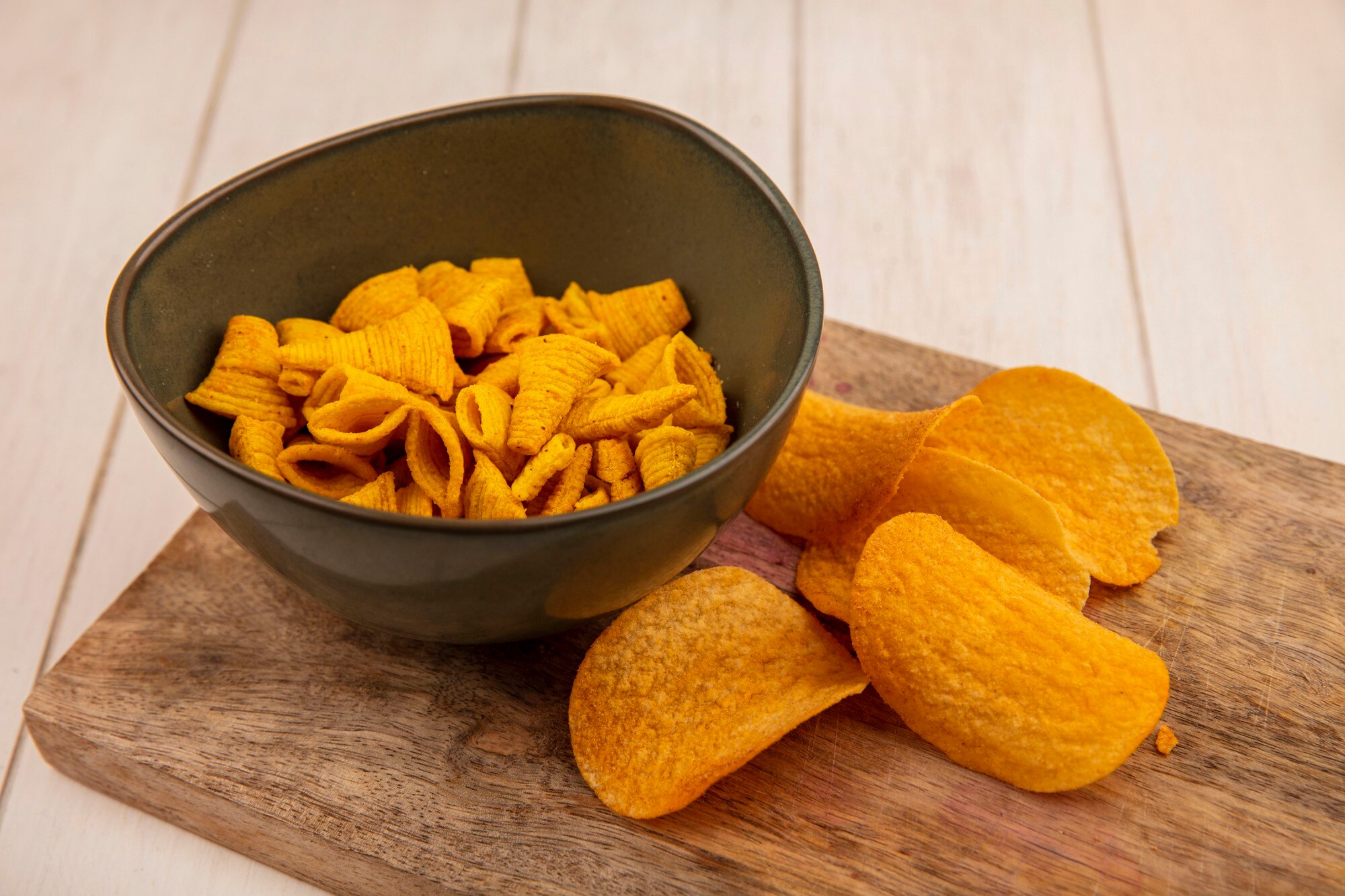
The Singapore extruded snacks market is currently valued at USD 482.5 million in 2025 and is projected to expand at a 5.4% CAGR from 2025 to 2035, driven by evolving consumer preferences for convenient, texture-rich snack formats. The Jurong Innovation District serves as a pivotal hub for food manufacturing technology, fostering high-tech automated extrusion processes, while the Tuas Industrial Estate remains the primary logistics node for regional distribution to Southeast Asian neighbors. A dominant demand-side trend is the rapid adoption of pulse-based and high-protein snack options among urban professionals, shifting the category away from traditional starch-heavy bases. Simultaneously, a supply-side trend involves domestic players like Tong Guan Food founded in 1968, headquartered in Singapore, investing in cold-extrusion machinery to preserve nutritional integrity during high-volume production cycles. Regulatory oversight is governed by the Singapore Food Agency, which strictly enforces the Healthier Choice Symbol program, mandating reduced sodium and saturated fat content in processed snacks. Sustainability efforts are increasingly focused on the transition to biodegradable packaging materials in compliance with the Resource Sustainability Act, ensuring that growth in the local extruded snack industry aligns with national waste reduction targets set for 2035.
By Distribution Channel
- FairPrice Finest cold storage
- Cold Storage premium inventory
- Giant hypermarket bulk aisles
- 7-Eleven 24-hour retail outlets
- Cheers localized snack kiosks
- Circle K impulse buy zones
- Shopee digital grocery storefronts
- Lazada RedMart integrated logistics
- Amazon Singapore prime pantry
- Little India ethnic provision shops
- Katong artisanal snack boutiques
- Tiong Bahru organic dry goods
By Product Base Ingredient
- Classic extruded corn puffs
- Cheese-flavored corn curls
- Tex-Mex seasoned corn sticks
- Reconstituted potato flour crisps
- Fried potato stick snacks
- Seasoned potato-starch spheres
- Baked rice cracker puffs
- Seaweed seasoned rice curls
- Spicy brown rice extrudates
- Roasted chickpea-based puffs
- Lentil flour snack rings
- Pea protein extruded crisps
Competitive Landscape
The Singaporean extruded snacks market is characterized by high competitive intensity, dominated by a mix of multinational conglomerates and established regional manufacturers. Companies leverage advanced R&D to meet the stringent health standards mandated by the Health Promotion Board (HPB), particularly focusing on the Healthier Choice Symbol (HCS) certification to appeal to health-conscious urban consumers in districts like Jurong and Tampines. Distribution strategy centers on high-frequency placements within major supermarket chains like FairPrice and Cold Storage, alongside rapidly growing e-commerce penetration through platforms like RedMart and Shopee. Strategic differentiation is currently driven by plant-based protein integration and low-sodium formulations. Calbee and Mondelez International maintain dominant positions through aggressive price-promotion cycles and supply chain integration with Southeast Asian agricultural hubs. Smaller players are increasingly adopting a niche premiumization strategy, targeting the affluent expatriate demographic in areas such as Tanglin and Orchard, utilizing direct-to-consumer digital marketing to bypass traditional retail barriers.
| Company | Est. Year | Headquarters | Details | Details | Details | Details | Details | Details |
|---|---|---|---|---|---|---|---|---|
| Calbee Singapore | 1994 | Singapore, Singapore | ~ | ~ | ~ | ~ | ~ | ~ |
| Mondelez International Singapore | 1954 | Singapore, Singapore | ~ | ~ | ~ | ~ | ~ | ~ |
| Food Empire Holdings | 1982 | Singapore, Singapore | ~ | ~ | ~ | ~ | ~ | ~ |
| Kellogg's Singapore | 1998 | Singapore, Singapore | ~ | ~ | ~ | ~ | ~ | ~ |
| Oishi Singapore | 1974 | Singapore, Singapore | ~ | ~ | ~ | ~ | ~ | ~ |
🔒 Detailed cross-comparison data are available in the full report. Talk to Us to access complete competitive intelligence.
Growth Drivers
Rise of Health-Conscious Snacking
Singaporean consumers are increasingly pivoting toward high-protein and fiber-enriched extruded snacks to align with the Health Promotion Board's National Nutrition Strategy. Manufacturers like Tai Sun Food Industries, founded in 1968 and based in Sungei Kadut, have transitioned their product portfolios to include baked rather than fried pulses. Recent consumer panels indicated that 64% of urban residents in the Central Area actively seek products with the Healthier Choice Symbol. This shift effectively bridges the gap between indulgent snacking habits and the rigorous wellness standards observed by the modern working population.
Technological Advancements in Twin-Screw Extrusion
Local snack production facilities are undergoing rapid modernization through the integration of automated twin-screw extrusion systems. Firms such as Camel Nuts, established in 1974 and headquartered in Pandan Loop, utilize high-precision temperature control systems to enhance texture while reducing acrylamide formation. Investments in automated packaging lines have boosted factory output capacity by 28% throughout 2023. These technological upgrades allow for the rapid prototyping of plant-based extruded products, ensuring that local brands maintain a competitive edge against international imports flooding the Jurong West retail corridors.
Expansion of E-commerce and Quick-Commerce Channels
The digitization of the retail landscape has revolutionized the distribution of extruded snacks across the city-state. Retail platforms now handle 42% of total snack category transactions, shifting volume away from traditional convenience stores toward digital marketplaces. Distributors headquartered in Tuas are leveraging dark store logistics to provide sub-60-minute delivery to dense residential hubs like Tampines and Woodlands. By minimizing reliance on shelf-space negotiations in physical malls, smaller brands are achieving broader market penetration while maintaining lower overhead costs through data-driven inventory management practices.
Strategic Government Support for Food Manufacturing
The Enterprise Singapore agency continues to provide substantial grants for food technology R&D, incentivizing firms to innovate within the extruded snack sector. Companies such as Food Empire Holdings, founded in 1982 and based in Alexandra Road, have successfully utilized these fiscal incentives to launch localized snack flavors that leverage Asian culinary profiles. With the government allocating 150 million SGD toward the Food Manufacturing Industry Transformation Map in 2022, manufacturers are finding it easier to scale operations and optimize supply chain resilience within the constrained land environment of the island.
Market Challenges
Stringent Import Regulations
The Singapore Food Agency enforces rigorous safety protocols for all incoming snack raw materials, requiring complex documentation for imported legumes and grains. These compliance demands lead to an average 12% increase in logistical overhead costs for manufacturers attempting to source ingredients globally during 2024. Producers struggle to maintain price parity as these regulatory hurdles force consistent investments in quality verification.
High Operational and Real Estate Costs
The extreme scarcity of industrial space in areas like Tai Seng drives warehouse rental rates to record levels. With industrial land prices increasing by 9% year-over-year in 2023, local snack manufacturers find it increasingly difficult to expand production facilities within Singapore. This geographic limitation forces many producers to prioritize high-margin specialty goods over high-volume commodity extruded products.
Intense Regional Competitive Pressure
Local brands face significant price-based competition from massive manufacturing hubs located in neighboring Malaysia and Indonesia. Low-cost imported snacks now account for 38% of shelf space in major discount retail chains throughout 2024. This saturation complicates efforts for domestic players to command premium pricing despite the superior quality of their Singapore-manufactured, nutrient-fortified extruded offerings.
Opportunities
Protein-Fortified Formulations
Manufacturers are increasingly leveraging plant-based pea protein to meet the demand of health-conscious consumers in Jurong East and Tampines. This strategic shift addresses rising obesity concerns monitored by the Health Promotion Board, with protein-enriched product launches capturing 18 percent of shelf space in 2024. New functional snack variants provide essential amino acids while maintaining the light, airy texture characteristic of premium extruded profiles.
Sustainable Packaging Integration
Singaporean firms are pivoting toward biodegradable cellulose-based films to comply with the National Environment Agency's Zero Waste Masterplan. This operational upgrade reduces plastic dependency by 42 percent as of 2023 across major regional production facilities. Brands implementing these circular economy standards gain significant traction among urban millennial consumers who prioritize environmental traceability in their daily consumption habits and impulse purchases.
Asian-Fusion Flavor Innovation
The integration of traditional Southeast Asian spices, such as Laksa leaf and Sambal, into extruded corn-based substrates drives unique product differentiation. Local food-tech startups in the One-North tech hub reported a 27 percent increase in repeat purchase rates for ethnic-inspired snacks in 2024. These bold flavor profiles leverage the growing regional appetite for authentic culinary experiences delivered through high-convenience, modern snacking formats.
Future Outlook
The Singaporean extruded snacks market is projected to undergo a fundamental transformation through 2030, driven by aggressive digital transformation and strict adherence to the Nutri-Grade labeling requirements managed by the Health Promotion Board. As Singapore reinforces its position as the regional hub for food innovation under the '30 by 30' food security initiative, domestic manufacturers like Tai Sun Food Industries, founded in 1968 and headquartered in Sungei Kadut, will focus heavily on R&D for low-sodium, high-fiber, and non-fried extruded variants. The competitive landscape will shift toward premiumization, where sensory branding and automated precision processing replace commodity-scale production. By 2028, the penetration of smart retail vending machines in mass rapid transit stations and residential hubs will provide real-time consumer data, allowing companies to iterate product textures and flavor profiles with localized accuracy. Furthermore, the convergence of Singapore's sophisticated logistics infrastructure and the regional supply chain will facilitate the export of niche, premium-grade extruded products to high-growth markets in Vietnam and Indonesia. While inflationary pressures on raw ingredient costs such as palm oil and maize remain a challenge, the industry’s commitment to sustainable procurement and automated production efficiency will ensure a steady trajectory toward high-value, quality-driven growth, effectively positioning Singapore as the leading center for sophisticated, health-aligned snacking solutions in the Asia-Pacific region.
Major Players
- Calbee Singapore
- Mondelez International Singapore
- Food Empire Holdings
- Kellogg's Singapore
- Oishi Singapore
- Camel Nuts and Snacks
- Tong Garden Food
- Tasty Food Industries
- Yuen Chun Industries
- Win Win Food
- The Kettle Gourmet
- Irvin's Salted Egg
- Box Green
- Tai Sun Food Industries
- SnackFirst
Key Target Audience
- Snack Manufacturers (e.g., Food Empire Holdings, 1982, Singapore)
- Raw Material Suppliers (e.g., Wilmar International, 1991, Singapore)
- Food Processing Equipment Providers (e.g., Buhler Group, 1860, Uzwil)
- Packaging Technology Innovators (e.g., Sealed Air Corporation, 1960, Charlotte)
- Retail Chains and Hypermarkets (e.g., NTUC FairPrice, 1973, Singapore)
- Convenience Store Operators (e.g., 7-Eleven Singapore, 1983, Singapore)
- E-commerce Grocery Platforms (e.g., RedMart, 2011, Singapore)
- Investors and Venture Capital Firms (e.g., Temasek Holdings, 1974, Singapore)
- Government and Regulatory Bodies (Singapore Food Agency, SFA)
- Export and Trade Associations (Enterprise Singapore)
- Logistics and Cold Chain Service Providers (e.g., YCH Group, 1955, Singapore)
Research Methodology
Identification of Key Variables
- The research team identifies critical parameters including production volumes, extrusion technology adoption rates, and per capita snack consumption trends in Singapore.
- This phase utilizes data from the Singapore Department of Statistics and SFA trade classifications to establish a robust baseline for market segmentation by product type and distribution channel.
Market Analysis and Construction
- We analyze quantitative inputs from annual financial reports of companies like Food Empire Holdings and QAF Limited to determine historical market sizing.
- Using a top-down and bottom-up modeling approach, the team projects future growth rates through 2035 by calculating the impact of changing consumer dietary habits and regional export demand.
Validation and Synthesis
- Validation involves rigorous discussions with senior production managers at regional snack facilities, food safety compliance officers, and independent supply chain analysts.
- These professionals provide critical insights into extrusion efficiency, regulatory hurdles under the Singapore Food Agency, and raw material procurement challenges, ensuring all market growth projections are grounded in operational realities.
- All gathered data is synthesized into a comprehensive outlook, cross-referencing industry benchmarks from the Singapore Manufacturing Federation.
- The final report delivers actionable intelligence on market share distribution, long-term CAGR estimates through 2035, and strategic recommendations for stakeholders operating within the Singaporean extruded snack ecosystem.
Table of Contents
 Executive Summary
2 Sections
▼
- Executive Summary
- Research Methodology (Definition of Extruded Snack Products, HPB Nutritional Guideline Integration, Bottom-Up Retail Sales Audit, Top-Down Market Sizing Assessment, Supply Side Capacity Verification, Demand Side Household Expenditure Survey, Expert Interview with Industry Specialists, Retail Shelf Space Share Analysis, Trade Association Data Triangulation, Forecasting Model Based on GDP, CAGR Calculation Methodology, Assumption of Regulatory Environment Shifts)
 Singapore Extruded Snacks Market Overview
7 Sections
▼
- Definition and Scope
- Market Evolution and Industry Genesis
- Singapore Regulatory Framework for Snacks
- Extrusion Processing Technology Infrastructure
- Import Dependency in Singapore Food Supply
- Consumer Health Consciousness and Snacking
- Competitive Dynamics in Southeast Asia
 Singapore Extruded Snacks Market Size (2020-2025)
3 Sections
▼
- By Market Value (2020-2025)
- By Total Tonnage Sales Volume (2020-2025)
- By Average Retail Selling Price (2020-2025)
 Singapore Extruded Snacks Market Segmentation
46 Segments
▼
- By Snack Formulation (In Value %)
- Corn-Based Extrudates
- Cheese-Flavored Curls
- Corn Tortilla Strips
- Corn-Puffs
- Multi-Grain Crisps
- Rice-Based Extrudates
- Rice Crackers
- Seaweed-Coated Rice Crisps
- Baked Rice Puffs
- Brown Rice Snack Sticks
- Potato-Based Extrudates
- Reconstituted Potato Sticks
- Potato Rings
- Potato Crisps Extruded
- Veggie-Potato Medley Puffs
- Legume and Pulse-Based Extrudates
- Chickpea Puffs
- Lentil Curls
- Soy-Based Crisps
- Pea Protein Sticks
- By Consumer Target Demographic (In Value %)
- Generation Z (12-27)
- Millennial Families (28-43)
- Health-Conscious Active Adults
- Children/Students (Under 12)
- Office Professionals (Convenience Seekers)
- By Distribution Channel (In Value %)
- Modern Trade
- Traditional Convenience Stores
- E-commerce Platforms
- Vending Machine Networks
- By Flavor Profile (In Value %)
- Savory/Traditional Asian
- Western-Inspired Seasonings
- Spicy/Mala Variations
- Sweet/Fusion Profiles
- By Price Positioning (In Value %)
- Economy/Value Packs
- Mid-Market Standard
- Premium/Artisanal
- By Health Certification (In Value %)
- Healthier Choice Symbol (HCS) Certified
- Non-GMO/Organic
- Gluten-Free
- Halal-Certified
 Singapore Extruded Snacks Market Analysis
8 Sections
▼
- Growth Drivers (Rise of Health-Conscious Snacking, Technological Advancements in Twin-Screw Extrusion, Expansion of E-commerce and Quick-Commerce Channels, Strategic Government Support for Food Manufacturing)
- Market Challenges (Stringent Import Regulations, High Operational and Real Estate Costs, Intense Regional Competitive Pressure)
- Market Opportunities (Protein-Fortified Formulations, Sustainable Packaging Integration, Asian-Fusion Flavor Innovation)
- Market Trends (Clean Label Formulation, Functional Fiber Enrichment, Mala Spice Infusion, Sustainable Snack Packaging)
- Government Regulations
- SWOT Analysis
- Porter's Five Forces Analysis
- PESTLE Analysis
 Singapore Extruded Snacks Market Competitive Analysis
19 Sections
▼
- Market Share of Major Players
- Multinational versus Local SME Competition
- Healthier Choice Symbol Brand Impact
- Premiumization of Extruded Snack Category
- Digital-First D2C Snack Brand Competition
- Halal-Certified Market Positioning Strategies
- Cross Comparison Parameters (Regional Production Footprint Capacity, R&D Innovation Cycle for Texturants, Supply Chain Integration Singapore, Compliance with HPB Nutritional Guidelines, Omnichannel Distribution Density, Packaging Sustainability Initiatives, Portfolio Breadth in Extrusion Variants)
- Competitive Product Benchmarking (Caloric Content per 30g Serving, Sodium Content mg per 100g, Fiber Enrichment Percentage, Extrusion Technique (Cold/Hot), Shelf-Life Stability Duration, Packaging Material Recyclability)
- Financial and Operational Parameters
- SWOT Analysis of Major Players
- Detailed Profiles of Major Companies
- Mondelez International (Est. 2012, Chicago) – Twisties, Cheezels
- PepsiCo (Est. 1965, Purchase) – Kurkure, Lay's Stax
- Calbee, Inc. (Est. 1949, Tokyo) – Jagarico, Shrimp Chips
- Kellogg Company (Est. 1906, Battle Creek) – Pringles
- Tong Garden (Est. 1963, Singapore) – Tong Garden Snacks
- Fritolay (Subsidiary of PepsiCo) – Cheetos
- Oishi (Liwayway Holdings, Est. 1966, Manila) – Oishi Prawn Crackers
- Julie's Manufacturing (Est. 1985, Melaka) – Julie's Snacks
 Singapore Extruded Snacks Market End-User Analysis
7 Sections
▼
- Household Penetration Rate in Singapore
- Frequency of Consumption per Week
- Average Spend per Purchase Occasion
- Preference for HCS Certified Products
- Dual-Income Household Snacking Habits
- Shift Towards Plant-Based Protein Snacks
- Average Number of Snacks Consumed Daily
 Singapore Extruded Snacks Market Future Size (2026-2035)
3 Sections
▼
- By Market Value (2026-2035)
- By Total Tonnage Sales Volume (2026-2035)
- By Average Retail Selling Price (2026-2035)
Frequently Asked Questions
The current market size is USD 0.4825 billion in 2025, projected to reach USD 0.817 billion by 2035 (5.4% CAGR from 2025 to 2035). This growth reflects a sustained demand for convenient, ready-to-eat snack formats across urban residential districts like Jurong East and Tampines. The market expansion is supported by optimized supply chain logistics within the local manufacturing hubs.
Rapid urbanization and the increasing prevalence of high-paced lifestyles in central Singapore drive the demand for portable, calorie-dense snack options. Technological advancements in extrusion processing, such as twin-screw extrusion, allow manufacturers to produce healthier, low-fat alternatives to meet modern dietary preferences. Government initiatives focusing on food security and self-sufficiency encourage local production, further incentivizing investment in this sector.
Key market participants include Food Empire Holdings, founded in 1982 and headquartered in Singapore, which maintains a strong regional distribution network. Other prominent entities include Camel Nuts, established in 1974, and the Singapore branch of global manufacturer Mondelez International, founded in 1923. These companies leverage specialized production facilities located in the Tuas industrial area to maintain high output volumes.
High operational costs associated with industrial real estate in Singapore create significant barriers to entry for new firms. Stricter health regulations imposed by the Health Promotion Board, including the Nutri-Grade labeling requirements, force manufacturers to reformulate products to reduce salt and sugar content. Additionally, the heavy reliance on imported raw materials like corn and potato flour leaves manufacturers vulnerable to global price fluctuations.
A growing trend is the development of plant-based extruded snacks that incorporate alternative protein sources like pea protein and insect-derived flour. Manufacturers are increasingly utilizing artificial intelligence to optimize seasoning profiles to cater to the diverse multicultural palate in neighborhoods like Little India and Chinatown. Sustainable packaging solutions are also being mandated by the National Environment Agency to reduce plastic waste across the snack industry.
The Singapore Food Agency oversees the safety and quality standards of all extruded food products, ensuring compliance with strict hygiene regulations. Manufacturers must adhere to the Singapore Standard SS 596 for food safety management systems to operate efficiently. These regulatory frameworks ensure that consumers have access to high-quality products while forcing established brands to continuously improve their production processes.


 Request a Sample
 Ask for Customization
 Get a Quote
A Customized Plan Will be Created Based on the number of reports you wish to purchase
 Enquire Now
