

 Download PDF
Market Overview
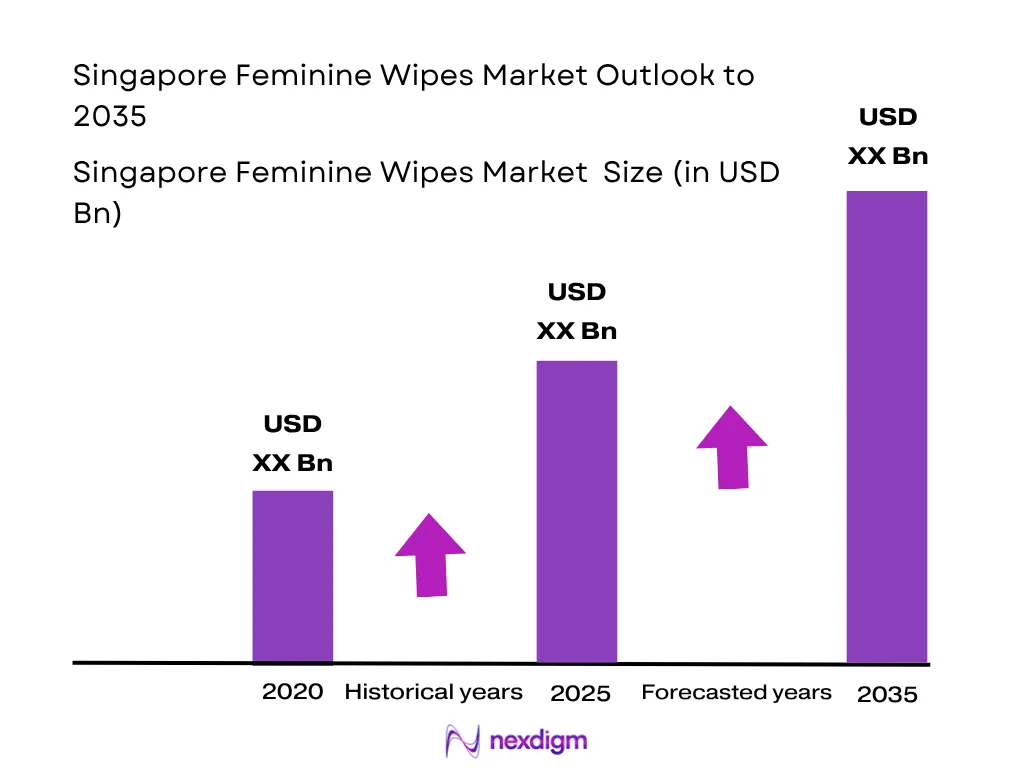
The global feminine wipes market is valued at USD ~ billion in 2025 based on verified industry research, reflecting widespread consumer uptake of intimate hygiene wipes across retail and online channels. Demand is driven by increased awareness of everyday intimate hygiene, expanding female workforce participation, and the convenience of portable wipes formats. Growth is supported by premiumization trends with natural and pH‑balanced product formulations gaining traction.
Within Singapore and the Asia‑Pacific region, key urban centres such as Singapore, Tokyo, Shanghai, and Mumbai dominate demand due to high disposable incomes, heightened hygiene consciousness among women, strong retail penetration and advanced e‑commerce infrastructure. These cities and countries lead because of dense populations of working women, greater access to international brands, and cultural receptivity to personal care innovations.
Market Segmentation
By Product Type
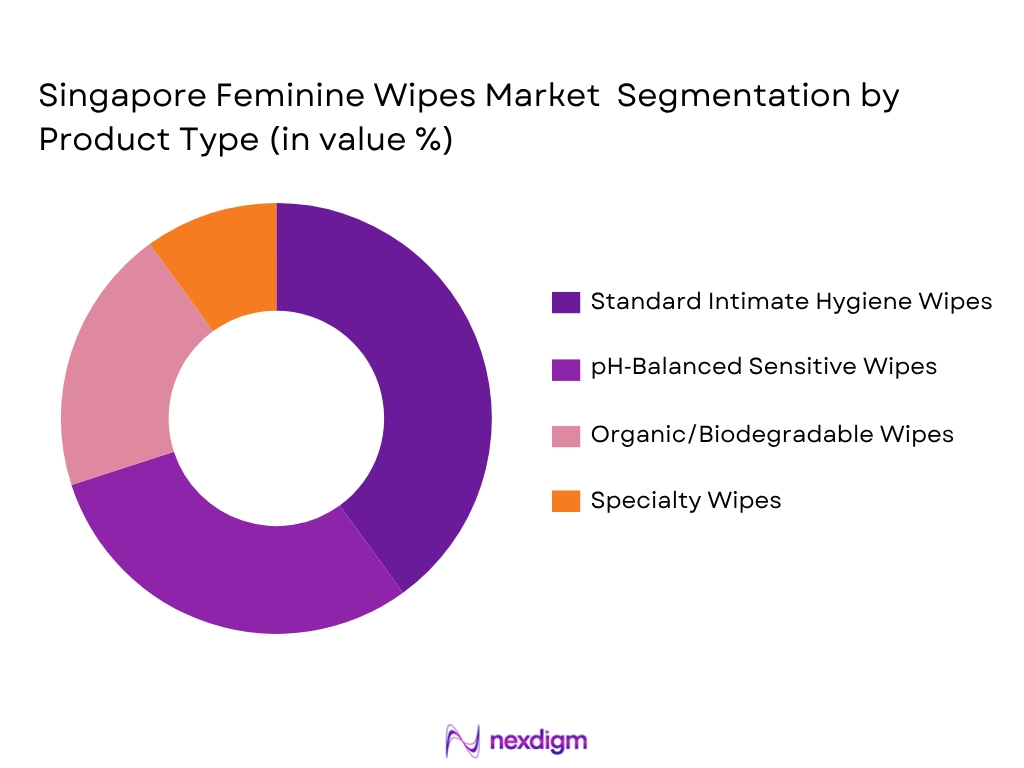
In Singapore and similarly developed markets, standard intimate hygiene wipes hold the largest share due to broad consumer familiarity, established distribution via pharmacies and supermarkets, and strong brand presence among global players. pH‑balanced wipes are rapidly gaining preference due to increased emphasis on skin health and dermatologically safe products. Organic and biodegradable sub‑segments are growing driven by sustainability trends among urban consumers who prioritize natural ingredients and lower environmental impact. E‑commerce platforms reinforce this trend by facilitating consumer discovery and comparison shopping across product types.
By Distribution Channel
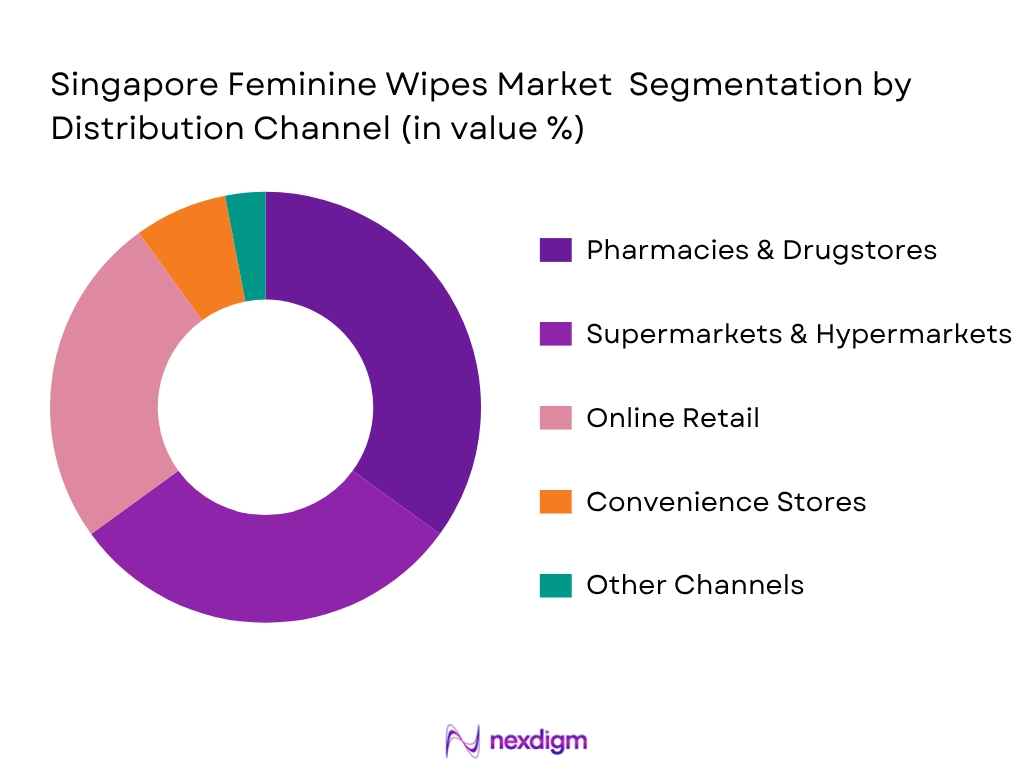
Pharmacies and drugstores dominate in Singapore due to the perceived medical credibility and consumer trust in hygiene products sold through these outlets. Many consumers associate drugstore purchase with product safety, dermatologist recommendations, and quality assurance. Modern trade outlets (supermarkets and hypermarkets) are significant because they provide wide product assortments and comparative pricing. E‑commerce platforms are rapidly gaining share as discreet online purchasing, home delivery, subscription services, and promotional pricing become increasingly attractive to busy urban women.
Competitive Landscape
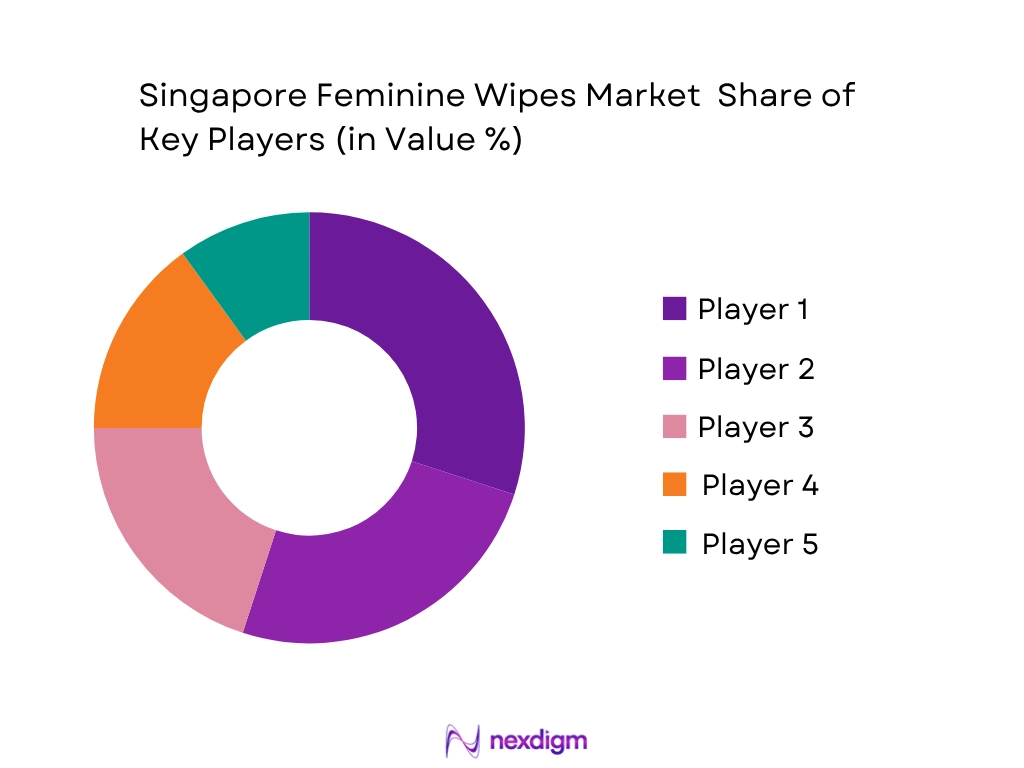
The Singapore intimate wipes market comprises global brands with extensive international portfolios and regional distributors focused on targeted consumer segments. The competitive scenario shows moderate concentration with top players holding strong retail and online presence. The Singapore feminine wipes market features several global and regional players that shape pricing, distribution, and product innovation. International entities leverage established branding and broad product portfolios, while smaller regional brands differentiate through tailored formulations and sustainability claims to appeal to local preferences.
| Company | Est. Year | Headquarters | Product Range Breadth | Retail Presence | Price Tier Focus | E‑commerce Penetration | Innovation Index | Distribution Partnerships |
| Procter & Gamble | 1837 | USA | ~ | ~ | ~ | ~ | ~ | ~ |
| Johnson & Johnson Services, Inc. | 1886 | USA | ~ | ~ | ~ | ~ | ~ | ~ |
| Unicharm Corporation | 1961 | Japan | ~ | ~ | ~ | ~ | ~ | ~ |
| Edgewell Personal Care | 1992 | USA | ~ | ~ | ~ | ~ | ~ | ~ |
| Albaad | 1988 | Israel | ~ | ~ | ~ | ~ | ~ | ~ |
Singapore Feminine Wipes Market Analysis
Growth Drivers
Increasing Female Hygiene Awareness
The breadth of hygiene awareness among women in Singapore is supported by demographic and health behaviour patterns reflected in recent national and global data. Singapore’s female population stands at 2,917,785 persons in 2024, comprising 48.33% of the total population indicating a substantial consumer base for women’s hygiene products such as feminine wipes. Among these, 72.96% of female residents are aged 15‒64, representing the core consumer age group with active daily hygiene needs. These population figures from World Bank Development Indicators highlight the scale of the potential market foundation. Furthermore, Singapore’s National Population Health Survey (NPHS) reports that residents are adopting healthier lifestyle habits overall, with increased health screenings and physical activity as an indicator of heightened personal health awareness among consumers. This macro health engagement correlates with greater acceptance and proactive uptake of hygiene products including intimate care wipes. High Internet usage 94% of the population also facilitates online access to health and hygiene information and online purchasing behaviours. Together these data points substantiate that Singapore’s female demographics and rising personal health engagement form a numeric foundation for increasing feminine hygiene awareness and demand for related products.
Millennial & Gen Z Lifestyle Influence
Singapore’s younger female demographics contribute significantly to consumption patterns relevant to intimate hygiene product categories, including feminine wipes. Data from the World Bank indicate that 9.58% of the female population is aged 25‒29 and 8.56% is aged 20‒24, which together represent a large cohort of Millennial and Gen Z women with modern lifestyle preferences that emphasize convenience and personal care. These age groups are key consumers for hygiene products due to active social and professional lives, frequent travel, and higher engagement with digital platforms. In Singapore, Internet usage among individuals is at 94%, enabling rapid access to online education, product reviews, social media influences, and e‑commerce platforms that shape lifestyle and buying behaviour. Economic factors further underpin this cohort’s influence: Singapore reports a GDP per capita of USD 90,674.1, indicating high purchasing power for personal care products among urban consumers. Labour force data show a robust services economy with increasing numbers of Professionals, Managers, Executives and Technicians (PMETs), suggesting that a significant proportion of young women are working and earning, driving discretionary consumption on convenience and hygiene categories. These demographic and economic figures demonstrate that Singapore’s Millennial and Gen Z female cohorts are numerically significant and likely contributors to modern intimate hygiene consumption trends, making them core drivers of demand for feminine wipes in current market dynamics.
Market Challenges
Sensitivity to Price Elasticity
Consumer sensitivity to pricing remains a persistent challenge in Singapore’s personal care environment, including the feminine wipes category. Macro price trends directly influence discretionary purchasing behaviour. In 2024, Singapore’s consumer prices inflation rate was 2.4%, which exerts upward pressure on retail prices of consumer goods including hygiene products. Despite relatively stable inflation, disposable income can be affected when essential costs such as housing and food rise, leading consumers to more price‑sensitive behaviour, especially for non‑essential or premium personal care items. Singapore’s high GDP per capita of USD 90,674.1 suggests strong purchasing power, but inflation in core expenses still motivates consumers to trade down or seek value options in personal care. Retail trends in the broader tissue and hygiene market illustrate channel and pricing pressures, where consumers balance product functionality with price, particularly in mature markets like Singapore. Euromonitor reports noted polarisation in consumer choices as some segments pursue premium features while others shift toward more cost‑effective products amid macroeconomic constraints. Additionally, the availability of multiple retail formats from modern trade to online marketplaces increases transparency in pricing and empowers consumers to switch brands based on price for similar perceived quality. Combined with Singapore’s relatively high cost of living, these factors lead to heightened price elasticity that challenges premium product adoption unless value propositions are clear. Therefore, manufacturers must strategically manage pricing, promotions, and perceived value to mitigate sensitivity and maintain sales volumes in the feminine wipes segment.
Raw Material Availability & Cost Inflation
Feminine wipes production, whether locally sourced or imported, depends on consistent access to raw materials such as non‑woven fabrics, cleansing solutions, and packaging components. Singapore’s status as a small, open, trade‑dependent economy subjects it to global supply chain conditions and input cost variability. Business cost data from Singapore’s Ministry of Trade and Industry show that unit business costs in the manufacturing sector rose in 2024, with non‑labour production costs such as utilities and other services contributing to cost increases. Even as total unit business costs rose marginally by 0.2% in 2024, these cost pressures reflect challenges in controlling raw material and overhead costs for products manufactured or assembled locally. Additionally, Singapore’s reliance on imported inputs means that global commodity prices which fluctuate due to geopolitical tensions, shipping costs, and currency variations can raise production costs unpredictably. Although specific raw material cost indices for wipes are not published publicly, broader manufacturing indicators including Singapore’s Manufacturing PMI exceeding 50 points in 2026 highlight moderate expansion of production activity but also potential inflationary pressures. The interplay of global commodity price volatility, international freight cost fluctuations, and local services cost increases presents a complex production cost environment for manufacturers of feminine wipes. Managing procurement strategies, hedging against cost volatility, and optimizing supply chain logistics are therefore critical to maintaining price competitiveness and product availability in response to these macroeconomic inputs.
Opportunities
Private Label Growth Among Retailers
Private label hygiene and tissue products are gaining momentum as Singaporean consumers demonstrate increasing value‑oriented purchasing behaviour amid retail competition. Data from retail tissue and hygiene category overviews show that private label penetration is recorded in retail analytics tables, indicating that retailers are expanding their own brand offerings across hygiene segments, including wipes. Retailers can benefit from higher profit margins on private label products, which industry sources such as Oracle Retail indicate can offer margins of 25 to 30 times higher compared to traditional branded goods. These margin advantages motivate supermarkets and modern trade chains in Singapore to expand private label lines to capture cost‑conscious consumers who are sensitive to branded product pricing. Moreover, Singapore’s high Internet penetration at 94% facilitates comparison shopping, where private label alternatives can be positioned online alongside established brands, enhancing consumer awareness and adoption. As private label visibility increases in both brick‑and‑mortar and digital channels, retailers can leverage supply chain integration, localized sourcing, and promotional bundling to improve shelf share. The trend toward private label is supported by broader hygiene retail data showing increasing category penetration over time. Private label expansion presents an opportunity for retail players to shape competitive dynamics in the feminine wipes category by offering differentiated price‑value propositions that appeal to cost‑aware segments without compromising on quality or functionality.
Expansion of Eco‑Friendly Listings
Consumer demand for sustainable and environmentally responsible products is influencing retail assortments in Singapore, including in hygiene categories. Retail overviews for tissue and hygiene demonstrate that a growing segment of sustainably‑minded consumers opt for green alternatives, reflecting environmental priorities in buying behaviour. Singapore’s broader macro profile supports this opportunity; with a population of over 6 million residents in 2024, urban households increasingly prioritise products that align with eco‑friendly values. The country’s high standards of sanitation (100% of people using managed sanitation services) and environmental awareness contribute to openness toward products marketed as biodegradable or lower‑impact options. As sustainability continues to feature in corporate and governmental policy dialogues, driven in part by Singapore’s environmental commitments, retailers are responding with expanded eco‑friendly product listings across hygiene categories. Retail reports explicitly note this shift in wipes consumption patterns, where “sustainably‑minded consumers opt for green alternatives” in wipes and similar categories. This trend creates opportunities for manufacturers and distributors to broaden their portfolios with biodegradable, plant‑based, or recyclable feminine wipes options appealing to both environmentally conscious consumers and institutional buyers seeking sustainable procurement options. Expanded eco‑friendly offerings can act as a differentiator in a competitive market, fostering loyalty among value‑driven segments and aligning product lines with global environmental expectations.
Future Outlook
The Singapore feminine wipes market is expected to show steady growth over the next decade supported by rising personal hygiene awareness, continued innovation in gentle and pH‑balanced formulations, and increasing consumer preference for convenience and sustainability. Urbanization and strong digital adoption will further accelerate online retail channels, reinforcing product accessibility and diversification of offerings. Premiumization and eco‑friendly product lines are likely to shape competitive positioning among market players.
Anticipated drivers include demographic shifts with more women in professional sectors prioritizing everyday hygiene solutions, healthcare professionals recommending gentler formulations, and regulatory impetus for safer personal care products.
Major Players
- Procter & Gamble
- Johnson & Johnson Services, Inc.
- Unicharm Corporation
- Edgewell Personal Care
- Albaad
- Guy & O’Neill, Inc.
- Bodywise (UK) Limited
- Corman S.p.A
- Laclede, Inc.
- The Honey Pot Company
- Sustain Natural
- Rael Organic Feminine Care
- Pink Bible (Natural & Boutique Brand)
- Sweetums
- Local/regional private label offerings
Key Target Audience
- FMCG and Personal Care Retail Chains
- Consumer Packaged Goods Manufacturers
- Investments and Venture Capitalist Firms (health & hygiene consumer segment focus)
- Government and Regulatory Bodies (e.g., Health Sciences Authority Singapore, Enterprise Singapore)
- E‑commerce Marketplaces & Retail Platforms
- Supply Chain & Distribution Logistics Firms
- Product & Brand Licensing Partners
- Sustainability & Packaging Innovation Technology Providers
Research Methodology
Step 1: Market Scope Definition and Variable Identification
The initial phase defines the feminine wipes product category, related hygiene segments, and core market variables such as product type, distribution channel, and pricing tiers. Extensive desk research is conducted using published industry databases and secondary sources to establish baseline scope and definitions.
Step 2: Market Sizing and Historical Data Analysis
Historical market data is compiled from global and regional reports to quantify baseline values, growth patterns, and consumption trends. This involves reconciling reported market revenue figures and unit volumes for established product categories and projecting localized consumption patterns.
Step 3: Primary Expert Consultation and Validation
Hypotheses regarding demand drivers, consumer preferences, and channel dynamics are validated through interviews with industry experts, retail category managers, and distribution partners. These consultations refine assumptions and support segmentation rationalization.
Step 4: Forecast Modeling and Synthesis
Market forecasts are generated using a combination of bottom‑up and top‑down methodologies, integrating historical growth, consumer trends, and competitive dynamics to estimate future CAGR and segment potential. Cross‑verification with industry benchmarks enhances forecast accuracy.

- Executive Summary
- Research Methodology (Market Definitions & Scope, Abbreviations, Market Sizing Approach, Data Triangulation Method, Primary & Secondary Research Framework, Respondent/Expert Mapping, Forecasting Methodology, Assumptions & Limitations)

- Definition and Scope
- Category Genesis & Adoption Curve
- Market Evolution & Regulatory Timeline
- Supply Chain & Value Chain Analysis
- Manufacturing Footprint & Import Dependencies
- Price Benchmarking Framework

- Growth Drivers (Increasing Female Hygiene Awareness, Millennial & Gen Z Lifestyle Influence, E‑commerce Penetration & Subscription Trends, Shift Toward Natural/Biodegradable Formulations, Urbanization & Disposable Income Growth)
- Market Restraints (Regulatory Compliance & Product Claims Verification, Sensitivity to Price Elasticity, Raw Material Availability & Cost Inflation)
- Opportunities (Private Label Growth Among Retailers, Expansion of Eco‑Friendly Listings, Institutional Partnerships)
- Emerging Trends (Digital Marketing & Influencer‑Drive Campaigns, Personalization & Custom Packaging, Sustainability Certifications)
- Regulatory Environment (Health & Safety Standards for Feminine Hygiene Products, Import/Labeling Compliance, Claims & Advertising Regulations)
- Porter’s Five Forces Analysis (Threat of New Entrants, Supplier Power)
- SWOT Analysis (Market Level)
- Value Chain and Supply Chain Analysis (Raw Material Sourcing – Nonwoven Fabrics & Cleansing Agents, Domestic vs Imported Ingredients, Manufacturing Nodes, Logistics Hubs, Wholesale & Retail Distribution, Quality Assurance & Testing)
- Pricing Dynamics and Margin Stack (ASP by Segment – Value, Mid, Premium; Channel Price Differentiation; Promotional Discounts; Gross & Contribution Margins; Online vs Offline Economics; Cost Pass-Through Mechanisms)
- Consumer Purchase Behavior & Retail Analytics (Purchase Frequency, Basket Affinity and Cross‑Sell Dynamics)

- By Retail Value (2020-2025)
- By Consumption Volume (2020-2025)
- By Average Selling Price(2020-2025)
- By Market Size Breakdown by Import vs. Domestic Sourcing (2020-2025)
- By Real vs. Nominal Growth Adjusted for Retail Inflation (2020-2025)

- By Product Type (In Value %)
Regular/Everyday Feminine Wipes
Sensitive/PH‑Balanced Feminine Wipes
Organic/Natural Ingredient Feminine Wipes
Eco‑Friendly/Biodegradable Feminine Wipes
Specialty/Medical Grade Feminine Wipes
- By Consumer Demographic(In Value%)
Age: Teen & Young Adults
Age: Adults (25‑45)
Mature/Perimenopausal Users
High‑Income Household Users
Frequency of Usage (Daily / Occasional / Travel) - By Distribution Channel (In Value%)
Modern Trade (Hypermarkets/Supermarkets)
Pharmacies & Drugstores
E‑commerce & Online Marketplaces
Convenience Retail & Specialty Stores
Institutional/Healthcare Procurement - By Packaging Format (In Value%)
Pocket Packs (Small Count)
Standard Retail Packs
Bulk/Value Packs
Travel Packs/Single Use - By Pricing Tier (In Value%)
Value / Economy Segment
Mid‑Tier Mainstream
Premium / Specialty - By Consumer Purchase Trigger (In Value%)
Daily Hygiene
Menstrual Care Support
Post‑Workout/Travel
Dermatological/PH Sensitive Needs

- Market Share of Major Players (Value share, volume share, pack share, retail shelf share, pharmacy channel share, grocery channel share, online marketplace share)
- Competitive Positioning Matrix
- Cross‑Comparison Parameters (Company Overview, Portfolio Breadth, Retail Footprint & Channel Reach, E‑commerce Penetration, SKU Assortment, Price Positioning, ASP Trends, Brand Equity Metrics, Distribution Partnerships, Sustainability Index, Regulatory Compliance Score, Consumer Ratings, Innovation Pipeline, Gross Margin Benchmarks, Promotional Intensity, Supply Chain Resilience)
- SWOT Analysis of Major Players (Brand equity, retailer coverage, formulation credibility, price competitiveness, sustainability risk, digital visibility, portfolio depth, private-label exposure)
- SKU Benchmarking of Major Players (Pack size, ingredient architecture, substrate claim, fragrance profile, product format, claims hierarchy, disposal instruction, unit economics)
- Pricing Analysis Basis SKUs for Major Players (Entry price, average selling price, price per wipe, promotional depth, multipack price, online marketplace variance, retailer loyalty price, premium uplift)
- Retail Shelf and Digital Shelf Analysis (Search rank, product title optimisation, claim visibility, review count, rating quality, image pack hierarchy, subscription availability, out-of-stock frequency)
- Competitive Company Profiles
Procter & Gamble
Kimberly‑Clark
Unicharm Corporation
SCA (Essity)
Johnson & Johnson
Freedom Health & Beauty
Kotex – Kimberly‑Clark
Venus – Unicharm
Wet Ones (Edgewell)
NatraCare
The Honey Pot Company
Issy’s Pads & Wipes
Rael Organic Feminine Care
Sustain Natural
Local/Regional Private Label Brands

- Buyer Cohort Profiling (age, gender, income level, lifestyle orientation, hygiene-consciousness, urban vs semi-urban residence)
- Purchase Drivers and Barriers (brand reputation, price sensitivity, product efficacy, skin-friendly formulation, availability, cultural perception)
- Shopper Journey and Decision Funnel (awareness channels, social media & influencer impact, trial triggers, reviews, purchase friction points, repurchase motivators)
- Channel Behavior Analysis (discovery channels, purchase channels, replenishment frequency, basket mission, cross-category bundling)
- E-Commerce, DTC, and Social Commerce Analysis (traffic source, customer acquisition cost, conversion rate, subscription mix, repeat purchase rate, AR/VR engagement)
- Basket Composition and Repurchase Economics (cross-sell & upsell rates, attach rate per category, replenishment cycles, bundle adoption, seasonal SKU preference)
- Retailer and Influencer/Stylist Influence (shelf curation, influencer endorsements, personal shopper input, product sampling, event-driven triggers)

- By Retail Value (2026-2035)
- By Volume Units (2026-2035)
- By ASP (2026-2035)
- By Innovation & Category Expansion Projections (2026-2035)
- By Disruptive Market Scenarios (2026-2035)


 Request a Sample
 Ask for Customization
 Get a Quote
 Enquire Now