

 Download PDF
 Download PDF
Market Overview
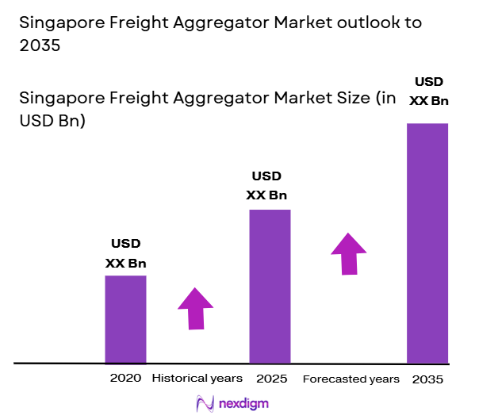
Singapore Freight Aggregator Market was valued at approximately USD ~ billion based on a recent historical assessment, supported by Singapore’s advanced logistics infrastructure, high digital trade intensity, and concentration of freight forwarding operations. Market expansion is driven by rising cross-border e-commerce shipments, multimodal connectivity between port and airport hubs, and adoption of digital freight platforms by SMEs and logistics providers. Government-backed trade digitalization initiatives and smart logistics investments further strengthen demand for aggregation platforms optimizing capacity utilization and pricing efficiency.
Singapore dominates the regional freight aggregation ecosystem due to its integrated port-airport logistics corridor, strong trade connectivity with Southeast Asia, and dense concentration of multinational supply chain operations. The city-state’s advanced customs digitalization, high adoption of logistics technology platforms, and presence of global freight forwarders reinforce aggregator platform usage. Strategic positioning along major maritime trade routes and strong re-export activity sustain freight demand flows, while regional headquarters operations increase enterprise freight management platform adoption across ASEAN supply chains.
Market Segmentation
By Platform Type
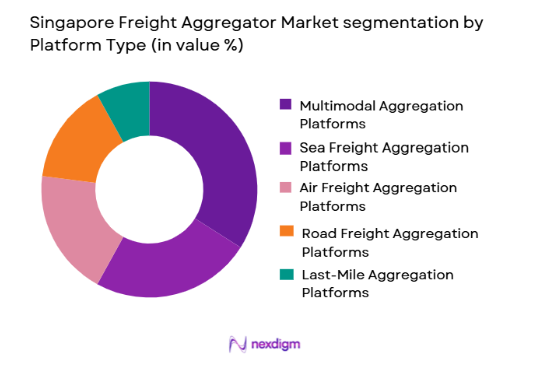
Singapore Freight Aggregator Market is segmented by platform type into road freight aggregation, sea freight aggregation, air freight aggregation, multimodal aggregation, and last-mile aggregation platforms. Recently, multimodal aggregation has a dominant market share due to Singapore’s integrated logistics hub structure linking port, airport, and regional land corridors. The country’s role as a transshipment and consolidation center encourages shippers to optimize routing across multiple modes through unified digital platforms. High cross-border cargo complexity and demand for real-time visibility further support multimodal adoption among freight forwarders and exporters.
By End User
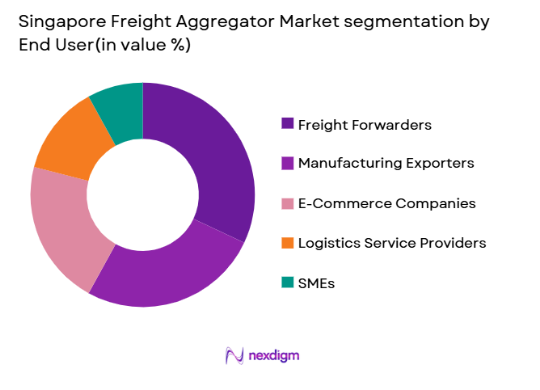
Singapore Freight Aggregator Market is segmented by end user into e-commerce companies, manufacturing exporters, freight forwarders, logistics service providers, and SMEs. Recently, freight forwarders have a dominant market share due to their central role in cargo consolidation and cross-border trade orchestration within Singapore’s logistics ecosystem. Forwarders increasingly adopt digital aggregation platforms to manage carrier networks, optimize capacity procurement, and offer real-time tracking to clients. High shipment volumes, multimodal requirements, and regional distribution operations reinforce platform dependency among forwarding companies.
Competitive Landscape
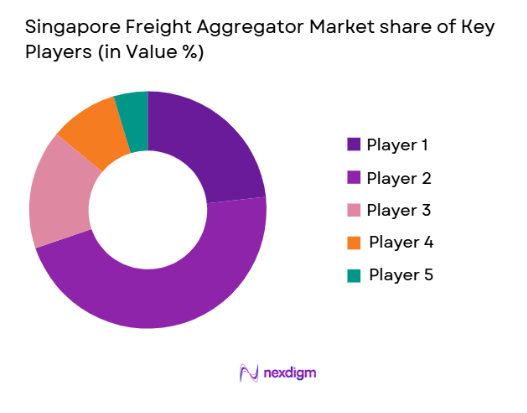
Singapore Freight Aggregator Market exhibits moderate consolidation with a mix of global digital freight platforms and regional logistics technology providers competing for enterprise and SME shippers. Major players leverage advanced routing algorithms, multimodal integration capabilities, and regional carrier networks to strengthen market positioning. Strategic partnerships with ports, airlines, and logistics providers enhance platform ecosystems, while mergers and technology integrations continue to shape competitive intensity across Southeast Asia’s digital freight aggregation sector.
| Company Name | Establishment Year | Headquarters | Technology Focus | Market Reach | Key Products | Revenue | Modal Integration Capability |
| Ninja Van | 2014 | Singapore | ~ | ~ | ~ | ~ | ~ |
| Flexport | 2013 | USA | ~ | ~ | ~ | ~ | ~ |
| Freightos | 2012 | Israel | ~ | ~ | ~ | ~ | ~ |
| Cogoport | 2016 | India | ~ | ~ | ~ | ~ | ~ |
| Quincus | 2014 | Singapore | ~ | ~ | ~ | ~ | ~ |
Singapore Freight Aggregator Market Analysis
Growth Drivers
Expansion of Cross-Border E-Commerce Logistics Demand:
Singapore’s position as a regional fulfillment and re-export hub has significantly increased freight aggregation platform adoption across shipping modes and trade corridors. Rising online retail volumes across Southeast Asia have driven higher parcelized and containerized cargo flows through Singapore’s logistics infrastructure, requiring digital freight matching and consolidation tools. Aggregator platforms enable shippers and forwarders to compare multimodal rates, optimize capacity sourcing, and manage dynamic routing across ASEAN markets. SMEs engaged in cross-border e-commerce increasingly rely on digital freight marketplaces to access carrier networks previously dominated by large forwarders. The country’s strong customs digitalization and trade facilitation environment supports seamless integration of shipment data into aggregator systems. Growth in omnichannel distribution and regional warehousing operations further expands demand for flexible freight procurement platforms. Digital freight aggregators also enhance transparency in pricing and transit performance, attracting exporters seeking cost optimization. Increasing regional trade agreements and simplified customs procedures further stimulate cross-border shipment volumes requiring aggregation services. The cumulative effect of rising e-commerce logistics complexity and regional trade integration continues to accelerate adoption of freight aggregation technologies.
Integration of Multimodal Transport Infrastructure and Smart Logistics Systems:
Singapore’s advanced logistics ecosystem combining port, airport, and land transport corridors creates structural demand for unified freight aggregation platforms coordinating multiple transport modes. The proximity of major container terminals and air cargo hubs encourages cargo consolidation and modal switching within short transit windows. Freight aggregators enable seamless coordination between shipping lines, airlines, trucking operators, and distribution networks through digital orchestration platforms. Smart port and airport initiatives incorporating digital cargo tracking and data exchange strengthen interoperability with aggregation systems. Logistics service providers increasingly adopt multimodal optimization tools to reduce transit time variability and capacity inefficiencies. Government investment in logistics digitalization and smart supply chain infrastructure accelerates adoption of platform-based freight management. Multimodal routing capabilities also enhance resilience against disruptions and capacity fluctuations across transport modes. Integrated infrastructure allows aggregators to provide predictive routing and dynamic scheduling services across ASEAN trade corridors. These structural advantages collectively drive sustained growth in digital freight aggregation solutions within Singapore’s logistics market.
Market Challenges
Fragmented Carrier Landscape and Capacity Volatility:
Freight Aggregator Market faces operational challenges due to the highly fragmented base of regional trucking firms, shipping lines, and feeder carriers participating in aggregation platforms. Smaller carriers often lack standardized digital interfaces or real-time data sharing capabilities, reducing platform efficiency and visibility accuracy. Capacity availability across sea and air modes fluctuates with trade cycles and regional disruptions, complicating aggregation optimization algorithms. Aggregators must continuously balance demand matching with carrier reliability and schedule adherence across multiple routes. Price volatility in freight markets also affects rate transparency and predictive pricing models embedded in platforms. Integration costs rise when aggregators onboard diverse carriers with varying operational standards and documentation processes. Cross-border regulatory compliance requirements further increase complexity in managing carrier participation across ASEAN markets. The need to maintain large carrier networks while ensuring service quality creates operational strain on digital freight platforms. These factors collectively limit scalability and margin stability for freight aggregation providers operating in Singapore.
Data Interoperability and Integration Constraints Across Supply Chain Systems:
Freight aggregation platforms depend on seamless data exchange between shippers, carriers, customs systems, and logistics providers, yet interoperability remains inconsistent across regional supply chain technologies. Many legacy logistics management systems used by carriers and exporters are incompatible with modern API-based aggregation platforms. Differences in shipment data standards, documentation formats, and tracking protocols reduce real-time visibility accuracy across multimodal routes. Aggregators must invest heavily in integration layers and data normalization processes to harmonize information from multiple stakeholders. Cross-border shipments require coordination with diverse customs and port systems, adding complexity to platform integration. Data security and governance regulations also impose constraints on information sharing across logistics networks. Integration delays can affect booking confirmation speed and routing optimization reliability for users. Enterprises expect end-to-end digital logistics orchestration, but fragmented data environments limit full automation capabilities. These interoperability challenges increase operational costs and slow digital freight aggregation adoption in Singapore.
Opportunities
AI-Driven Predictive Freight Optimization and Dynamic Pricing Platforms:
The increasing complexity of multimodal freight flows through Singapore creates strong opportunity for aggregation platforms incorporating artificial intelligence to forecast demand, optimize routing, and dynamically price capacity. AI algorithms can analyze historical shipment patterns, port congestion data, and carrier performance metrics to recommend optimal modal combinations. Predictive models enable proactive capacity procurement before peak demand periods, improving efficiency for shippers and forwarders. Dynamic pricing engines embedded in aggregators enhance competitiveness by adjusting rates according to demand and supply conditions across routes. Integration of machine learning with real-time tracking data improves transit time reliability and disruption management. Singapore’s advanced digital infrastructure and logistics data availability support deployment of AI-based freight orchestration solutions. Enterprises increasingly seek intelligent logistics platforms to reduce costs and enhance supply chain resilience. AI-driven aggregators also enable automated booking and routing decisions across multimodal networks. The convergence of data analytics, automation, and logistics digitalization positions predictive freight platforms as a major growth opportunity in Singapore.
Expansion of Regional Digital Trade Corridors and ASEAN Supply Chain Integration:
Singapore’s strategic role as a gateway to Southeast Asia enables freight aggregation platforms to expand across regional trade corridors linking ASEAN manufacturing and consumer markets. Growing intra-ASEAN trade flows and regional production networks increase cross-border freight movements routed through Singapore logistics hubs. Aggregators can extend platform services to neighboring countries, enabling unified shipment management across multiple jurisdictions. Regional customs harmonization initiatives and digital trade documentation frameworks facilitate cross-border platform integration. Logistics providers increasingly require regional aggregation tools to coordinate shipments between distribution centers, ports, and land corridors. Expansion of cross-border e-commerce fulfillment networks further amplifies demand for regional freight orchestration platforms. Singapore-based aggregators can leverage strong infrastructure and digital ecosystem advantages to scale across Southeast Asia. Regional partnerships with carriers and logistics operators enhance platform reach and service coverage. The continued integration of ASEAN supply chains presents a significant expansion opportunity for Singapore freight aggregation platforms.
Future Outlook
Singapore Freight Aggregator Market is expected to expand steadily as regional trade flows, e-commerce logistics, and multimodal transport integration continue strengthening. Technological advancement in AI-based routing, predictive freight pricing, and real-time tracking will reshape digital freight platforms. Government logistics digitalization initiatives and smart port-airport connectivity will further support aggregator adoption. Growing cross-border supply chains and regional distribution networks will sustain long-term demand for freight aggregation solutions.
Major Players
- Ninja Van
- Flexport
- Freightos
- Cogoport
- Quincus
- Lalamove
- GoComet
- Freightify
- Parcel Perform
- Janio
- Anchanto
- Deliveree
- uShip
- Transporteca
- ShipBob
Key Target Audience
- Logistics service providers
- Freight forwarding companies
- E-commerce fulfillment operators
- Manufacturing exporters
- Port and terminal operators
- Airlines and air cargo operators
- Shipping lines and NVOCCs
- Supply chain technology investors
Research Methodology
Step 1: Identification of Key Variables
Primary and secondary research identified core variables including digital freight adoption rates, multimodal shipment volumes, logistics infrastructure capacity, and platform penetration across shipper segments. Market boundaries and definitions were standardized before analysis.
Step 2: Market Analysis and Construction
Data triangulation combined logistics throughput statistics, platform adoption trends, and trade flow analysis to construct market size estimates and segmentation. Cross-validation ensured consistency across end-user and platform type perspectives.
Step 3: Hypothesis Validation and Expert Consultation
Industry interviews with logistics operators, freight forwarders, and digital platform providers validated adoption drivers, constraints, and technology trends. Expert insights refined segmentation dominance and competitive positioning assumptions.
Step 4: Research Synthesis and Final Output
Validated datasets and qualitative insights were synthesized into structured market analysis covering segmentation, drivers, challenges, and opportunities. Outputs were standardized for comparability across logistics technology markets and regional benchmarks.

- Executive Summary
- Research Methodology (Definitions, Scope, Industry Assumptions, Market Sizing Approach, Primary & Secondary Research Framework, Data Collection & Verification Protocol, Analytic Models & Forecast Methodology, Limitations & Research Validity Checks)

- Market Definition and Scope
- Value Chain & Stakeholder Ecosystem
- Regulatory / Certification Landscape
- Sector Dynamics Affecting Demand
- Strategic Initiatives & Infrastructure Growth

- Growth Drivers
Rapid expansion of cross border e commerce shipments in Southeast Asia
Increasing demand for real time freight visibility and optimization
Government initiatives supporting digital trade and logistics platforms
Rising SME adoption of digital logistics procurement channels
Integration of multimodal transport infrastructure in Singapore logistics hub - Market Challenges
Fragmented carrier base affecting aggregation efficiency
Price competition among digital freight platforms reducing margins
Regulatory compliance across cross border freight transactions
Data interoperability issues between shippers and carriers
Dependence on third party logistics capacity availability - Market Opportunities
Expansion of regional digital freight corridors linking ASEAN markets
AI enabled dynamic pricing and capacity optimization platforms
Integration with port and airport smart logistics ecosystems - Trends
Shift toward end to end digital freight orchestration platforms
Adoption of predictive analytics for freight demand forecasting
Growth of multimodal aggregation combining sea air and road
API based integration with enterprise supply chain systems
Platform consolidation through logistics tech partnerships - Government Regulations & Defense Policy
Digital trade facilitation and paperless customs initiatives
Logistics data governance and cybersecurity compliance standards
Smart nation infrastructure support for logistics digitalization - SWOT Analysis
- Stakeholder and Ecosystem Analysis
- Porter’s Five Forces Analysis
- Competition Intensity and Ecosystem Mapping

- By Market Value, 2020-2025
- By Installed Units, 2020-2025
- By Average System Price, 2020-2025
- By System Complexity Tier, 2020-2025

- By System Type (In Value%)
Digital Freight Matching Platforms
Multimodal Freight Aggregation Systems
Last Mile Delivery Aggregators
Cross Border Freight Marketplaces
Enterprise Freight Management Aggregators - By Platform Type (In Value%)
Road Freight Aggregation Platforms
Air Cargo Aggregation Platforms
Sea Freight Aggregation Platforms
Rail Freight Aggregation Platforms
Integrated Multimodal Platforms - By Fitment Type (In Value%)
Cloud Based Freight Aggregators
On Premise Aggregation Systems
API Integrated Aggregators
Mobile First Aggregator Platforms
SaaS Freight Aggregation Solutions - By EndUser Segment (In Value%)
E Commerce Retailers
Manufacturing Exporters
Logistics Service Providers
SME Shippers
Freight Forwarders - By Procurement Channel (In Value%)
Direct Platform Subscription
Enterprise Contracting
Logistics Marketplace Onboarding
Channel Partner Resellers
Government Linked Logistics Platforms - By Material / Technology (in Value %)
AI Driven Load Matching Algorithms
IoT Enabled Fleet Integration
Blockchain Based Freight Tracking
Big Data Route Optimization Engines
Cloud Native Aggregation Architecture

- Market structure and competitive positioning
- Market share snapshot of major players
- CrossComparison Parameters (Platform Coverage, Modal Integration, Pricing Model Flexibility, Real Time Tracking Capability, Carrier Network Scale, API Integration Depth, Cross Border Compliance Support, AI Optimization Capability, Enterprise Customization, Ecosystem Partnerships)
- SWOT Analysis of Key Players
- Pricing & Procurement Analysis
- Key Players
Ninja Van
Flexport
Freightos
uShip
Cogoport
ShipBob
Lalamove
GoComet
Transporteca
Freightify
Parcel Perform
Janio
Anchanto
Deliveree
Quincus

- E commerce shippers prioritizing speed and flexible capacity sourcing
- Manufacturers seeking cost optimized multimodal freight solutions
- Logistics providers adopting aggregators to expand carrier networks
- SMEs leveraging platforms for cross border shipping access

- Forecast Market Value, 2026-2035
- Forecast Installed Units, 2026-2035
- Price Forecast by System Tier, 2026-2035
- Future Demand by Platform, 2026-2035


 Request a Sample
 Ask for Customization
 Get a Quote
 Enquire Now