

 Download PDF
Market Overview
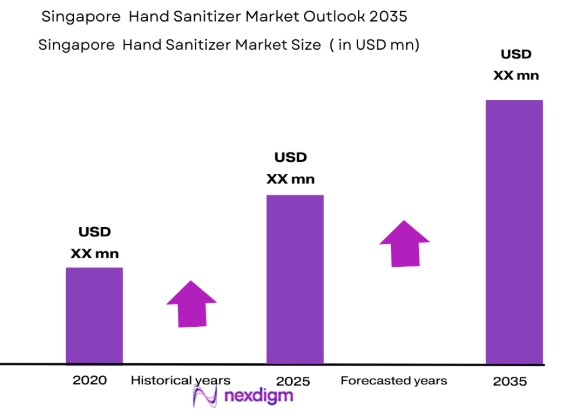
Based on a recent historical assessment, the Singapore hand sanitizer market is expected to reach approximately USD ~ million by the end of the year. This growth is primarily driven by the increasing demand for hygiene products, which surged in response to global health crises and public health campaigns. The demand for alcohol-based and non-alcohol-based hand sanitizers is growing rapidly, influenced by public awareness of health and hygiene standards, as well as regulations mandating the use of sanitizers in various public spaces. Furthermore, the expansion of online sales channels and retail outlets contributes significantly to market growth.
Key regions driving the demand for hand sanitizers in Singapore include the Central Singapore, West Singapore, and East Singapore regions. The rapid urbanization increased commercial activity, and public infrastructure development in these areas contribute to the dominance of these regions in the hand sanitizer market. Additionally, a higher concentration of healthcare facilities, commercial offices, and educational institutions within these regions further propels the demand for hygiene and sanitizing products. This trend is reinforced by government-led public health initiatives promoting hygiene practices across various sectors.
Market Segmentation
By Product Type
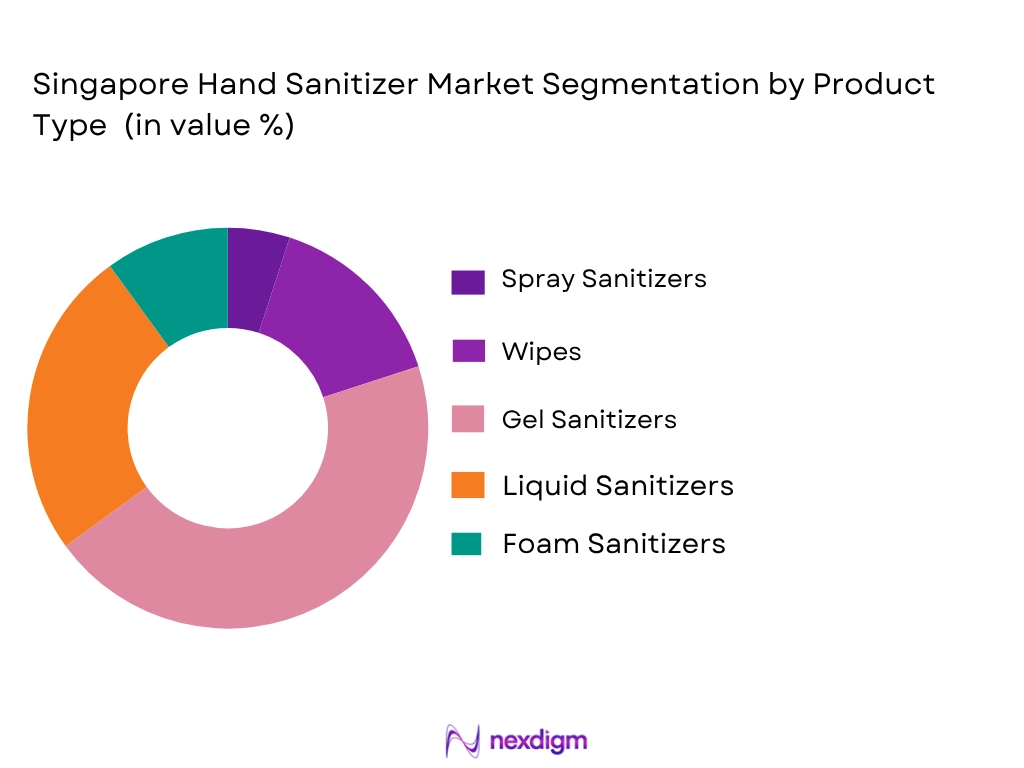
The Singapore hand sanitizer market is segmented by product type into gel sanitizers, liquid sanitizers, wipes, foam sanitizers, and spray sanitizers. Recently, gel sanitizers have dominated the market share due to their convenience, portability, and effectiveness. Gel sanitizers are preferred in both commercial and household settings because they are easy to apply, come in various packaging sizes, and are cost-effective. Furthermore, gel formulations offer better skin adhesion and are often favored for their quick-drying properties, making them ideal for high-traffic areas such as hospitals, offices, and public transportation hubs.
By Active Ingredient Type
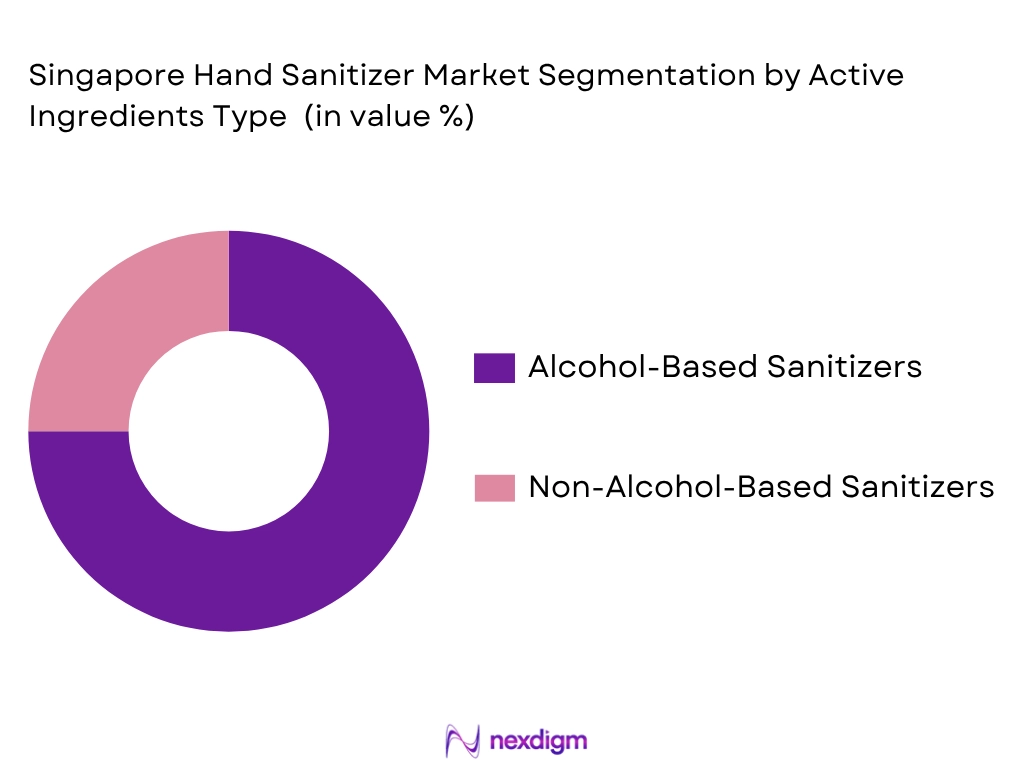
The market is further segmented based on active ingredients into alcohol-based and non-alcohol-based hand sanitizers. Alcohol-based hand sanitizers dominate the market due to their high efficacy in killing germs and viruses, which is crucial for public health. The surge in the awareness of infectious diseases and the effectiveness of alcohol in eliminating pathogens has driven the preference for alcohol-based products. Non-alcohol-based sanitizers, although growing in demand, remain a smaller portion of the market, largely due to their perceived lower efficacy compared to alcohol-based variants.
Competitive Landscape
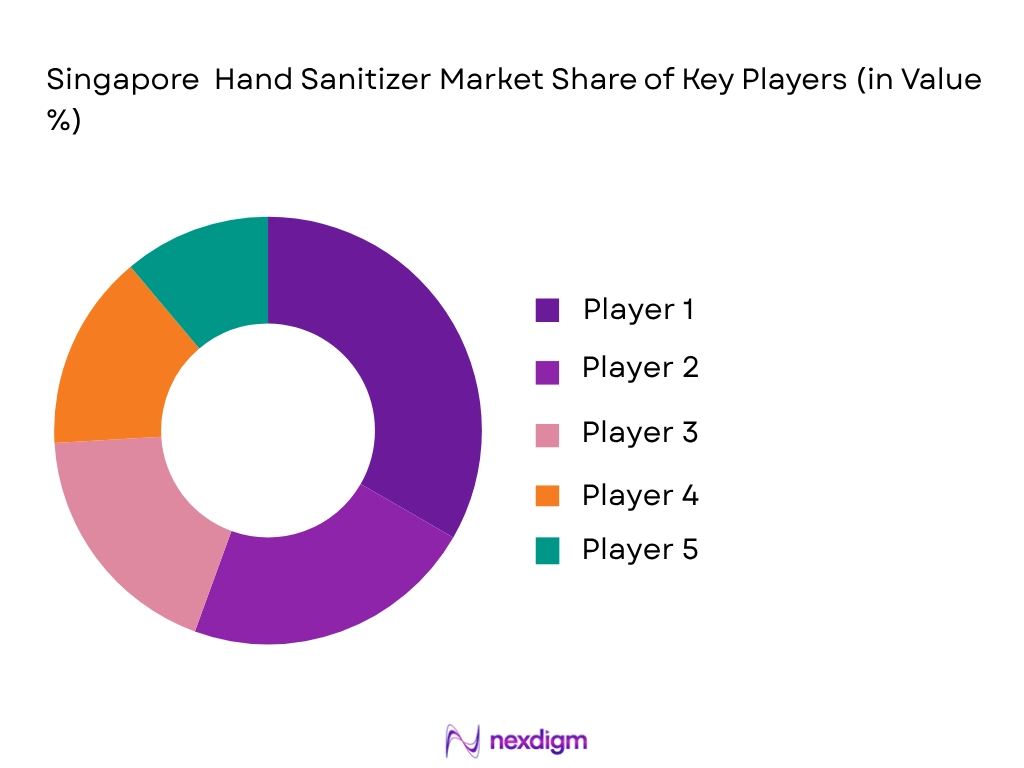
The competitive landscape of the Singapore hand sanitizer market is characterized by a high degree of consolidation, with several global and local players holding significant market shares. Major players continuously innovate with new formulations and packaging to meet growing consumer demand. The presence of multinational corporations, as well as local manufacturers, ensures competitive pricing, product differentiation, and robust distribution channels. Consolidation in the market can be seen through mergers, acquisitions, and strategic partnerships aimed at expanding market reach and enhancing product offerings.
| Company Name | Establishment Year | Headquarters | Technology Focus | Market Reach | Key Products | Revenue | Additional Parameter |
| Unilever Singapore | 1930 | Singapore | ~ | ~ | ~ | ~ | ~ |
| Procter & Gamble | 1837 | Singapore | ~ | ~ | ~ | ~ | ~ |
| Reckitt Benckiser Group | 1823 | Singapore | ~ | ~ | ~ | ~ | ~ |
| 3M Singapore | 1902 | Singapore | ~ | ~ | ~ | ~ | ~ |
| GOJO Industries, Inc. | 1946 | Singapore | ~ | ~ | ~ | ~ | ~ |
Singapore Hand Sanitizer Market Analysis
Growth Drivers
Rise in Hygiene Awareness Post-Pandemic
The heightened awareness of hygiene post-pandemic has significantly influenced consumer behavior, with hand hygiene becoming a major part of daily routines. Public health initiatives globally and regionally have led to increased hygiene practices. Singapore’s Ministry of Health has placed substantial emphasis on the importance of hand sanitization during health campaigns, noting that the rise in hygiene awareness contributed to higher consumption of hygiene products, including hand sanitizers. The government also implemented strict cleanliness standards in public spaces, which contributed to further adoption of sanitizers in households, workplaces, and healthcare settings. According to Singapore’s Ministry of Health, the widespread promotion of hand hygiene in public spaces and institutions has led to measurable increases in product sales. The consumer preference for hygiene-related products, including hand sanitizers, is directly tied to this shift in behavior and supported by local public health policy aimed at maintaining infection control measures.
Growing Demand from Healthcare and Food Industries
The growing demand for hygiene products in healthcare and food industries in Singapore has been a key driver of the hand sanitizer market. Healthcare facilities, including hospitals and clinics, are major consumers of hand sanitizers due to strict hygiene protocols to prevent healthcare-associated infections. The Ministry of Health has reported an increase in hospital sanitation standards, requiring more frequent hand sanitization across healthcare workers. Additionally, the food industry, driven by hygiene regulations enforced by the Singapore Food Agency, has contributed to higher usage of sanitizers in food processing, storage, and service environments. Singapore’s food sector has faced increasing demand for hygiene products in the wake of global food safety concerns, underscoring the necessity of hand sanitizers in the sector. The government’s role in enforcing health and safety regulations has further increased the usage of sanitizing products within these industries, driving significant demand.
Market Challenges
Price Sensitivity
Price sensitivity remains a significant challenge in the hand sanitizer market, especially for consumers in Singapore who are seeking affordable hygiene products. Due to the high cost of raw materials, including ethanol, and the importation of packaging materials, manufacturers face pressures to keep prices competitive. The Singapore government imposes taxes on imported goods, which can increase the final retail price of sanitizers. Additionally, amid the rising costs of consumer goods, some segments of the population show resistance to higher prices, particularly in the retail sector. This price sensitivity impacts the purchasing behavior of consumers, particularly in lower-income brackets, where demand for affordable products is more pronounced. The rise in cost of living in Singapore, with inflation rates reaching approximately 5.4% in early 2023, has led to more careful budgeting, making it difficult for certain market segments to afford premium-priced sanitizers.
Regulatory Compliance and Quality Standards
Compliance with stringent regulatory standards and maintaining high-quality assurance is a major challenge in the Singapore hand sanitizer market. The Singapore Health Sciences Authority (HSA) enforces strict safety regulations regarding the formulation, labeling, and distribution of hand sanitizers, ensuring they meet public health standards. However, the regulatory framework can be difficult for smaller manufacturers to navigate due to the complexity of certification and testing requirements. Additionally, compliance costs can be high, especially for companies producing alcohol-based hand sanitizers that must meet specific alcohol concentration regulations. The government requires regular testing and certification of sanitizers, which increases operational costs for manufacturers, especially those with limited resources. This regulatory burden can limit market participation for small or new companies, creating barriers to entry for some players. The process of gaining regulatory approval and the cost of maintaining compliance is a key obstacle, especially for new or emerging brands in the market.
Opportunities
Product Innovation (Eco-Friendly, Skin Care Focused)
There is a growing opportunity in the Singapore hand sanitizer market for product innovation, particularly with eco-friendly and skin-care focused formulations. With increasing consumer awareness around sustainability, there has been a notable shift towards products made from natural ingredients and environmentally friendly packaging. The Singapore government has committed to reducing plastic waste under its “Zero Waste Masterplan,” encouraging companies to adopt eco-friendly packaging solutions. Additionally, the demand for skin-friendly hand sanitizers has surged, with consumers opting for sanitizers that are gentle on the skin and contain added moisturizers. Innovations in biodegradable packaging and alcohol-free formulations are in response to the evolving preferences of environmentally-conscious and health-conscious consumers. This trend is set to continue, driven by local regulations and increasing consumer preference for sustainable products. The expansion of this segment offers brands a competitive edge in the market.
Growth in Retail and E-Commerce
The rapid expansion of e-commerce in Singapore offers significant growth opportunities for the hand sanitizer market. With the rise of online shopping platforms, hand sanitizers are now more accessible than ever, allowing consumers to conveniently purchase products from home. As of 2023, Singapore’s e-commerce sector has been growing steadily, with an increase of 15.5% in online retail sales compared to the previous year, according to Singapore’s Department of Statistics. The continued growth of e-commerce, paired with an increase in demand for personal hygiene products, provides a strong avenue for businesses to reach a broader customer base. Moreover, online platforms allow companies to introduce new and niche sanitizer formulations, including those with eco-friendly packaging, to meet consumer demand. As digital commerce continues to thrive, the hand sanitizer market can leverage these platforms to improve product visibility and boost sales.
Future Outlook
The future outlook for the hand sanitizer market in Singapore looks promising, with continued growth expected over the next five years. Key factors such as heightened hygiene awareness, evolving consumer preferences toward eco-friendly products, and government regulations mandating sanitization in public and commercial spaces are expected to drive market expansion. Additionally, technological advancements in sanitizer formulations and packaging are anticipated to enhance product offerings and appeal to a wider consumer base. With an increasing number of hygiene-conscious consumers, coupled with innovations in e-commerce, the market will continue to evolve in response to changing demands. Regulatory support for hygiene standards, combined with a focus on sustainability, will likely support market growth, while supply chain improvements and local manufacturing expansion are expected to strengthen the market’s resilience.
Major Players
- Unilever Singapore
- Procter & Gamble
- Reckitt Benckiser Group
- 3M Singapore
- GOJO Industries, Inc.
- Lion Corporation
- Beiersdorf AG
- Henkel AG
- Dettol (Reckitt)
- SC Johnson Professional
- Pigeon Corporation
- SteriClean
- Kimberly-Clark Corporation
- L’Oréal Singapore
- Purell (GOJO Industries)
Key Target Audience
- Investments and venture capitalist firms
- Government and regulatory bodies
- Retailers and wholesalers
- Healthcare institutions
- Corporate offices and businesses
- Educational institutions
- Manufacturers and suppliers
- E-commerce platforms
Research Methodology
Step 1: Identification of Key Variables
The first step involves identifying critical variables such as market trends, product types, active ingredients, and regional demand patterns that affect the hand sanitizer market.
Step 2: Market Analysis and Construction
Market segmentation is then analyzed based on key product types, active ingredients, applications, and distribution channels to build a comprehensive market model.
Step 3: Hypothesis Validation and Expert Consultation
Expert consultations and validation of hypotheses are carried out through primary research, including interviews with industry experts and key stakeholders in the hand sanitizer market.
Step 4: Research Synthesis and Final Output
The final output is synthesized by combining primary research insights, market data, and expert opinions, leading to actionable conclusions and forecasts for the hand sanitizer market.

- Executive Summary
- Research Methodology (Market Definitions and Assumptions, Abbreviations, Market Sizing Approach, Consolidated Research Approach, Understanding Market Potential Through In-Depth Industry Interviews, Primary Research Approach, Limitations and Future Conclusions)

- Definition and Scope
- Market Dynamics Overview
- Market Genesis
- Major Players and Market Timeline
- Business Cycle and Trends
- Supply Chain and Value Chain Analysis

- Growth Drivers
Rise in Hygiene Awareness Post-Pandemic
Growing Demand from Healthcare and Food Industries
Expansion of Distribution Channels
Increasing Adoption in Commercial and Residential Spaces
- Market Challenges
Price Sensitivity
Regulatory Compliance and Quality Standards
Supply Chain and Distribution Hurdles
Consumer Perception of Efficacy
- Opportunities
Product Innovation (Eco-Friendly, Skin Care Focused)
Growth in Retail and E-Commerce
Rising Awareness of Hygiene Practices
Government and Institutional Support in Sanitization Measures - Key Trends
Increasing Demand for Alcohol-Free and Skin-Friendly Formulations
Focus on Eco-Friendly and Biodegradable Packaging
Integration of Hand Sanitizers with Smart Technology (e.g., Dispensers)
Growing Preference for Travel-Sized and Portable Sanitizers
Innovations in Fragrance-Free and Sensitive Skin Formulations - Government Regulations
Regulatory Standards for Sanitizer Efficacy and Safety
Certification and Labeling Requirements
Government Hygiene Initiatives and Support Programs - SWOT Analysis
Strengths
Weaknesses
Opportunities
Threats - Porter’s Five Forces

- By Value, 2020–2025
- By Volume, 2020–2025
- By Average Price, 2020–2025

- By Product Type (In Value %)
Gel Sanitizers
Liquid Sanitizers
Wipes
Foam Sanitizers
Spray Sanitizers - By Active Ingredient Type (In Value %)
Alcohol-Based Hand Sanitizers
Non-Alcohol-Based Hand Sanitizers - By Application (In Value %)
Healthcare
Household
Industrial
Food Processing
Commercial (Offices, Schools, etc.) - By Distribution Channel (In Value %)
Direct Sales
Distributors and Wholesalers
Retail Pharmacies
Online Channels - By Region (In Value %)
Central Singapore
West Singapore
East Singapore
North Singapore
Rest of Singapore

- Market Share of Major Players by Value/Volume
- Market Share of Major Players by Product Type
- Cross Comparison Parameters(Company Overview, Business Strategies, Recent Developments, Strength, Weakness, Organizational Structure, Revenues, Revenues by Product Type, Number of Touchpoints, Distribution Channels, Number of Dealers and Distributors, Margins, Production Plant, Capacity, Unique Value Offering and Others)
- SWOT Analysis of Major Players
- Pricing Analysis Based on Product Categories for Major Players
- Detailed Profiles of Major Companies
Unilever Singapore
Procter & Gamble
Reckitt Benckiser Group
3M Singapore
Kimberly-Clark Corporation
GOJO Industries, Inc.
Lion Corporation
Beiersdorf AG
Henkel AG
Dettol (Reckitt)
SC Johnson Professional
Pigeon Corporation
SteriClean

- Market Demand and Utilization
- Purchasing Power and Budget Allocations
- Regulatory and Compliance Requirements
- Needs, Desires, and Pain Point Analysis
- Decision-Making Process

- By Value, 2026–2035
- By Volume, 2026–2035
- By Average Price, 2026–2035


 Request a Sample
 Ask for Customization
 Get a Quote
 Enquire Now