
 Download PDF
 Download PDF
Market Overview
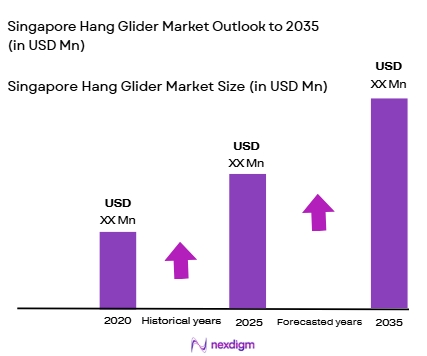
The Singapore hang glider market is valued at approximately USD ~million in 2024. This market is primarily driven by a rising interest in adventure sports and tourism, where hang gliding offers unique and exhilarating experiences. The country’s favorable climate, with stable wind conditions and a diverse landscape including coastal and urban areas, provides the ideal environment for hang gliding activities. Additionally, the increasing popularity of eco-tourism and recreational activities plays a key role in boosting the market. The continued development of infrastructure aimed at supporting adventure tourism is expected to further propel this market.
Singapore’s hang glider market is primarily concentrated in the capital, Singapore City, where the combination of an urban landscape and proximity to coastal areas offers an attractive destination for tourists and enthusiasts alike. The city’s commitment to promoting outdoor sports and adventure tourism also positions it as the key hub in the region. As a well-established international tourism destination, Singapore benefits from a steady influx of foreign visitors, making it a central player in the hang glider market. The nation’s advanced infrastructure and regulatory frameworks make it an ideal location for the growth of such niche outdoor activities.|
Market Segmentation
By Product Type:
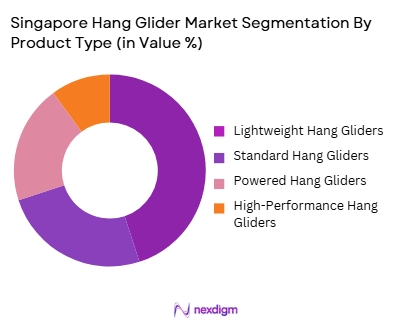
The Singapore hang glider market is segmented by product type into lightweight hang gliders, standard hang gliders, powered hang gliders, and high-performance hang gliders. Among these, lightweight hang gliders dominate the market due to their portability, ease of use, and suitability for recreational flying. Lightweight models are preferred by both beginners and seasoned enthusiasts for their versatility and convenience. The popularity of these gliders is driven by the increasing number of tourists and locals seeking a simple yet thrilling flying experience. Furthermore, the lightweight design enables easy transportation to various scenic locations for recreational purposes.
By End User:
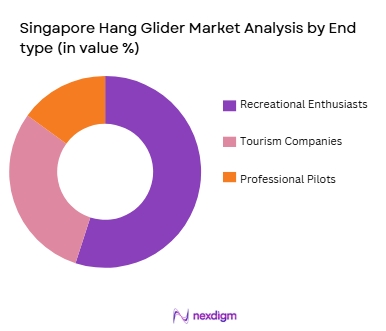
In the Singapore hang glider market, the primary end users are recreational enthusiasts, tourism companies, and professional pilots. The recreational segment dominates the market due to the increasing interest in hang gliding as a leisure activity. More individuals are choosing hang gliding as a form of adventure tourism, drawn by the thrill of flying in Singapore’s scenic landscapes. Tourism companies also play a key role by offering hang gliding experiences as part of adventure packages for tourists. Although the professional pilot segment is smaller, it is significant for high-performance gliders and training purposes.
Competitive Landscape
The Singapore hang glider market is highly competitive with several key players contributing to the industry. The market is influenced by both local manufacturers and international brands. Leading global companies like Wills Wing, Airwave, and Ozone dominate the market with a strong presence, offering high-quality gliders and related accessories. Local distributors, such as Fly Singapore and Air Design, also play a significant role by providing tailored products and services for the Singaporean market. The market is characterized by a competitive landscape of product innovation, safety standards, and high customer demand.
| Company | Established Year | Headquarters | Revenue (2024) | Product Portfolio | Key Technologies | Global Reach |
| Wills Wing | 1973 | USA | ~ | ~ | ~ | ~ |
| Airwave | 1982 | USA | ~ | ~ | ~ | ~ |
| Ozone | 1999 | UK | ~ | ~ | ~ | ~ |
| Fly Singapore | 2010 | Singapore | ~ | ~ | ~ | ~ |
| Air Design | 2000 | Singapore | ~ | ~ | ~ | ~ |
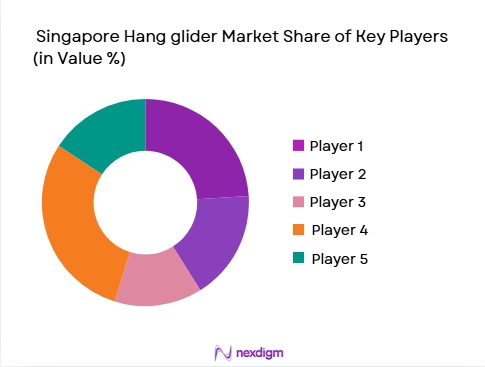
Singapore Hang Glider Market Analysis
Growth Drivers
Expansion of Adventure Tourism and Experiential Leisure
Singapore’s tourism strategy emphasizes unique, high‑value experiences, and adventure sports are increasingly part of that mix. Hang gliding can be marketed as an exciting aerial experience that complements other outdoor and leisure offerings. As regional travel rebounds and international visitors seek memorable, Instagram‑worthy activities, curated hang gliding experiences — especially tandem flights — can attract thrill‑seekers. Local residents with rising disposable incomes are also more willing to spend on experiential leisure activities. The government’s broader focus on lifestyle tourism and diversified attractions supports increased interest and participation through 2035.
Technological Advancements and Safety Improvements
Advances in hang glider design, materials technology, and safety systems are making the sport more accessible and reliable. Lightweight composites, enhanced harness systems, and integrated safety gear improve performance and reduce the learning curve for beginners. Modern training tools such as simulators and digital weather‑forecasting platforms help reduce risks and improve pilot confidence. Singapore’s safety‑centric culture and regulatory environment can encourage adoption as operators demonstrate high standards of safety and professionalism. These technological enhancements, combined with growing interest in outdoor activities, will drive participation among both tourists and locals.
Market Challenges
High Costs and Limited Local Infrastructure
Hang gliding requires specialized equipment, certified instructors, and safe flying sites — all of which involve significant upfront investment. Quality hang gliders, safety gear, and ongoing training expenses can deter price‑sensitive consumers. Singapore’s urban environment and limited open space also mean suitable hang gliding locations are few, potentially requiring partnerships with regional sites in neighboring countries. Without local infrastructure or dedicated clubs, scaling services and reducing costs will be challenging. These factors could inhibit year‑round participation and limit the market primarily to affluent tourists and dedicated enthusiasts.
Regulatory, Safety, and Weather Constraints
Hang gliding is subject to strict aviation safety regulations and requires approvals from multiple authorities. Singapore’s tightly controlled airspace and stringent safety expectations may slow permits for recreational aerial sports. Additionally, hang gliding is weather‑dependent: unfavorable winds or rain reduce viable flying days, limiting consistent operations. Operators must invest in extensive training, insurance, and compliance documentation to satisfy safety standards. These regulatory and environmental constraints could hinder quick expansion of the sport locally, constraining participation growth despite rising interest.
Opportunities
Tourism Partnerships and Integrated Adventure Packages
There’s strong potential to integrate hang gliding into Eastern and Southeast Asian adventure tourism circuits. Operators in Singapore can collaborate with travel agencies, hotels, and tour providers to create bundled packages that combine aerial experiences with other attractions. Seasonal events and adventure festivals can feature hang gliding demonstrations or introductory sessions, boosting awareness. Offering tandem flights or short training modules as part of broader travel experiences (e.g., coastal scenic tours) can attract international visitors who want a taste of the sport without long certification processes. Strategic marketing could position Singapore as a regional hub for aerial adventure.
Development of Training Schools and Youth Engagement
Establishing certified hang gliding training schools in partnership with sports associations can nurture local talent and build a community of enthusiasts. Youth engagement programs through schools and outdoor clubs can introduce the sport in safe, structured ways, fostering long‑term interest. Singapore’s emphasis on sports and healthy lifestyles provides a favorable environment for expanding adventure sports education. Training centers could also offer simulator‑based learning and certification pathways, reducing barriers to entry. Over time, this grassroots development can lead to a stronger domestic base of pilots, instructors, and operators, supporting sustainable market growth.
Future Outlook
Over the next ~years, the Singapore hang glider market is expected to experience steady growth. The country’s continued investment in infrastructure for adventure sports, the increasing demand for eco-tourism, and the growing number of tourists seeking unique and thrilling experiences will drive this market forward. Furthermore, the development of safer, more efficient gliders, combined with the promotion of sustainable tourism, will play an essential role in market expansion. The rising popularity of recreational flying, combined with new tourism packages, will help fuel demand for hang gliders in the region.
Major Players
- Wills Wing
- Airwave
- Ozone
- Fly Singapore
- Air Design
- Skyman
- Gin Gliders
- Morningside Hang Gliders
- Cloud Base
- Nova Gliders
- Axis Hang Gliders
- Paramania
- Ozone Gliders
- Axis Hang Gliders
- AirDesign
Key Target Audience
- Adventure tourism companies
- Hang gliding enthusiasts and recreational clubs
- Tourists seeking eco-friendly adventure experiences
- Government and regulatory bodies (Civil Aviation Authority of Singapore)
- Aviation and aerospace manufacturers
- Investment and venture capital firms
- Professional pilots and trainers
- Extreme sports and outdoor event organizers
Research Methodology
Step 1: Identification of Key Variables
The initial step involves identifying key factors that influence the Singapore hang glider market, including tourism trends, weather conditions, and consumer behavior. Desk research is conducted to define the critical variables affecting market growth.
Step 2: Market Analysis and Construction
In this phase, historical data is compiled and analyzed to understand the trends influencing the market. This involves examining the growth of adventure tourism, increasing interest in recreational flying, and the impact of infrastructure development on hang glider demand.
Step 3: Hypothesis Validation and Expert Consultation
Market hypotheses are tested by consulting industry experts, including glider manufacturers, distributors, and tourism operators. These consultations help refine the market model and validate the assumptions used in the analysis.
Step 4: Research Synthesis and Final Output
The final phase involves synthesizing all collected data into a cohesive report. Insights gained from consultations and secondary data sources are used to provide a comprehensive market overview, ensuring accurate forecasts and actionable insights for stakeholders.

- Executive Summary
- Research Methodology (Definitions, Scope, Industry Assumptions, Market Sizing Approach, Primary & Secondary Research Framework, Data Collection & Verification Protocol, Analytic Models & Forecast Methodology, Limitations & Research Validity Checks)

- Market Definition and Scope
- Value Chain & Stakeholder Ecosystem
- Regulatory / Certification Landscape
- Sector Dynamics Affecting Demand
- Strategic Initiatives & Infrastructure Growth

- Growth Drivers
Rising popularity of adventure tourism in Singapore
Favorable weather conditions for year-round hang gliding
Increased interest in extreme sports among the youth population - Market Challenges
High initial investment and maintenance costs
Safety concerns and the need for proper training
Limited accessibility to suitable flying locations in urban areas - Market Opportunities
Expansion of adventure tourism packages
Introduction of eco-friendly hang gliders
Growing demand for tandem hang gliding experiences - Trends
Adoption of lightweight, portable gliders for recreational use
Integration of GPS and other smart technologies into hang gliders
Increasing collaboration between hang glider manufacturers and tourism operators - Government regulations
Strict aviation safety and certification standards by the Civil Aviation Authority of Singapore
Development of specific zones for recreational flying
Tourism-related regulatory measures to support adventure sports - SWOT analysis
- Porters 5 forces

- By Market Value,2020-2025
- By Installed Units,2020-2025
- By Average System Price,2020-2025
- By System Complexity Tier,2020-2025

- By System Type (In Value%)
Lightweight Hang Gliders
Standard Hang Gliders
Powered Hang Gliders
High-Performance Hang Gliders
Training Hang Gliders - By Platform Type (In Value%)
Recreational Hang Gliders
Tourism Hang Gliders
Professional Hang Gliders
Competitor Hang Gliders
Tandem Hang Gliders - By Fitment Type (In Value%)
Standard Fitment
Custom Fitment
Convertible Fitment
Lightweight Fitment
Advanced Fitment - By EndUser Segment (In Value%)
Recreational Enthusiasts
Tourism Companies
Professional Pilots
Hang Gliding Schools
Adventurous Tourists - By Procurement Channel (In Value%)
Direct Sales from Manufacturers
Online Retail
Retail Stores
Specialized Dealers
Tourism Partnerships

- Cross Comparison Parameters (Product Quality, Pricing Strategy, Distribution Network, Brand Loyalty, Innovation in Design,)
- SWOT Analysis of Key Competitors
- Pricing & Procurement Analysis
- Key Players
Airwave
Wills Wing
Ozone
Fly Singapore
Paramania
Skyman
Morningside Hang Gliders
Gin Gliders
Nova Gliders
Cloud Base
Axis Hang Gliders
Ozone Gliders
Acro Paragliders
FlyQatar
Air Design

- High demand for recreational hang gliders among locals
- Tourism companies increasingly offering hang gliding as part of adventure tourism
- Demand for professional hang gliders driven by training schools and pilots
- Tourists seeking unique, eco-friendly adventure experiences

- Forecast Market Value,2026-2035
- Forecast Installed Units,2026-2035
- Price Forecast by System Tier,2026-2035
- Future Demand by Platform,2026-2035


 Request a Sample
 Ask for Customization
 Get a Quote
 Enquire Now