

 Download PDF
Market Overview
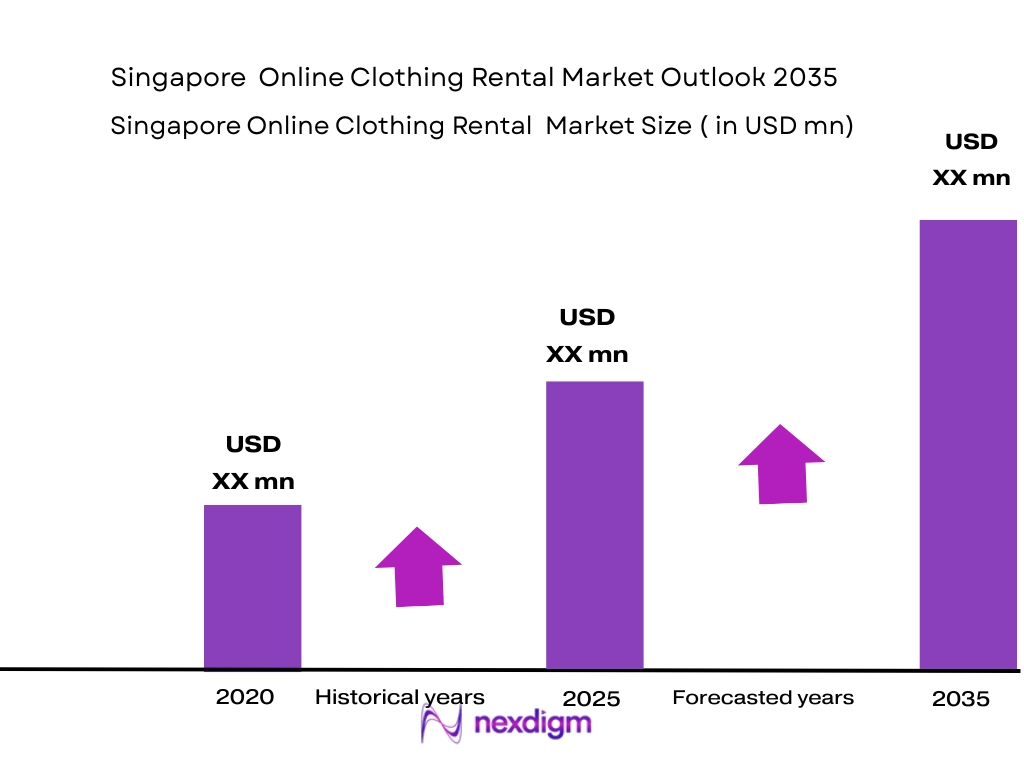
The Singapore Online Clothing Rental Market is valued at USD ~ million, based on historical market estimates and Asia‑Pacific online rental adoption trends (data extrapolated from regional insights). The broader Asia‑Pacific online clothing rental ecosystem was valued at approximately USD 2.62 billion regionally, with Singapore contributing a significant share due to high urban disposable incomes and fashion‑oriented consumer behavior. This market growth is driven by rising digital shopping habits, eco‑conscious consumer preferences, and demand for occasion‑specific attire without ownership cost. Consumer adoption is further encouraged by convenience through mobile applications and digital payment solutions.
Singapore’s position as a regional fashion and digital commerce hub supports market leadership within Southeast Asia. Cities like Singapore City dominate due to high e‑commerce penetration, affluent consumer segments, and strong logistical infrastructure that enable rapid delivery and returns. Proximate countries such as Malaysia and Indonesia also influence demand patterns through cross‑border e‑commerce activities and cultural event attire rentals. Singapore’s retail ecosystem supports premium, tech‑enabled rental platforms while attracting international fashion rental services testing Southeast Asian expansion strategies.
Market Segmentation
By Rental Model
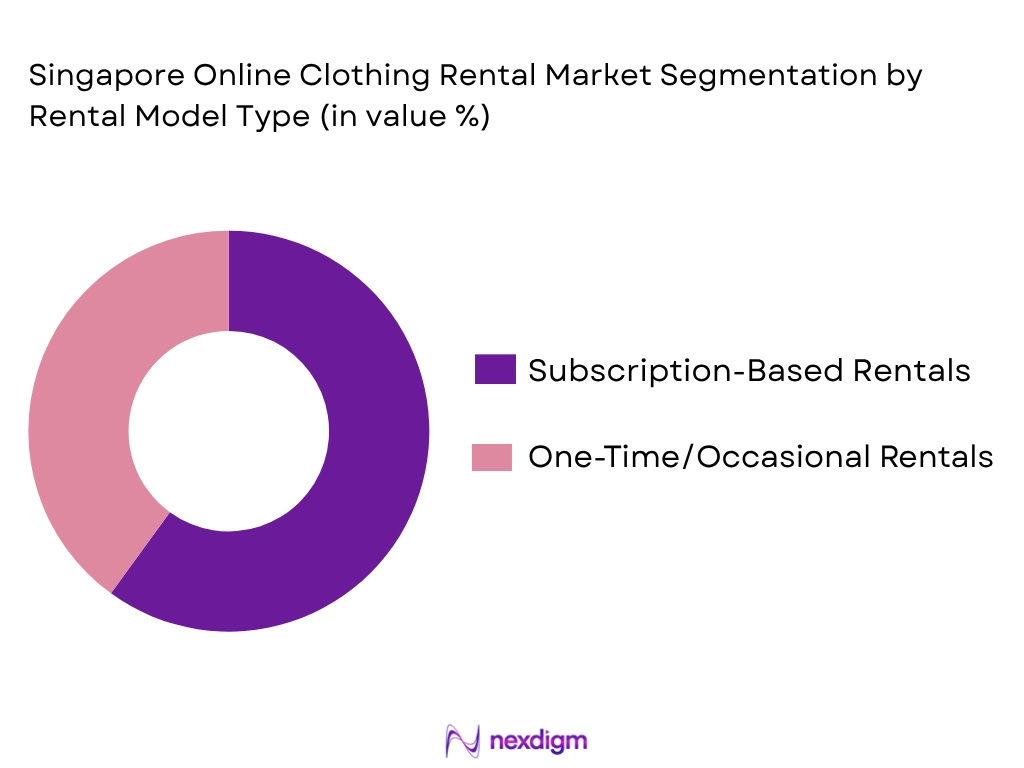
Singapore Online Clothing Rental Market is segmented into subscription ‑based rentals and one‑time or occasional rentals. Subscription‑based rentals dominate the market because they offer predictable monthly wardrobe access and convenience without ownership costs. Consumers, particularly urban professionals and trend‑driven fashion users, prefer subscription plans that provide rotating wardrobe options and curated selections. Subscription services reduce the friction of repeated order placements and often include perks such as free delivery, flexible exchanges, and customer styling recommendations. This model enhances repeat usage and fosters loyalty to rental platforms, leading to higher lifetime value.
By End User
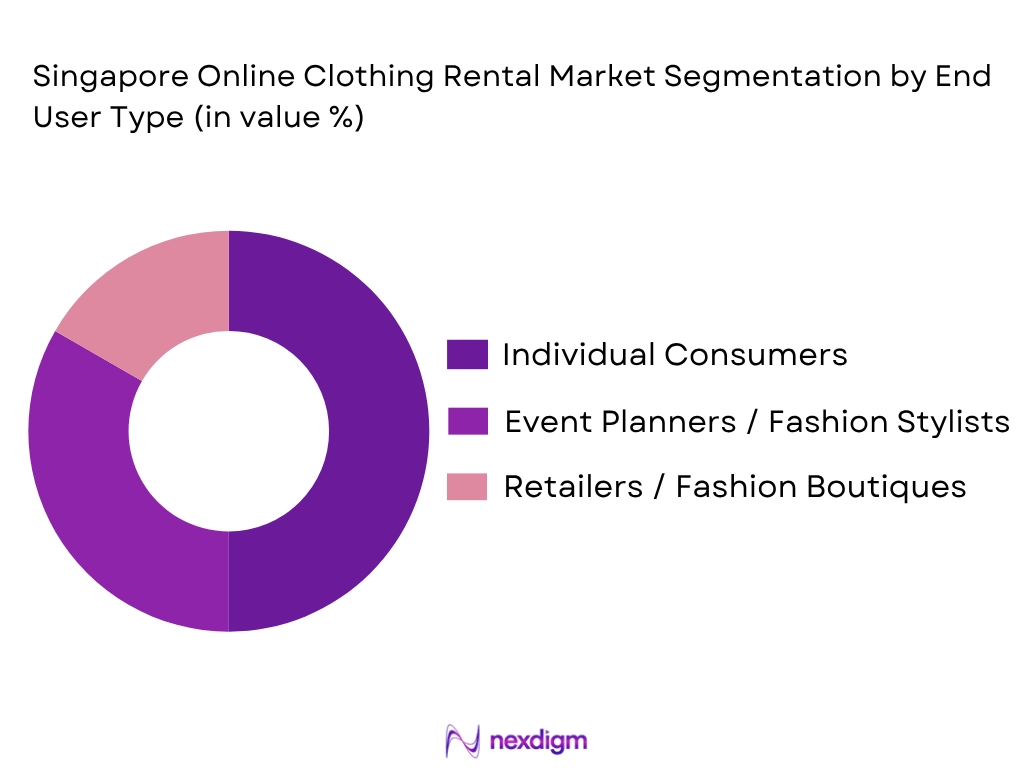
Singapore Online Clothing Rental Market is segmented by women, men, and children. The women’s segment dominates the market share due to stronger fashion participation and higher frequency of wardrobe refresh needs among female consumers. Women are often more inclined to experiment with different styles and seek variety for social occasions, work environments, and lifestyle events. As a result, rental platforms tailor extensive offerings for women’s apparel, including dresses, suits, accessories, and premium fashion labels, attracting consistent engagement and repeat rentals.
Competitive Landscape
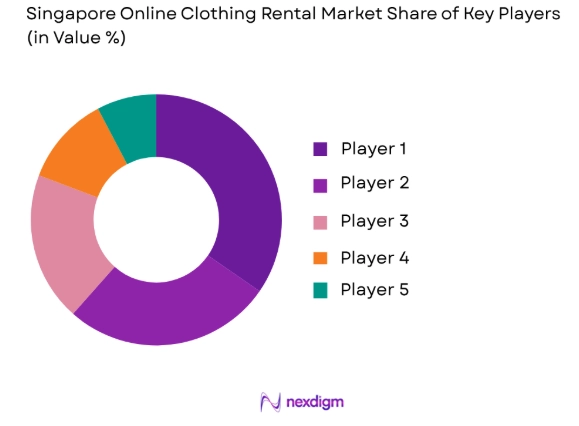
The Singapore Online Clothing Rental Market features a mix of local startups and international fashion rental platforms. Competition is defined by differentiated inventory selection, subscription flexibility, delivery efficiency, and personalized styling services. Established players emphasize seamless mobile experiences, curated collections, sustainability positioning, and cross‑border fashion access to appeal to tech‑savvy urban consumers.Key players demonstrate the influence of subscription models, one‑time rental services, and peer‑to‑peer engagement, shaping competitive intensity within Singapore and broader Southeast Asia. Local platforms often leverage strong cultural alignment and logistics partnerships, while international entrants bring scale, designer collaborations, and technology innovations.
| Company | Est. Year | Headquarters | Business Model | Inventory Size | Delivery Coverage | Target Segment | Unique Value Proposition |
| StyleTheory | 2016 | Singapore | ~ | ~ | ~ | ~ | ~ |
| Rent the Runway | 2009 | USA | ~ | ~ | ~ | ~ | ~ |
| HURR Collective | 2016 | UK | ~ | ~ | ~ | ~ | ~ |
| By Rotation | 2018 | UK | ~ | ~ | ~ | ~ | ~ |
| GlamCorner | 2012 | Australia | ~ | ~ | ~ | ~ | ~ |
Singapore Online Clothing Rental Market Analysis
Growth Drivers
Rising Interest in Sustainable Fashion
The Singapore online clothing rental market is fueled by growing awareness of sustainable fashion and eco-conscious consumption. Consumers increasingly prefer renting garments rather than purchasing new items to minimize environmental impact and reduce waste. This trend is especially prevalent among urban professionals and millennials who participate in social events, work functions, and cultural occasions that require varied outfits. Rental platforms offer curated, high-quality clothing with limited environmental footprint, making access-based fashion a compelling alternative. Collaborations with sustainable designers and marketing campaigns emphasizing eco-friendly initiatives further strengthen adoption. As a result, sustainability considerations drive repeated engagement, encourage long-term platform loyalty, and attract environmentally conscious consumers across Singapore’s urban centers.
Increasing Smartphone and Internet Penetration
Smartphone adoption and high internet penetration in Singapore have significantly accelerated online clothing rental uptake. Consumers can effortlessly browse collections, check availability, and complete transactions through mobile apps and e-commerce platforms. Digital platforms integrate features such as push notifications, real-time stock updates, and personalized recommendations, enhancing user engagement and convenience. Social media channels amplify awareness, with influencers showcasing rental outfits, further boosting adoption. The ease of mobile payments, flexible delivery options, and on-demand service encourages frequent rentals among tech-savvy consumers. This seamless digital experience lowers barriers to adoption, supports subscription-based models, and allows rental platforms to scale their customer base efficiently while offering value-added services that increase retention and brand loyalty.
Market Challenges
Consumer Concerns About Hygiene and Quality
A primary challenge in Singapore’s online clothing rental market is consumer hesitation regarding garment hygiene and quality. Since clothing is reused among multiple users, potential customers worry about cleanliness, odor, fabric integrity, sizing accuracy, and the possibility of wear and tear. Even with professional cleaning protocols, the lack of direct visibility into these processes can create mistrust. Platforms must implement rigorous sanitation standards, provide detailed product condition descriptions, and offer customer reviews to build confidence. Failure to address hygiene concerns may result in lower first-time adoption, high return rates, and limited repeat engagement. Overcoming these challenges is crucial for sustaining growth and establishing long-term credibility in the market.
Limited Awareness of Online Clothing Rental Services
Despite growing interest, limited awareness remains a significant barrier to market growth in Singapore. Many consumers are unfamiliar with how rental platforms operate, including subscription plans, one-time rentals, delivery and return procedures, and payment processes. Misconceptions may also persist that rentals are only for luxury or special occasion wear, discouraging broader adoption. Educational campaigns, influencer marketing, and social media promotion are essential to highlight the convenience, affordability, and variety offered by rental services. Raising awareness helps expand the customer base beyond early adopters, encouraging trial among mainstream consumers and facilitating long-term market penetration in urban and semi-urban areas.
Opportunities
Expansion of Eco-Friendly and Sustainable Clothing Rentals
Singapore’s online clothing rental market presents a growing opportunity in eco-friendly and sustainable fashion offerings. Platforms can promote collections made from organic or recycled fabrics, biodegradable accessories, and low-impact production methods. Such initiatives attract environmentally conscious consumers who prioritize sustainability in purchasing decisions. By emphasizing eco-friendly credentials through marketing and social media campaigns, platforms differentiate themselves in a competitive landscape and encourage loyalty among urban, socially aware customers. Partnerships with sustainable designers and limited-edition collections also enhance exclusivity and appeal. Expanding eco-conscious offerings aligns with Singapore’s broader sustainability goals, provides a competitive edge, and reinforces the market’s long-term growth potential.
Integration of Virtual Try-On and AI-Based Fitting Technology
Technological innovation offers significant growth potential for Singapore’s online clothing rental market through virtual try-on and AI-driven fitting tools. Augmented reality solutions allow users to visualize outfits on themselves, reducing uncertainty about fit and style. AI algorithms provide personalized recommendations based on body measurements, past rentals, and style preferences, enhancing customer satisfaction and retention. These technologies lower return rates, improve consumer confidence, and promote subscription-based engagement. Integrating such solutions differentiates platforms from competitors, appeals to tech-savvy urban users, and facilitates adoption among consumers hesitant to try rental services. Ultimately, technology integration strengthens user experience, boosts operational efficiency, and drives sustainable market expansion.
Future Outlook
The Singapore Online Clothing Rental Market is expected to demonstrate continued expansion through 2035, propelled by evolving consumer preferences toward access‑based fashion over ownership, sustainability considerations, and seamless digital experiences. Increasing smartphone penetration, efficient logistics, and integration of AI for personalized styling will support market scalability. Platforms that invest in advanced fitting technologies, inventory diversification, and omnichannel engagement are likely to secure competitive advantage.Over the next decade, rental platforms will further integrate virtual try‑on capabilities, dynamic pricing models, and enhanced supply‑chain automation to improve customer confidence and reduce return friction. Expansion into corporate and B2B wardrobes, collaborations with local designers, and multi‑city delivery networks will expand reach beyond core urban users. Sustainable fashion initiatives and consumer demand for eco‑friendly choices will continue to boost rental adoption as circular fashion models gain mainstream traction.
Major Players
- StyleTheory
- Rent the Runway
- HURR Collective
- By Rotation
- GlamCorner
- Nuuly
- Le Tote
- Share Wardrobe
- Flyrobe
- WardrobeHub
- ChicHire
- LuxeLoops
- Peer‑to‑Peer Local Platforms
- Seasonal/Ocasion Wear Startups
Key Target Audience
- Investments and venture capitalist firms
- Fashion and lifestyle retailers
- E‑commerce and logistics partners
- Mobile payment and fintech platforms
- Fashion brand licensing partners
- Apparel technology providers
- Government and regulatory bodies
- Event management and corporate wardrobe services
Research Methodology
Step 1: Identification of Key Variables
The initial phase involves mapping the Singapore online clothing rental ecosystem, identifying stakeholders such as rental platforms, logistics partners, fashion designers, and consumer segments. This phase leverages secondary research from industry reports and digital commerce benchmarks to establish key variables and market drivers.
Step 2: Market Analysis and Construction
This stage compiles and analyzes historical data on apparel rental adoption, digital purchase behaviors, and subscription growth. It includes assessment of market penetration, revenue generation and segmentation patterns, while integrating logistics and delivery efficiencies impacting overall service viability.
Step 3: Hypothesis Validation and Expert Consultation
Market hypotheses are validated through qualitative insights from industry practitioners and fashion platform founders. Expert consultations are conducted to refine understanding of operational challenges, consumer preferences, and technological adoption influencing market dynamics and competitive intensity.
Step 4: Research Synthesis and Final Output
This final phase synthesizes global online clothing rental research and Singapore‑specific data to produce a validated market outlook. Triangulation of secondary sources, trend analysis, and extrapolation from regional adoption ensures comprehensive and credible market insights.

- Executive Summary
- Research Methodology (Market Definitions and Assumptions, Abbreviations, Market Sizing Approach, Consolidated Research Approach, Understanding Market Potential Through In-Depth Industry Interviews, Primary Research Approach, Limitations and Future Conclusions)

- Definition and Scope
- Market Dynamics Overview
- Market Genesis and Evolution
- Key Players and Market Timeline
- Business Cycle and Trends
- Supply Chain and Value Chain Analysis

- Growth Drivers
Rising Interest in Sustainable Fashion
Increasing Smartphone and Internet Penetration
Growing Fashion-Conscious Middle Class
Affordability and Convenience Compared to Ownership
Influencer Marketing and Social Media Trends - Market Challenges
Consumer Concerns About Hygiene and Quality
Limited Awareness of Online Clothing Rental Services
Logistic and Delivery Constraints
High Return Rates and Inventory Management Issues
Trust and Payment Security Concerns - Opportunities
Expansion of Eco-Friendly and Sustainable Clothing Rentals
Integration of Virtual Try-On and AI-Based Fitting Technology
Growth in Event-Based and Occasion-Specific Rentals
Subscription Model Innovation and Loyalty Programs - Trends
Shift Toward Personalization and Custom-Fit Rentals
Rise of Mobile App-Based Rentals
Growth of Peer-to-Peer Clothing Rental Platforms
Influence of Social Media on Fashion Choices
Incorporation of Smart Clothing Technology - Government Regulations
Import and Export Regulations for Apparel
Health and Safety Standards for Clothing
Environmental Regulations (Sustainability and Recycling Policies)
E-commerce and Consumer Protection Laws
Taxation and Duties on Imported Garments - SWOT Analysis
- Porter’s Five Forces

- By Value, 2020–2025
- By Volume, 2020–2025
- By Average Rental Price, 2020–2025

- By Product Type (In Value %)
Women’s Apparel
Men’s Apparel
Children’s Apparel
Accessories (Bags, Jewelry, Scarves)
Footwear
Specialty/Designer Wear - By Rental Model (In Value %)
Subscription-Based Rentals
One-Time/Occasional Rentals - By Usage Type (In Value %)
Formal/Professional Events
Casual/Everyday Wear
Party and Special Occasion Wear - By End User (In Value %)
Individual Consumers
Event Planners / Fashion Stylists
Retailers / Fashion Boutiques - By Distribution Channel (In Value %)
Online Platforms / E-commerce Websites
Mobile Apps
Social Media-Based Rental Channels - By Price Tier (In Value %)
Economy / Entry-Level
Mid-Tier
Premium / Designer

- Market Share of Major Players by Value/Volume
- Market Share of Major Players by Product Type
- Market Share of Major Players by Rental Model
- Cross Comparison Parameters (Company Overview, Business Strategies, Recent Developments, Strengths, Weaknesses, Organizational Structure, Revenues, Revenues by Product Type, Distribution Channels, Dealer Networks, Production Capacity, Unique Value Offerings)
- SWOT Analysis of Major Players
- Pricing Analysis Based on Product Categories for Major Players
- Detailed Profiles of Major Companies
StyleTheory
Nuuly
HURR Collective
By Rotation
Rent A Dress
Elanic Services
Flyrobe
Gwynnie Bee
Share Wardrobe
Le Tote
ChicHire
WardrobeHub
LuxeLoops
Peer-to-Peer Fashion Rental Platforms
Local Singapore Startups

- Market Demand and Utilization
- Purchasing Power and Budget Allocations
- Regulatory and Compliance Requirements
- Needs, Desires, and Pain Point Analysis
- Decision-Making Process

- By Value, 2026–2035
- By Volume, 2026–2035
- By Average Rental Price, 2026–2035


 Request a Sample
 Ask for Customization
 Get a Quote
 Enquire Now