
 Download PDF
Market Overview
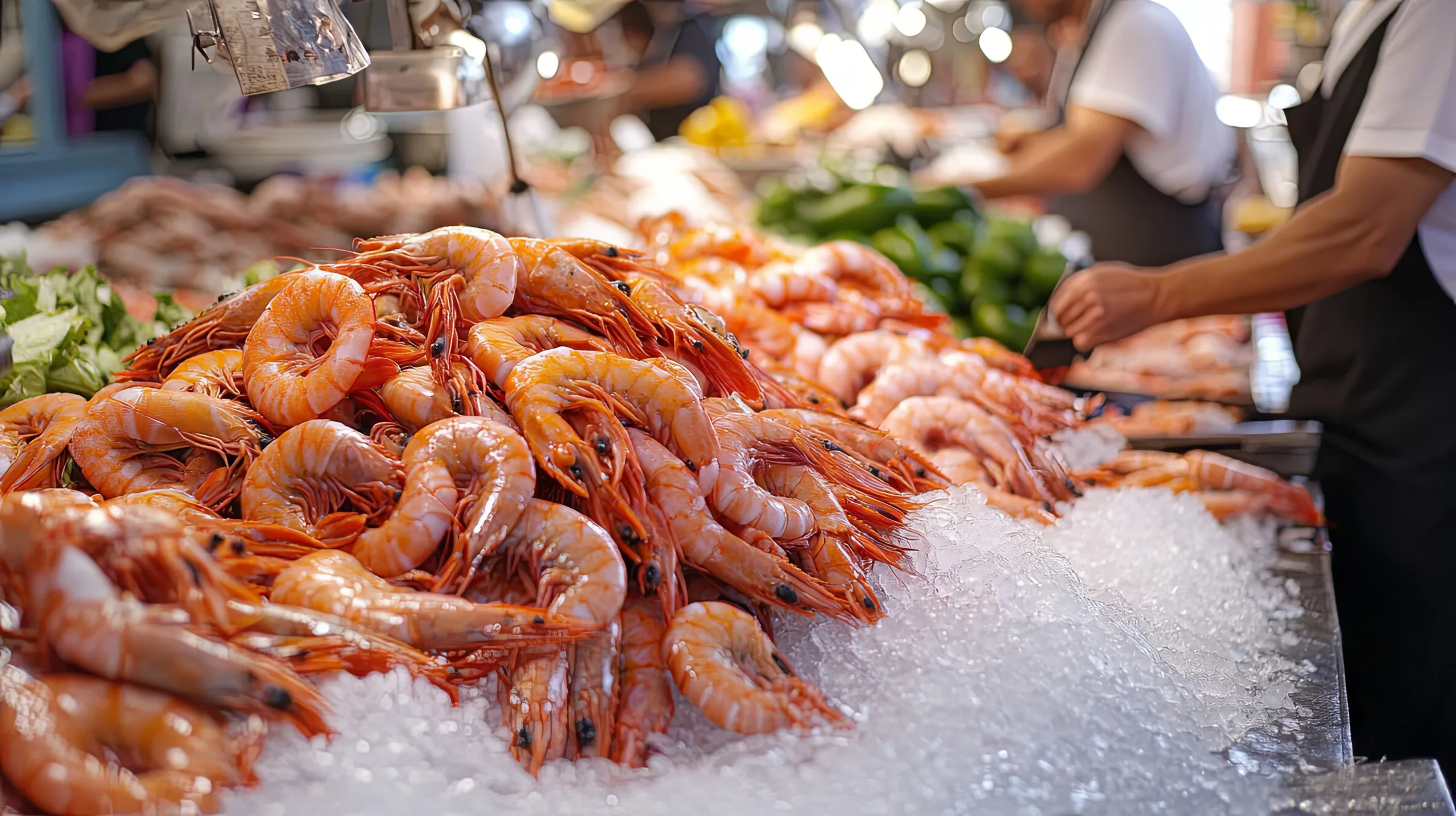
The Singapore Shrimp Market is valued at approximately USD ~ million, supported by strong seafood consumption patterns, rising demand for premium protein products, and the country’s dependence on imported seafood. Singapore imported more than 13 million kilograms of frozen shrimp and prawns along with over 7 thousand tonnes of fresh shrimp products, reflecting strong consumption across households, restaurants, hotels, and food processing channels. Advanced cold-chain infrastructure, efficient seafood distribution systems, and growing demand for sustainable and traceable shrimp products continue to strengthen market development.
Singapore remains the central consumption hub due to its highly urbanized population, strong purchasing power, developed retail infrastructure, and extensive hospitality ecosystem. Major shrimp-supplying countries including India, Vietnam, Indonesia, Thailand, Malaysia, and Ecuador dominate the supply landscape because of large-scale aquaculture production capabilities, established seafood export networks, and efficient logistics connectivity. Proximity benefits regional suppliers, while advanced farming practices and consistent production capacity allow international suppliers to fulfill Singapore’s demand for fresh, frozen, and processed shrimp products.
Market Segmentation
By Species Type
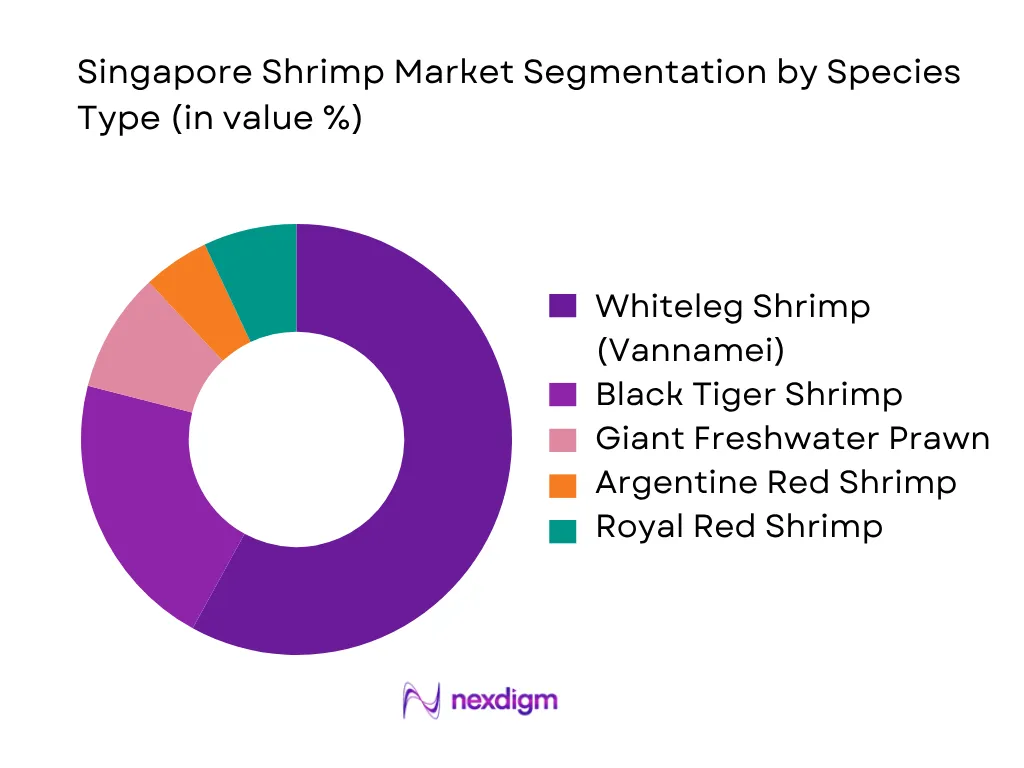
The Singapore Shrimp Market is segmented by species type into Whiteleg Shrimp (Vannamei), Black Tiger Shrimp, Giant Freshwater Prawn, Argentine Red Shrimp, Royal Red Shrimp, and Other Specialty Shrimp. Whiteleg Shrimp (Vannamei) dominates the Singapore Shrimp Market under species type segmentation due to its consistent availability, large-scale aquaculture production, and strong acceptance across foodservice and retail channels. The species provides uniform sizing, high meat yield, and versatility across multiple product formats such as frozen, peeled, cooked, and ready-to-cook shrimp. Importers prefer vannamei due to reliable global supply chains and compatibility with consumer preferences. Its ability to serve both premium dining establishments and household consumption has strengthened its leadership position in Singapore’s shrimp industry.
By Distribution Channel
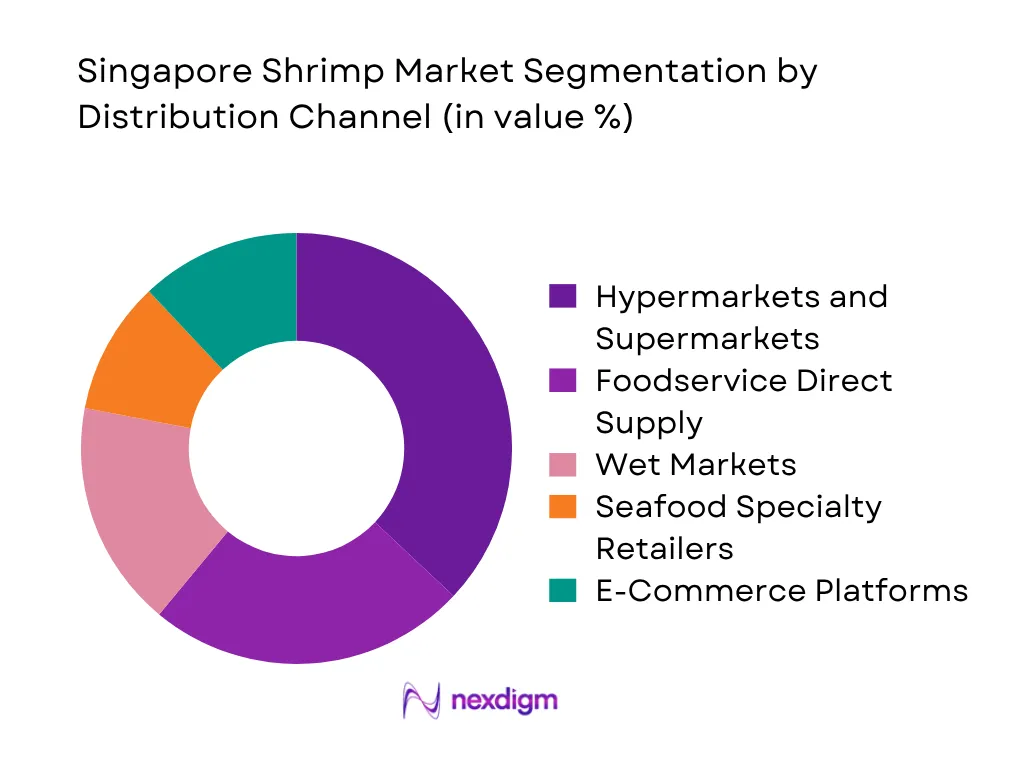
The Singapore Shrimp Market is segmented by distribution channel into Hypermarkets and Supermarkets, Foodservice Direct Supply, Wet Markets, Seafood Specialty Retailers, E-Commerce Platforms, and Wholesale Markets. Hypermarkets and supermarkets dominate the Singapore Shrimp Market under distribution channel segmentation due to strong cold-chain capabilities, wide seafood assortments, and consumer preference for convenient purchasing formats. Organized retailers provide multiple shrimp varieties, packaging options, and certified seafood products under strict quality standards. Their strong supplier relationships ensure stable availability of imported shrimp products. Increasing consumer preference for hygienic retail environments, premium seafood selections, and packaged frozen shrimp further strengthens the dominance of supermarkets and hypermarkets across Singapore.
Competitive Landscape
The Singapore Shrimp Market is moderately consolidated with companies competing through import capabilities, sourcing networks, processing infrastructure, cold-chain efficiency, and relationships with retail and foodservice channels. Market participants focus on expanding sustainable seafood offerings, strengthening supplier partnerships, improving traceability systems, and developing value-added shrimp products. Competition is increasingly influenced by quality assurance standards, product availability, and the ability to maintain consistent supply from global shrimp-producing regions.
| Company | Establishment Year | Headquarters | Species Portfolio | Processing Capacity | Cold Chain Infrastructure | Distribution Network | Foodservice Presence | Sustainability Focus |
| Oceanus Group | 2008 | Singapore | ~ | ~ | ~ | ~ | ~ | ~ |
| Blue Aqua International | 2011 | Singapore | ~ | ~ | ~ | ~ | ~ | ~ |
| Pan Ocean Singapore | 1973 | Singapore | ~ | ~ | ~ | ~ | ~ | ~ |
| Song Fish Dealer | 1988 | Singapore | ~ | ~ | ~ | ~ | ~ | ~ |
| Hai Sia Seafood | 1975 | Singapore | ~ | ~ | ~ | ~ | ~ | ~ |
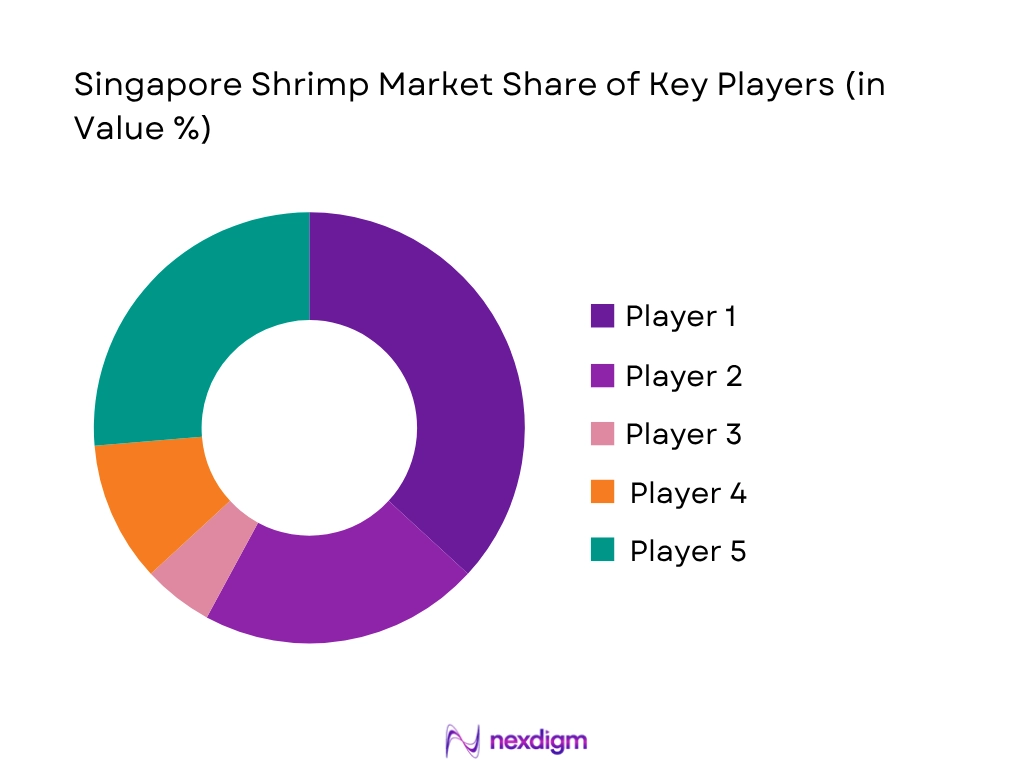
Singapore Shrimp Market Analysis
Growth Drivers
Rising Seafood Consumption and High Purchasing Power
Singapore’s shrimp industry is supported by strong purchasing power and established seafood consumption habits. The country recorded GDP of approximately USD 547 billion, while GDP per capita exceeded USD 90,000, reflecting strong consumer spending capability. With a population base of nearly 6 million people, demand for premium seafood products remains consistent across retail and foodservice channels. Rising preference for high-quality protein products, premium dining experiences, and imported seafood continues to support shrimp consumption among households, restaurants, and hospitality operators.
Expansion of Tourism and Hospitality Sector
The hospitality sector significantly supports shrimp demand through restaurants, hotels, catering companies, and premium dining outlets. Singapore continues to receive millions of international visitors annually, increasing demand for seafood-based cuisines and premium menu offerings. Economic expansion, supported by GDP growth of 4.4%, has contributed to higher foodservice activity. Increasing restaurant operations, tourism recovery, and premium hospitality services continue to strengthen shrimp procurement volumes among seafood suppliers serving commercial buyers.
Market Challenges
Heavy Import Dependence and Supply Chain Vulnerability
Singapore’s shrimp supply chain remains dependent on overseas production due to limited domestic aquaculture capacity. Around 90% of seafood consumption is fulfilled through imports, creating exposure to external disruptions including logistics issues, production shortages, and disease outbreaks in exporting countries. Since shrimp supplies originate from multiple international producers, maintaining consistent availability requires strong supplier diversification. Import dependence creates challenges for distributors managing inventory stability and long-term procurement strategies.
Declining Local Seafood Production Capacity
Limited domestic seafood production creates challenges for Singapore’s shrimp supply resilience. Local seafood production contributes nearly 6.1% of food consumption, declining from earlier levels due to land constraints, operational limitations, and high production requirements. Restricted aquaculture capacity limits domestic shrimp production opportunities and increases reliance on imported products. As seafood demand rises from households and commercial buyers, strengthening local production capabilities remains an important industry challenge.
Market Opportunities
Growing Sustainable Aquaculture Ecosystem
The expansion of global aquaculture creates opportunities for Singapore’s shrimp supply ecosystem. Global aquaculture production reached approximately 130.9 million tonnes, improving availability of farmed seafood products including shrimp. Rising emphasis on sustainable sourcing, traceability, and responsible seafood production is encouraging importers and retailers to prioritize certified products. Demand from environmentally conscious consumers and premium foodservice operators creates opportunities for sustainable shrimp suppliers and advanced aquaculture practices.
Food Security Initiatives Supporting Aquaculture Investments
Singapore’s focus on improving food resilience creates opportunities for advanced aquaculture technologies and seafood innovation. With national economic output exceeding USD 547 billion, the country has strong investment capacity to support high-efficiency food production systems. Development of recirculating aquaculture systems, technology-driven farming methods, and sustainable seafood production models provides opportunities for businesses involved in shrimp farming innovation and supply chain improvement.
Future Outlook
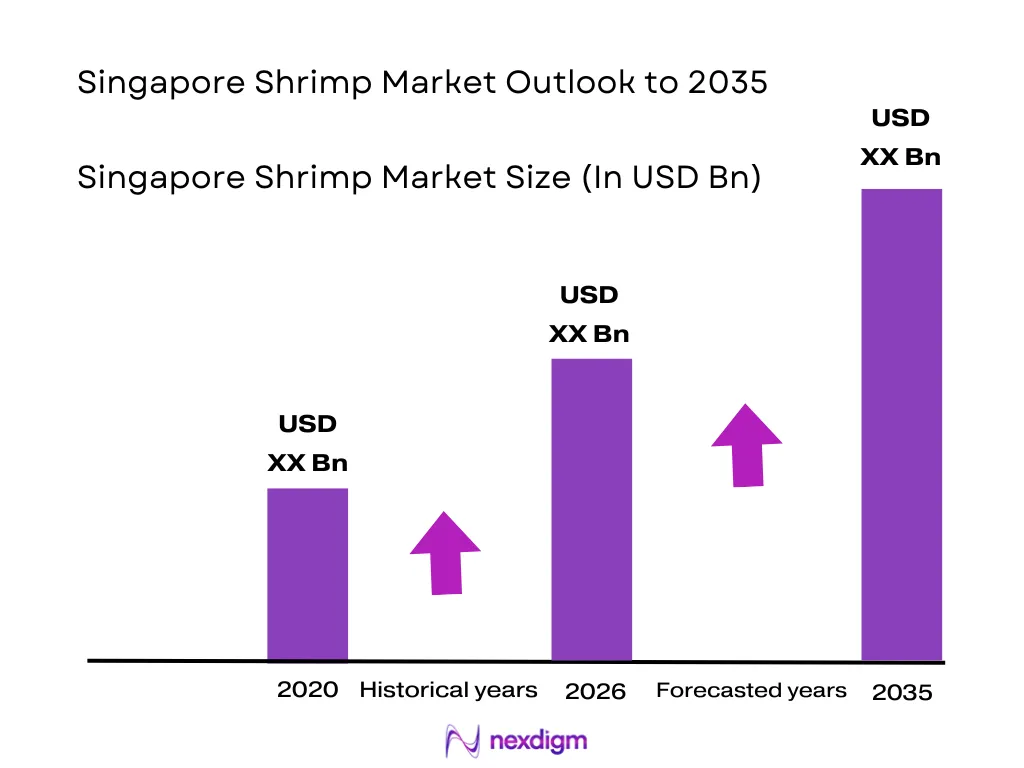
The Singapore Shrimp Market is expected to expand steadily due to increasing seafood consumption, premiumization trends, and rising preference for sustainable seafood products. Growth in modern retail, tourism, and foodservice channels will continue supporting shrimp demand. Companies are expected to focus on supplier diversification, advanced cold-chain systems, and traceable seafood sourcing. Development of value-added shrimp products and technology-based aquaculture solutions will further strengthen industry opportunities over the coming years.
Major Players
- Pan Ocean Singapore
- Atlantic Fish Pte Ltd
- Pacific Andes
- The Fish Farmer
- Qian Hu Corporation
- Oceanus Group
- Blue Aqua International
- Hai Sia Seafood
- Thong Siek Food Industry
- Song Fish Dealer
- Seachill Pte Ltd
- Expalsa
- Devi Seafoods
- Nekkanti Sea Foods
- Apex Frozen Foods
Key Target Audience
- Shrimp Importers and Distributors
- Seafood Processing Companies
- Foodservice and Restaurant Chains
- Hotel Procurement Departments
- Seafood Retail Chains and Supermarkets
- Cold Chain and Logistics Providers
- Investments and Venture Capitalist Firms
- Government and Regulatory Bodies
Research Methodology
Step 1: Identification of Key Variables
The initial stage involved identifying critical variables influencing the Singapore Shrimp Market, including seafood consumption, import dependency, species preference, distribution structure, and sustainability adoption. Extensive secondary research was conducted using trade databases, industry information, and government publications to understand the complete shrimp ecosystem.
Step 2: Market Analysis and Construction
Historical analysis was conducted using shrimp import patterns, seafood consumption trends, aquaculture development, and distribution channel performance. Market assessment was developed through bottom-up calculations supported by consumption mapping, supply chain evaluation, and end-user demand analysis.
Step 3: Hypothesis Validation and Expert Consultation
Initial market findings were validated through discussions with seafood importers, distributors, aquaculture stakeholders, and procurement professionals. These interactions helped analyze purchasing behavior, supply dynamics, species preferences, and emerging growth opportunities within the shrimp industry.
Step 4: Research Synthesis and Final Output
The final stage involved combining primary and secondary insights to generate a comprehensive market assessment. Data validation was performed through trade statistics, company information, and industry analysis to ensure reliable segmentation, competitive assessment, and future projections.

- Executive Summary
- Research Methodology (Market Definitions and Assumptions, Abbreviations, Research Framework, Bottom-Up Market Estimation, Top-Down Validation, Seafood Consumption Mapping, Import-Export Trade Flow Assessment, Cold Chain Infrastructure Analysis, Primary Interviews with Importers and Distributors, Forecasting Model, Limitations and Assumptions)

- Definition and Scope
- Evolution of Shrimp Consumption in Singapore
- Singapore Seafood Industry Ecosystem and Stakeholder Mapping
- Supply Chain and Value Chain Analysis
- Shrimp Import and Trade Flow Landscape

- Growth Drivers
Rising Seafood Consumption and High Purchasing Power
Expansion of Tourism and Hospitality Sector
Growth in Frozen Seafood Consumption
Increasing Preference for Sustainable Seafood Products
Expansion of Modern Retail Infrastructure - Market Challenges
Heavy Import Dependence and Supply Chain Vulnerability
Declining Local Seafood Production Capacity
Disease Outbreak Risks in Supplier Countries
Cold Chain Cost Escalation
Global Trade and Logistics Disruptions - Market Opportunities
Growing Sustainable Aquaculture Ecosystem
Food Security Initiatives Supporting Aquaculture Investments
Expansion of Premium Certified Shrimp Products
Growth of Value-Added Shrimp Processing
Digital Seafood Procurement Platforms - Market Trends
Expansion of Traceable Seafood Programs
Growth of Sustainable Seafood Certifications
Premium Frozen Seafood Demand
Rise of Ready-to-Cook Shrimp Products
Increasing Adoption of E-Commerce Seafood Platforms - Government Regulations
Seafood Import Regulations
Food Safety and Traceability Standards
Aquaculture Licensing Framework
Seafood Inspection and Quality Compliance
Sustainability and Certification Requirements - Porter’s Five Forces Analysis
- PESTLE Analysis
- Pricing Analysis
- Competition Ecosystem

- By Value, 2020-2025
- By Volume, 2020-2025
- By Average Import Price, 2020-2025

- By Species Type (in Value %)
Whiteleg Shrimp (Vannamei)
Black Tiger Shrimp
Giant Freshwater Prawn
Argentine Red Shrimp
Royal Red Shrimp
Other Specialty Shrimp - By Product Form (in Value %)
Fresh Whole Shrimp
Frozen Whole Shrimp
Headless Shell-On Shrimp
Peeled Shrimp
Cooked & Peeled Shrimp
Breaded Shrimp
Ready-to-Cook Shrimp
Ready-to-Eat Shrimp - By Distribution Channel (in Value %)
Hypermarkets and Supermarkets
Wet Markets
Seafood Specialty Retailers
E-Commerce Platforms
Wholesale Seafood Markets
Direct B2B Supply - By End User (in Value %)
Households
Restaurants
Hotels
Food Processing Companies
Institutional Buyers - By Source (in Value %)
Farmed Shrimp
Wild-Caught Shrimp - By Import Origin (in Value %)
India
Vietnam
Indonesia
Thailand
Malaysia
Ecuador
China
Other Origins - By Certification Type (in Value %)
ASC Certified
BAP Certified
Organic Certified
MSC Certified
Conventional Non-Certified - By Geography (in Value %)
Central Region
East Region
North Region
North-East Region
West Region

- Market Share Analysis of Major Players on the Basis of Revenue and Volume
- Cross Comparison Parameters (Company Overview, Species Portfolio, Shrimp Processing Capacity, Cold Storage Capacity, Import Network Strength, Foodservice Reach, Sustainability Certifications, Traceability Systems, Distribution Reach, Product Form Portfolio, Procurement Strategy, Value-Added Product Presence, Logistics Infrastructure, Pricing Positioning, Strategic Partnerships, Operational Footprint)
- Competitive Benchmarking Matrix
- SWOT Analysis of Major Players
- Pricing Analysis by Species and Product Form
- Detailed Profiles of Major Companies
Pan Ocean Singapore
Atlantic Fish Pte Ltd
Pacific Andes
The Fish Farmer
Qian Hu Corporation
Oceanus Group
Blue Aqua International
Hai Sia Seafood
Thong Siek Food Industry
Song Fish Dealer
Seachill Pte Ltd
Expalsa
Devi Seafoods
Nekkanti Sea Foods
Apex Frozen Foods

- Consumption Frequency Analysis
- Seafood Spending and Basket Analysis
- Species Preference Assessment
- Fresh vs Frozen Consumption Analysis
- Purchase Decision Parameters
- Foodservice Procurement Behavior Analysis

- By Value, 2026-2035
- By Volume, 2026-2035
- By Average Import Price, 2026-2035


 Request a Sample
 Ask for Customization
 Get a Quote
 Enquire Now