

 Download PDF
Market Overview
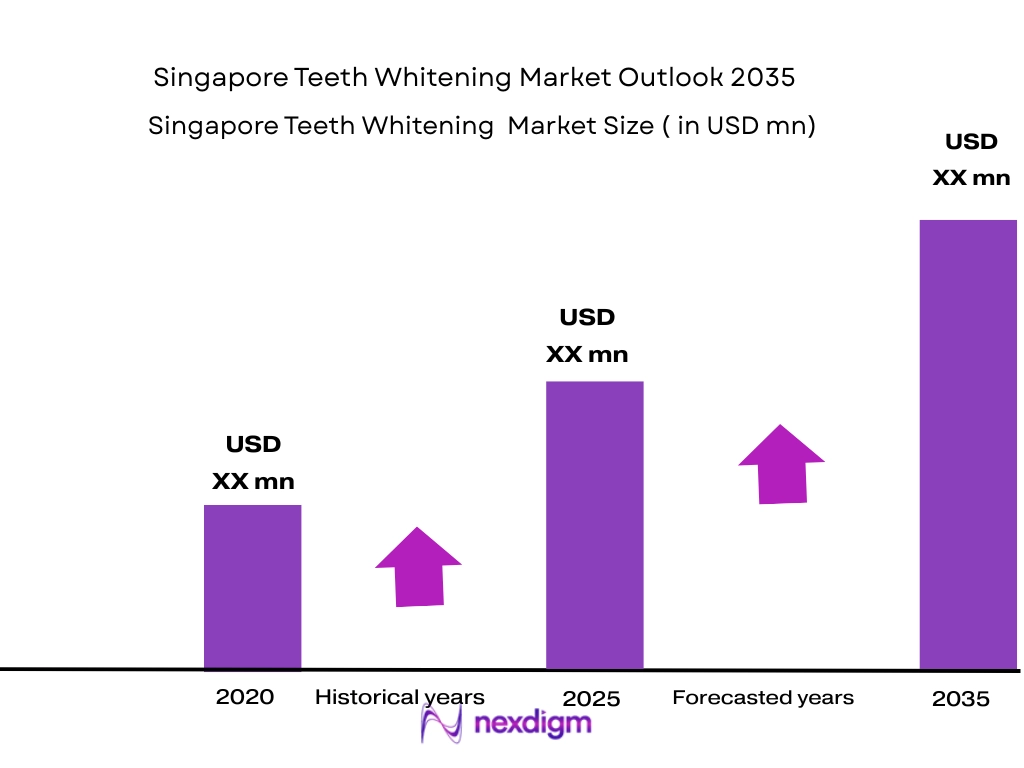
The Singapore teeth whitening market is valued at USD ~ million, based on a five-year historical analysis. The market has been driven by rising consumer awareness of oral aesthetics, increasing disposable income, and advancements in dental technologies. A growing preference for cosmetic dentistry and non-invasive procedures has further fueled demand. In 2023, the market reached USD 138 million, reflecting consistent consumer adoption across both at-home and in-clinic treatments. The availability of diverse product formats, including whitening gels, strips, and LED-based treatments, continues to support expansion.
Singapore, along with key urban centers like Orchard Road and Marina Bay, dominates the teeth whitening market due to high consumer spending capacity, well-established dental clinics, and a strong presence of international cosmetic brands. These cities attract both local and regional clientele seeking advanced dental treatments. The concentration of modern clinics with state-of-the-art equipment and access to licensed dental professionals further contributes to market leadership. Additionally, the influence of lifestyle trends emphasizing aesthetics and self-care in these urban areas promotes higher adoption of whitening solutions.
Market Segmentation
By Product Type
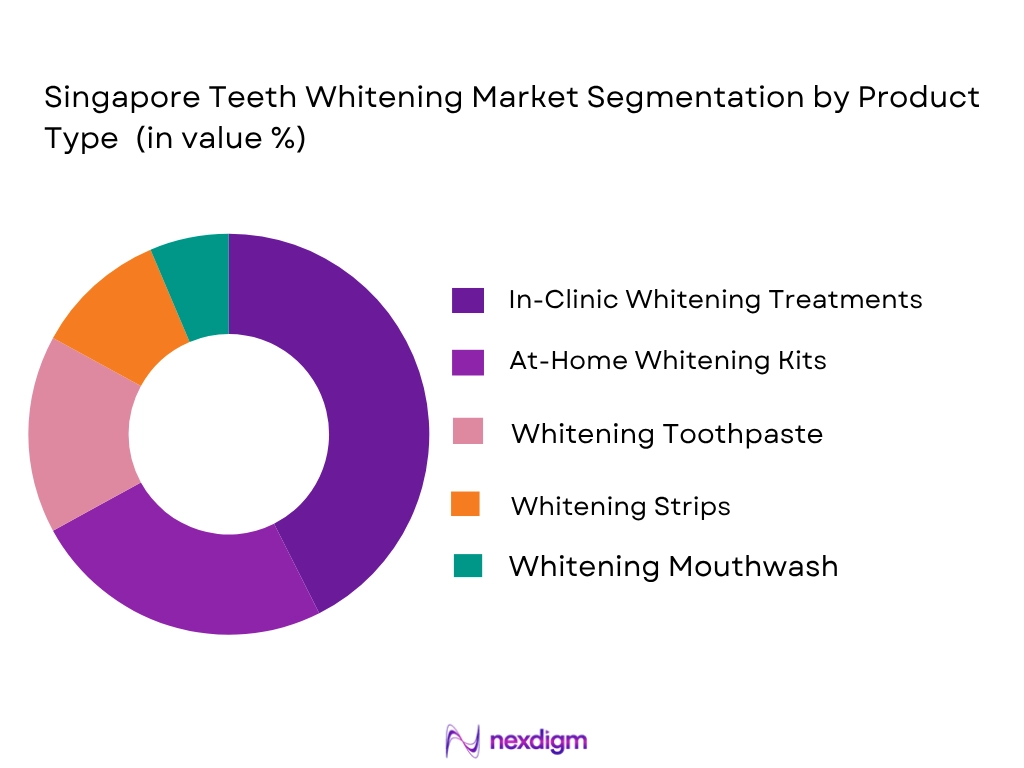
The Singapore teeth whitening market is segmented by product type into in-clinic whitening treatments, at-home whitening kits, whitening toothpaste and gels, whitening strips, whitening mouthwashes, and other teeth whitening products. In-clinic whitening treatments dominate the market due to their professional administration, faster results, and stronger formulations. Consumers often prefer clinic-based procedures as they provide personalized care, safety assurances, and guidance from licensed dental professionals. Premium clinics also offer bundled services and advanced technologies such as laser and LED whitening, which reinforce the trust and reliability of professional treatments.
By Technology
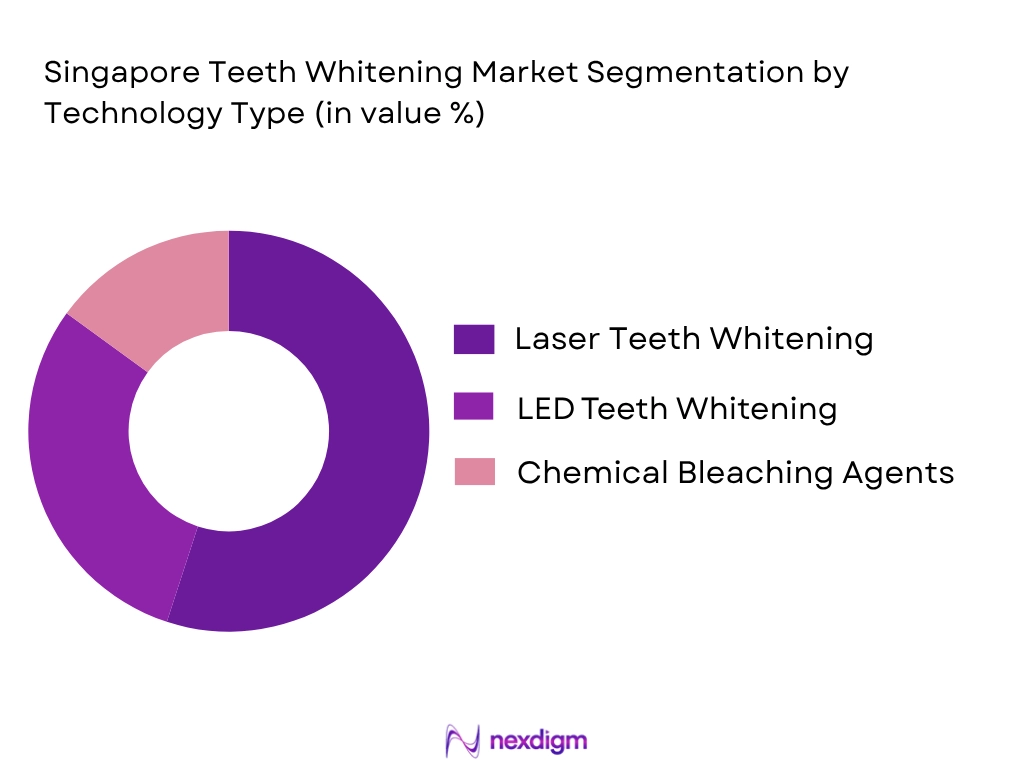
The market is segmented by technology into laser teeth whitening, LED teeth whitening, chemical bleaching agents, and natural/herbal whitening products. Chemical bleaching agents dominate the market as they offer cost-effective, clinically proven results and are commonly used both in clinics and at home. Their versatility, ease of use, and quick effectiveness make them highly preferred among consumers. Many licensed dental professionals recommend chemical bleaching due to its predictable outcomes, and several international brands provide formulations that balance whitening potency with enamel safety, reinforcing consumer confidence and widespread adoption.
Competitive Landscape
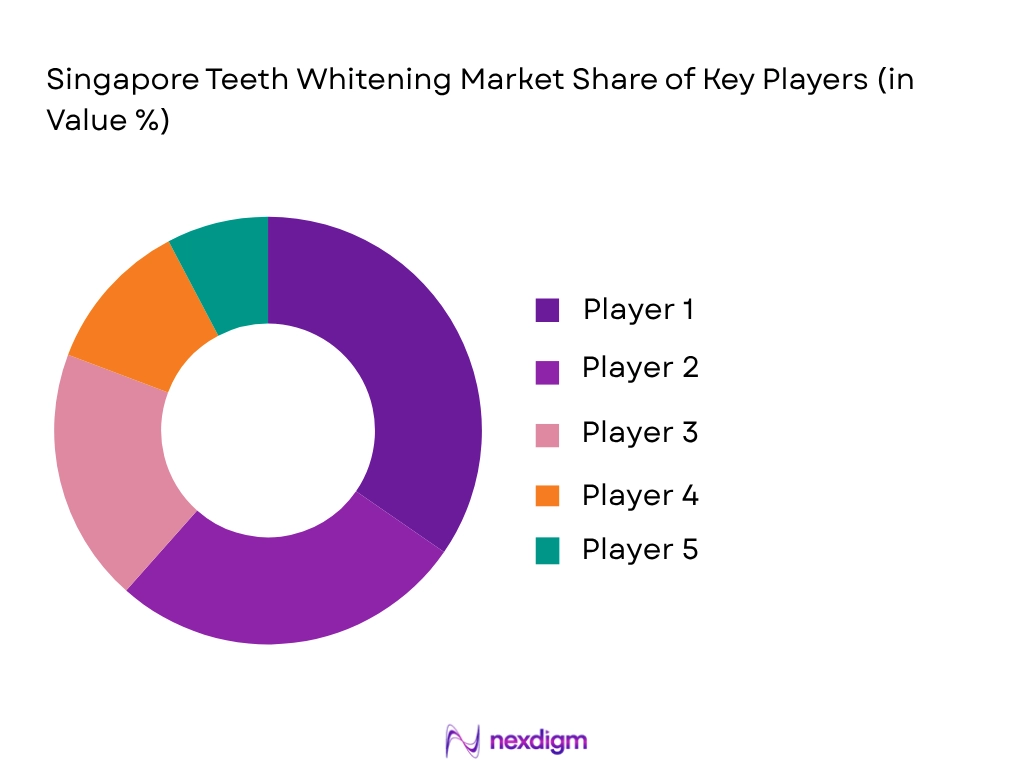
The Singapore teeth whitening market is dominated by a few key players, including international brands such as Colgate-Palmolive, Procter & Gamble, GlaxoSmithKline, and Philips Oral Healthcare. These companies exert significant influence due to their established brand presence, broad distribution channels, and consistent product innovation. Additionally, local dental chains offering premium whitening treatments compete on service quality and advanced technology adoption, creating a competitive yet consolidated market environment.
| Company Name | Establishment Year | Headquarters | Revenue 2024 (USD Million) | Key Product Lines | Distribution Channels | Market Focus | Production Capacity | Unique Offerings |
| Colgate-Palmolive | 1806 | New York, USA | ~ | ~ | ~ | ~ | ~ | ~ |
| Procter & Gamble (Crest) | 1837 | Cincinnati, USA | ~ | ~ | ~ | ~ | ~ | ~ |
| GlaxoSmithKline (Sensodyne) | 2000 | London, UK | ~ | ~ | ~ | ~ | ~ | ~ |
| Philips Oral Healthcare | 1891 | Amsterdam, NL | ~ | ~ | ~ | ~ | ~ | ~ |
| Snow Teeth Whitening | 2017 | California, USA | ~ | ~ | ~ | ~ | ~ | ~ |
Singapore Teeth Whitening Market Analysis
Growth Drivers
Rising Awareness of Oral Aesthetics
In Singapore, increasing awareness of oral aesthetics is driving demand for teeth whitening products and services. Consumers increasingly associate a bright, healthy smile with confidence, professional image, and personal hygiene. Media exposure, celebrity endorsements, and social media trends have amplified the perception of cosmetic dental care as a standard personal care practice. Dental clinics actively market aesthetic-focused services alongside preventive care, encouraging patients to consider whitening procedures as part of routine dental maintenance. Urban, affluent populations are particularly responsive to this trend, seeking both professional treatments and premium at-home solutions. This cultural emphasis on appearance and oral health ensures sustained demand for whitening products and services across Singapore’s metropolitan areas.
Growth of Dental Tourism in Singapore
Singapore’s reputation as a hub for high-quality dental care is fueling the growth of dental tourism, contributing to the teeth whitening market. International patients from neighboring countries and regions visit Singapore for professional dental treatments, including cosmetic procedures, due to the perceived superior quality, advanced technology, and regulatory standards. Dental clinics leverage this demand by offering whitening packages integrated with other cosmetic or preventive dental services. The influx of foreign clients encourages clinics to adopt the latest whitening technologies and premium formulations. Dental tourism not only increases revenue but also boosts market visibility, creating opportunities for clinics and product suppliers to expand their reach and reinforce Singapore’s position as a regional leader in cosmetic dentistry.
Market Challenges
High Cost of Professional Whitening Treatments
Professional teeth whitening services in Singapore are relatively expensive, limiting accessibility for some consumer segments. Clinic-based treatments involve specialized equipment, trained professionals, and follow-up care, driving up the overall cost. While affluent residents and international dental tourists can afford these services, middle-income consumers may prefer at-home whitening kits or less costly alternatives. High prices can constrain market expansion, requiring clinics and brands to carefully balance premium quality with affordability. Additionally, frequent maintenance sessions to sustain whitening results can add financial strain, highlighting the importance of developing cost-effective, safe, and convenient solutions that appeal to a broader audience without compromising treatment efficacy.
Potential Side Effects and Sensitivity Issues
Teeth whitening treatments, particularly chemical-based procedures, can lead to sensitivity, gum irritation, or enamel damage, presenting a market challenge in Singapore. Even with professional supervision, some patients experience discomfort that may discourage repeat treatments or limit adoption. This concern is amplified with at-home kits, where improper usage can exacerbate side effects. Clinics and product manufacturers must educate consumers on safe application, proper concentrations, and post-treatment care. Developing formulations that minimize sensitivity while maintaining efficacy is critical. Addressing safety concerns effectively not only protects patient health but also strengthens consumer trust, which is essential for sustaining growth in a highly regulated and competitive market.
Opportunities
Expansion of Eco-Friendly and Natural Whitening Products
The trend toward natural and eco-friendly personal care products presents a growth opportunity in Singapore’s teeth whitening market. Consumers are increasingly seeking products with herbal extracts, plant-based ingredients, and minimal chemical additives to reduce sensitivity and environmental impact. Eco-conscious buyers are drawn to sustainable packaging, cruelty-free testing, and non-toxic formulations. Local and international brands can differentiate themselves by emphasizing safety, environmental responsibility, and ethical sourcing. Targeting health-conscious and younger demographics, especially urban millennials, positions companies to capitalize on this segment. By aligning product development with global trends in wellness and sustainability, brands can expand their market share while promoting safer, environmentally responsible alternatives to traditional whitening solutions.
Integration of Advanced Whitening Technologies (LED, Laser)
The adoption of advanced whitening technologies, such as LED-activated gels and laser-based treatments, represents a key opportunity for Singapore’s market. These technologies offer faster, more effective, and longer-lasting results compared to traditional methods, attracting tech-savvy and results-oriented consumers. Dental clinics can differentiate their services by incorporating innovative equipment and offering premium cosmetic packages. Additionally, combining professional technology with at-home kits enhances treatment outcomes and consumer satisfaction. Marketing these solutions as scientifically advanced and efficient appeals to both domestic and international patients, particularly dental tourists. Integrating such technologies reinforces Singapore’s image as a leader in cosmetic dentistry and drives growth through innovation, premium service offerings, and enhanced patient experiences.
Future Outlook
Over the next five years, the Singapore teeth whitening market is expected to show substantial growth, driven by technological advancements in dental care, increasing disposable income, and a rising focus on aesthetic wellness. The integration of AI, smart dental devices, and non-invasive methods is likely to attract a wider consumer base. Moreover, rising popularity of at-home whitening solutions combined with professional dental services will further expand market penetration. The market is poised for steady adoption across urban and semi-urban regions, reflecting both lifestyle and professional care trends.
Major Players
- Colgate-Palmolive
- Procter & Gamble (Crest)
- GlaxoSmithKline (Sensodyne)
- Philips Oral Healthcare
- Listerine (Johnson & Johnson)
- Opalescence (Ultradent Products)
- Beyond (Cosmetic Dental Brand)
- Snow Teeth Whitening
- AuraGlow
- iSmile
- White Glo
- BriteSmile
- Dentaleum
- Philips Sonicare
- Zoom Whitening (Colgate-Palmolive)
Key Target Audience
- Dental Clinics and Cosmetic Dentistry Centers
- Pharmacies and Retail Chains
- E-commerce Platforms
- Premium Beauty and Wellness Clinics
- Spas and Cosmetic Treatment Centers
- Investments and Venture Capitalist Firms
- Government and Regulatory Bodies
- Dental Associations and Professional Societies
Research Methodology
Step 1: Identification of Key Variables
The initial phase involves constructing an ecosystem map encompassing all major stakeholders within the Singapore teeth whitening market. This step is underpinned by extensive desk research, utilizing a combination of secondary and proprietary databases to gather comprehensive industry-level information. The primary objective is to identify and define the critical variables that influence market dynamics.
Step 2: Market Analysis and Construction
In this phase, historical data is compiled and analyzed to assess market penetration, product adoption trends, and revenue generation patterns. The evaluation also considers consumer behavior, pricing strategies, and technology adoption across clinics and retail channels to ensure accuracy of market sizing.
Step 3: Hypothesis Validation and Expert Consultation
Market hypotheses are developed and validated through interviews with dental professionals, cosmetic clinic owners, and product managers of key brands. Insights collected provide operational and financial information directly from practitioners, enhancing the reliability of market data.
Step 4: Research Synthesis and Final Output
The final phase involves engagement with leading dental chains and product manufacturers to obtain detailed insights into sales, treatment adoption, and consumer preferences. These interactions validate and complement the bottom-up statistical estimates, ensuring a robust and comprehensive market assessment.

- Executive Summary
- Research Methodology (Market Definitions and Assumptions, Abbreviations, Market Sizing Approach, Consolidated Research Approach, Understanding Market Potential Through In-Depth Industry Interviews, Primary Research Approach, Limitations and Future Conclusions)

- Definition and Scope
- Market Dynamics Overview
- Market Genesis and Evolution
- Key Players and Market Timeline
- Business Cycle and Trends
- Supply Chain and Value Chain Analysis

- Growth Drivers
Rising Awareness of Oral Aesthetics
Increasing Disposable Income and Consumer Spending on Cosmetic Dentistry
Technological Advancements in Teeth Whitening Products
Growth of Dental Tourism in Singapore
Popularity of At-Home Whitening Solutions - Market Challenges
High Cost of Professional Whitening Treatments
Potential Side Effects and Sensitivity Issues
Strict Regulatory Compliance for Dental Products
Competition from Local and International Brands - Opportunities
Expansion of Eco-Friendly and Natural Whitening Products
Integration of Advanced Whitening Technologies (LED, Laser)
Growth in Online Sales and Direct-to-Consumer Models
Rising Demand Among Younger Demographics and Professionals
Introduction of Subscription Models for Whitening Products - Trends
Shift Toward Non-Invasive and Gentle Whitening Solutions
Personalization of Whitening Treatments
Integration of AI and Digital Platforms in Dental Care
Increased Popularity of Mobile Apps for Dental Wellness Monitoring - Government Regulations
Health and Safety Standards for Dental and Cosmetic Products
Import and Export Regulations
Environmental Regulations (Sustainability in Product Materials)
Dental and Cosmetic Certification Standards
Taxation and Import Duties on Whitening Products - SWOT Analysis
- Porter’s Five Forces

- By Value, 2020–2025
- By Volume, 2020–2025
- By Average Price, 2020–2025

- By Product Type (In Value %)
In-Clinic Whitening Treatments
At-Home Whitening Kits
Whitening Toothpaste
Whitening Strips
Whitening Mouthwashes - By Technology/Method (In Value %)
Laser Teeth Whitening
LED Teeth Whitening
Chemical Bleaching Agents - By End User (In Value %)
Individual Consumers
Dental Clinics and Professionals
Beauty and Cosmetic Clinics - By Distribution Channel (In Value %)
Direct Sales (Dental Clinics, Cosmetic Centers)
Retail Stores (Pharmacies, Supermarkets)
Online Channels (E-commerce Websites) - By Price Tier (In Value %)
Economy / Entry-Level
Mid-Tier
Premium / High-End

- Market Share of Major Players by Value/Volume
- Market Share of Major Players by Product Type
- Market Share of Major Players by Technology/Method
- Cross Comparison Parameters (Company Overview, Business Strategies, Recent Developments, Strength, Weakness, Organizational Structure, Revenues, Revenues by Product Type, Distribution Channels, Dealer Networks, Production Capacity, Unique Value Offerings)
- SWOT Analysis of Major Players
- Pricing Analysis Based on Product Categories for Major Players
- Detailed Profiles of Major Companies
Colgate-Palmolive
Procter & Gamble (Crest)
GlaxoSmithKline (Sensodyne)
Philips Oral Healthcare
Listerine (Johnson & Johnson)
Opalescence (Ultradent Products)
Beyond (Cosmetic Dental Brand)
Snow Teeth Whitening
AuraGlow
iSmile
White Glo
BriteSmile

- Market Demand and Utilization
- Purchasing Power and Budget Allocations
- Regulatory and Compliance Requirements
- Needs, Desires, and Pain Point Analysis
- Decision-Making Process

- By Value, 2026–2035
- By Volume, 2026–2035
- By Average Price, 2026–2035


 Request a Sample
 Ask for Customization
 Get a Quote
 Enquire Now