

 Download PDF
 Download PDF
Market Overview
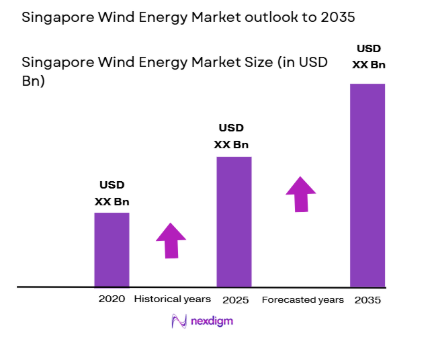
The Singapore Wind Energy Market has experienced substantial growth in recent years, driven by government support for renewable energy integration and the push for sustainability. The market size for wind energy has been valued at approximately USD ~ billion, driven by increasing demand for cleaner energy solutions and the country’s commitment to decarbonization goals. The rise in technology innovations and the global shift towards greener sources of energy are helping to drive investments and system installations, thus expanding the wind energy sector’s footprint.
The market’s dominance is primarily observed in regions such as Singapore, where favorable government policies, a strong energy infrastructure, and the proximity to wind-rich areas fuel market growth. Urban areas with a significant focus on sustainability, like Singapore, have experienced an accelerated wind energy installation, positioning the city-state as a leader in renewable energy initiatives. Efforts in infrastructure development, grid connectivity, and policy enhancements have solidified the country’s position at the forefront of Asia’s clean energy transformation.
Market Segmentation
By Product Type:
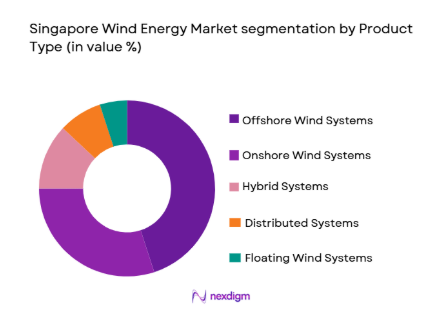
The Singapore Wind Energy market is segmented by product type into offshore wind systems, onshore wind systems, hybrid systems, distributed systems, and floating wind systems. Offshore wind systems have a dominant market share due to factors such as abundant sea space, government incentives, and technological advancements in offshore turbine efficiency. Their ability to harness high wind speeds offshore contributes significantly to their market leadership. The infrastructure for offshore wind farms is well-supported by the government, creating a conducive environment for their dominance in Singapore’s wind energy market.
By End-User:
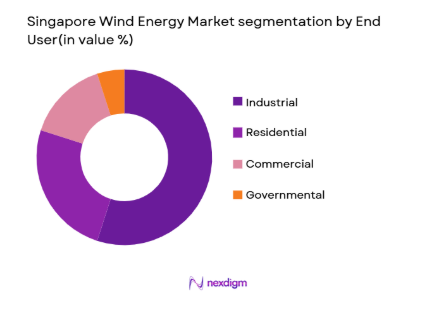
The market is segmented by end-user into industrial, residential, and commercial applications. Industrial applications dominate the market due to their significant energy requirements and growing awareness of environmental sustainability. The increase in manufacturing facilities, particularly in renewable energy production, drives the demand for wind energy. Industrial players are increasingly adopting wind energy solutions to meet both their operational energy needs and regulatory requirements for carbon emissions reductions. Government incentives for industries investing in renewable energy infrastructure also contribute to this growth.
Competitive Landscape
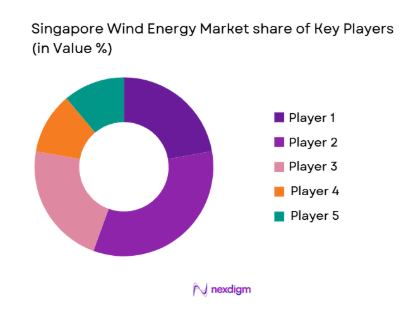
The Singapore Wind Energy market has a competitive landscape characterized by a mix of established international players and local innovators. Market consolidation is observed through strategic partnerships and technology sharing, aimed at enhancing operational efficiency and expanding market presence. Leading players, driven by technological advancements, play a pivotal role in market development. Government regulations and public-private collaboration help influence market dynamics and shape the competitive environment.
| Company Name | Establishment Year | Headquarters | Technology Focus | Market Reach | Key Products | Revenue (USD) | Market-Specific Parameter |
| Siemens Gamesa | 1976 | Spain | ~ | ~ | ~ | ~ | ~ |
| Vestas | 1945 | Denmark | ~ | ~ | ~ | ~ | ~ |
| GE Renewable Energy | 2002 | USA | ~ | ~ | ~ | ~ | ~ |
| MHI Vestas | 2014 | Denmark | ~ | ~ | ~ | ~ | ~ |
| Nordex Group | 2001 | Germany | ~ | ~ | ~ | ~ | ~ |
Singapore Wind Energy Market Analysis
Growth Drivers
Government Incentives:
The Singapore government has played a pivotal role in driving the adoption of wind energy through its commitment to renewable energy, backed by incentives for wind energy projects. Financial support in the form of subsidies, tax breaks, and grants has significantly lowered the cost of wind energy installations. This, in turn, accelerates the development of offshore wind farms, creating a robust market foundation for wind energy adoption. Additionally, initiatives such as the Energy Market Authority’s efforts to integrate renewable energy into Singapore’s national grid further support wind energy sector growth, making the market more accessible and financially viable for stakeholders. Moreover, the government’s ambitious plans to meet carbon reduction targets by 2050 offer an encouraging long-term outlook for wind energy. This growing governmental backing has been crucial in attracting investments, ensuring the continued growth of the Singapore Wind Energy market.
Technological Advancements:
Technological advancements in turbine design and efficiency have significantly boosted the growth of the wind energy market in Singapore. Innovations in offshore wind turbines, including increased energy production per unit and improved reliability, have made wind energy a more viable and cost-effective solution. Developments such as the integration of smart grid systems, energy storage solutions, and AI-powered predictive maintenance further enhance operational efficiency and decrease costs. As turbine technology evolves, the installation of wind farms becomes more feasible even in challenging environments. Additionally, floating wind technology, which allows turbines to be placed in deeper waters, has the potential to open up new opportunities for offshore wind energy in Singapore’s coastal waters. These advancements are poised to fuel both market expansion and technological leadership in the region.
Market Challenges
High Capital Investment:
A key challenge facing the Singapore Wind Energy market is the high upfront capital required for the installation and maintenance of wind energy systems. The construction of offshore wind farms, in particular, involves significant financial outlays due to the complex logistics of installation, grid connection, and turbine maintenance. This capital intensity often creates a barrier for smaller developers and firms, limiting market entry and slowing the pace of adoption. Moreover, the financial risks associated with large-scale wind energy projects may deter potential investors, particularly when market conditions fluctuate. While the government provides incentives, the initial capital costs remain a substantial hurdle that needs to be addressed through innovative financing models or long-term cost reductions in turbine technology. This challenge could impede the overall growth of the market if not effectively managed by industry stakeholders.
Regulatory Uncertainty:
Another challenge impacting the wind energy sector in Singapore is the regulatory uncertainty surrounding the implementation of renewable energy projects. While the government has committed to expanding clean energy infrastructure, the complexity of obtaining necessary permits, the lengthy approval process, and the need to comply with multiple regulations can delay the development of wind energy projects. These barriers create a less favorable environment for investors, as they are unsure of the timeline and potential challenges in the project approval stages. Additionally, regulatory frameworks governing offshore wind farms remain under development, and evolving safety standards and environmental regulations may pose unexpected hurdles for developers. For the market to thrive, a streamlined regulatory process is essential to provide certainty and encourage private investment.
Opportunities
Offshore Wind Expansion:
Offshore wind energy presents a significant opportunity for the Singapore market, given its location and favorable coastal conditions. The country’s vast exclusive economic zone (EEZ) provides access to large areas of water that can support large-scale offshore wind farms. With advancements in floating wind turbine technology, offshore wind projects are becoming more viable in deeper waters, unlocking new areas for energy production. The Singapore government’s ongoing commitment to reducing carbon emissions and the push towards energy diversification further support the growth of offshore wind as a major clean energy source. Companies focusing on offshore wind farm construction and operation can expect to find lucrative opportunities in the coming years. The market also stands to benefit from technological advancements that will lower costs and enhance the efficiency of offshore wind power generation.
Energy Storage Integration:
As Singapore increasingly shifts to renewable energy sources, the integration of energy storage solutions with wind energy systems presents a significant opportunity. Wind energy, being intermittent, requires efficient storage systems to stabilize grid supply and ensure consistent energy delivery. Energy storage technologies such as batteries, pumped hydro, and compressed air systems can help mitigate the challenges of wind power’s intermittency, making it a more reliable energy source. With technological improvements and decreasing costs of storage systems, the combination of wind energy and storage solutions can address grid stability issues while ensuring a steady power supply. This opportunity allows for greater penetration of renewable energy into Singapore’s energy mix, further aligning with the country’s sustainability and energy security goals.
Future Outlook
The Singapore Wind Energy market is poised for substantial growth over the next five years, driven by technological advancements, regulatory support, and growing demand for clean energy. Offshore wind energy, in particular, is expected to see significant development as Singapore capitalizes on its coastal advantages and advances in turbine technology. The market will benefit from continued government investment and favorable policies aimed at reducing carbon emissions and ensuring energy security. As renewable energy becomes more integrated into Singapore’s national grid, increased focus will be placed on energy storage systems to complement intermittent wind power. Technological advancements, along with public and private sector collaboration, will ensure that wind energy remains a critical component of Singapore’s energy future.
Major Players
- Siemens Gamesa
- Vestas
- GE Renewable Energy
- MHI Vestas
- Nordex Group
- Suzlon Energy
- Siemens Energy
- Orsted
- Envision Energy
- Senvion
- Goldwind
- Inox Wind
- Nordex Acciona Windpower
- Mitsubishi Power
- Gamesa Electric
Key Target Audience
- Investments and venture capitalist firms
- Government and regulatory bodies
- Energy developers
- Utilities companies
- Infrastructure development firms
- Renewable energy consultants
- Wind turbine manufacturers
- Project financing firms
Research Methodology
Step 1: Identification of Key Variables
The first step in our research methodology involves identifying key variables that drive the Singapore Wind Energy Market, including government policies, technological advancements, and market demand patterns.
Step 2: Market Analysis and Construction
In this step, the market size and growth trends are analyzed by studying historical data, current market trends, and economic factors that impact the wind energy sector.
Step 3: Hypothesis Validation and Expert Consultation
We validate the hypotheses and market assumptions by consulting with industry experts, stakeholders, and key players to refine our understanding of market dynamics and opportunities.
Step 4: Research Synthesis and Final Output
The final step involves synthesizing all gathered data into a comprehensive report, providing actionable insights and conclusions regarding the Singapore Wind Energy Market’s future potential and key drivers.

- Executive Summary
- Research Methodology (Definitions, Scope, Industry Assumptions, Market Sizing Approach, Primary & Secondary Research Framework, Data Collection & Verification Protocol, Analytic Models & Forecast Methodology, Limitations & Research Validity Checks)

- Market Definition and Scope
- Value Chain & Stakeholder Ecosystem
- Regulatory / Certification Landscape
- Sector Dynamics Affecting Demand
- Strategic Initiatives & Infrastructure Growth

- Growth Drivers
Government Investment in Renewable Energy
Technological Advancements in Wind Energy
Environmental Sustainability Goals
Energy Security Concerns
Integration of Wind with Other Renewable Sources - Market Challenges
High Initial Capital Investment
Regulatory and Policy Uncertainty
Grid Connectivity Issues
Land and Space Constraints
Environmental Impact Concerns - Market Opportunities
Expansion of Offshore Wind Energy
Emerging Floating Wind Technologies
Public-Private Partnerships for Infrastructure Development - Trends
Increased Use of Floating Wind Turbines
Growing Focus on Offshore Wind Farms
Enhanced Efficiency of Wind Turbines
Technological Advancements in Energy Storage
Integration of AI and IoT in Wind Operations - Government Regulations & Defense Policy
Renewable Energy Certification Standards
Wind Energy Development Incentives
Grid Interconnection Standards - SWOT Analysis
- Stakeholder and Ecosystem Analysis
- Porter’s Five Forces Analysis
- Competition Intensity and Ecosystem Mapping

- By Market Value, 2020-2025
- By Installed Units, 2020-2025
- By Average System Price, 2020-2025
- By System Complexity Tier, 2020-2025

- By System Type (In Value%)
Onshore Wind Systems
Offshore Wind Systems
Hybrid Wind Systems
Floating Wind Systems
Distributed Wind Systems - By Platform Type (In Value%)
Land-Based Platforms
Offshore Platforms
Floating Platforms
Integrated Platforms
Hybrid Platforms - By Fitment Type (In Value%)
Onshore Installations
Offshore Installations
Hybrid Installations
Mobile Installations
Modular Installations - By EndUser Segment (In Value%)
Government Agencies
Utility Companies
Private Sector Developers
Commercial & Industrial Users
Off-Grid Applications - By Procurement Channel (In Value%)
Direct Procurement
Government Tenders
Private Sector Procurement
Online Platforms
Third-party Distributors - By Material / Technology (In Value%)
Wind Turbine Technology
Advanced Blade Materials
Energy Storage Technologies
Control & Monitoring Systems
Power Electronics & Converters

- Market structure and competitive positioning
- Market share snapshot of major players
- CrossComparison Parameters (System Type, Platform Type, Procurement Channel, EndUser Segment, Fitment Type, Technology, Cost of Energy, Efficiency, Project Size, Development Speed)
- SWOT Analysis of Key Players
- Pricing & Procurement Analysis
- Key Players
Siemens Gamesa
Vestas
GE Renewable Energy
Nordex Group
Suzlon Energy
MHI Vestas Offshore Wind
Ørsted
EDF Renewables
Envision Energy
Senvion
Goldwind
GE Power
Mitsubishi Heavy Industries
General Electric
ACCIONA

- Government Initiatives Driving Wind Energy Adoption
- Private Sector Investments in Green Energy
- Integration of Wind Energy in Utilities
- Off-Grid Wind Power Solutions

- Forecast Market Value, 2026-2035
- Forecast Installed Units, 2026-2035
- Price Forecast by System Tier, 2026-2035
- Future Demand by Platform, 2026-2035


 Request a Sample
 Ask for Customization
 Get a Quote
 Enquire Now