

 Download PDF
Market Overview
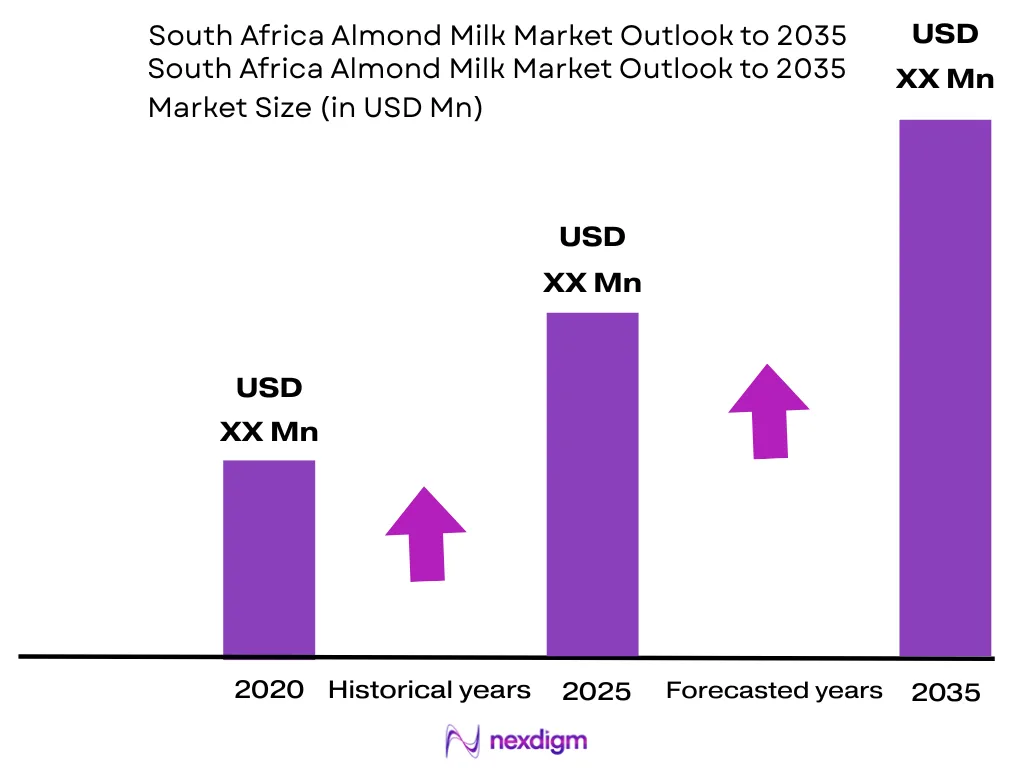
The South Africa Almond Milk Market was valued at approximately USD ~ Million in 2024, following steady expansion from USD ~ Million in 2023. The market is primarily driven by increasing demand for plant-based dairy alternatives, rising lactose intolerance awareness, growing vegan and flexitarian dietary adoption, and premium health beverage consumption. South Africa’s health and wellness food segment has expanded significantly, supported by increasing urbanization, higher disposable incomes among middle-income consumers, and broader availability of plant-based beverages across organized retail chains. The growth of specialty coffee outlets and foodservice operators offering dairy-free alternatives has further strengthened almond milk demand. Additionally, consumers are increasingly seeking products fortified with calcium, vitamins, and protein, contributing to sustained category growth within the broader plant-based beverage industry.
Market Segmentation
By Product Type
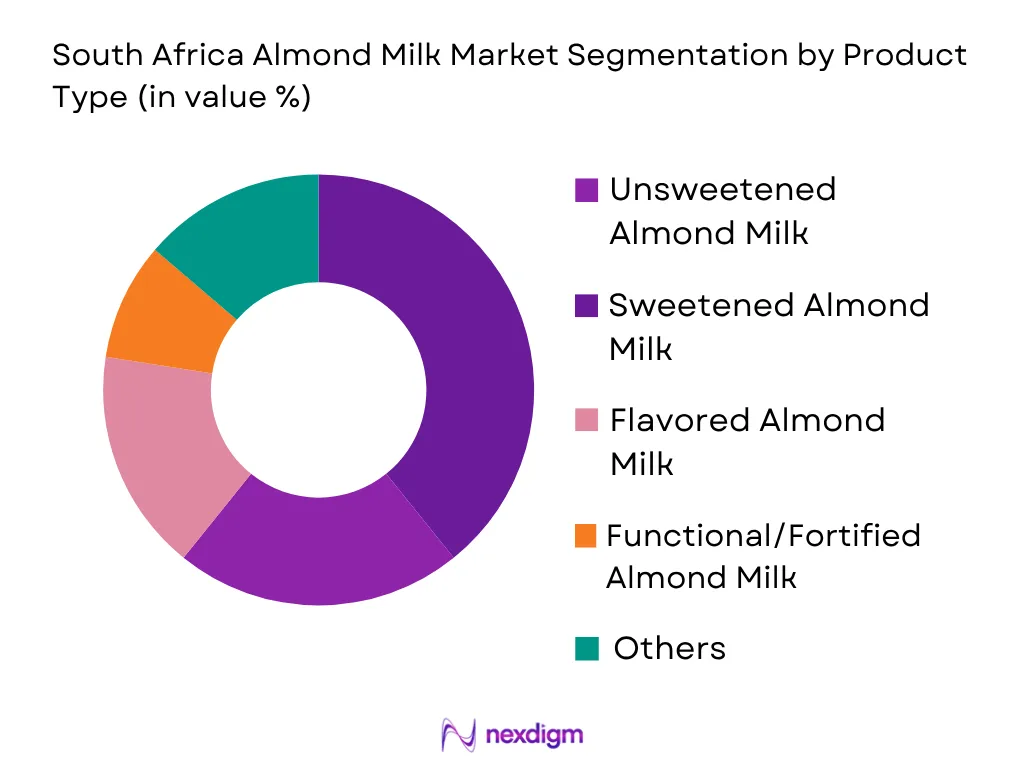
By Product Type, the South Africa Almond Milk Market is segmented into unsweetened almond milk, sweetened almond milk, flavored almond milk, barista almond milk, and functional/fortified almond milk. Recently, unsweetened almond milk has maintained the dominant market share due to increasing consumer focus on low-calorie, sugar-free, and clean-label nutritional products. Health-conscious consumers increasingly prefer products with minimal additives and lower sugar content, particularly among fitness enthusiasts, diabetic consumers, and individuals managing weight-related concerns. Major retailers and plant-based beverage manufacturers have expanded unsweetened product portfolios to address this demand. Furthermore, unsweetened variants are frequently used in smoothies, breakfast cereals, protein shakes, and coffee applications, increasing consumption frequency. Growing awareness regarding lifestyle diseases and preventive healthcare has further strengthened consumer preference for naturally formulated dairy alternatives. The segment also benefits from strong demand among vegan and flexitarian consumers seeking healthier substitutes to conventional dairy milk.
By Distribution Channel
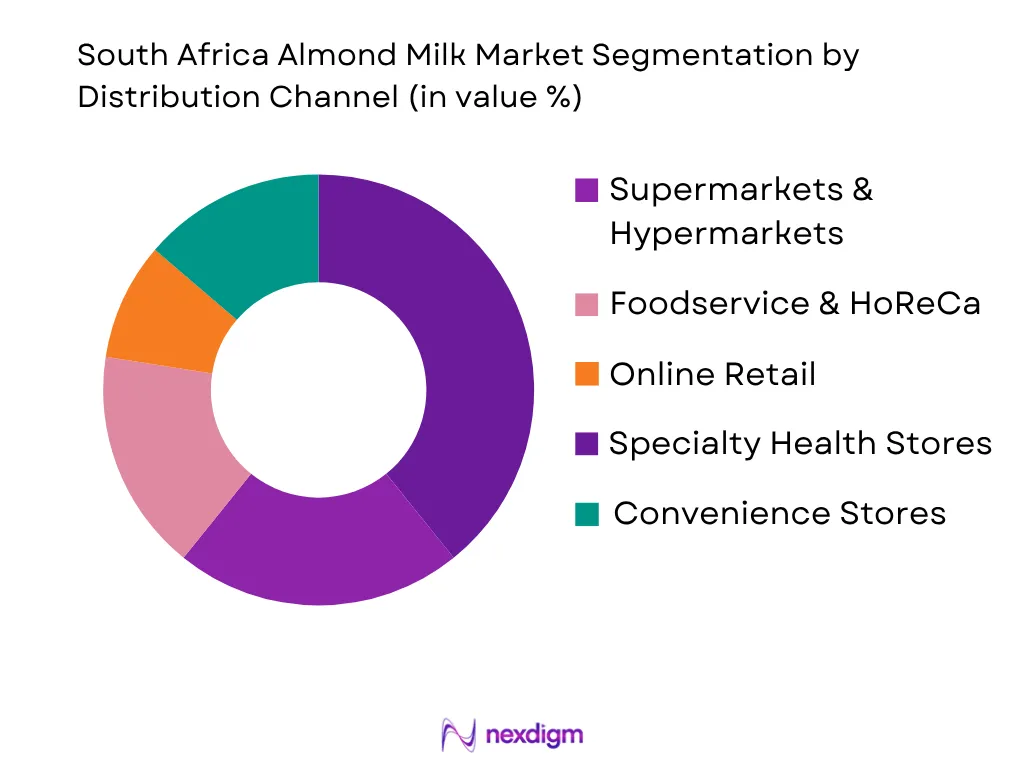
By Distribution Channel, the South Africa Almond Milk Market is segmented into supermarkets and hypermarkets, convenience stores, specialty health stores, online retail, and foodservice channels. Supermarkets and hypermarkets dominate the market due to their extensive geographic coverage, broader product assortments, and strong consumer trust. Leading retail chains such as Woolworths, Checkers, Pick n Pay, and Spar have significantly expanded shelf space dedicated to plant-based dairy alternatives. Consumers benefit from greater product visibility, frequent promotional campaigns, and availability of premium imported brands alongside private-label offerings. The segment also supports consumer product comparison, enabling buyers to evaluate nutritional content, flavors, and packaging formats before purchase. Furthermore, organized retail outlets remain the primary purchasing destination for urban consumers seeking health-focused beverages. The increasing integration of plant-based products into mainstream grocery categories has strengthened the dominance of supermarkets and hypermarkets within the South African almond milk ecosystem.
Competitive Landscape
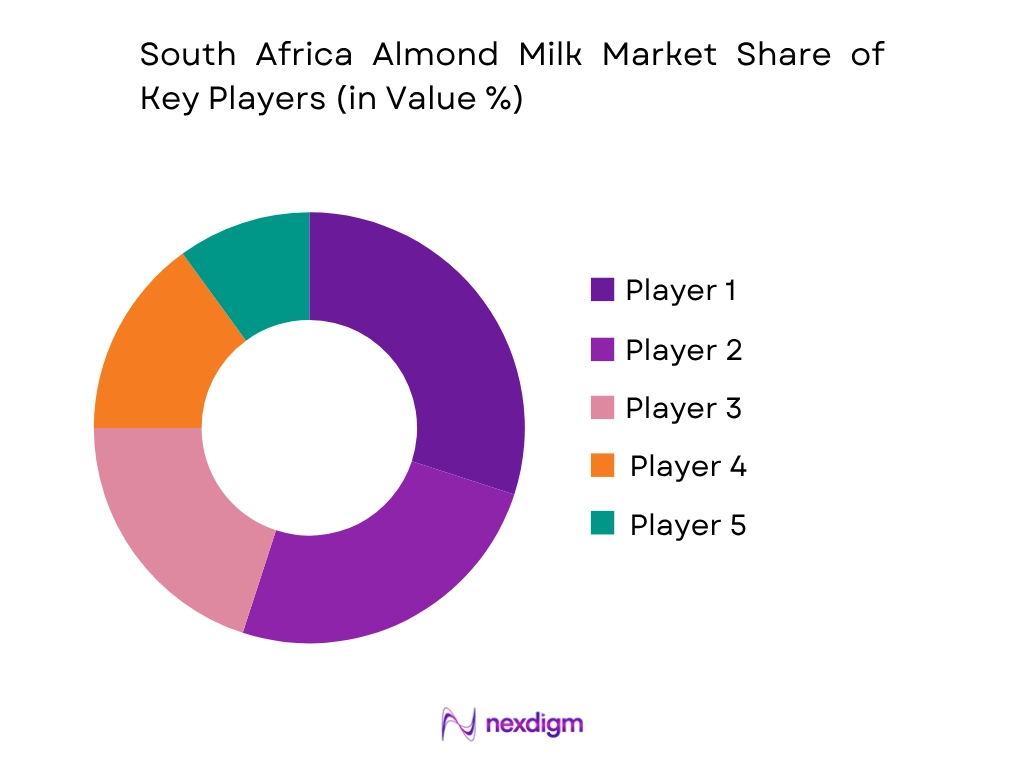
The South Africa Almond Milk Market is moderately concentrated, with international brands maintaining significant visibility through retail partnerships and import channels. Global plant-based beverage companies compete alongside regional and private-label manufacturers. Product innovation, fortification capabilities, sustainability initiatives, and distribution reach remain the primary competitive differentiators. Companies are increasingly investing in sugar-free formulations, barista-focused variants, and environmentally friendly packaging to strengthen their market positions.
| Company | Establishment Year | Headquarters | Product Portfolio | Organic Offering | Fortified Variants | E-Commerce Presence | Retail Presence | Foodservice Presence |
| Blue Diamond Almond Breeze | 1910 | ~ | ~ | ~ | ~ | ~ | ~ | ~ |
| Califia Farms | 2010 | ~ | ~ | ~ | ~ | ~ | ~ | ~ |
| Woolworths Private Label | 1931 | ~ | ~ | ~ | ~ | ~ | ~ | ~ |
| Silk (Danone) | 1977 | ~ | ~ | ~ | ~ | ~ | ~ | ~ |
| Alpro | 1980 | ~ | ~ | ~ | ~ | ~ | ~ | ~ |
South Africa Almond Milk Market
Growth Drivers
Rising Health Consciousness and Shift Toward Plant-Based Nutrition
South Africa’s almond milk market is benefiting from the broader transition toward health-oriented food and beverage consumption. The country’s population exceeded 63 million people in 2024, creating a large consumer base for functional and alternative nutrition products. South Africa’s GDP stood at approximately USD 403 billion, indicating continued consumer spending potential for premium food categories. Increasing prevalence of lactose intolerance, dairy sensitivities, and lifestyle-related health concerns has encouraged consumers to seek plant-based alternatives. Almond milk is increasingly positioned as a cholesterol-free and low-saturated-fat beverage, aligning with wellness-focused dietary habits. The South African vegan food market reached USD 89.39 million, reflecting growing consumer acceptance of plant-based products and creating a favorable environment for almond milk adoption. Additionally, South Africa’s urban population exceeds 43 million residents, supporting higher exposure to health trends, premium retail formats, and nutritional awareness. The expanding health-food retail ecosystem, coupled with rising demand for clean-label and fortified beverages, is supporting almond milk consumption across affluent urban households. Growth is further reinforced by increasing product visibility within supermarkets, specialty health stores, and foodservice establishments offering dairy-free beverage options.
Expansion of Organized Retail and Plant-Based Beverage Availability
The development of organized retail infrastructure across South Africa is significantly supporting almond milk consumption. Major retail chains including Woolworths, Checkers, Pick n Pay, and Spar continue expanding premium food and beverage categories. South Africa’s retail sector serves more than 43 million urban consumers, creating broad accessibility for plant-based products. The South African plant-based milk market generated approximately USD 155.2 million in revenue, demonstrating the increasing mainstream acceptance of dairy alternatives. Almond milk represents the leading product segment within the country’s plant-based milk industry, supported by wider shelf availability and product diversification. E-commerce grocery adoption and omnichannel retail strategies have also enhanced product accessibility beyond major metropolitan areas. Increased imports of non-dairy milk products further indicate rising consumer demand, with import volumes experiencing substantial growth between 2023 and 2024. Retailers are dedicating larger shelf spaces to almond milk, sugar-free variants, barista products, and fortified formulations. This improved availability reduces barriers to trial purchases and increases repeat consumption, strengthening the long-term growth trajectory of the South African almond milk market.
Market Challenges
High Dependence on Imported Almond Raw Materials
One of the most significant challenges facing the South Africa almond milk market is dependence on imported almonds. South Africa imported approximately USD 23 million worth of almonds in a recent reporting period, with the majority sourced from the United States. While domestic almond cultivation exists, local production remains insufficient to meet rising demand from food manufacturers and beverage producers. The domestic almond industry primarily focuses on export markets, limiting local availability for value-added processing applications such as almond milk manufacturing. This dependence exposes producers to exchange-rate fluctuations, international supply disruptions, shipping costs, and global commodity market volatility. Import dependence also creates inventory planning challenges for manufacturers seeking consistent almond supply for production. Since almonds represent the primary raw material input, supply chain disruptions can directly affect production schedules and product availability. Furthermore, imported raw materials increase operational complexity for smaller market participants attempting to compete with multinational beverage brands that possess stronger procurement capabilities and global sourcing networks. These structural supply chain limitations continue to represent a notable restraint on market expansion.
Premium Product Positioning and Competition from Alternative Plant-Based Milks
Almond milk remains positioned as a premium beverage category within South Africa, creating affordability challenges among price-sensitive consumers. South Africa’s GDP per capita remains significantly lower than that of mature plant-based beverage markets, limiting widespread adoption outside higher-income urban populations. Additionally, consumers can choose from multiple dairy alternative categories including soy milk, oat milk, coconut milk, rice milk, and macadamia milk. Soy milk continues to maintain a strong market presence due to its long-standing availability and established consumer familiarity. Oat milk is also gaining popularity among younger consumers and specialty coffee outlets. The growing diversity of plant-based beverage offerings intensifies competition for shelf space, marketing budgets, and consumer attention. Consumers unfamiliar with almond milk may perceive limited differentiation between plant-based alternatives, reducing switching incentives. Furthermore, concerns regarding product processing, additives, stabilizers, and ingredient complexity may influence purchasing decisions among highly health-conscious consumers. These competitive pressures require manufacturers to invest continuously in consumer education, product innovation, and premium value propositions to maintain category growth.
Market Opportunities
Growth of Functional and Fortified Beverage Categories
A significant opportunity exists within functional and fortified almond milk products. Consumers are increasingly seeking beverages enriched with calcium, vitamin D, vitamin B12, protein, and other nutritional ingredients. The broader plant-based beverage industry continues benefiting from increased health awareness, sustainability considerations, and demand for personalized nutrition solutions. Almond-based beverages are widely recognized for their nutritional profile and compatibility with wellness-oriented diets. Fortified almond milk products can address nutritional concerns associated with dairy substitution while providing added health benefits. The growth of fitness-focused consumers, wellness enthusiasts, and preventive healthcare adoption further strengthens demand for nutrient-enhanced beverages. Functional product innovation also enables manufacturers to command premium pricing and differentiate offerings within a competitive market environment. Retailers increasingly allocate shelf space to fortified plant-based beverages due to higher consumer interest in health-focused products. This creates opportunities for product diversification across protein-enriched formulations, immunity-support beverages, low-sugar variants, and specialized nutritional products targeting distinct consumer demographics.
Expansion Through Foodservice and Coffee Culture Development
South Africa’s expanding café culture and foodservice industry provide substantial opportunities for almond milk adoption. The increasing popularity of specialty coffee outlets, premium cafés, and health-focused restaurants is driving demand for dairy-free milk alternatives. Barista-style almond milk products have gained traction due to their compatibility with coffee beverages and specialty drinks. Urban centers such as Johannesburg, Cape Town, and Durban continue witnessing growth in premium foodservice establishments catering to health-conscious consumers. Plant-based milk products are increasingly offered as standard menu options rather than niche alternatives. The broader plant-based dairy category is transitioning into mainstream foodservice channels, increasing consumer exposure and trial opportunities. As foodservice operators seek to diversify menus and meet evolving dietary preferences, almond milk suppliers can benefit from long-term supply agreements and recurring institutional demand. Furthermore, increased visibility within cafés often translates into higher retail purchases as consumers seek familiar products for home consumption. This convergence of retail and foodservice demand creates a scalable growth opportunity for almond milk manufacturers operating within South Africa.
Future Outlook
The South Africa Almond Milk Market is expected to witness robust growth during the forecast period, supported by increasing consumer preference for plant-based diets, rising awareness regarding lactose intolerance, and expanding retail availability. Product innovation in fortified and functional beverages is likely to drive category premiumization. Growth in specialty coffee chains and foodservice establishments will continue to support barista almond milk demand. Additionally, sustainability concerns and clean-label preferences are expected to encourage manufacturers to introduce environmentally responsible packaging and naturally formulated products. Expanding online grocery platforms and broader consumer education initiatives will further accelerate market development.
Major Players
- Blue Diamond Almond Breeze
- Alpro
- Califia Farms
- Silk (Danone)
- Nature’s Heart
- So Good (Sanitarium)
- Minor Figures
- Oatly
- Woolworths Private Label
- Pick n Pay Private Label
- First Choice Plant-Based
- Nature’s Nutrition
- The Fry Family Food Co.
- Good Good Company
- UCOOK Plant-Based Range
Key Target Audienc
- Almond Milk Manufacturers
- Plant-Based Beverage Producers
- Dairy Alternative Brands
- Supermarket & Hypermarket Chains
- Foodservice and HoReCa Operators
- E-Commerce Grocery Platforms
- Investment and Venture Capitalist Firms
- Government and Regulatory Bodies (Department of Agriculture, Department of Health, National Regulator for Compulsory Specifications)
Research Methodology
Step 1: Identification of Key Variables
The research process begins with identifying all stakeholders operating within the South Africa Almond Milk Market ecosystem. Secondary research is conducted across company reports, trade publications, retail databases, industry associations, and government publications to establish the market structure. Key variables such as consumer demand, distribution channels, product categories, pricing dynamics, and regulatory factors are identified for further analysis.
Step 2: Market Analysis and Construction
Historical industry information is collected and analyzed to determine consumption trends, retail penetration, product availability, and revenue generation. Market segmentation is developed across product types, distribution channels, consumer categories, and regional markets. Both top-down and bottom-up methodologies are applied to ensure consistency and accuracy of market estimates.
Step 3: Hypothesis Validation and Expert Consultation
Market assumptions are validated through discussions with manufacturers, distributors, retailers, foodservice operators, and industry participants. These consultations provide operational insights regarding consumer preferences, purchasing behavior, product innovation, and competitive strategies. The findings are incorporated into the analytical framework to strengthen market reliability.
Step 4: Research Synthesis and Final Output
The final stage combines primary and secondary findings into a comprehensive market model. Data triangulation techniques are employed to reconcile discrepancies and improve forecast accuracy. The resulting analysis provides detailed insights into market structure, growth opportunities, competitive dynamics, and future outlook for the South Africa Almond Milk Market.

- Executive Summary
- Research Methodology (Market Definitions and Assumptions, Abbreviations, Market Sizing Framework, Bottom-Up and Top-Down Market Estimation, Primary Industry Interviews, Consumer Purchase Behavior Assessment, Data Validation and Triangulation, Limitations and Forecasting Assumptions)

- Definition and Scope
- Market Evolution and Industry Genesis
- Timeline of Almond Milk Adoption in South Africa
- Plant-Based Dairy Ecosystem Overview
- Supply Chain Analysis

- Growth Drivers (Increasing Lactose Intolerance Awareness, Rising Vegan and Flexitarian Population, Expansion of Modern Retail Networks, Growing Health and Wellness Trends, Premium Beverage Consumption Growth)
- Market Challenges (High Import Dependency for Almonds, Premium Product Pricing, Currency Volatility Impact on Imports, Competition from Oat and Soy Milk, Limited Consumer Awareness Beyond Urban Areas)
- Market Opportunities (Functional and Fortified Almond Milk, Organic Almond Milk Products, Foodservice Expansion, Private Label Development, E-Commerce Penetration)
- Market Trends (Barista Almond Milk Adoption, Clean Label Products, Sugar-Free Variants, Sustainable Packaging, Protein-Enriched Almond Milk)
- Government Regulations (Foodstuffs, Cosmetics and Disinfectants Act Compliance, Labeling Requirements, Import Regulations, Nutritional Claim Standards, Organic Product Certification)
- SWOT Analysis
- Stakeholder Ecosystem
- PESTLE Analysis
- Porter’s Five Forces Analysis
- Competition Ecosystem

- By Market Value (2020-2025)
- By Volume Consumption (2020-2025)
- By Average Retail Price (2020-2025)

- By Product Type (In Value %)
Unsweetened Almond Milk
Sweetened Almond Milk
Flavored Almond Milk
Barista Almond Milk
Functional/Fortified Almond Milk - By Packaging Type (In Value %)
Cartons
PET Bottles
Glass Bottles
Tetra Packs
Bulk Foodservice Packaging - By Distribution Channel (In Value %)
Supermarkets & Hypermarkets
Convenience Stores
Specialty Health Stores
Online Retail
Foodservice & HoReCa - By Consumer Category (In Value %)
Vegan Consumers
Flexitarian Consumers
Lactose-Intolerant Consumers
Fitness & Wellness Consumers
Premium Lifestyle Consumers - By Region (In Value %)
Gauteng
Western Cape
KwaZulu-Natal
Eastern Cape
Rest of South Africa

- Market Share of Major Players (Value, Volume, By Product Type)
- Cross Comparison Parameters (Product Portfolio Breadth, Almond Milk SKU Count, Organic Product Availability, Fortification Portfolio, Retail Distribution Reach, E-Commerce Presence, Packaging Sustainability Initiatives, Foodservice and Barista Product Penetration)
- SWOT Analysis of Major Players
- Pricing Analysis by SKU and Pack Size
- Detailed Profiles of Major Companies
Blue Diamond Almond Breeze
Alpro
Califia Farms
Silk (Danone)
Nature’s Choice
Nature’s Nutrition
The Fry Family Food Co.
Good Good Company
First Choice Plant-Based
Nature’s Heart
So Good (Sanitarium)
Minor Figures
Oatly
UCOOK Plant-Based Range
Woolworths Private Label

- Consumer Demographics and Consumption Patterns
- Urban vs Rural Consumption Trends
- Health and Wellness Purchasing Behavior
- Dietary Preference Analysis (Vegan, Flexitarian, Lactose-Free Consumers)
- Household Income and Spending Analysis
- Consumer Pain Point Assessment
- Brand Awareness and Loyalty Analysis
- Average Basket Value Analysis
- Purchase Frequency and Consumption Occasions
- Purchase Decision-Making Framework

- By Market Value (2026-2035)
- By Volume Consumption (2026-2035)
- By Average Retail Price (2026-2035)


 Request a Sample
 Ask for Customization
 Get a Quote
 Enquire Now