
 Download PDF
Market Overview
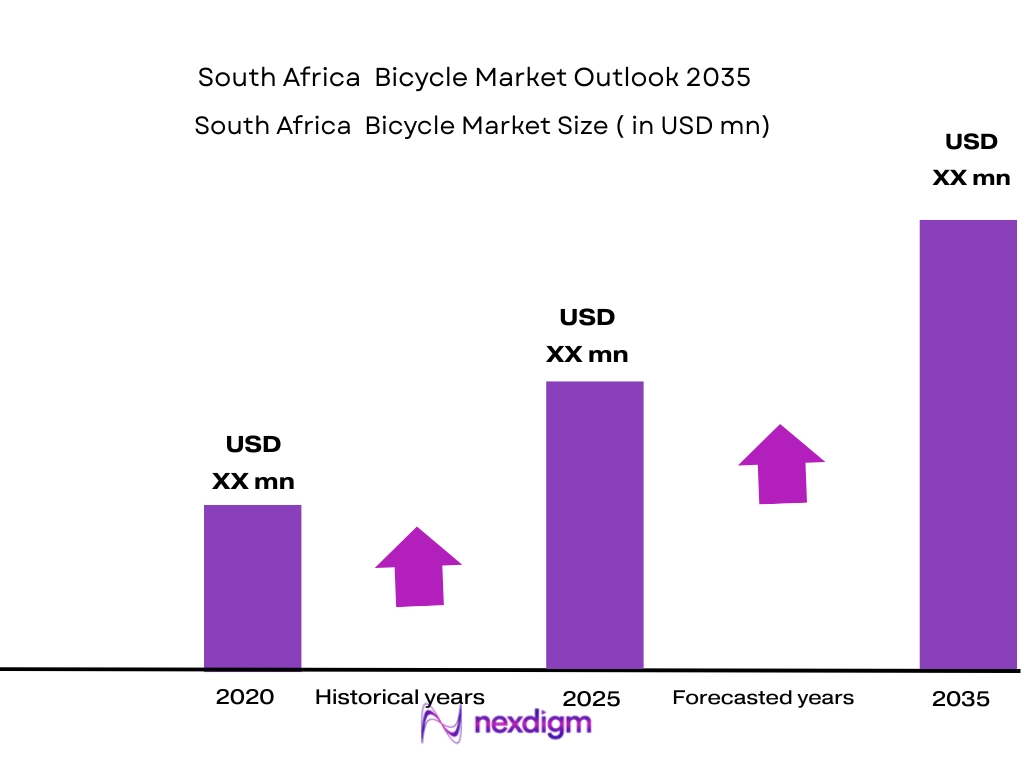
The South Africa Bicycle Market is expected to reach a value of approximately USD ~ million based on a recent historical assessment. The market is driven by growing awareness about health and fitness, rising interest in sustainable transportation, and government support for cycling infrastructure. Additionally, the increased adoption of electric bicycles (e-bikes) has spurred market growth. The government’s commitment to reducing urban congestion and promoting environmentally friendly transportation solutions has resulted in more investments in cycling infrastructure, making bicycles an attractive alternative to traditional modes of transport.
Major cities such as Cape Town, Johannesburg, and Durban are leading the demand for bicycles due to their growing urban populations and increased investments in cycling infrastructure. The government is focusing on building safe cycling lanes, bike-sharing programs, and promoting cycling as an eco-friendly alternative to private vehicle use. Cape Town, with its scenic routes, has also become a popular destination for cycling tourism, while Johannesburg and Durban benefit from government initiatives aimed at improving urban mobility and reducing traffic congestion, making these cities key drivers of the market.
Market Segmentation
By Bicycle Type
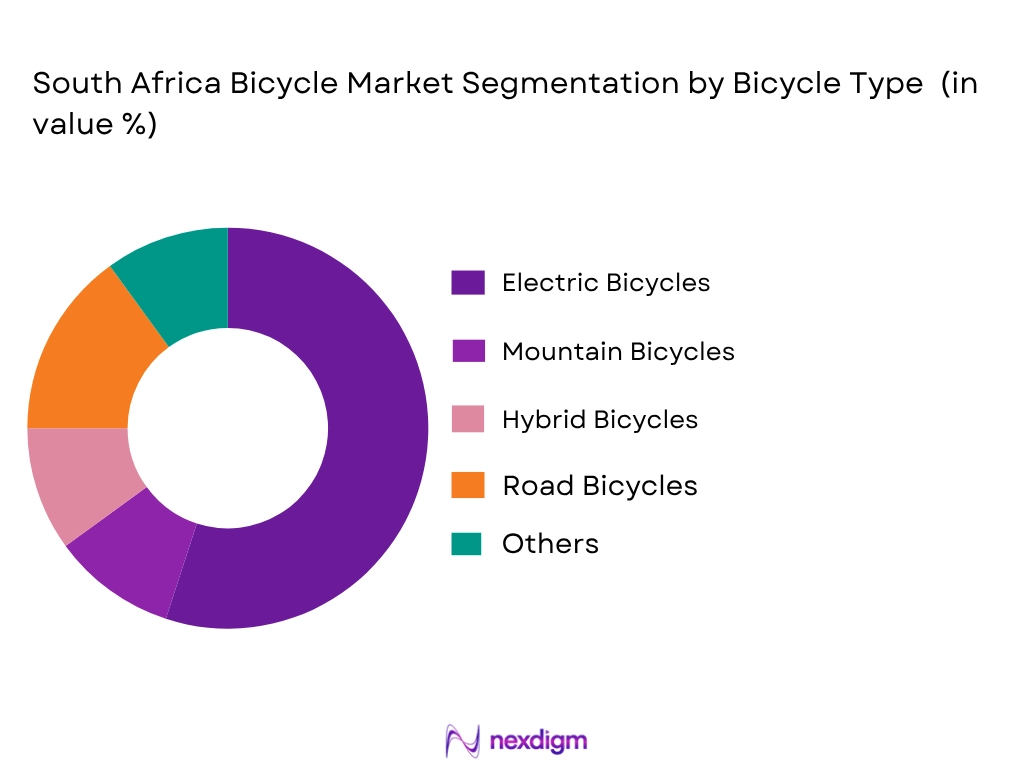
The South Africa Bicycle Market is segmented by product type into road bicycles, mountain bicycles, hybrid bicycles, electric bicycles, and others. Recently, electric bicycles have emerged as the dominant sub-segment, driven by their convenience, eco-friendliness, and the increasing demand for alternative transportation options. E-bikes are especially attractive in urban areas, where they provide a faster and more comfortable commuting option compared to traditional bicycles. Their popularity is further supported by government incentives for green mobility and increasing infrastructure for electric vehicle charging, making e-bikes a preferred choice for many urban dwellers.
By Distribution Channel
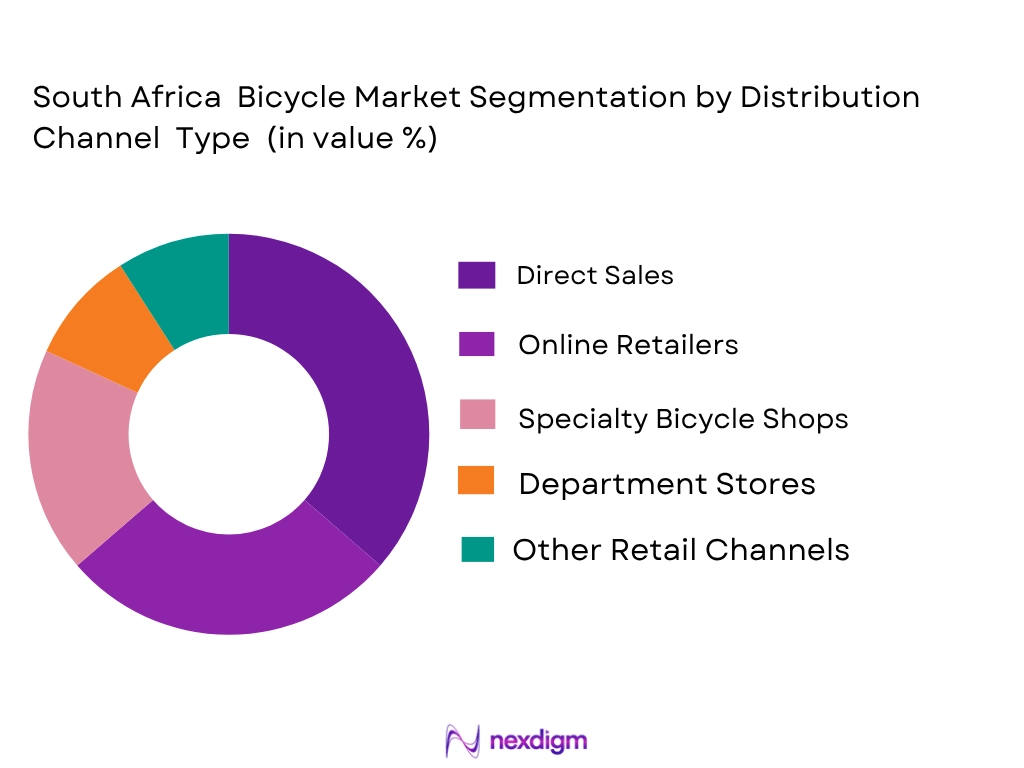
The South Africa Bicycle Market is segmented by distribution channels into direct sales, online retailers, specialty bicycle shops, department stores, and other retail channels. Online retailers have become the dominant sub-segment, largely driven by the convenience of purchasing from home, especially during the pandemic. The rise of e-commerce platforms has made it easier for consumers to access a wide range of bicycle models at competitive prices, while also offering direct-to-door delivery services. This trend is expected to continue as more consumers prefer the convenience of online shopping over traditional retail channels.
Competitive Landscape
The South African bicycle market is competitive, with both global and local players contributing to the market’s growth. International brands have a strong presence in the country, offering a range of bicycles, including road bikes, mountain bikes, and e-bikes. Local companies are also increasing their market share by catering to the demand for affordable, high-performance bicycles. The market is becoming more consolidated, with major players expanding their product offerings to include advanced cycling technology such as electric bicycles and smart cycling solutions. Competitive strategies include focusing on product innovation, establishing strong distribution networks, and offering after-sales services.
| Company Name | Establishment Year | Headquarters | Technology Focus | Market Reach | Key Products | Revenue | Market-specific Parameter |
| Trek Bicycle Corporation | 1976 | USA | ~ | ~ | ~ | ~ | ~ |
| Giant Bicycles | 1972 | Taiwan | ~ | ~ | ~ | ~ | ~ |
| Specialized Bicycle Components | 1974 | USA | ~ | ~ | ~ | ~ | ~ |
| Merida Industry Co. Ltd. | 1972 | Taiwan | ~ | ~ | ~ | ~ | ~ |
| Shimano Inc. | 1921 | Japan | ~ | ~ | ~ | ~ | ~ |
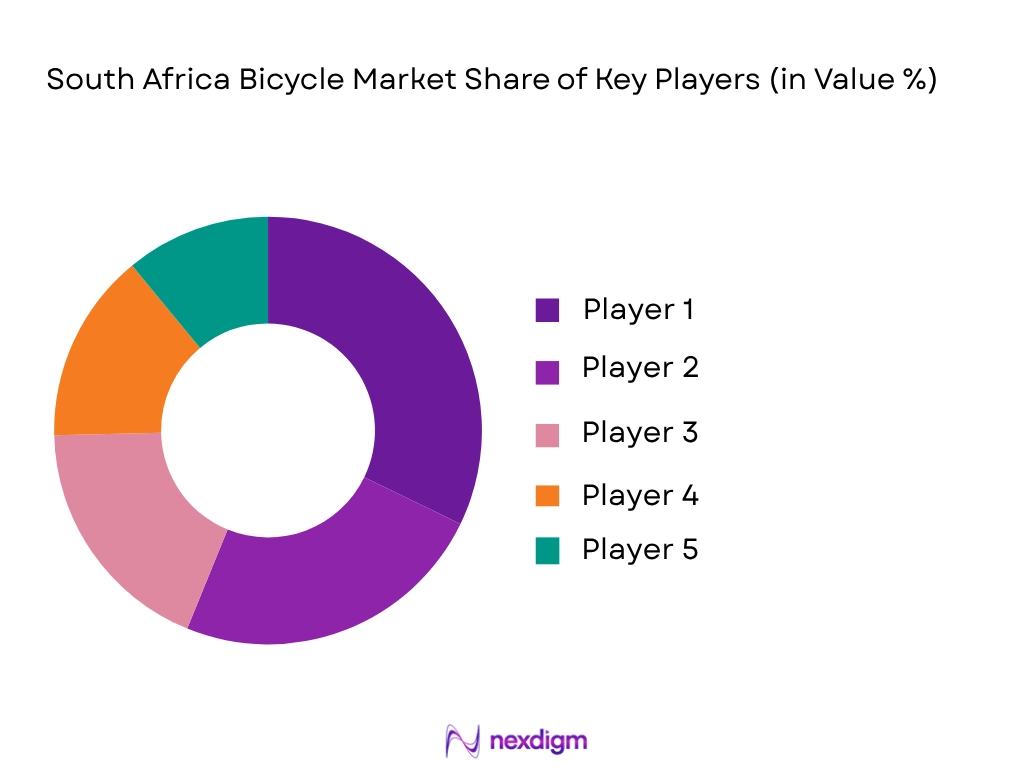
South Africa Bicycle Market Analysis
Growth Drivers
Increasing health and fitness awareness
As South Africa’s population becomes more health-conscious, the demand for cycling as a form of physical activity is increasing. Cycling is seen as an effective and low-impact exercise, ideal for improving cardiovascular health and promoting overall fitness. With a rising focus on maintaining healthy lifestyles, bicycles are gaining popularity among fitness enthusiasts of all ages. The trend is also fueled by the growing number of cycling events, including marathons and recreational rides, which encourage individuals to participate in physical activities. As health awareness continues to rise, cycling will remain a preferred activity for both exercise and recreation, contributing to the market’s growth.
Government initiatives promoting sustainable transportation
The South African government is increasingly supporting sustainable transportation through policies and infrastructure investments. As urban congestion and air pollution continue to be major issues in cities, the government is actively promoting bicycles as an eco-friendly alternative to traditional modes of transport. This includes the development of cycling-friendly infrastructure, such as dedicated bike lanes and bike-sharing programs. These initiatives are aimed at reducing traffic, lowering carbon emissions, and encouraging green mobility. With these ongoing government efforts, cycling is becoming a more viable and attractive mode of transport, driving the growth of the bicycle market in South Africa.
Market Challenges
High import dependency and supply chain issues
One of the main challenges in the South African bicycle market is the high dependency on imports. Most bicycles and bicycle components are sourced from international markets, particularly Asia and Europe. This reliance on foreign suppliers increases the cost of bicycles and makes the market vulnerable to global trade disruptions. Additionally, supply chain issues, including shipping delays and rising international freight costs, have the potential to further raise prices and affect product availability. As the demand for bicycles continues to grow, South Africa’s dependence on imports may limit the market’s ability to meet local demand efficiently.
Limited cycling infrastructure in certain regions
While major cities like Cape Town and Johannesburg are making significant strides in cycling infrastructure, many other regions in South Africa still lack adequate facilities for cyclists. The absence of dedicated bike lanes, secure parking spaces, and cycling-friendly roads creates safety concerns and discourages potential cyclists from choosing bicycles as a mode of transport. In rural and less-developed areas, the lack of investment in cycling infrastructure remains a key barrier to widespread adoption. As a result, the market faces challenges in reaching its full potential without improvements in infrastructure that would make cycling safer and more accessible to a larger population.
Opportunities
Expansion of electric bicycle adoption
The increasing popularity of electric bicycles (e-bikes) presents a significant opportunity for the South African bicycle market. E-bikes offer an attractive solution for commuters who want to reduce travel time while avoiding the physical strain associated with traditional bicycles. With South Africa’s growing urban congestion, e-bikes are seen as a more efficient, eco-friendly, and cost-effective alternative to cars, especially for short-distance travel. Additionally, improvements in battery technology and government incentives for green transportation are likely to further fuel the adoption of e-bikes. The rising demand for e-bikes offers considerable growth potential for the South African bicycle market.
Growth of cycling tourism and recreational biking
South Africa’s diverse landscapes and scenic beauty make it an ideal destination for cycling tourism. The country’s extensive network of mountain trails, coastal routes, and rural areas attracts both local and international cyclists. The increasing popularity of recreational biking, including mountain biking and long-distance road cycling, presents a growing market segment. Cycling tourism has the potential to drive sales of high-performance bikes, accessories, and services, contributing to the growth of the overall bicycle market. As more tourists visit South Africa for cycling events and recreational biking experiences, this segment will continue to expand, creating additional opportunities for market growth.
Future Outlook
The future of the South African bicycle market looks promising, with sustained growth expected over the next five years. Urban mobility trends, supported by government investments in cycling infrastructure, will continue to drive the market. E-bikes, in particular, are set to see strong growth, with advancements in technology making them more affordable and efficient. Additionally, the growing focus on health, fitness, and environmental sustainability will keep the demand for bicycles high, particularly in urban centers. As more cities adopt bike-friendly policies and infrastructure, the bicycle market is poised for significant expansion.
Major Players
- Trek Bicycle Corporation
- Giant Bicycles
- Specialized Bicycle Components
- Merida Industry Co. Ltd.
- Cannondale Bicycle Corporation
- Bianchi
- Fuji Bikes
- Raleigh Bicycle Company
- Schwinn Bikes
- Canyon Bicycles
- Scott Sports
- Bulls Bikes
- Orbea
- GT Bicycles
- Santa Cruz Bicycles
Key Target Audience
- Investments and venture capitalist firms
- Government and regulatory bodies
- Bicycle manufacturers and suppliers
- Retailers and e-commerce platforms
- Urban planning authorities
- Fitness and wellness organizations
- Cycling event organizers
- Environmental organizations
Research Methodology
Step 1: Identification of Key Variables
Key market variables, including product types, distribution channels, and technological trends, were identified based on primary and secondary research sources.
Step 2: Market Analysis and Construction
Market size, segmentation, and growth projections were analyzed using data from industry reports, expert consultations, and market surveys.
Step 3: Hypothesis Validation and Expert Consultation
The initial market model and hypotheses were validated through consultations with industry experts, manufacturers, and distributors.
Step 4: Research Synthesis and Final Output
The final report synthesizes findings from research, including key drivers, challenges, and opportunities, to provide actionable insights for stakeholders.

- Executive Summary
- Research Methodology (Market Definitions and Assumptions,
Abbreviations, Market Sizing Approach, Consolidated Research Approach, Understanding Market Potential Through In-Depth Industry Interviews, Primary Research Approach, Limitations and Future Conclusions)

- Definition and Scope
- Market Dynamics Overview
- Market Genesis
- Major Players and Market Timeline
- Business Cycle and Trends
- Supply Chain and Value Chain Analysis

- Growth Drivers
Increasing health and fitness awareness
Government initiatives promoting sustainable transportation
Growing urban mobility and cycling infrastructure
Rising demand for eco-friendly transportation solutions - Market Challenges
High import dependency and supply chain issues
Limited cycling infrastructure in certain regions
Price sensitivity and affordability concerns
Intense competition from other transportation modes - Opportunities
Expansion of electric bicycle adoption
Growth of cycling tourism and recreational biking
Development of bike-sharing programs
Rising demand for specialty and high-performance bicycles - Trends
Increasing popularity of electric bicycles (e-bikes)
Shift towards lightweight and durable bicycle materials
Focus on eco-friendly and sustainable production
Rising interest in smart bicycles with integrated technology - Government Regulations
Import and Product Quality Regulations
Cycling Infrastructure and Safety Standards
Transport and Mobility Policies
Environmental Regulations - SWOT Analysis
- Porter’s Five Forces

- By Value, 2020-2025
- By Volume, 2020-2025
- By Average Price, 2020-2025

- By Bicycle Type (In Value %)
Road Bicycles
Mountain Bicycles
Hybrid Bicycles
Electric Bicycles
Others - By Usage Type (In Value %)
Sports and Fitness
Commuting and Urban Mobility
Leisure and Recreation - By Distribution Channel (In Value %)
Direct Sales
Online Retailers
Specialty Bicycle Shops
Department Stores
Other Retail Channels - By Price Tier (In Value %)
Economy / Entry-Level
Mid-Tier
Premium / High-End

- Market Share of Major Players by Value/Volume
- Market Share of Major Players by Bicycle Type
- Market Share of Major Players by Distribution Channel
- Cross Comparison Parameters(Company Overview, Business Strategies, Recent Developments, Strength, Weakness, Organizational Structure, Revenues, Revenues by Bicycle Type, Number of Retail Outlets, Distribution Channels, Margins, Production Capabilities, Unique Value Offering)
- SWOT Analysis of Major Players
- Pricing Analysis Based on Bicycle Categories for Major Players
- Detailed Profiles of Major Companies
Trek Bicycle Corporation
Giant Bicycles
Specialized Bicycle Components
Merida Industry Co. Ltd.
Cannondale Bicycle Corporation
Bianchi
Fuji Bikes
Raleigh Bicycle Company
Schwinn Bikes
Canyon Bicycles
Scott Sports
Bulls Bikes
Orbea
GT Bicycles

- Market Demand and Utilization
- Purchasing Power and Budget Allocations
- Regulatory and Compliance Requirements
- Needs, Desires, and Pain Point Analysis
- Decision-Making Process

- By Value, 2026-2035
- By Volume, 2026-2035
- By Average Price, 2026-2035


 Request a Sample
 Ask for Customization
 Get a Quote
 Enquire Now