
 Download PDF
Market Overview
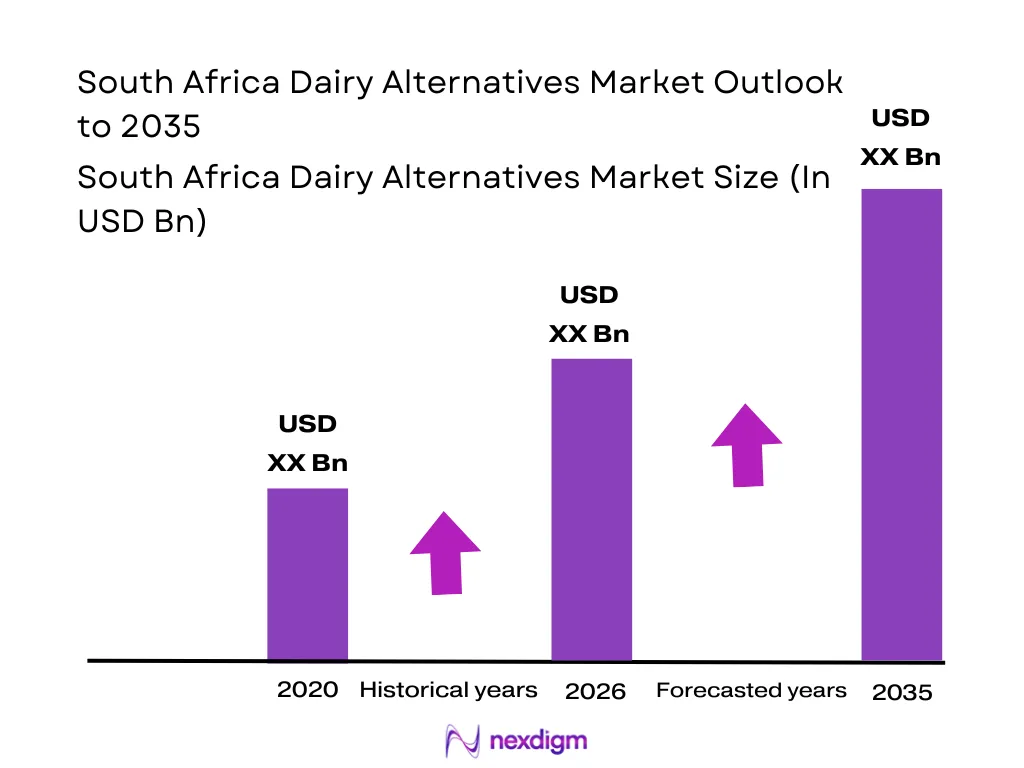
The South Africa Dairy Alternatives Market is supported by increasing consumer awareness regarding lactose intolerance, rising adoption of plant-based nutrition, and expanding retail penetration of dairy-free products. The market generated nearly USD ~ million in retail sales, while plant-based milk products accounted for a significant portion of category consumption across supermarkets and specialty wellness stores. Almond milk, soy milk, and oat milk continue to dominate product demand because of their nutritional positioning, lactose-free formulation, and growing adoption among health-conscious consumers. Increasing café usage of oat and almond milk beverages has further accelerated market penetration across metropolitan regions.
Cities and regions such as Johannesburg, Cape Town, Durban, Gauteng, and Western Cape dominate the South Africa Dairy Alternatives Market due to stronger retail infrastructure, higher disposable incomes, and growing vegan and flexitarian populations. Gauteng remains a major consumption hub because of dense urbanization and the concentration of premium retail chains and café networks. Western Cape has emerged as a strong regional market because of sustainability-focused consumer behavior and increasing adoption of organic and clean-label food products. Expansion of modern retail stores and specialty health outlets across urban centers continues supporting higher accessibility to plant-based dairy products.
Market Segmentation
By Product Type
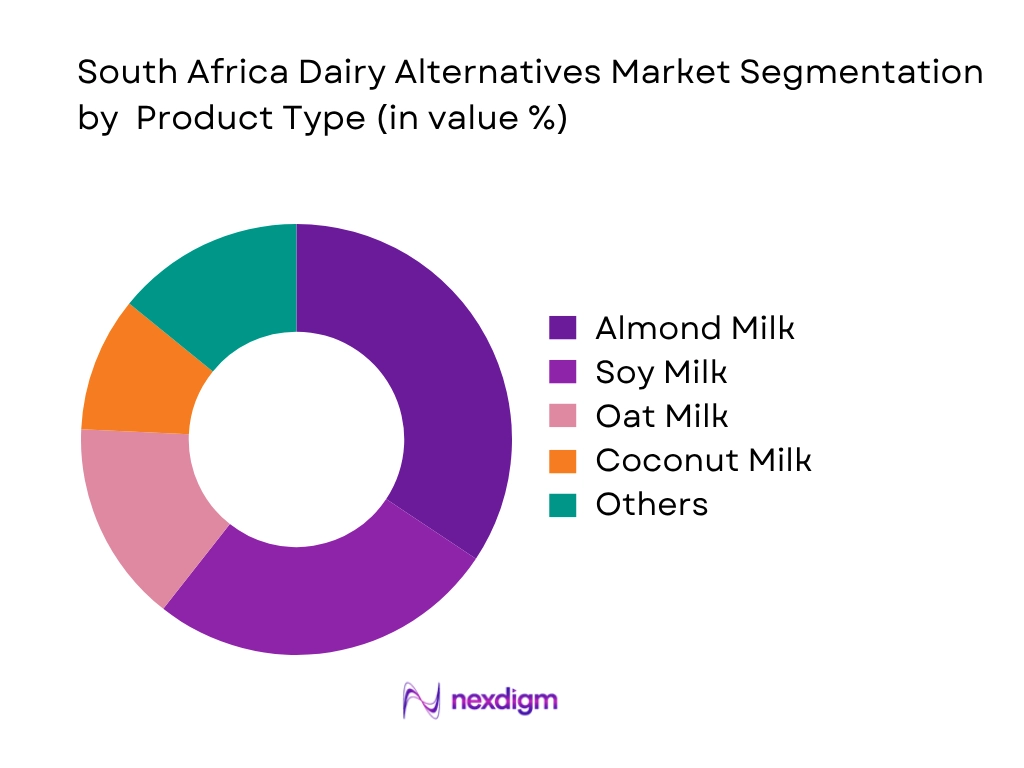
The South Africa Dairy Alternatives Market is segmented by product type into almond milk, soy milk, oat milk, coconut milk, rice milk, cashew milk, pea protein milk, dairy-free yogurt, dairy-free cheese, and dairy-free creamers. Almond milk dominates the South Africa Dairy Alternatives Market under the product type segmentation due to its strong premium positioning, low-calorie profile, and broad consumer acceptance among urban households. Consumers increasingly perceive almond milk as a healthier alternative to conventional dairy because of its lactose-free composition and vitamin fortification. Strong shelf availability across supermarkets and café adoption further support the dominance of this category. Additionally, almond milk benefits from increasing demand among fitness-oriented and wellness-conscious consumers seeking low-fat and cholesterol-free beverage alternatives. Oat milk is witnessing strong momentum due to café penetration and barista adoption, but almond milk continues maintaining leadership because of stronger household familiarity and greater availability across retail channels.
By Distribution Channel
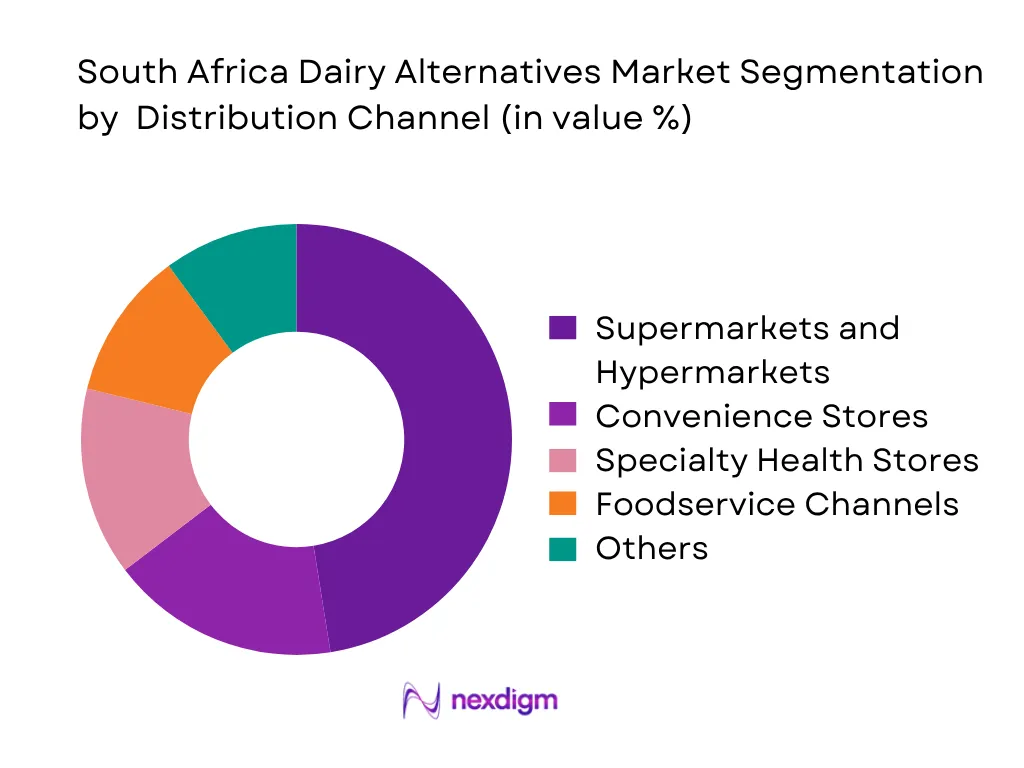
The South Africa Dairy Alternatives Market is segmented by distribution channel into supermarkets and hypermarkets, convenience stores, specialty health stores, online retail platforms, foodservice channels, and pharmacies and wellness stores. Supermarkets and hypermarkets dominate the South Africa Dairy Alternatives Market because they offer wider product assortments, greater shelf visibility, and stronger accessibility to premium dairy-free products. Retail chains continue expanding dedicated plant-based product sections to address rising consumer demand for lactose-free and vegan food categories. These stores provide multiple packaging options, promotional campaigns, and access to domestic and imported dairy alternative brands, encouraging higher purchase frequency. Their extensive cold-chain infrastructure and inventory management systems also ensure better product availability and freshness maintenance. Although online retail channels are witnessing gradual expansion through digital grocery platforms, physical retail continues dominating because consumers prefer checking nutritional labels, ingredients, and product freshness before purchasing dairy alternative beverages and yogurts.
Competitive Landscape
The South Africa Dairy Alternatives Market is moderately consolidated, with leading manufacturers competing through product innovation, nutritional fortification, sustainability initiatives, and retail expansion strategies. Market participants are increasingly focusing on clean-label formulations, protein-enriched beverages, and recyclable packaging solutions to strengthen consumer engagement. The market is also witnessing growing competition from private-label brands and emerging local manufacturers specializing in oat milk, almond milk, and functional dairy-free beverages.
| Company | Establishment Year | Headquarters | Key Product Focus | Distribution Strength | Production Facilities | Sustainability Initiatives | Foodservice Presence | Innovation Focus |
| Danone South Africa | 1919 | Johannesburg, South Africa | ~ | ~ | ~ | ~ | ~ | ~ |
| Clover Industries Limited | 1898 | Roodepoort, South Africa | ~ | ~ | ~ | ~ | ~ | ~ |
| Alpro | 1980 | Ghent, Belgium | ~ | ~ | ~ | ~ | ~ | ~ |
| Oatly | 1994 | Malmö, Sweden | ~ | ~ | ~ | ~ | ~ | ~ |
| Woolworths Private Label | 1931 | Cape Town, South Africa | ~ | ~ | ~ | ~ | ~ | ~ |
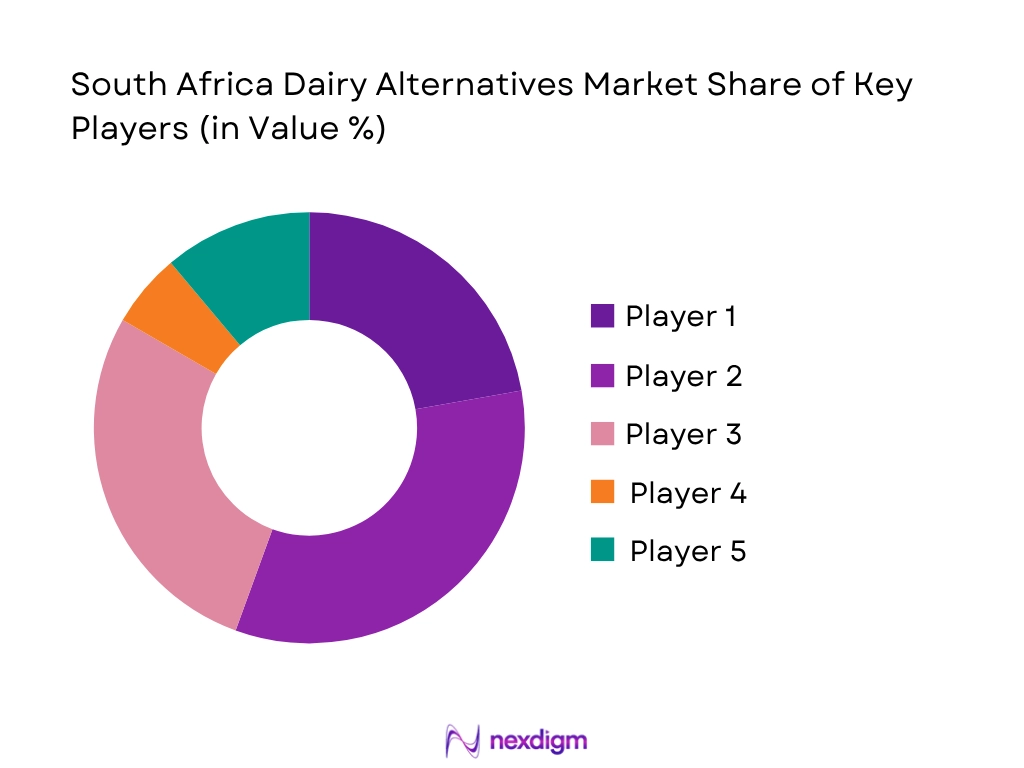
South Africa Dairy Alternatives Market Analysis
Growth Drivers
Rising Lactose Intolerance Cases
The increasing prevalence of lactose intolerance in South Africa is significantly supporting demand for dairy alternatives, particularly soy, almond, and oat-based beverages. Lactose malabsorption affects a substantial proportion of African-origin populations, creating increasing demand for lactose-free nutritional products. South Africa’s population exceeded 63 million, expanding the consumer base for dairy-free products and functional nutrition alternatives. Urbanization levels crossed 68% of the total population, increasing consumer exposure to modern retail channels and health-focused food categories. Rising healthcare expenditure and growing awareness regarding digestive wellness are encouraging consumers to shift toward lactose-free dairy alternatives across supermarkets, cafés, and specialty wellness stores.
Increasing Vegan and Flexitarian Population
The growing vegan and flexitarian population in South Africa is strengthening demand for dairy alternatives because of increasing awareness regarding sustainability, animal welfare, and healthier food consumption habits. Household consumption expenditure on health-focused food categories continues increasing among middle-income and premium consumers. South Africa’s younger population demographic has emerged as a major driver for plant-based dietary adoption, particularly across urban regions such as Gauteng and Western Cape. Increasing internet penetration and social media exposure have accelerated awareness regarding vegan lifestyles, clean-label nutrition, and environmentally sustainable diets. Rising café penetration and expansion of wellness-focused retail stores are further supporting higher adoption of dairy-free beverages and plant-based nutritional products.
Market Challenges
High Product Pricing Compared to Conventional Dairy
Higher retail pricing of dairy alternatives compared to conventional dairy products remains a major challenge limiting broader consumer adoption in South Africa. Elevated food inflation and high unemployment levels continue affecting household purchasing power, particularly among lower-income consumers. Dairy alternative manufacturers also face higher dependency on imported ingredients such as almonds, oats, and specialty plant proteins, increasing production and logistics costs. Currency fluctuations and supply chain disruptions further impact retail pricing of premium dairy-free beverages. Conventional dairy products maintain stronger affordability and wider penetration across rural markets, making price competitiveness a major operational challenge for plant-based dairy manufacturers.
Limited Local Raw Material Availability
Limited domestic production of almonds, oats, cashews, and peas continues constraining the scalability of South Africa’s dairy alternatives industry. Agricultural production remains concentrated in traditional crops such as maize, citrus, and sugarcane, while commercial cultivation of plant-based dairy raw materials remains comparatively limited. Water scarcity and climate-related agricultural challenges continue restricting crop diversification and long-term raw material availability. Electricity shortages and logistics disruptions also negatively impact food manufacturing operations and cold-chain distribution systems. These supply-side limitations increase dependency on imported ingredients and create procurement volatility for dairy alternative manufacturers and private-label suppliers operating within South Africa.
Market Opportunities
Growth in Barista-Grade Plant-Based Milk
The increasing expansion of café culture and specialty coffee consumption in South Africa is creating strong opportunities for barista-grade plant-based milk products. Foodservice operators and café chains are increasingly offering oat and almond milk options to address evolving consumer preferences for premium dairy-free beverages. Urban consumers are demonstrating higher willingness to spend on specialty coffee experiences and functional beverages. Tourism growth and hospitality sector expansion are also supporting demand for premium café products across Johannesburg, Cape Town, and Durban. Oat milk products are gaining popularity due to their foam stability, texture consistency, and compatibility with espresso-based beverages, creating significant growth opportunities for dairy alternative manufacturers.
Expansion into Tier-II and Tier-III Cities
Expansion of modern retail infrastructure into Tier-II and Tier-III cities across South Africa presents substantial opportunities for dairy alternative manufacturers. Retail supermarket chains continue extending operations into secondary urban centers and township economies, improving accessibility to premium packaged food categories. Growing urban migration and rising household consumption expenditure outside metropolitan regions are supporting increased demand for plant-based nutritional products. Improved logistics infrastructure and increasing digital payment adoption are further facilitating product availability across provincial markets. Rising health awareness and exposure to wellness-focused digital content are encouraging consumers in smaller cities to adopt lactose-free and plant-based dairy products, creating new growth clusters beyond major metropolitan regions.
Future Outlook
The South Africa Dairy Alternatives Market is expected to witness substantial growth over the coming years due to increasing consumer preference for healthier and environmentally sustainable food products. Rising awareness regarding lactose intolerance and expanding vegan dietary adoption are expected to strengthen demand for dairy-free beverages, yogurts, and creamers across urban and semi-urban regions. Manufacturers are expected to focus on clean-label formulations, protein enrichment, and sugar-free innovations to attract health-conscious consumers. The expansion of café chains and foodservice partnerships is likely to accelerate demand for premium oat milk and almond milk beverages. Increasing investments in recyclable packaging, sustainable sourcing practices, and functional nutrition products are expected to strengthen long-term industry expansion across South Africa.
Major Players
- Danone South Africa
- Clover Industries Limited
- Nestlé South Africa
- Nature’s Choice
- Good Hope Foods
- The Fry Family Food Co.
- Alpro
- Oatly
- Califia Farms
- So Good
- Nature’s Nutrition
- Woolworths Private Label
- Checkers and Shoprite Private Label
- Pick n Pay Private Label
- Simple Truth Plant-Based
Key Target Audience
- Plant-Based Beverage Manufacturers
- Dairy-Free Yogurt and Cheese Producers
- Retail Supermarket Chains
- Foodservice and Café Operators
- Ingredient and Plant Protein Suppliers
- Investments and Venture Capitalist Firms
- Government and Regulatory Bodies
- Packaging and Sustainable Material Providers
Research Methodology
Step 1: Identification of Key Variables
The initial stage involved identifying critical variables influencing the South Africa Dairy Alternatives Market, including product innovation, retail penetration, vegan dietary adoption, lactose intolerance prevalence, and café consumption trends. Extensive secondary research was conducted using trade databases, government publications, retail intelligence reports, and company disclosures to understand the market ecosystem and value chain structure.
Step 2: Market Analysis and Construction
Historical market analysis was conducted using retail sales performance, consumption trends, import-export statistics, and product launch data related to dairy alternative categories. Market estimations were developed through bottom-up calculations based on product segmentation, regional demand patterns, and distribution channel performance across South Africa.
Step 3: Hypothesis Validation and Expert Consultation
The preliminary market findings were validated through interviews with dairy alternative manufacturers, distributors, retail category managers, and foodservice operators. These consultations provided operational insights regarding pricing trends, shelf expansion strategies, product innovation, and consumer preference shifts within South Africa’s plant-based dairy ecosystem.
Step 4: Research Synthesis and Final Output
The final phase involved consolidating qualitative and quantitative findings to produce a comprehensive market assessment. Cross-validation techniques were utilized using trade statistics, manufacturer disclosures, and retail intelligence data to ensure consistency and reliability of market estimates, segmentation analysis, and future growth projections.

- Executive Summary
- Research Methodology
(Market Definitions and Assumptions, Abbreviations, Research Framework, Bottom-Up Market Estimation, Top-Down Validation, Consumption Mapping, Retail Audit Analysis, Trade Flow Assessment, Primary Interviews with Manufacturers and Retailers, Forecasting Model, Limitations and Assumptions)

- Definition and Scope
- Evolution of Plant-Based Dairy Consumption in South Africa
- Industry Ecosystem and Stakeholder Mapping
- Supply Chain and Value Chain Analysis
- Raw Material Procurement Landscape

- Growth Drivers
Rising Lactose Intolerance Cases
Increasing Vegan and Flexitarian Population
Expansion of Modern Retail Infrastructure
Rising Demand for Functional Nutrition
Increasing Café Adoption of Plant-Based Milk - Market Challenges
High Product Pricing Compared to Conventional Dairy
Limited Local Raw Material Availability
Consumer Taste and Texture Preferences
Supply Chain Volatility - Market Opportunities
Growth in Barista-Grade Plant-Based Milk
Expansion into Tier-II and Tier-III Cities
Product Innovation in Protein-Enriched Alternatives
Private Label Expansion - Market Trends
Clean Label and Preservative-Free Formulations
Sustainable and Recyclable Packaging Adoption
Demand for Functional and Immunity-Boosting Ingredients
Localized Flavor Innovation
Growth in Organic Dairy Alternatives - Government Regulations
Food Labeling Regulations
Import and Tariff Policies
Plant-Based Product Compliance Standards
Sustainability and Packaging Regulations - Porter’s Five Forces Analysis
PESTLE Analysis
Pricing Analysis
Competition Ecosystem

- By Value, 2020-2025
- By Volume, 2020-2025
- By Average Selling Price, 2020-2025
- By Per Capita Consumption, 2020-2025

- By Product Type (in Value %)
Almond Milk
Soy Milk
Oat Milk
Coconut Milk
Others - By Formulation Type (in Value %)
Sugar Content
Fortification Level
Organic Penetration
Functional Ingredient Usage
Clean Label Preference - By Distribution Channel (in Value %)
Supermarkets and Hypermarkets
Convenience Stores
Specialty Health Stores
Foodservice Channels
Others - By End User (in Value %)
Vegan Population
Flexitarian Adoption
Lactose Intolerance Prevalence
Fitness-Oriented Consumption
Foodservice Utilization - By Packaging Type (in Value %)
Shelf Life
Recyclability Rate
Packaging Cost
Retail Visibility
Portability - By Region (in Value %)
Gauteng
Western Cape
KwaZulu-Natal
Eastern Cape
Free State
Rest of South Africa

- Market Share Analysis of Major Players on the Basis of Revenue and Volume
- Cross Comparison Parameters (Company Overview, Product Portfolio Breadth, Plant-Based SKU Count, Fortification Strategy, Distribution Reach, Retail Shelf Presence, Manufacturing Capacity, Sustainability Commitments, Ingredient Sourcing Strategy, Foodservice Partnerships, Online Penetration, Pricing Positioning, Innovation Pipeline, Packaging Formats, Regional Penetration, Strategic Collaborations)
- Competitive Benchmarking Matrix
- SWOT Analysis of Major Players
- Pricing Analysis by Product Category and SKU
- Detailed Profiles of Major Companies
Danone South Africa
Clover Industries Limited
Nestlé South Africa
Nature’s Choice
Good Hope Foods
The Fry Family Food Co.
Alpro
Oatly
Califia Farms
So Good
Nature’s Nutrition
Woolworths Private Label
Checkers and Shoprite Private Label
Pick n Pay Private Label
Simple Truth Plant-Based

- Consumption Frequency Analysis
- Consumer Spending and Basket Analysis
- Brand Loyalty and Switching Behavior
- Purchase Decision Parameters
- Health and Wellness Preference Mapping

- By Value, 2026-2030
- By Volume, 2026-2030
- By Average Selling Price, 2026-2030
- By Per Capita Consumption, 2026-2030


 Request a Sample
 Ask for Customization
 Get a Quote
 Enquire Now