
 Download PDF
Market Overview
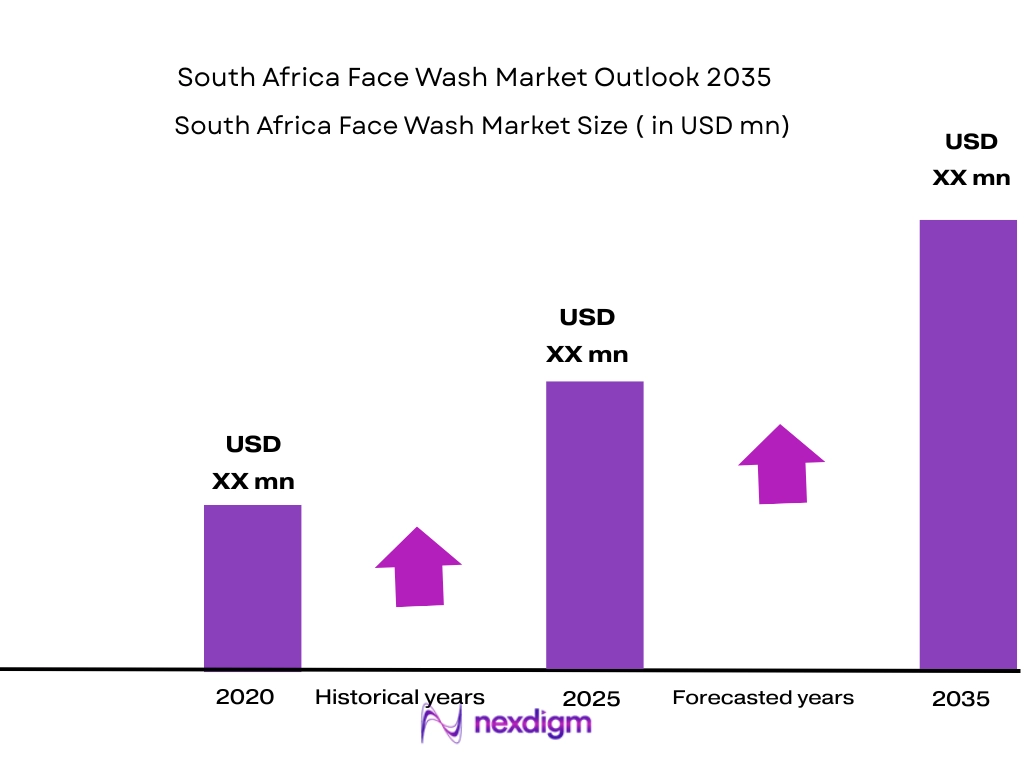
The South Africa face wash market is valued at USD ~ million in 2024, reflecting the direct commercial revenues generated by cleansing products designed to remove dirt, oil, and impurities from the skin. This market is propelled by rising consumer awareness of skincare regimes, increasing disposable incomes, and broader adoption of facial self‑care routines. Urbanization and growth in retail and online distribution channels are sustaining consumption levels across both female and male consumer segments.
Dominance in the South African face wash market is concentrated in metropolitan cities such as Johannesburg, Cape Town, Pretoria, and Durban, where population density, higher per capita income, and broad retail infrastructure create substantial demand. These urban centres host a dense concentration of cosmetic retailers, e‑commerce fulfilment hubs, and brand activations, enhancing product accessibility. Consumer sophistication and early adoption of global beauty trends also contribute to higher spend per capita in these regions.Forecast analysis from industry intelligence indicates the South Africa face wash market is projected to grow at a compound annual growth rate (CAGR) of around 6.42% between 2024 and 2030, reflecting medium‑term expansion driven by product innovation, broader distribution penetration, and the personal care segment’s integration with health and wellness consumer behaviour.
Market Segmentation
By Product Type
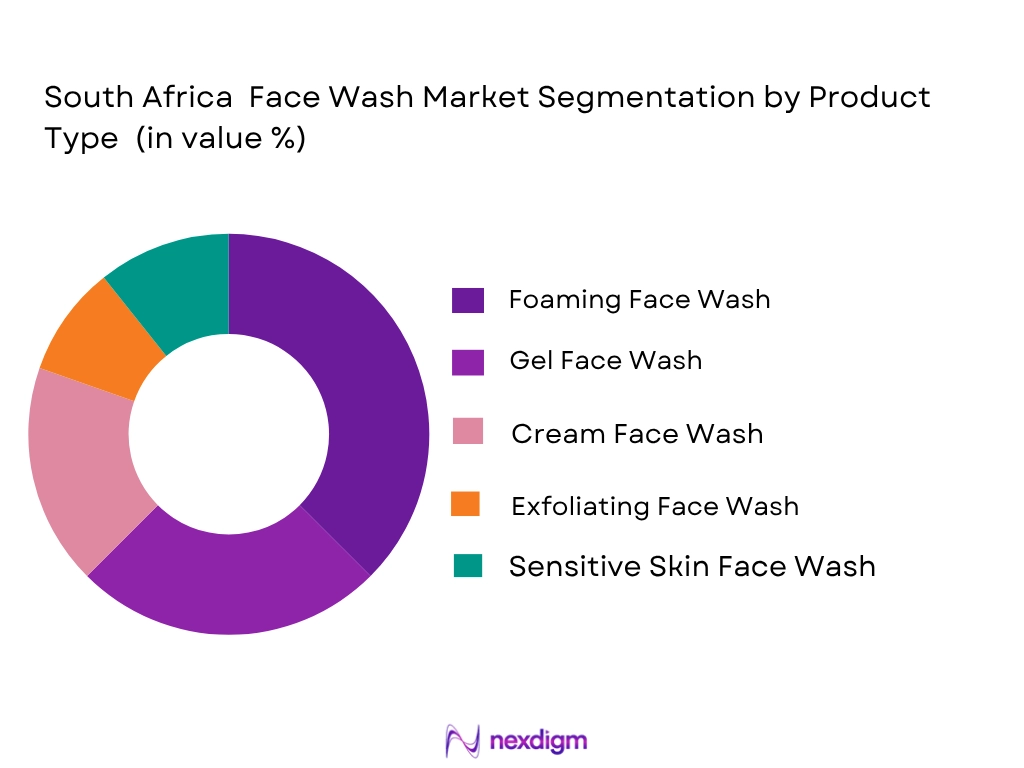
South Africa face wash market is segmented by product type into gel, foam, cream, and other formats. The gel segment currently dominates with approximately 42% share in 2024, primarily because gel formulations are perceived as highly suitable for the warm and mixed climate conditions prevalent in South Africa. Gel cleansers are typically lightweight, non‑greasy, and effective at removing excess oil and impurities, making them particularly popular among consumers with normal to oily skin types. Urban consumers have gravitated toward gel products due to preferences shaped by global skincare trends and influencer‑driven product innovations. Additionally, international brands and local formulators have concentrated product launches in the gel category given its broad appeal across demographic categories.
By Distribution Channel
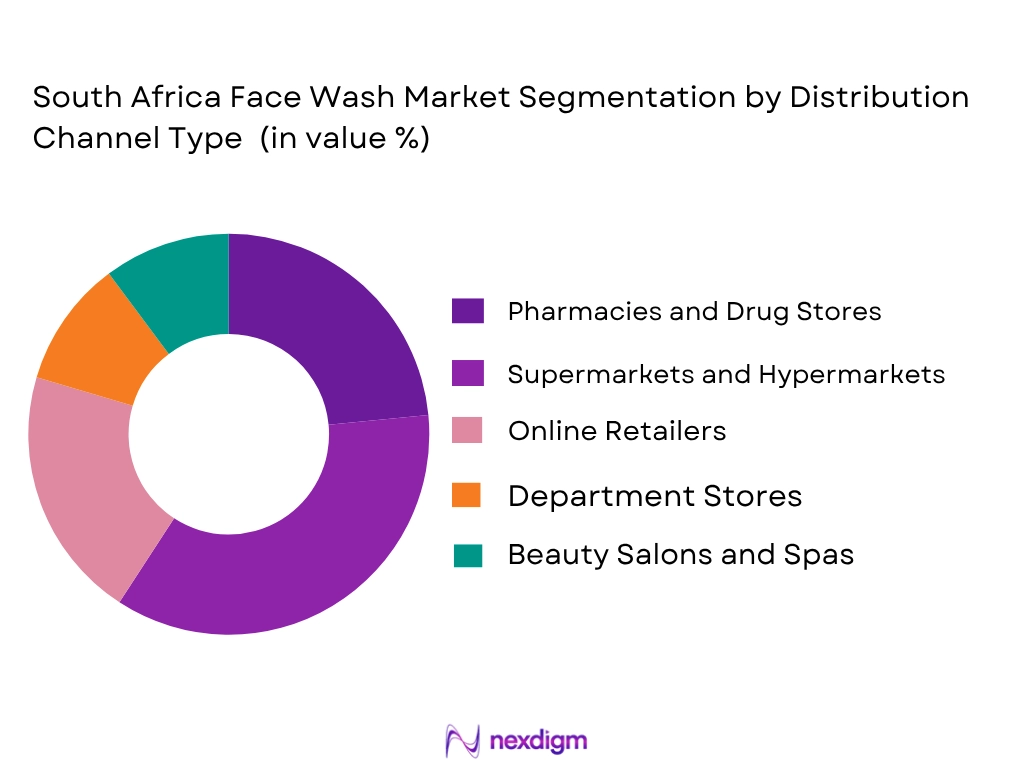
By distribution channel, supermarkets and hypermarkets hold the largest share in South Africa face wash product sales, owing to their broad geographic spread and ability to offer competitive pricing and promotional exposure. These retail formats serve as key points of purchase for daily skincare essentials, attracting both price‑sensitive consumers and premium buyers through diversified brand offerings. Pharmacies and drugstores also capture a significant portion of the market due to consumer trust in professional health outlets for recommended skincare and medicated face wash products. Online retail is rapidly expanding, driven by convenience, wider SKU availability, digital promotions, and increased penetration of e‑commerce platforms among younger consumers who prioritise digital shopping experiences.
Competitive Landscape
The South Africa face wash market exhibits a competitive structure dominated by international consumer goods firms and local personal care brands. Global cosmetic companies with established South African operations maintain strong distribution networks and brand recognition, often leveraging product innovation and marketing programmes to capture consumer loyalty. Consolidation and partnership strategies among regional distributors and retail chains further shape competitive dynamics.
| Company | Establishment Year | Headquarters | Product Range Breadth | Distribution Network | Brand Portfolio Strength | Retail Penetration | R&D Focus | Marketing Reach |
| L’Oréal South Africa | 1963 | Johannesburg, SA | ~ | ~ | ~ | ~ | ~ | ~ |
| Unilever South Africa | 1935 | Cape Town, SA | ~ | ~ | ~ | ~ | ~ | ~ |
| Procter & Gamble SA | 1911 | Durban, SA | ~ | ~ | ~ | ~ | ~ | ~ |
| Johnson & Johnson South Africa | 1946 | Johannesburg, SA | ~ | ~ | ~ | ~ | ~ | ~ |
| Beiersdorf AG (Nivea) | 1882 | Cape Town, SA | ~ | ~ | ~ | ~ | ~ | ~ |
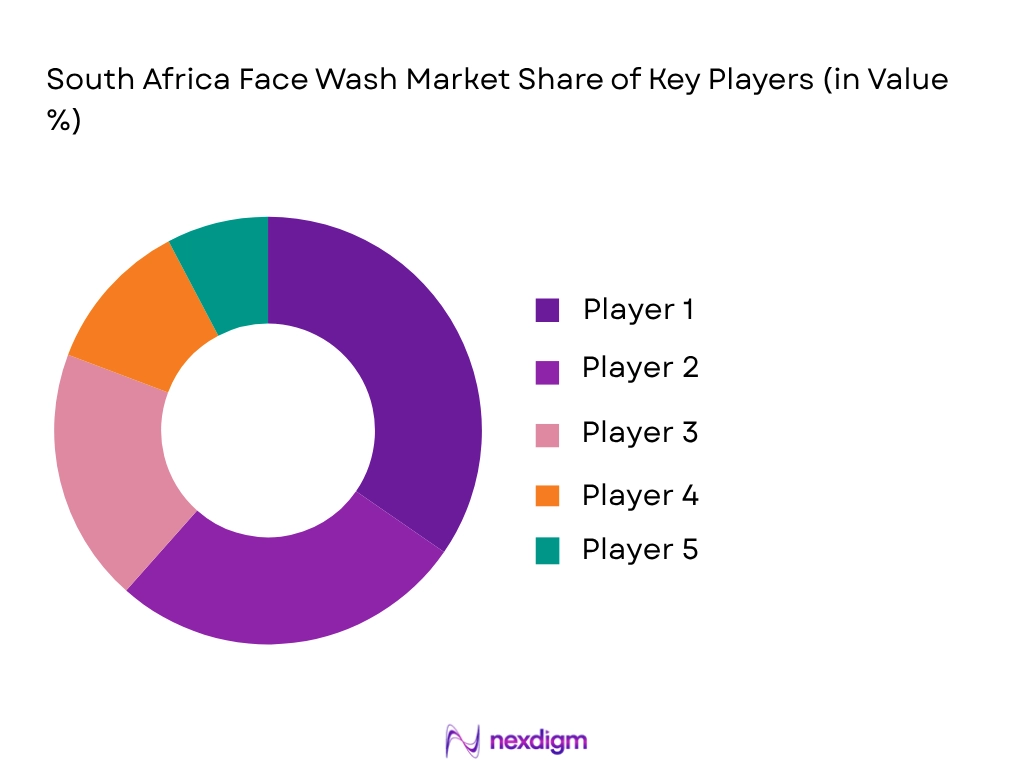
South Africa Face Wash Market Analysis
Growth Drivers
Rising Awareness of Skincare and Personal Hygiene
In South Africa, consumers are increasingly aware of the importance of personal hygiene and skin health, driven by social media, beauty campaigns, and educational initiatives. Both men and women are adopting daily skincare routines that include face washes targeting specific needs such as acne control, oil regulation, and skin hydration. Awareness of dermatologically tested products and the influence of beauty influencers are motivating consumers to invest in higher-quality products. This growing consciousness encourages trial and adoption of both local and international brands, stimulating product innovation and expansion in the face wash market. Brands offering multifunctional or problem-specific solutions are particularly well-positioned to benefit from this trend.
Increasing Disposable Income and Urbanization
Economic growth and urbanization in South Africa have expanded the middle-class consumer base with disposable income to spend on personal care products. Urban populations have better access to modern retail outlets and shopping centers that stock diverse face wash products, including premium and international brands. Higher income levels enable consumers to experiment with specialized and higher-priced skincare products, contributing to market growth. Urban lifestyles also increase demand for convenient, daily-use skincare solutions. The combination of rising disposable income and urban access creates opportunities for brands to expand offerings, introduce premium products, and target consumers willing to pay more for effective and innovative face wash formulations.
Market Challenges
High Competition Among Local and International Brands
South Africa’s face wash market is highly competitive, with established international brands competing alongside local manufacturers. This saturation drives aggressive marketing, frequent product launches, and pricing strategies that intensify competition. Smaller brands often face challenges gaining visibility and consumer trust, while major brands must innovate constantly to retain loyalty. With many alternatives available, consumers can easily switch brands based on price, perceived quality, or promotional offers. Maintaining differentiation and consistent quality is critical for survival, making the competitive landscape a significant barrier to new entrants and smaller players seeking to establish market presence.
Price Sensitivity and Brand Loyalty Issues
Despite growth in premium skincare products, a substantial portion of South African consumers remain price-conscious. Many buyers prioritize affordability over advanced formulations, which limits adoption of higher-priced or specialized face washes. Brand loyalty is often weak, as consumers may switch to alternative options offering similar benefits at lower costs. Companies need to carefully balance pricing strategies with quality and brand image, employing promotions, loyalty programs, and value-based messaging to retain consumers. Sustaining profitability while addressing price sensitivity is a persistent challenge for brands operating in the South African face wash market.
Opportunities
Development of Natural and Organic Face Wash Products
Increasing consumer preference for natural, chemical-free, and eco-friendly products presents a key growth opportunity in South Africa. Organic face washes with herbal extracts, essential oils, and sustainably sourced ingredients appeal to health-conscious and environmentally aware buyers. Marketing strategies highlighting cruelty-free certification, dermatological testing, and environmental sustainability can enhance brand credibility. Introducing natural and organic products allows brands to differentiate in a competitive market, attract a premium segment willing to pay higher prices, and build long-term loyalty among consumers seeking safer and more holistic skincare solutions.
Increasing Demand for Customized and Targeted Skincare Solutions
South African consumers are showing growing interest in personalized skincare products that address individual skin concerns such as acne, pigmentation, or dryness. Customized face washes and solutions designed for specific skin types or conditions offer a way for brands to stand out in a crowded market. Technological advancements, online consultations, and diagnostic tools enable brands to offer tailored recommendations and product formulations. Catering to this demand not only meets evolving consumer expectations but also enhances perceived value, encourages repeat purchases, and supports the introduction of innovative product lines in the South African face wash segment.
Future Outlook
Over the next decade, the South Africa face wash market is expected to sustain growth driven by continuous innovation in product formulations, expanded e‑commerce adoption, and increasing consumer focus on daily cleansing routines. Rising consumer spending power and awareness about skin health will further expand penetration beyond urban centres into peri‑urban and rural segments. Strategic partnerships between brands and digital influencers, alongside targeted marketing to male and youth consumer cohorts, will intensify market reach.
Major Players
- L’Oréal South Africa
- Unilever South Africa
- Procter & Gamble South Africa
- Johnson & Johnson South Africa
- Beiersdorf AG
- Avon Cosmetics South Africa
- Revlon South Africa
- Nivea (Beiersdorf)
- Garnier (L’Oréal)
- The Body Shop South Africa
- Neutrogena (Johnson & Johnson)
- Dove (Unilever)
- Clean & Clear (Johnson & Johnson)
- Sorbet (Local Brand)
- Africology (Local Brand)
Key Target Audience
- Manufacturing & Supply Chain Directors
- Product Development Heads (Skincare Segment)
- Brand & Portfolio Managers (Beauty & Personal Care)
- Retail Category Heads (Supermarkets & Pharmacies)
- E‑commerce Growth Strategists (Beauty & Personal Care Platforms)
- Investments and Venture Capitalist Firms (Beauty & Consumer Products)
- Government and Regulatory Bodies (National Consumer Safety Authority, South African Health Products Regulatory Authority)
- Marketing & Sales Strategy Heads (Cosmetics Distributors)
Research Methodology
Step 1: Identification of Key Variables
The initial phase focuses on identifying all critical variables influencing the South Africa face wash market including product types, distribution networks, consumer behaviour, and competitive dynamics. Secondary research from industry databases and proprietary market insights is used to define these variables.
Step 2: Market Analysis and Construction
Historical and current market indicators, revenue figures, and segmentation data are collected for analysis. This includes evaluation of sales values by product type and channel to derive an accurate representation of market size and structure.
Step 3: Hypothesis Validation and Expert Consultation
Market hypotheses regarding growth drivers, consumer preferences, and segment strength are validated through consultations with industry practitioners, distributors, and skincare formulation experts. Insights from these interviews refine assumptions and validate underlying market models.
Step 4: Research Synthesis and Final Output
The final output synthesizes secondary data with primary insights to produce a comprehensive market forecast. Emphasis is placed on verifying bottom‑up revenue estimates and integrating qualitative trends with quantitative figures for robust market estimation.

- Executive Summary
- Research Methodology (Market Definitions and Assumptions, Abbreviations, Market Sizing Approach, Consolidated Research Approach, Understanding Market Potential Through In-Depth Industry Interviews, Primary Research Approach, Limitations and Future Conclusions)

- Definition and Scope
- Market Dynamics Overview
- Market Genesis
- Major Players and Market Timeline
- Business Cycle and Trends
- Supply Chain and Value Chain Analysis

- Growth Drivers
Rising Awareness of Skincare and Personal Hygiene
Increasing Disposable Income and Urbanization
Expansion of E-commerce and Online Beauty Platforms
Growing Male Grooming and Youth Skincare Segments - Market Challenges
High Competition Among Local and International Brands
Price Sensitivity and Brand Loyalty Issues
Regulatory and Quality Compliance
Availability of Counterfeit Products - Opportunities
Development of Natural and Organic Face Wash Products
Increasing Demand for Customized and Targeted Skincare Solutions
Expansion of Modern Retail and Online Distribution Channels
Rising Awareness of Anti-Acne and Anti-Aging Products - Key Trends
Shift Toward Organic and Herbal Ingredients
Rising Preference for Gentle and Dermatologically Tested Products
Growth in Male Skincare Segment
Expansion of Digital Marketing and Social Media Influence - Government Regulations
- SWOT Analysis
- Porter’s Five Forces

- By Value, 2020–2025
- By Volume, 2020–2025
- By Average Price, 2020–2025

- By Product Type (In Value %)
Foaming Face Wash
Gel Face Wash
Cream Face Wash
Exfoliating Face Wash
Sensitive Skin Face Wash - By Skin Type (In Value %)
Normal Skin
Oily Skin
Dry Skin
Combination Skin
Sensitive Skin - By Distribution Channel (In Value %)
Supermarkets and Hypermarkets
Pharmacies and Drug Stores
Online Retail
Beauty Salons and Spas
Direct Sales - By Region (In Value %)
Gauteng
Western Cape
KwaZulu-Natal
Eastern Cape
Rest of South Africa

- Market Share of Major Players by Value/Volume
- Market Share of Major Players by Product Type
- Cross Comparison Parameters (Company Overview, Business Strategies, Recent Developments, Strength, Weakness, Organizational Structure, Revenues, Revenues by Product Type, Number of Touchpoints, Distribution Channels, Number of Dealers and Distributors, Margins, Production Plant, Capacity, Unique Value Offering and Others)
- SWOT Analysis of Major Players
- Pricing Analysis Based on Product Categories for Major Players
- Detailed Profiles of Major Companies
Unilever South Africa
Procter & Gamble South Africa
Beiersdorf AG
Johnson & Johnson South Africa
L’Oréal South Africa
GlaxoSmithKline Consumer Healthcare
Hindustan Unilever South Africa
Reckitt Benckiser South Africa
The Body Shop South Africa
Medicare Skincare

- Market Demand and Utilization
- Purchasing Power and Budget Allocations
- Regulatory and Compliance Requirements
- Needs, Desires, and Pain Point Analysis
- Decision-Making Process

- By Value, 2026–2035
- By Volume, 2026–2035
- By Average Price, 2026–2035


 Request a Sample
 Ask for Customization
 Get a Quote
 Enquire Now