

 Download PDF
Market Overview
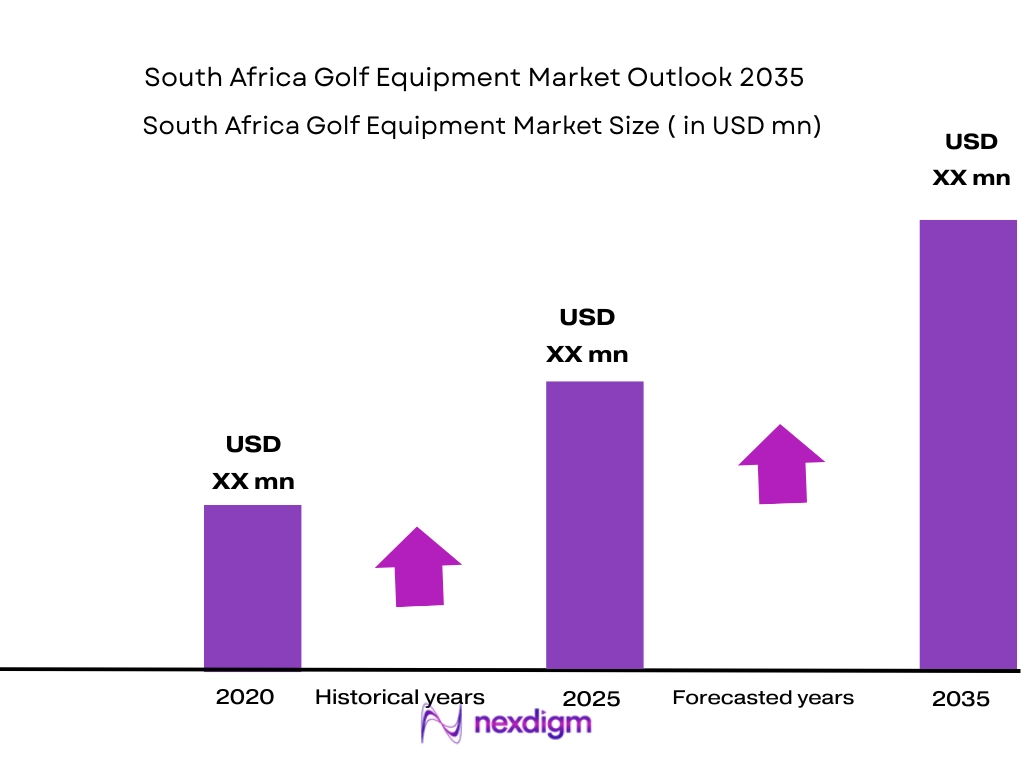
The South Africa golf equipment market has seen significant growth in recent years, driven by an increase in golf participation and a rising demand for high-quality gear. In 2024, the market size is expected to reach USD ~ million, with factors such as the expansion of golf courses, growing interest in professional golf tournaments, and a surge in tourism contributing to its expansion. Key players in the market have introduced innovative products that cater to both seasoned players and beginners, propelling the demand for advanced golf clubs, balls, apparel, and accessories. Additionally, the increasing awareness of the health benefits associated with golf and the sport’s rising popularity among younger demographics have contributed to the market’s growth.
In South Africa, major cities like Johannesburg, Cape Town, and Pretoria are at the forefront of the golf equipment market, largely due to their well-established golf courses and the concentration of affluent consumers. Johannesburg, being the financial hub of the country, has witnessed significant demand for premium golf equipment. Cape Town’s popularity as a tourist destination also boosts the demand for golf-related products, especially during peak tourist seasons. Pretoria, with its proximity to Johannesburg and a growing middle-class population, has contributed to the rise in golf enthusiasts. These cities’ dominance can be attributed to their established sports culture, easy access to golf courses, and the presence of a strong retail network that supports the sale of golf equipment.
Market Segmentation
By Product Type
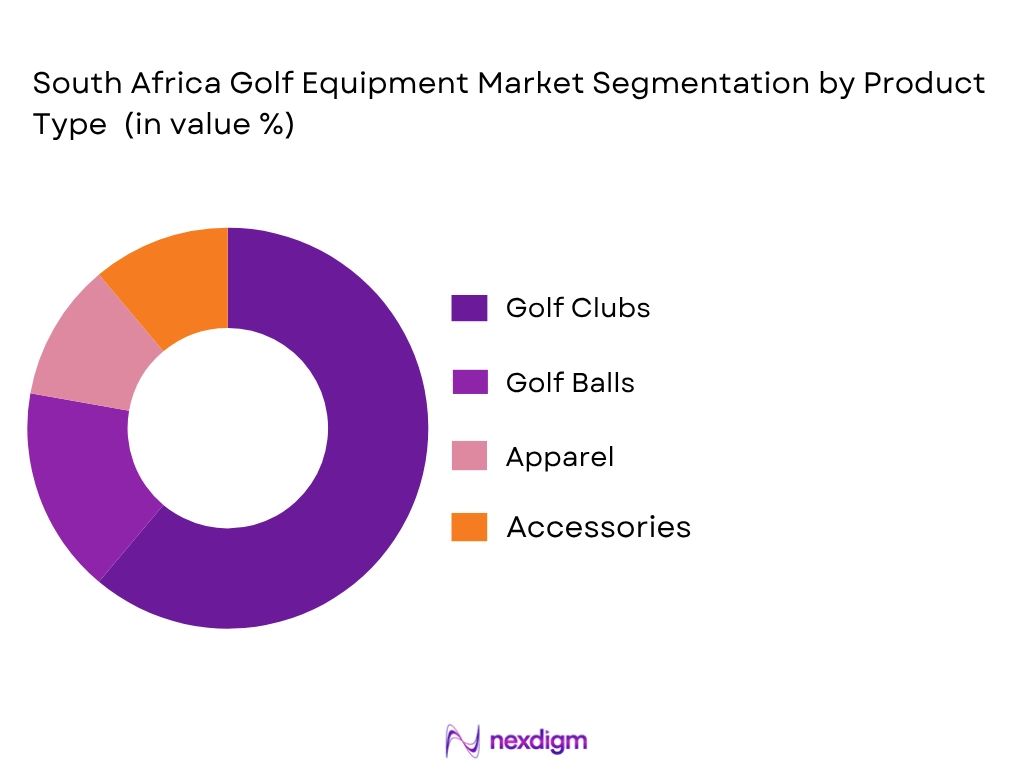
The South Africa golf equipment market is segmented by product type into golf clubs, golf balls, apparel, and accessories. Recently, golf clubs have had a dominant market share due to factors such as brand loyalty, technological advancements, and customization options that cater to the preferences of seasoned golfers. The growing trend of personalized golf clubs with advanced features, such as adjustable weights and shaft designs, has enhanced the appeal of golf clubs, further driving their market dominance. Additionally, the increasing availability of clubs suited for both beginners and professional players has played a significant role in their growing share of the market.
By Distribution Channel
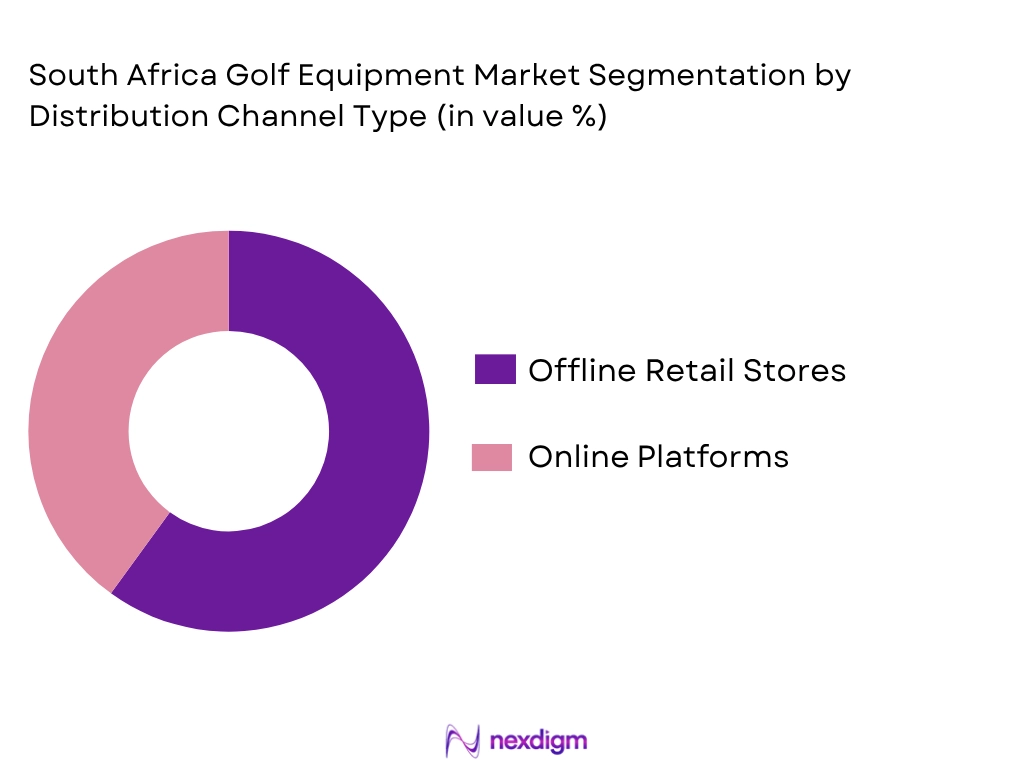
The South Africa golf equipment market is segmented by distribution channel into offline retail stores and online platforms. In recent years, offline retail stores have maintained a dominant market share due to the strong presence of specialized golf equipment retailers and golf course pro shops. Consumers prefer to try out equipment in-store, especially for high-value items like golf clubs, where feel and comfort are crucial. Furthermore, personalized advice from experts and the ability to test products in-store have made traditional retail stores the preferred choice for many golfers, especially those in metropolitan areas.
Competitive Landscape
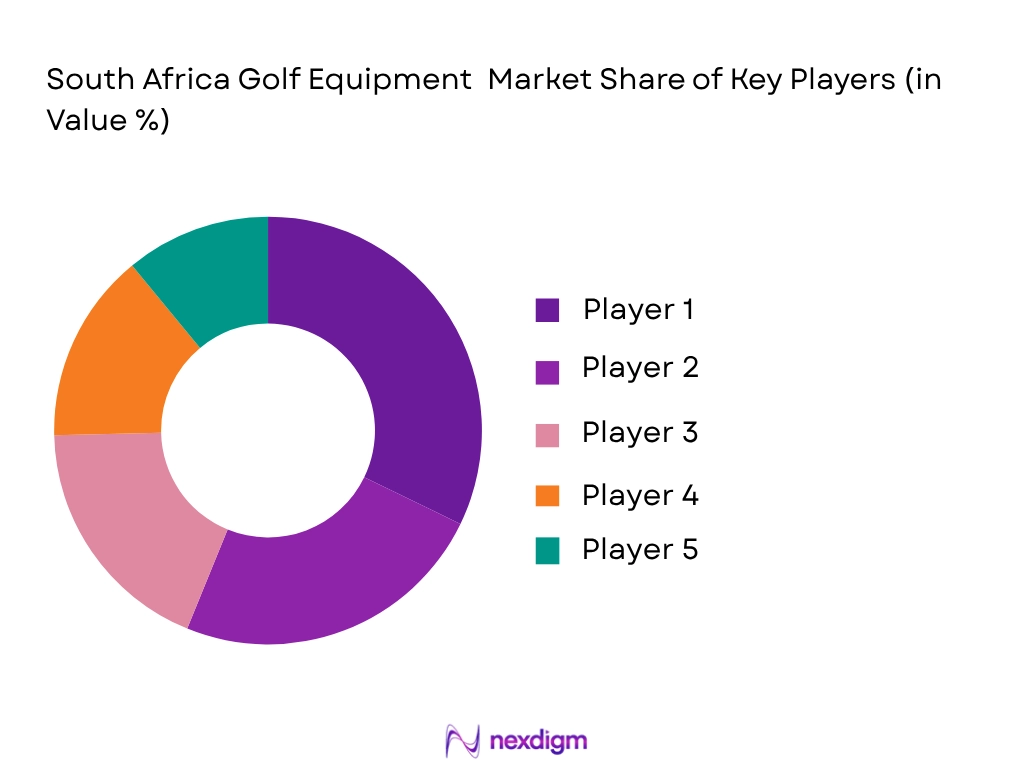
The South Africa golf equipment market is highly competitive, with a combination of global brands and local manufacturers shaping the landscape. The market has seen some consolidation, with global brands focusing on expanding their reach through strategic partnerships with local distributors. Key players are increasingly investing in advanced technology and product innovation to maintain a competitive edge. They are also adapting to changing consumer preferences by incorporating eco-friendly materials and creating more personalized products. The influence of major players like Callaway, TaylorMade, and Titleist has been instrumental in driving the market forward, with these companies focusing on both premium product offerings and value-driven solutions for a wide range of consumers.
| Company Name | Establishment Year | Headquarters | Technology Focus | Market Reach | Key Products | Revenue (USD) | Customer Segment |
| Callaway Golf | 1982 | Carlsbad, USA | ~ | ~ | ~ | ~ | ~ |
| TaylorMade Golf | 1979 | Carlsbad, USA | ~ | ~ | ~ | ~ | ~ |
| Titleist | 1935 | Fairhaven, USA | ~ | ~ | ~ | ~ | ~ |
| Srixon | 1930 | Japan | ~ | ~ | ~ | ~ | ~ |
| Ping Golf | 1959 | Phoenix, USA | ~ | ~ | ~ | ~ | ~ |
South Africa Golf Equipment Market Analysis
Growth Drivers
Rising Interest in Golf Among South Africans
The growing interest in golf across South Africa is a significant driver for the golf equipment market. In recent years, the sport has become more appealing to a wider demographic, including younger individuals. This surge in popularity is not only due to the sport’s fitness benefits but also because of its social and recreational aspects. With an increasing number of South Africans taking up golf, both casually and professionally, the demand for specialized equipment such as golf clubs, bags, and balls is on the rise. Golf is viewed increasingly as a lifestyle choice, with many players eager to invest in the best gear to improve their game and enjoy their experience.
Technological Advancements in Golf Equipment
Technological advancements in golf equipment have contributed significantly to the market’s growth in South Africa. The integration of high-tech features such as adjustable drivers, lightweight materials, and sensor-driven equipment has attracted tech-savvy consumers. Smart devices like GPS-enabled rangefinders and performance-tracking tools are transforming how golfers play, practice, and track their progress. These innovations not only enhance the performance of serious players but also appeal to recreational golfers who are excited about new ways to improve their skills. As golf equipment continues to incorporate the latest technology, consumers are increasingly seeking out products that provide more than just traditional performance.
Market Challenges
High Cost of Premium Golf Equipment
A significant barrier for many South African consumers in accessing premium golf equipment is its high cost. Although there is a strong demand for high-quality gear, the price point of top-tier golf clubs, balls, and apparel often limits their accessibility to a smaller, wealthier segment of the population. The high cost is partly driven by taxes on imported goods and the lack of local manufacturing for premium equipment. Many consumers, particularly those new to golf or with limited budgets, find the cost prohibitive, opting for cheaper alternatives that may not offer the same level of performance. This cost barrier creates an underserved market for more affordable, high-quality options.
Competition from International Brands
Competition from established international golf brands presents a challenge for local manufacturers in South Africa. Major global companies such as Callaway, TaylorMade, and Titleist have an entrenched presence in the market, making it difficult for smaller or local brands to gain visibility. These international brands benefit from strong reputations, extensive marketing budgets, and loyal customer bases, giving them a competitive edge. The dominance of these global players in South Africa means local companies struggle to carve out a market share. As a result, domestic manufacturers face challenges in competing with the extensive resources and recognition enjoyed by these international giants.
Opportunities
Growth of Junior and Women’s Golfing Markets
A significant opportunity for growth in the South African golf equipment market lies in the increasing participation of juniors and women in the sport. The introduction of golf programs in schools and junior leagues is fueling interest among younger players, driving demand for golf gear tailored to their needs. In parallel, the rising popularity of women’s golf presents another promising avenue. As more women are encouraged to take up the sport, especially through initiatives aimed at increasing female participation, there is growing demand for equipment designed specifically for women. These emerging segments offer golf equipment manufacturers the opportunity to expand their product offerings and reach a broader customer base.
Eco-friendly and Sustainable Golf Equipment Products
With growing environmental concerns, there is a rising demand for sustainable and eco-friendly golf equipment in South Africa. Consumers are increasingly prioritizing products that are both high-performing and environmentally responsible. Golf brands that focus on creating sustainable products, such as biodegradable balls, recycled golf bags, and eco-conscious accessories, are positioned to capture this market segment. This demand for eco-friendly alternatives is part of a broader global trend toward sustainability, providing a significant opportunity for brands to innovate. Companies that adopt green practices and develop environmentally responsible products not only appeal to eco-conscious consumers but also differentiate themselves in a crowded market, enhancing their brand image.
Future Outlook
Over the next five years, the South Africa golf equipment market is expected to experience steady growth, driven by increasing participation in the sport, technological advancements in equipment, and the expansion of golf courses in emerging cities. Innovations in product offerings, such as customizable golf clubs and advanced golf balls, will continue to fuel demand. Additionally, the growth of golf tourism and the rising interest in women’s golf will further enhance the market’s potential. As regulatory bodies provide more support for sports development, the market is likely to see further expansion, with more local retailers and distributors entering the space.
Major Players
- Callaway Golf
- TaylorMade Golf
- Titleist
- Srixon
- Ping Golf
- Cobra Golf
- Mizuno
- Wilson Sporting Goods
- Odyssey Golf
- Cleveland Golf
- Adams Golf
- Bridgestone Golf
- Nike Golf
- PXG
- Odyssey Golf
Key Target Audience
- Investments and venture capitalist firms
- Government and regulatory bodies
- Professional golfers
- Golf course owners and operators
- Retailers specializing in sports equipment
- Distributors of sporting goods
- Golf tourism operators
- Affluent golf enthusiasts
Research Methodology
Step 1: Identification of Key Variables
The first step involved identifying key market variables, including product types, distribution channels, and consumer demographics, that influence the South Africa golf equipment market.
Step 2: Market Analysis and Construction
The next phase included constructing the market landscape by analyzing trends, demand patterns, and growth drivers in the golf equipment sector.
Step 3: Hypothesis Validation and Expert Consultation
Expert consultations were conducted with industry professionals, retailers, and manufacturers to validate hypotheses and refine the market model.
Step 4: Research Synthesis and Final Output
The final step involved synthesizing research findings into a comprehensive report that provides an accurate analysis of the South Africa golf equipment market.

- Executive Summary
- Research Methodology (Market Definitions and Scope of Golf Equipment Products, Product Classification Framework, Retail Audit and Consumption Data Utilization Approach, Primary Interviews with Manufacturers, Distributors, Retailers, and Consumers, Bottom-Up Volume and Value Modelling, Top-Down FMCG and Household Spending Validation, Assumptions on Pricing, Product Specifications, and Consumption Frequency, Limitations and Data Triangulation Techniques, TAM/SAM/SOM Modelling Framework Based on Household Penetration and Retail Sales)

- Definition and Scope
- Evolution of Golf Equipment Industry in South Africa
- Timeline of Market Development and Regulatory Changes
- Golf Equipment Usage Patterns Across Demographics
- Value Chain Analysis
- Stakeholder Ecosystem

- Growth Drivers
Rising Interest in Golf Among South Africans
Increasing Disposable Income
Golf Course Development and Expansion
Corporate and Leisure Golfing Events
Influence of Global Golfing Trends
Technological Advancements in Golf Equipment - Market Challenges
High Cost of Premium Golf Equipment
Competition from International Brands
Limited Consumer Awareness in Rural Areas
Economic Fluctuations Affecting Discretionary Spending
Availability of Counterfeit or Low-Quality Products
Environmental Sustainability and Packaging Concerns - Opportunities
Growth of Junior and Women’s Golfing Markets
Eco-friendly and Sustainable Golf Equipment Products
Smart and Technologically Enhanced Golf Equipment (GPS, Sensors, etc.)
Customization of Golf Equipment (Fitting, Personalized Gear)
Expansion of Golf Retail into Underserved Areas
Collaboration with Local Influencers and Golf Ambassadors - Market Trends
Shift Towards Technologically Advanced Clubs (e.g., Carbon Fiber Shafts)
Golf Equipment Rental and Second-Hand Market Growth
Focus on Performance-Enhancing Golf Balls
Demand for Golf Apparel as a Lifestyle Product
Online Shopping Growth for Golf Equipment - Government Regulations
Safety Standards and Certifications
Import Regulations and Tariffs
Environmental Regulations on Packaging and Sustainability Initiatives - SWOT Analysis
- Porter’s Five Forces Analysis

- By Value, 2020-2025
- By Volume, 2020-2025
- By Average Selling Price, 2020-2025

- By Product Type (in Value %)
Golf Clubs
Golf Balls
Apparel
Accessories - By Brand (in Value %)
Major International Brands (Titleist, TaylorMade, Callaway, etc.)
Local and Regional Brands - By Distribution Channel (in Value %)
Online Retail store
Online Platforms - By Price Segment (in Value %)
Budget
Mid-range
Premium
Luxury - By End User (in Value %)
Individual Golfers (Male/Female, Amateur/Professional)
Golf Courses and Clubs
Corporate and Institutional Users (Corporate Gifts, Sponsorships)
Hospitality and Leisure (Hotels, Resorts) - By Region (in Value %)
Western Cape
Gauteng
KwaZulu-Natal
Eastern Cape
Other Provinces
Major Urban Areas (Johannesburg, Cape Town, Durban, Pretoria)

- Market Share of Major Players
By Value
By Volume
By Product Category
By Distribution Reach - Cross Comparison Parameters (Product Portfolio Breadth,
Pricing Strategy, Retail Presence, E-commerce Capability, Brand Awareness, Innovation Pipeline, Customer Retention Rate, Sustainability Initiatives, SWOT Analysis of Major Players) - Detailed Profiles of Major Companies
Titleist South Africa
TaylorMade Golf South Africa
Callaway South Africa
Cobra Golf South Africa
Mizuno South Africa
Ping South Africa
Wilson Sporting Goods South Africa
Srixon South Africa
Local Golf Equipment Manufacturers
Retail and E-commerce Players

- Golf Equipment Purchase Patterns
- Price Sensitivity and Brand Preferences
- Factors Driving Purchase Decisions
- Loyalty and Retention Strategies for Golf Equipment Brands

- By Value, 2026-2035
- By Volume, 2026-2035
- By Average Selling Price, 2026-2035


 Request a Sample
 Ask for Customization
 Get a Quote
 Enquire Now