

 Download PDF
Market Overview
The South Africa health and fitness services market is estimated at USD ~ billion, reflecting total revenues from gyms, health clubs, personal training, wellness services, and associated memberships as reported by industry analysts. This valuation is driven by increasing awareness of lifestyle‑related health issues such as obesity and cardiovascular disease, which has prompted more consumers to invest in fitness solutions. Urbanization, a growing middle class with higher disposable income, and expanded availability of fitness facilities in major cities are further accelerating demand for health and fitness services in the country.
In South Africa, Johannesburg and Cape Town dominate the health and fitness services market due to their high population densities, relatively stronger economic activity, and higher levels of consumer spending on lifestyle and wellness services. These cities host the largest concentration of national and international fitness brands, premium gyms, and specialized wellness centers. The presence of more affluent urban communities and a significant expatriate workforce also supports higher adoption of fitness memberships and services in these regions.
Market Segmentation
By Service Type
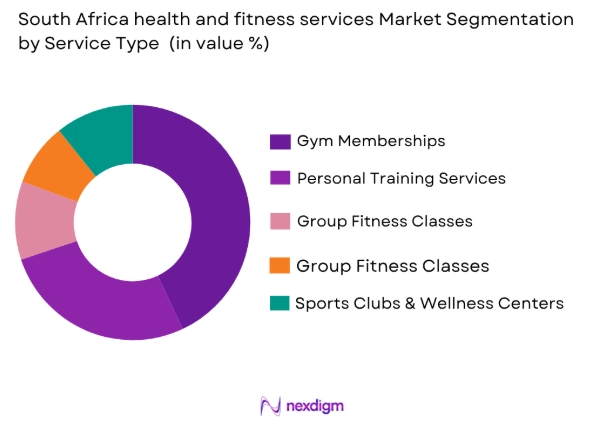
The South Africa health and fitness services market is segmented by service type into gyms and fitness clubs, personal training services, wellness and spa services, and digital/online fitness solutions. Among these, gyms and fitness clubs hold the largest market share, driven by broad consumer preference for structured workout environments and the proliferation of established fitness chains and local clubs. These facilities offer comprehensive services including strength and cardio training, group classes, and personal trainers, making them a foundational choice for individuals seeking overall fitness solutions. The relatively higher awareness of gym‑based training and the establishment of multiple mid‑tier and premium gym brands have reinforced this segment’s dominance.
By End User
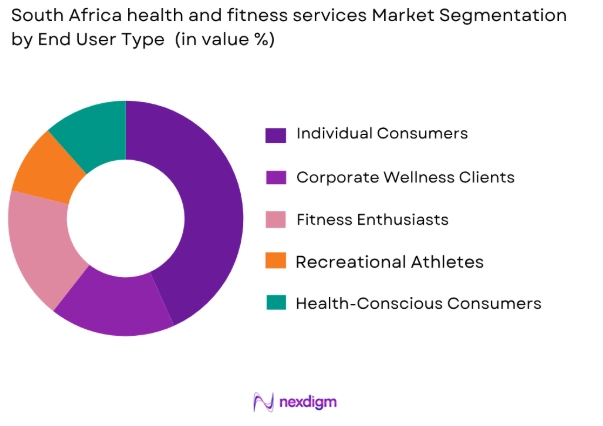
The market is also segmented by end user into individual consumers, corporate wellness programs, and institutional/government health initiatives. Individual consumers dominate this segment, largely due to the personal nature of fitness adoption and direct membership purchases. Increasing emphasis on health and preventive care among South African households has led individuals to invest directly in gym memberships and personalized fitness plans. Additionally, growth in health consciousness across diverse age groups—with younger urban populations particularly engaged—supports strong consumer‑led demand. While corporate wellness programs are growing, they still contribute a smaller portion relative to individual subscriptions.
Competitive Landscape
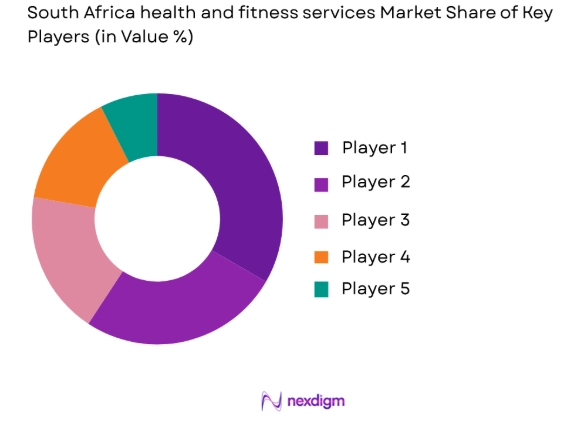
The South Africa health and fitness services market is moderately consolidated with domestic and international players operating in commercial gyms, boutique fitness, and wellness services. Competitive differentiation is often based on facility quality, service offerings, pricing models, and value‑added programs such as nutritional counselling and group fitness classes. The competitive dynamic points to established gym chains alongside emerging boutique players, reflecting diverse consumer preferences and evolving fitness trends.
| Company Name | Establishment Year | Headquarters | Service Offering | No. of Locations | Member Base (approx.) | Target Market |
| Virgin Active South Africa | 1999 | Johannesburg, SA | ~ | ~ | ~ | ~ |
| Planet Fitness South Africa | [Not Public] | Cape Town, SA | ~ | ~ | ~ | ~ |
| Zone Fitness Clubs | 2005 | Johannesburg, SA | ~ | ~ | ~ | ~ |
| Matrix Fitness Gyms | 2010 | Durban, SA | ~ | ~ | ~ | ~ |
| MyGym South Africa | 2013 | Pretoria, SA | ~ | ~ | ~ | ~ |
South Africa Health and Fitness Services Market Analysis
Growth Drivers
Increasing Focus on Preventive Healthcare
In South Africa, there is an increasing focus on preventive healthcare as the country battles a rising burden of lifestyle diseases, such as obesity, diabetes, and cardiovascular issues. The health-conscious population is turning to fitness services to reduce the risk of these conditions. With South Africa’s population reaching over 63 million in 2023, more individuals are prioritizing wellness and adopting regular fitness regimens. The government’s promotion of health initiatives, alongside greater awareness of the benefits of exercise, has driven demand for fitness services, especially gyms and wellness programs. As people take more responsibility for their health, the market for fitness services continues to grow, reflecting a cultural shift toward prevention rather than cure.
Growth in Wellness Tourism
Wellness tourism is expanding rapidly in South Africa, as both local and international tourists seek health-focused travel experiences. South Africa’s diverse landscapes, including its coastal regions, mountains, and nature reserves, attract individuals looking for outdoor fitness activities like hiking, yoga retreats, and spa services. The country’s tourism sector is benefiting from this trend, with wellness resorts and fitness retreats becoming increasingly popular. This shift toward wellness tourism provides an opportunity for fitness providers to tap into the growing demand for holistic health and fitness experiences. The integration of fitness and wellness with travel is creating new avenues for market growth and business partnerships.
Challenges
Access to Fitness Infrastructure in Rural Areas
A significant challenge facing South Africa’s health and fitness services market is the limited access to fitness infrastructure in rural areas. While urban regions like Johannesburg and Cape Town have a wide range of gyms, health clubs, and fitness centers, rural areas often lack such facilities. With internet penetration increasing, there has been a push toward digital fitness solutions, but physical access to gyms and fitness centers remains a major barrier. This urban-rural divide prevents fitness providers from fully reaching the potential market, limiting participation in fitness programs and services in underserved regions. Overcoming this gap requires innovative approaches, such as mobile fitness solutions or community-based programs.
Economic Pressures and Affordability
Economic challenges in South Africa, including high unemployment and inflation, create affordability issues for the average consumer. As of 2025, unemployment rates are expected to remain high, and with rising living costs, many consumers struggle to prioritize discretionary spending such as fitness memberships. The cost of gym subscriptions, personal training sessions, and wellness programs can be prohibitive, particularly for lower-income households. Fitness businesses are therefore facing challenges in catering to a wide consumer base, as affordability remains a key concern. In response, many fitness providers are offering more affordable options, such as discounted memberships or pay-as-you-go services, to make fitness more accessible.
Opportunities
Integration of Fitness into Healthcare Solutions
Integrating fitness services into healthcare solutions is an emerging opportunity in South Africa. As the healthcare system shifts towards preventive care, fitness services are becoming an essential part of the national health strategy. Programs aimed at managing chronic conditions such as hypertension, diabetes, and obesity through exercise are gaining traction. The increasing adoption of digital health platforms allows fitness providers to offer remote services, creating convenient solutions for patients in need of rehabilitation or chronic disease management. Collaborations between fitness centers, healthcare providers, and insurers are strengthening this integration, offering patients a holistic approach to maintaining their health and well-being.
Expanding Fitness for the Aging Population
South Africa’s aging population presents a unique growth opportunity for fitness services tailored to older adults. By 2025, over 10% of the population will be aged 60 or older, and many of these individuals seek fitness solutions to help maintain mobility, strength, and overall health. Fitness services targeted at the elderly, including low-impact exercise classes, flexibility training, and chronic disease management programs, are becoming increasingly popular. Fitness providers can expand their offerings to meet the needs of this demographic, capitalizing on the demand for age-appropriate programs that support healthy aging. This segment offers significant potential as South Africa’s population continues to age.
Future Outlook
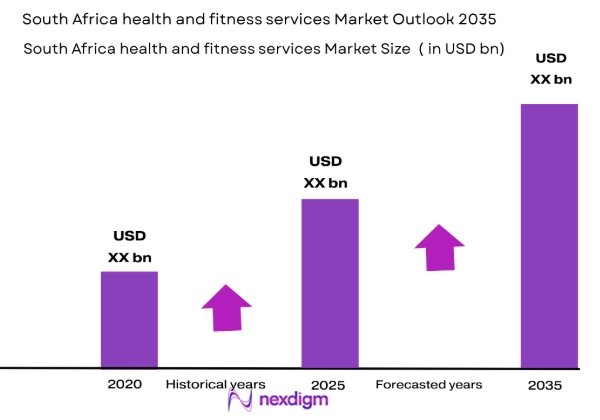
Over the next decade, the South Africa health and fitness services market is expected to grow steadily, supported by rising health awareness, especially in urban centers, and increased investment in preventative health and wellness solutions. Continued expansion of fitness facilities, digital fitness adoption, and hybrid service models integrating online and in‑person workouts will enhance consumer engagement and accessibility. Growth in corporate wellness initiatives and partnerships with healthcare providers will further strengthen market demand. Given these dynamics and established industry trends regionally, the market is projected to grow at a compound annual growth rate (CAGR) of approximately 6–7% through 2035, reflecting moderate yet sustained expansion of the fitness services ecosystem.
Major Players
- Virgin Active
- Planet Fitness
- Zone Fitness Clubs
- Matrix
- MyGym
- Fit24
- Anywhere Fitness
- Campus Fitness
- Curves
- Clicks Fitness
- Total Fitness
- Body20
- CrossFit SA Affiliates
- F45 Training
- Anytime Fitness
Key Target Audience
- Investments and Venture Capitalist Firms
- Government and Regulatory Bodies
- Corporate Wellness Program Managers
- Health Insurance Providers and Risk Assessment Firms
- Gym and Fitness Facility Operators/Owners
- Fitness Equipment Manufacturers and Distributors
- Digital Fitness Platform Developers
- Hospitality and Leisure Developers with Wellness Focus
Research Methodology
Step 1: Identification of Key Variables
The initial phase involves mapping the ecosystem of the South Africa health and fitness services market, including consumers, service providers, regulatory context, and economic drivers. Desk research using secondary sources such as industry reports, membership data, and health statistics is conducted to identify variables that shape demand, pricing, and service adoption patterns.
Step 2: Market Analysis and Construction
Historical revenues, membership trends, and segment performance data are compiled to assess market growth. This includes analyzing gym revenues, personal training uptake, and end‑user expenditure patterns. Market reconstruction enables an accurate understanding of current revenue pools and helps establish baseline market size.
Step 3: Hypothesis Validation and Expert Consultation
Market hypotheses are tested through consultations with industry stakeholders such as gym operators, fitness service providers, and health sector professionals. These interviews are conducted via structured interviews and help validate assumptions related to market drivers, challenges, and adoption trends.
Step 4: Research Synthesis and Final Output
Data from secondary research and expert consultations are synthesized to produce a detailed market report. Forecast models are created using standardized projection techniques to estimate future market growth and segment evolution, ensuring a comprehensive and validated analysis of the South Africa health and fitness services market.

- Executive Summary
- Research Methodology (Market Definitions and Assumptions, Abbreviations, Data Triangulation Approach, Primary & Secondary Research Mix, Sample Frame by Channel and Consumer Cohort, Market Sizing and Forecasting Model, CAGR Validation Protocol, Limitations and Data Convergence Confidence)

- Definition and Scope
- Genesis and Evolution of Health and Fitness Services Adoption in South Africa
- Integration of Digital Platforms and Consumer Behavior Shifts
- Economic and Lifestyle Drivers Affecting Health and Fitness Services Purchases
- Market Value Chain – From Service Providers to End Consumers
- Distribution Infrastructure Overview

- Growth Drivers
Increasing Focus on Preventive Healthcare
Growth in Wellness Tourism
Rise of Digital Fitness Solutions - Challenges
Access to Fitness Infrastructure in Rural Areas
Economic Pressures and Affordability
Regulatory Barriers in the Fitness Industry - Opportunities
Integration of Fitness into Healthcare Solutions
Expanding Fitness for the Aging Population
Developing Fitness Programs for Youth and Schools - Trends
Explosion of Online and Hybrid Fitness Solutions
Popularity of Niche Fitness Studios
Corporate Wellness Programs on the Rise - SWOT Analysis
- Porter’s Five Forces

- By Revenue, 2020-2025
- By Membership Subscriptions, 2020-2025
- By Average Service Pricing, 2020-2025
- By Channel Contribution, 2020-2025

- By Service Type (In Value %)
Gym Memberships
Personal Training Services
Group Fitness Classes
Yoga & Pilates Services
Sports Clubs & Wellness Centers - By End User (In Value %)
Individual Consumers
Corporate Wellness Clients
Fitness Enthusiasts
Recreational Athletes
Health-Conscious Consumers - By Distribution Channel (In Value %)
Physical Gyms & Fitness Studios
E-commerce & Online Platforms
Corporate Wellness Programs
Direct-to-Consumer Subscriptions
Boutique Fitness Studios - By Price Tier (In Value %)
Value / Budget Segment
Mid-Tier Mainstream
Premium / High-End Wellness
Luxury Wellness & Lifestyle Centers - By Geographic (In Value %)
Gauteng
Western Cape
KwaZulu-Natal
Eastern Cape
Other Provinces

- Market Share Analysis – By Revenue / Volume
- Cross Comparison Parameters (Company Overview, Service Portfolio & Service Delivery Depth, Market Reach, Channel Mix, Pricing Architecture & Membership Trends, Digital Fitness Services Integration, Customer Retention Strategies, Marketing and Brand Positioning Metrics, Supply Chain Resilience, R&D Investments & New Service Launches, Strategic Partnerships & Alliances, Financial Metrics)
- SWOT Profiles of Key Competitors
- Pricing & Service Mapping Across Channels
- Detailed Profiles
Virgin Active South Africa
Planet Fitness
BODYPUMP
True Fitness
The Gym Company
GoHealth Clubs
Workout World
Curves
Fitness First
F45 Training
Zumba
CrossFit
Energie Fitness
MyFitness
Anytime Fitness

- Market Demand and Utilization Patterns
- Purchasing Power and Budget Allocation
- Regulatory and Compliance Requirements for End Users
- Needs, Desires, and Pain Points Analysis
- Decision-Making Process and Influencers

- By Revenue, 2026-2035
- By Membership Subscriptions, 2026-2035
- By Average Service Pricing, 2026-2035
- By Channel Contribution, 2026-2035


 Request a Sample
 Ask for Customization
 Get a Quote
 Enquire Now