

 Download PDF
Market Overview
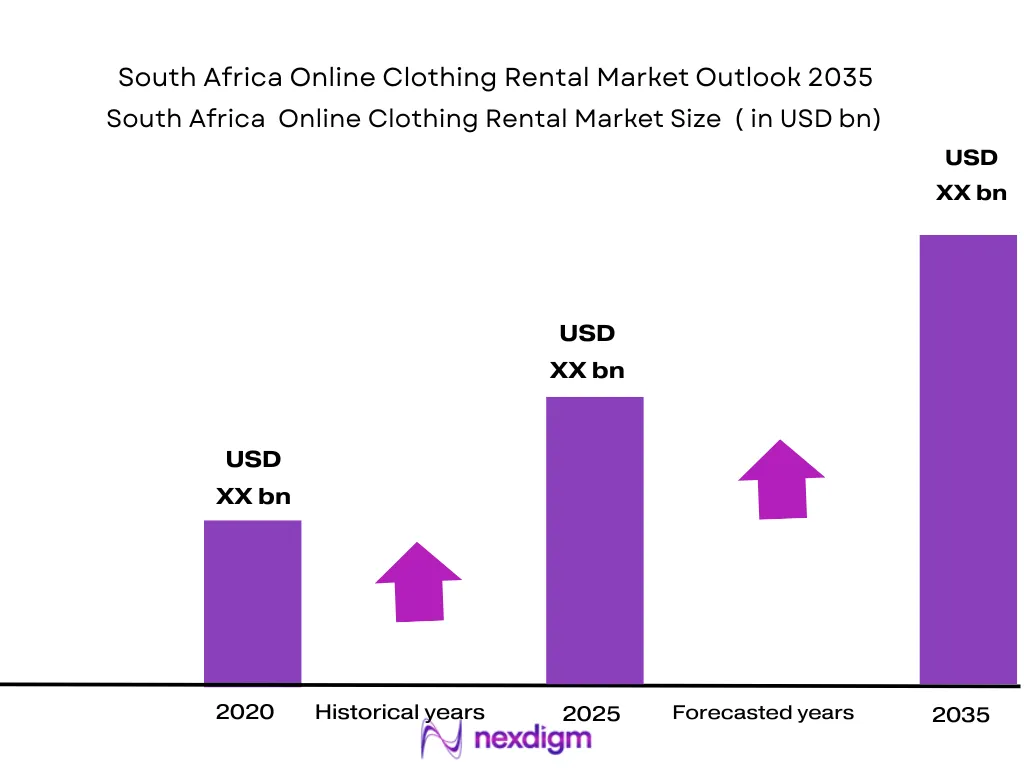
The South Africa online clothing rental market’s broader context is informed by global industry data, as specific South Africa figures are currently limited in public releases. The global online clothing rental market was valued at USD ~ billion in 2024, up from USD ~ billion in 2023, reflecting rising consumer acceptance of rental models and digital commerce platforms. These figures are reported by established industry research firms tracking worldwide adoption trends in online clothing rental services.
The market in South Africa is increasingly influenced by urban digital adoption and fashion consumption patterns, particularly in cities like Johannesburg, Cape Town, and Durban, where higher internet penetration and fashion retail infrastructure support e‑commerce engagement. These urban centers dominate online clothing rental interest due to better logistics networks, greater disposable income among young professionals, and cultural shifts toward sustainable and cost‑effective fashion options. Local consumer behavior is increasingly shaped by online fashion sales growth within the broader South African online retail ecosystem.
Market Segmentation
By Product Type
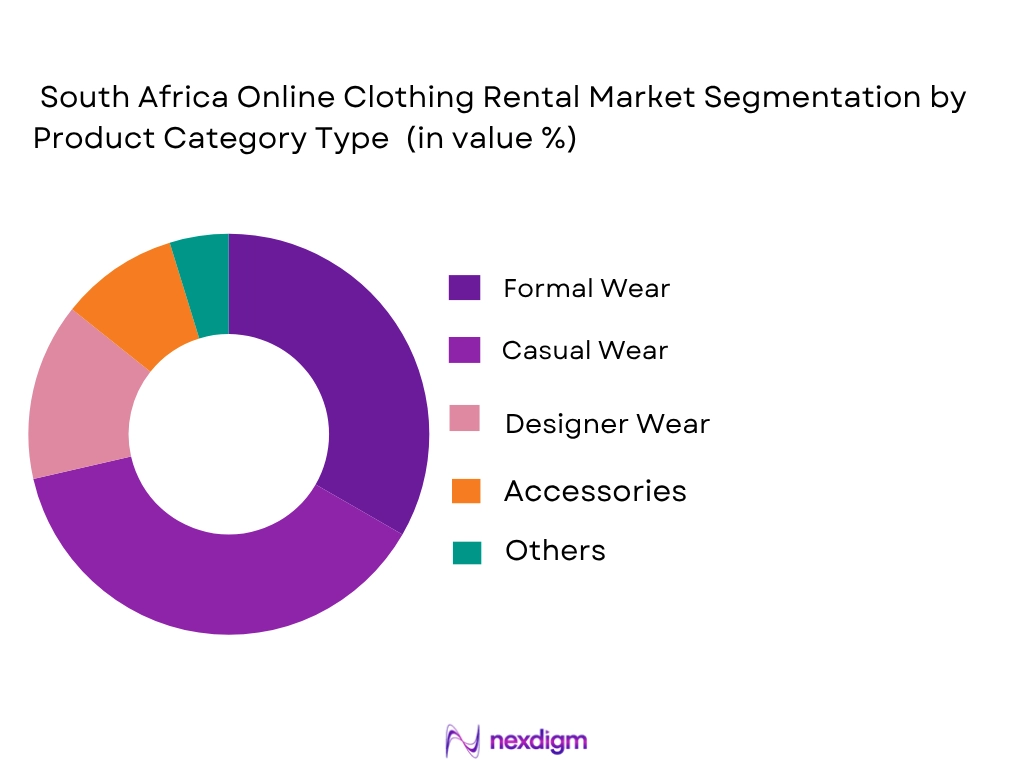
South Africa’s online clothing rental demand for versatile wardrobe options without ownership costs. Casual rental platforms appeal to a wide demographic of users who prefer accessible fashion for social outings, work‑related wear, and seasonal trends. Formal wear remains significant due to demand for event‑specific attire, including weddings and corporate functions, but its share is narrower compared with casual wear due to less frequent usage. Ethnic and traditional sub‑segments have niche but growing traction, particularly around cultural events and festive seasons where consumers seek specific outfits without committing to purchase. Accessories also contribute to the market, often bundled with clothing rentals to enhance styling options. These dynamics align with global adoption patterns where rental services satisfy flexibility and variety preferences among digitally engaged consumers.
By Rental Model
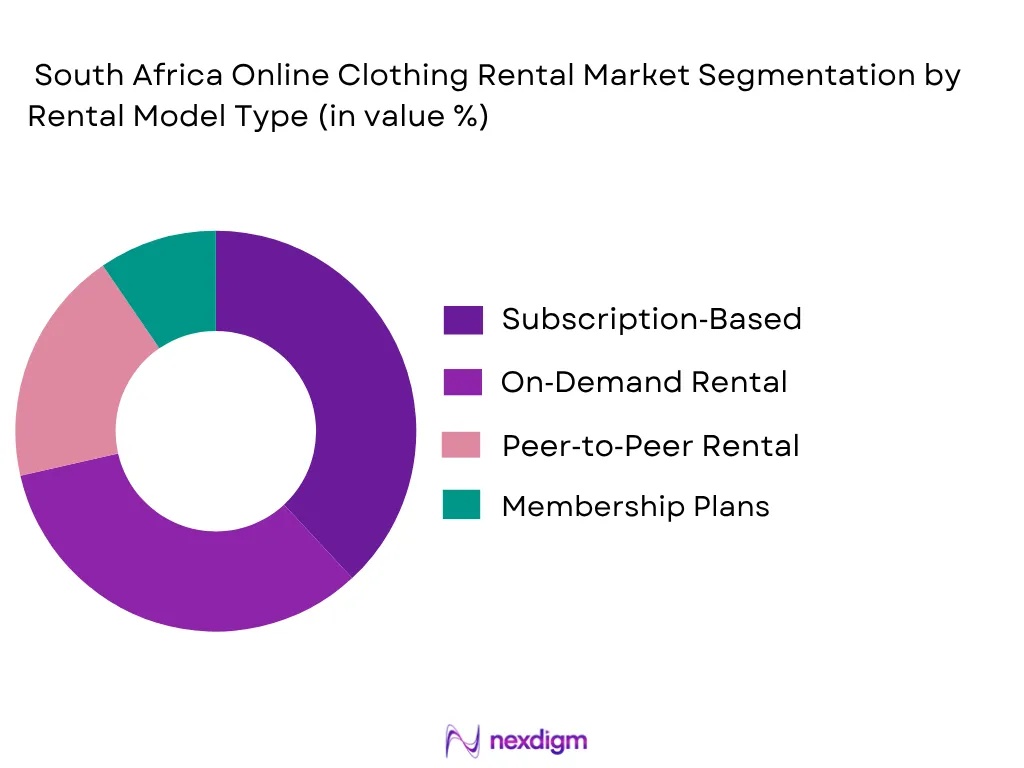
The South Africa online clothing rental market includes subscription‑based services, on‑demand rentals, peer‑to‑peer models, and membership plans. In 2024, subscription‑based rental services hold the largest share, supported by consumer preference for predictable monthly costs and unlimited wardrobe rotation within defined tiers. These services are favored by frequent renters who value convenience and variety through fixed plans, often bundled with free delivery and styling recommendations. On‑demand rentals follow, enabling users to rent specific garments for singular events or short durations without ongoing commitments. Peer‑to‑peer rental models are emerging, reflecting digitally empowered consumer communities sharing wardrobes at lower price points. Membership plans also contribute, offering hybrid benefits such as discounts and priority access, but share remains lower due to the nascent nature of structured membership offerings in the South African context. Global online clothing rental trends support this segmentation, with subscription models consistently leading due to stable revenue and customer retention advantages.
Competitive Landscape
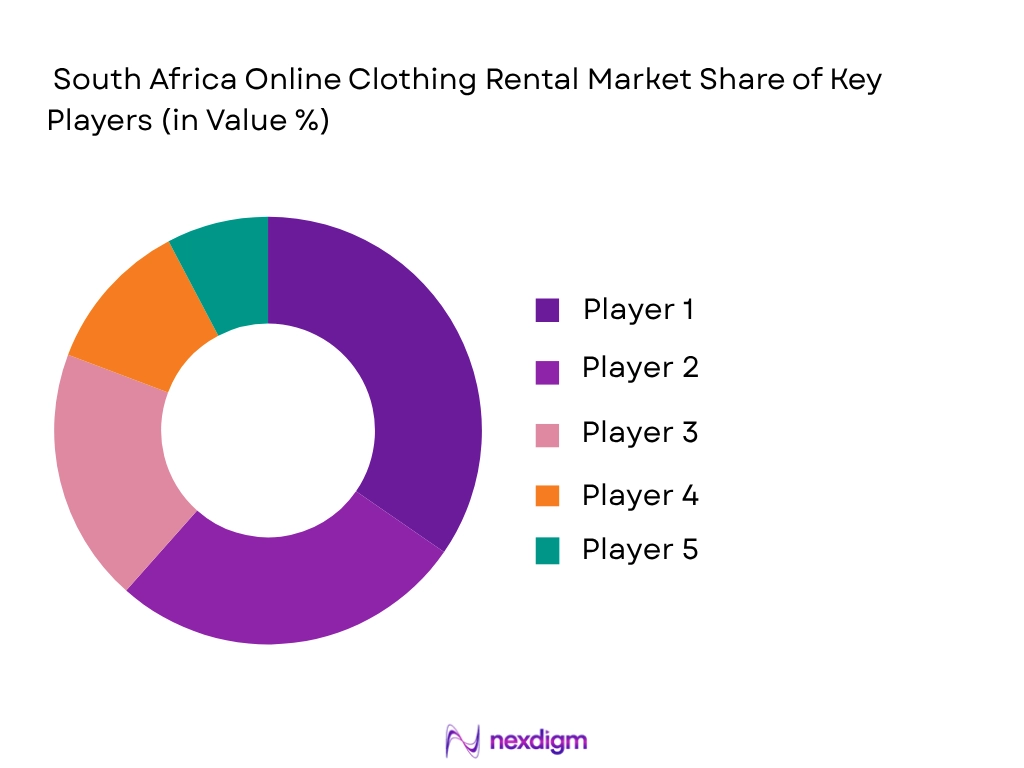
The competitive landscape of the South Africa online clothing rental market is shaping as both local startups and international players seek footholds, especially in premium and event‑wear segments. Established global names influence consumer expectations even as region‑specific platforms tailor offerings to local preferences.
| Company | Year Established | Headquarters | Platform Type | Primary Market Focus | Key Differentiator | Logistics Model | Target Customer |
| Rent the Runway | 2009 | New York, USA | ~ | ~ | ~ | ~ | ~ |
| GlamCorner | 2012 | South Africa | ~ | ~ | ~ | ~ | ~ |
| HURR Collective | 2016 | London, UK | ~ | ~ | ~ | ~ | ~ |
| Style Lend | 2017 | Los Angeles, USA | ~ | ~ | ~ | ~ | ~ |
| Local South African Startup X | 2022 | Johannesburg, SA | ~ | ~ | ~ | ~ | ~ |
South Africa Online Clothing Rental Market Analysis
Growth Drivers
Rising Fashion Consciousness and Consumer Preferences
South African consumers, particularly millennials and Gen Z, are increasingly influenced by global fashion trends and social media exposure. This growing fashion consciousness is driving demand for access to a variety of premium and designer clothing without the high costs of ownership. Online clothing rental services allow consumers to experiment with different styles for social events, corporate functions, and casual occasions, catering to the desire for wardrobe variety. Platforms offering curated selections and designer collaborations meet these consumer expectations. The adoption of rental models aligns with a broader shift in South Africa’s fashion culture toward flexible, trend-driven consumption, making it a significant driver for market growth and platform engagement.
Increased Internet Penetration and E-Commerce Adoption
South Africa has seen a significant rise in internet penetration and smartphone adoption, facilitating the growth of digital retail platforms. Online clothing rental services benefit directly from this trend, as consumers increasingly prefer the convenience of browsing, selecting, and renting garments from home. E-commerce platforms provide seamless booking, payment, and delivery experiences, encouraging repeat usage and customer loyalty. The rise in mobile payment adoption also supports secure and efficient transactions, further enhancing accessibility. Urban centers with higher internet penetration, such as Johannesburg and Cape Town, are key growth hubs. The integration of technology with fashion rental services has accelerated market expansion by improving consumer confidence and simplifying participation in the rental ecosystem.
Market Challenges
Consumer Concerns About Hygiene and Quality
Consumers often hesitate to rent clothing online because hygiene and quality are central to their purchase confidence. Since rented garments are worn by multiple users, customers may worry about cleanliness, sanitization standards, odors, stains, fabric wear, or hidden damage. Even when platforms follow professional cleaning processes, the lack of direct visibility into these practices can create doubt. Quality concerns also arise when product images do not match the actual garment condition, fit, texture, or appearance on delivery. These concerns can reduce trust, increase return rates, and discourage first-time users from trying rental services. To overcome this challenge, rental platforms need transparent cleaning policies, quality checks, customer reviews, clear product descriptions, and consistent garment maintenance standards.
Limited Awareness of Online Clothing Rental Services
Limited awareness remains a major challenge for online clothing rental platforms, especially in markets where ownership is still preferred over temporary use. Many consumers are unfamiliar with how clothing rental works, including browsing, booking, delivery, usage period, returns, cleaning responsibility, and damage policies. Some may assume rental services are only for luxury fashion, weddings, or occasional wear, rather than everyday or semi-formal needs. Others may not understand the cost benefits, sustainability advantages, and convenience offered by these platforms. This lack of awareness restricts customer acquisition and slows market acceptance. Companies must invest in digital marketing, influencer partnerships, trial offers, educational content, and clear communication to build understanding and encourage adoption.
Opportunities
Expansion of Subscription-Based and On-Demand Rental Models
Subscription-based and on-demand rental models offer significant growth potential in South Africa by catering to varying consumer preferences. Subscription services provide predictable monthly costs with access to a rotating wardrobe, appealing to fashion-conscious urban consumers seeking flexibility. On-demand rentals serve occasional users attending special events, enabling them to rent high-quality attire without long-term commitment. Both models encourage repeat engagement, increase lifetime customer value, and enhance platform stickiness. Rental providers can leverage these models to expand market reach, introduce tiered pricing strategies, and partner with local designers to differentiate offerings. This dual approach positions platforms to capture a broader segment of the market, combining convenience, affordability, and style variety.
Collaborations with Fashion Designers and Brands
Collaborating with established designers and fashion brands provides a strategic opportunity to enhance credibility and inventory diversity for South Africa’s online clothing rental market. Partnerships allow platforms to offer exclusive collections, limited-edition garments, and trending designs that attract style-conscious consumers. Brand associations improve consumer trust, addressing concerns over quality and hygiene. Designers benefit from increased brand exposure, especially among urban millennials and Gen Z, without requiring traditional retail investment. These collaborations can also drive innovative rental experiences, such as curated seasonal collections or event-specific packages, further differentiating platforms in a competitive market. Strategic alliances thus create mutual benefits while strengthening the overall appeal and adoption of online clothing rental services.
Future Outlook
Over the next several years, the South Africa online clothing rental market is expected to transition from a niche offering toward broader consumer adoption, supported by expanding e‑commerce infrastructure, increasing digital fashion engagement, and heightened interest in sustainable and circular consumption models. As internet penetration improves and mobile commerce becomes more deeply integrated into everyday shopping behavior, rental platforms are positioned to diversify services across demographic and occasion‑based segments. Technological enhancements such as AI‑enabled sizing tools, enhanced logistics solutions, and personalization features will further drive accessibility and consumer confidence in online rentals. Collaborations between rental platforms and fashion brands may expand inventory depth and attract brand‑loyal customers seeking cost‑effective access to premium styles.
Major Players
- Rent the Runway
- GlamCorner
- HURR Collective
- Style Lend
- Le Tote
- My Wardrobe HQ
- Flyrobe
- FashionPass
- Wardrobe (South Africa)
- By Rotation
- Local South African Startup X
- Local South African Startup Y
- Local South African Startup Z
- Peer‑to‑Peer Rental Platform A
- Subscription Platform B
Key Target Audience
- Retail and fashion brand executives
- E‑commerce platform investors and venture capitalist firms
- Clothing rental platform product and strategy teams
- Digital logistics and supply chain service providers
- Fashion marketplace integrators and developers
- Government and regulatory bodies
- Fashion and apparel distribution network planners
- Sustainable fashion initiative sponsors
Research Methodology
Step 1: Identification of Key Variables
The initial phase involved building an ecosystem map encompassing key stakeholders in the online clothing rental market, using extensive desk research and secondary data platforms. The objective was to define core variables that shape market dynamics, including consumer behavior, rental models, and digital commerce trends.
Step 2: Market Analysis and Construction
This step compiled historical data and analyzed market penetration and revenue streams, including segmentation by clothing type and rental model. E‑commerce trends and platform usage statistics were integrated, ensuring accurate estimates of consumer demand and rental frequency.
Step 3: Hypothesis Validation and Expert Consultation
Market hypotheses were validated through interviews with industry professionals from digital fashion platforms and rental service providers, capturing firsthand operational insights. These consultations refined adoption metrics and clarified challenges specific to the South African context.
Step 4: Research Synthesis and Final Output
The final phase involved engaging fashion rental operators and logistics partners to corroborate data collected from the analytical model, ensuring a validated and comprehensive market overview that reflects current trends and future trajectories.

- Executive Summary
- Research Methodology (Market Definitions and Assumptions, Abbreviations, Market Sizing Approach, Consolidated Research Approach, Understanding Market Potential Through In-Depth Industry Interviews, Primary Research Approach, Limitations and Future Conclusions)

- Definition and Scope
- Market Dynamics Overview
- Market Genesis
- Major Players and Market Timeline
- Business Cycle and Trends
- Supply Chain and Value Chain Analysis

- Growth Drivers
Rising Fashion Consciousness and Consumer Preferences
Increased Internet Penetration and E-Commerce Adoption
Cost-Effective Access to Designer and Premium Clothing
Sustainability and Reduced Environmental Impact
Technological Advancements in Rental Platforms
Urbanization and Growth of Middle-Class Consumer Base - Market Challenges
Consumer Concerns About Hygiene and Quality
Limited Awareness of Online Clothing Rental Services
High Logistics and Return Management Costs
Competition from Traditional Retail and Second-Hand Markets
Regulatory and Compliance Challenges - Opportunities
Expansion of Subscription-Based and On-Demand Rental Models
Collaborations with Fashion Designers and Brands
Introduction of Eco-Friendly and Sustainable Clothing Lines
Integration of AI and Virtual Try-On Technologies
Growth in Corporate and Event-Based Rentals - Key Trends
Shift Toward Sustainable and Circular Fashion
Adoption of Mobile Apps and Online Platforms
Growing Popularity Among Millennials and Gen Z
Expansion of Designer and Premium Clothing Options
Integration of Personalization and Customization Features - Government Regulations
- SWOT Analysis
- Porter’s Five Force

- By Value, 2020–2025
- By Volume, 2020–2025
- By Average Price, 2020–2025

- By Product Type (In Value %)
Formal Wear
Casual Wear
Designer Wear
Accessories
Others
- By Rental Model (In Value %)
Subscription‑Based
On‑Demand Rental
Peer‑to‑Peer Rental
Membership Plans - By Application (In Value %)
Everyday Use
Corporate Events
Weddings and Special Occasions
Parties and Social Events
Others - By End-User (In Value %)
Women
Men
Children - By Distribution Channel (In Value %)
Direct-to-Consumer Platforms
Third-Party Online Marketplaces
Subscription-Based Services
Others - By Region (In Value %)
Gauteng
Western Cape
KwaZulu-Natal
Eastern Cape
Other Provinces

- Market Share of Major Players by Value/Volume
- Market Share of Major Players by Product Type
- Cross Comparison Parameters (Company Overview, Business Strategies, Recent Developments, Strengths, Weaknesses, Organizational Structure, Revenues, Revenues by Product Type, Number of Touchpoints, Distribution Channels, Number of Dealers and Distributors, Margins, Production Capacity, Unique Value Offering, and Others)
- SWOT Analysis of Major Players
- Pricing Analysis Based on Product Categories for Major Players
- Detailed Profiles of Major Companies
YCloset
Rent the Runway
GlamCorner
The Wardrobe
Le Tote
Hurr
MyWardrobe HQ
Vigga.us
Other Regional and Local Players

- Market Demand and Utilization
- Purchasing Power and Budget Allocations
- Regulatory and Compliance Requirements
- Needs, Desires, and Pain Point Analysis
- Decision-Making Process

- By Value, 2026–2035
- By Volume, 2026–2035
- By Average Price, 2026–2035


 Request a Sample
 Ask for Customization
 Get a Quote
 Enquire Now