
 Download PDF
Market Overview
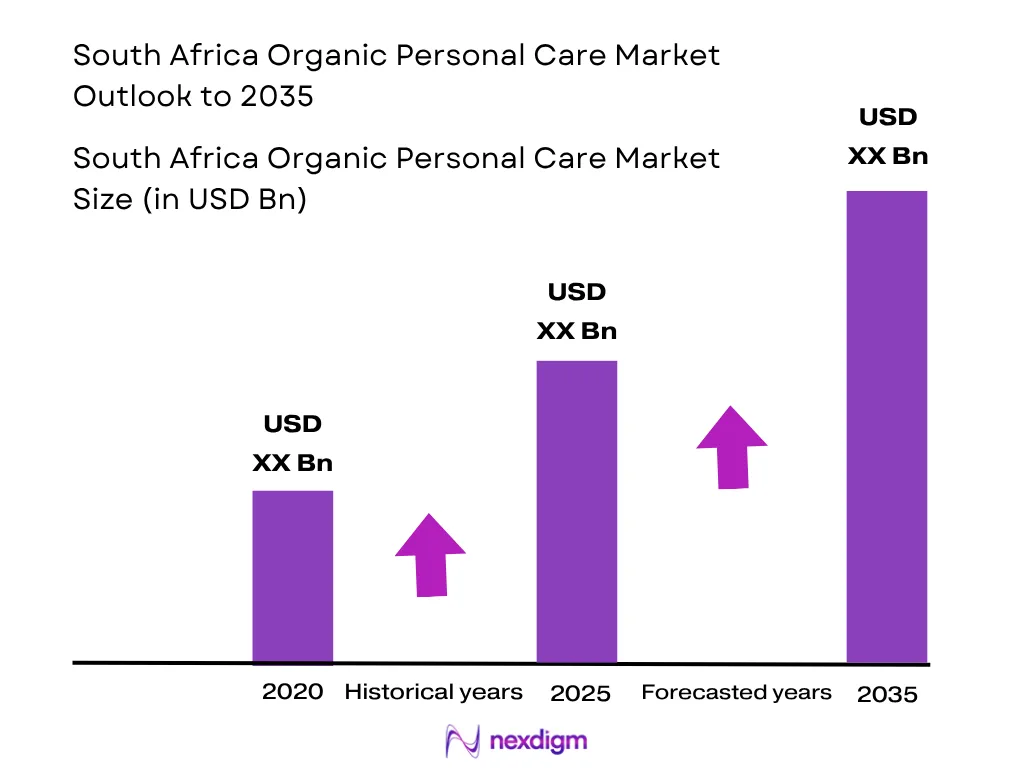
The South Africa Organic Personal Care market is valued at USD ~ billion in 2024. This market is primarily driven by increasing health consciousness among consumers and the rising demand for products with natural ingredients. Consumers are increasingly turning to organic options for their personal care routines, motivated by environmental concerns, better skin health, and a preference for chemical-free alternatives. This shift is also fueled by the growing trend of sustainability, with brands investing in eco-friendly packaging and cruelty-free certifications, contributing to the market’s robust growth.
In South Africa, the dominant regions that contribute significantly to the growth of the organic personal care market include Gauteng, Western Cape, and KwaZulu-Natal. Gauteng, with its high population density and developed retail infrastructure, plays a central role in the market. Western Cape follows due to its eco-conscious population and significant tourism industry, where organic personal care products are in high demand. KwaZulu-Natal also shows strong growth due to its diverse population and increasing middle-class consumer base, driving demand for high-quality, natural beauty products.
Market Segmentation
By Product Type
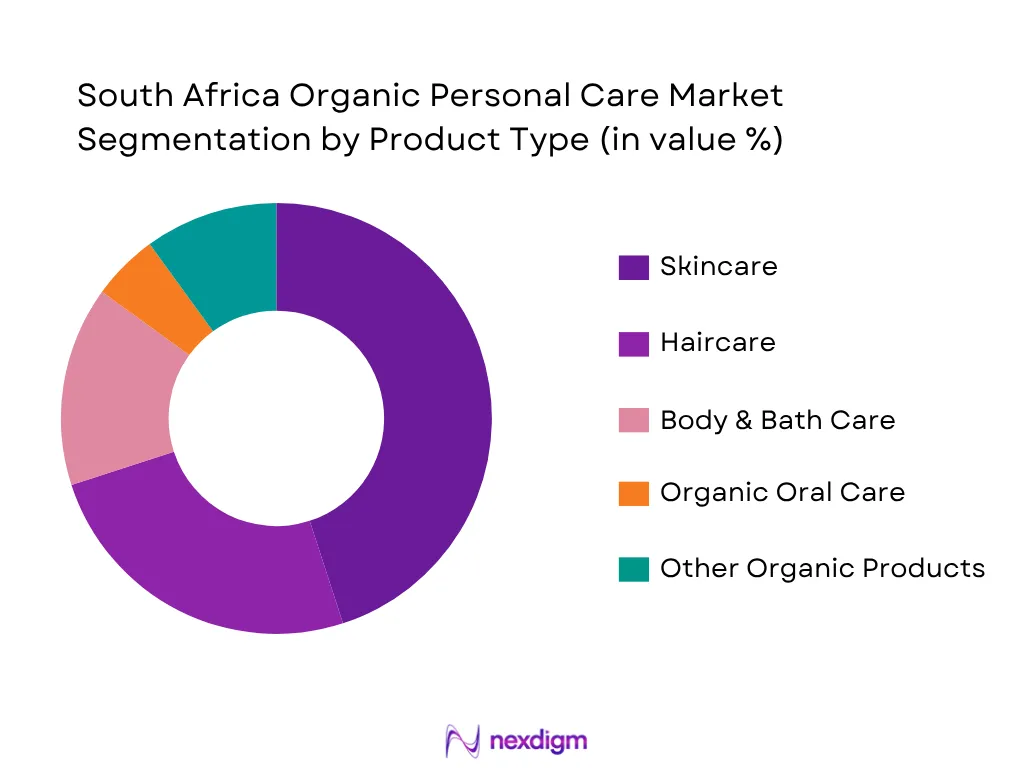
The South Africa Organic Personal Care market is segmented by product type into organic skin care, organic hair care, organic body and bath care, organic oral care, organic fragrances/perfumes, and other organic personal care products. Among these, organic skin care products hold the dominant share of the market in 2024. The rise in awareness regarding the harmful effects of synthetic chemicals in skincare products has led to a surge in the demand for organic alternatives. Brands like SKOON. and Weleda are at the forefront, offering a variety of organic skin care products such as creams, lotions, and serums that cater to the growing preference for natural skin health solutions.
 By End User Type
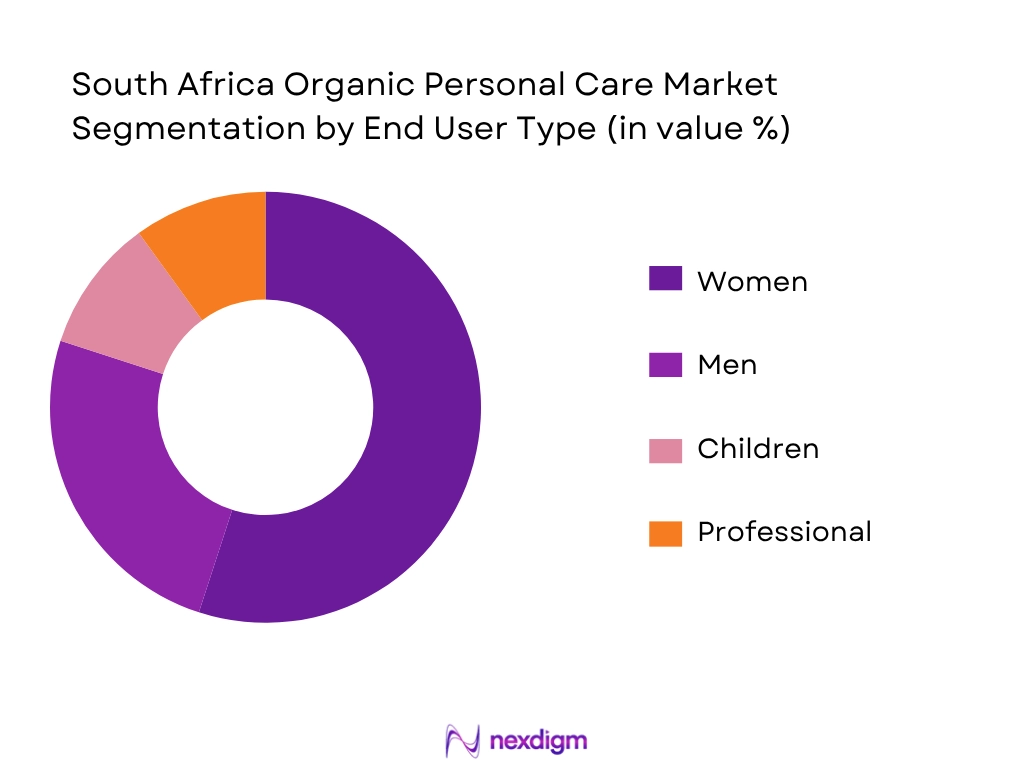
The market is segmented by end user into women, men, children, and professional (salons & spas). Among these, the women’s segment dominates the market share in 2024, driven by the high consumption of organic personal care products for skincare, haircare, and overall wellness. Women’s increasing preference for eco-friendly, chemical-free, and sustainable beauty solutions is propelling the growth of this segment. Brands focusing on organic skincare for women, such as Faithful to Nature, have capitalized on this demand, further solidifying the dominance of the women’s segment.
Competitive Landscape
The South Africa Organic Personal Care market is dominated by a mix of local and global players, with strong competition in the skin care and hair care segments. Major brands such as Faithful to Nature, Dr. Hauschka South Africa, and Weleda South Africa are at the forefront, establishing themselves as key competitors by offering organic products that meet the growing demand for sustainable and natural personal care. These companies are further strengthening their market positions through brand loyalty, diverse product offerings, and commitment to sustainability.
| Company Name | Establishment Year | Headquarters | Product Portfolio | Market Strategy | Sustainability Initiatives | Distribution Channels |
| Faithful to Nature | 2007 | South Africa | ~ | ~ | ~ | ~ |
| Dr. Hauschka South Africa | 1995 | South Africa | ~ | ~ | ~ | ~ |
| Weleda South Africa | 1921 | South Africa | ~ | ~ | ~ | ~ |
| SKOON. | 2002 | South Africa | ~ | ~ | ~ | ~ |
| Eco Diva | 2012 | South Africa | ~ | ~ | ~ | ~ |
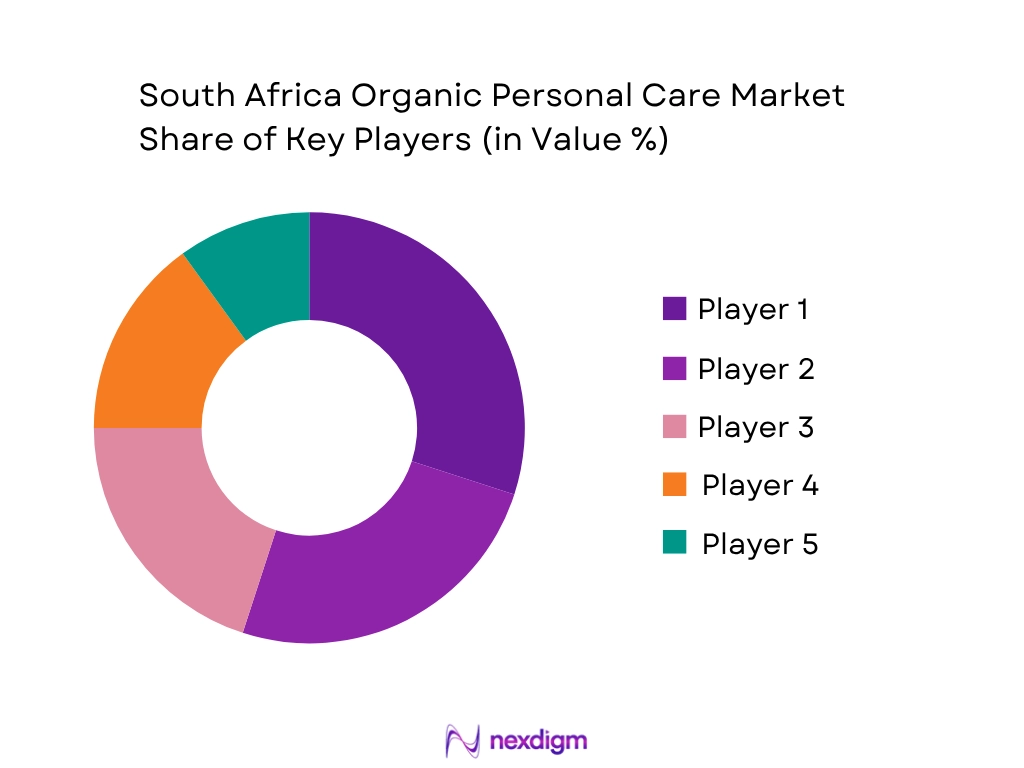
South Africa Organic Personal Care Market Analysis
Growth Drivers
Health Consciousness
Health consciousness in South Africa is rapidly increasing as more consumers recognize the importance of adopting healthy lifestyles. A significant number of South African consumers are turning to organic and natural personal care products as part of their broader health-conscious decisions. According to the World Health Organization (WHO), in 2023, non-communicable diseases (NCDs) were responsible for 55% of total deaths in South Africa, with a growing shift toward healthier, chemical-free living as part of preventive healthcare. As part of this trend, consumers are increasingly rejecting products with synthetic ingredients, driving the demand for natural personal care products. For instance, the demand for organic personal care items such as lotions, shampoos, and creams with fewer chemicals is directly linked to this health shift. Moreover, 2024 data from the South African government highlights an increase in wellness-related retail categories, such as natural foods and organic beauty products, which indicate a heightened preference for wellness and health-conscious choices. The increase in health-conscious consumer behaviors is expected to have a lasting impact on the organic personal care sector in South Africa, further boosting demand for organic alternatives.
Natural Ingredient Demand
The demand for natural ingredients in personal care products is also significantly rising in South Africa, as consumers become more educated about the benefits of these ingredients. Natural and organic ingredients, including aloe vera, shea butter, and marula oil, are growing in popularity in the South African beauty and personal care industry. South African consumers are increasingly concerned about the long-term health effects of synthetic chemicals in personal care products, which has led to a preference for products made from organic, plant-based ingredients. According to South Africa’s Department of Agriculture, Forestry and Fisheries, over the past few years, there has been a marked increase in the export of locally sourced organic ingredients, including essential oils and plant extracts, which are widely used in cosmetics and skincare products. This growing awareness surrounding the harmful effects of synthetic chemicals, combined with the cultural heritage of using natural ingredients, has contributed to a surge in demand for organic personal care. As of 2024, over 70% of South African consumers are reported to prefer organic and chemical-free alternatives, further validating this consumer shift towards natural ingredients.
Market Challenges
High Raw Material Costs
A significant challenge in the South African organic personal care market is the high cost of raw materials, which directly impacts the pricing and accessibility of organic products. Organic ingredients like marula oil, which is sourced from local South African suppliers, can be up to three times more expensive than synthetic alternatives, making it difficult for manufacturers to keep their product prices competitive. South Africa’s local farming industry, which supports the organic ingredient supply chain, is still in the process of scaling up production to meet growing demand. According to the South African Reserve Bank (SARB), inflation in South Africa rose by 6.8% in 2024, which has compounded the cost of organic materials, further impacting the price structure of organic personal care products. This increase in raw material costs is particularly challenging for small and medium-sized enterprises (SMEs) that are unable to absorb these costs and pass them onto consumers without risking a loss in demand. The higher cost of raw materials is creating a financial burden for many organic product manufacturers, which could lead to slower growth for the industry if left unaddressed.
Certification Complexity
Another challenge facing the South African organic personal care market is the complexity of obtaining certifications for organic products. In South Africa, brands must adhere to stringent certification requirements set forth by local regulatory bodies like the Department of Agriculture, Forestry and Fisheries (DAFF) to verify that their products are truly organic. However, navigating these certification processes can be costly and time-consuming. In addition, the process for obtaining international certifications such as USDA Organic or Ecocert requires significant investment in testing and auditing, which adds to the operational burden of local manufacturers. According to a report by the South African National Accreditation System (SANAS), the cost for a single product to go through the certification process can reach up to ZAR 50,000 (USD 3,000), making it unaffordable for many small producers to enter the organic personal care market. The complexity of these processes, coupled with the relatively high costs associated with certification, represents a significant barrier for local producers, limiting their ability to scale and compete on an international level. This presents a major challenge in expanding the organic personal care market in South Africa.
Growth Opportunities
Eco-conscious Tourism Growth
Eco-conscious tourism is a growing trend in South Africa, and this creates a significant opportunity for the organic personal care market. South Africa is a popular destination for eco-tourism, attracting millions of international visitors annually, many of whom are drawn to the country’s natural beauty and commitment to sustainability. As eco-conscious travel continues to grow, tourists are increasingly seeking products that align with their values, including organic and sustainable personal care options. According to data from South African Tourism, the number of eco-tourism arrivals in South Africa has increased by 9% over the past three years. This aligns with the increasing global trend toward environmentally responsible travel. As a result, South Africa’s organic personal care market stands to benefit from an influx of eco-conscious travelers looking for sustainable products that align with their values. Retailers and hospitality providers can tap into this opportunity by offering organic personal care products in tourist destinations, hotels, and online platforms targeting travelers.
Export Potential
South Africa holds significant potential as an exporter of organic personal care products. The country is home to an array of indigenous plants and herbs, such as rooibos and marula, which are highly sought after in international markets for their skin-healing and antioxidant properties. According to the South African Department of Trade and Industry (DTI), the export of organic cosmetics and personal care products from South Africa has been on the rise, driven by global demand for natural and sustainable beauty products. In 2024, South Africa’s organic beauty exports grew by 11% compared to the previous year, reflecting the increasing appeal of the country’s organic personal care products in overseas markets, particularly in Europe and North America. As global consumer awareness about sustainability and natural products grows, South Africa’s organic personal care sector has a vast opportunity to expand its exports, particularly to markets that value natural, plant-based skincare solutions.
Future Outlook
Over the next decade, the South Africa Organic Personal Care market is expected to show substantial growth, driven by the continued rise in consumer preference for natural and eco-friendly products. Factors such as increased awareness of the harmful effects of synthetic chemicals in personal care items, along with continued advancements in product formulations, are likely to propel demand for organic alternatives. Additionally, government regulations promoting the use of sustainable and ethical practices within the beauty industry are expected to create favorable conditions for market growth.
Major Players
- Faithful to Nature
- Dr. Hauschka South Africa
- Weleda South Africa
- SKOON.
- Eco Diva
- Indifusa
- Nourish Skin
- African Botanics
- House of Exile
- Iwori Beauty of Africa
- Myhru
- Gaia Organics
- Masodi Organics
- African Extracts
- Standard Beauty
Key Target Audience
- Investments and Venture Capitalist Firms
- Government and Regulatory Bodies (e.g., South African Bureau of Standards)
- Private Label Cosmetics Manufacturers
- Cosmetics Retailers
- Organic Ingredient Suppliers
- Natural and Organic Product Brands
- E-commerce Platforms
- Professional Beauty Salons and Spas
Research Methodology
Step 1: Identification of Key Variables
The research begins with the identification of key variables that influence the South Africa Organic Personal Care market. These variables are identified through desk research, combining secondary and proprietary databases to understand industry-level factors like consumer behavior, market penetration, and distribution trends.
Step 2: Market Analysis and Construction
In this phase, historical market data is compiled and analyzed. This includes studying trends in market value and volume, examining segment performance, and evaluating the role of distribution channels. A detailed analysis of product preferences and consumer spending patterns is conducted.
Step 3: Hypothesis Validation and Expert Consultation
Market hypotheses are formulated and validated through interviews with industry experts across manufacturing, retail, and sustainability domains. These experts provide first-hand insights into trends, challenges, and growth opportunities within the organic personal care sector.
Step 4: Research Synthesis and Final Output
The final phase involves synthesizing insights gained from primary research, expert consultations, and secondary data analysis. This step includes direct engagement with key stakeholders like product manufacturers, distributors, and consumers to validate the findings, ensuring the report offers a comprehensive view of the market.

- Executive Summary
- Research Methodology (Definition and Scope, Data Collection Framework, Triangulation & Validation, Primary & Secondary Research Weightage, Quality & Bias Controls, Forecasting Assumptions)

- Definition and Scope
- Industry Genesis and Evolution
- Timeline of Key Developments
- Market Structure and Business Cycle
- Supply Chain and Value Chain Analysis

- Growth Drivers (Health Consciousness, Natural Ingredient Demand, Wellness Convergence, Premiumization, Baby/Sensitive-Skin Demand)
- Market Challenges (High Raw Material Costs, Certification Complexity, Price premium, Shelf Competition, Regulatory Fragmentation)
- Growth Opportunities (Eco-conscious Tourism Growth, Export Potential, Refill, Premium Private Label, Digital Discovery)
- Key Trends (Indigenous Ingredients Use, Sustainable Packaging, Microbiome, Social Commerce, Value Polarization)
- Regulatory Environment (Certification Standards, Labelling Guidelines, retailer compliance standards)
- SWOT Analysis (of the Organic Personal Care Market)
- Stakeholder Ecosystem (Farmers, Manufacturers, Retailers, NGOs)
- Porter’s Five Forces Analysis

- By Value (2020-2025)
- By Volume (2020-2025)
- By Average Selling Price (2020-2025)

- By Product Type (In Value %)
Organic Skin Care (creams, lotions, serums)
Organic Hair Care
Organic Body & Bath Care (body washes, scrubs)
Organic Oral Care (toothpastes, mouthwash)
Organic Fragrances/Perfumes
Men’s grooming products
Baby care products
- By End User (In Value %)
Women
Men
Children
Professional (Salons & Spas) - By Distribution Channel (In Value %)
Supermarkets & Hypermarkets
Pharmacies/Drugstores
Specialty Beauty Stores
E-commerce/Online Platforms
Direct Sales - By Region (In Value %)
Gauteng
Western Cape
KwaZulu-Natal
Eastern Cape - By Packaging Type (In Value %)
Bottles & Pumps
Tube
Jars & Tubs
Sachets/Pouches
Sprays and Aerosols - By Pricing Tier (In Value %)
Mass Market
Mid-Market
Premium/Luxury Organics

- Market Share of Major Players (by Value/Volume, By Product Category)
- Cross Comparison Parameters (Product Portfolio, Certification & Quality Standards, Distribution Network, Manufacturing Capacity, Branding & Marketing, Pricing Strategy, Sustainability Initiatives, Innovation Focus)
- Average ASP for organic SKUs, (Ingredient sourcing traceability score, Sustainability/refill-packaging circularity score)
- Category-Claim Benchmarking (baby-safe, sensitive-skin, lip care, soap, scalp care, deodorant, oral care, sun care)
- Manufacturing Footprint and Capacity Analysis (owned plants, co-manufacturing mix, fill-finish capability, domestic/import split, batch flexibility)
- SWOT Analysis of Key Competitors
- Detailed Profiles of Major Companies
Faithful to Nature
Dr. Hauschka South Africa
Weleda South Africa
SKOON
Standard Beauty
Eco Diva
Indifusa
Nourish Skin
African Botanics
House of Exile
Iwori Beauty of Africa
Myhru
Gaia Organics
Masodi Organics
African Extracts

- Demand and Consumption Patterns (Household vs. Professional)
Spending and Purchasing Power (Premium Organic Spending) - Channel Behavior Analysis (discovery channel, purchase channel, replenishment channel, basket mission)
- E-Commerce, DTC, and Social Commerce Analysis (traffic source, CAC, conversion rate, subscription mix, repeat rate)
- Regulatory Awareness (Certifications, Claims)
- Customer Needs, Preferences & Pain Points (Allergies, Efficacy vs Price)
- Purchase Decision-Making Process (Influences of Branding, Ingredients)

- By Value (2026-2035)
- By Volume (2026-2035)
- By Average Price (2026-2035)


 Request a Sample
 Ask for Customization
 Get a Quote
 Enquire Now