

 Download PDF
Market Overview
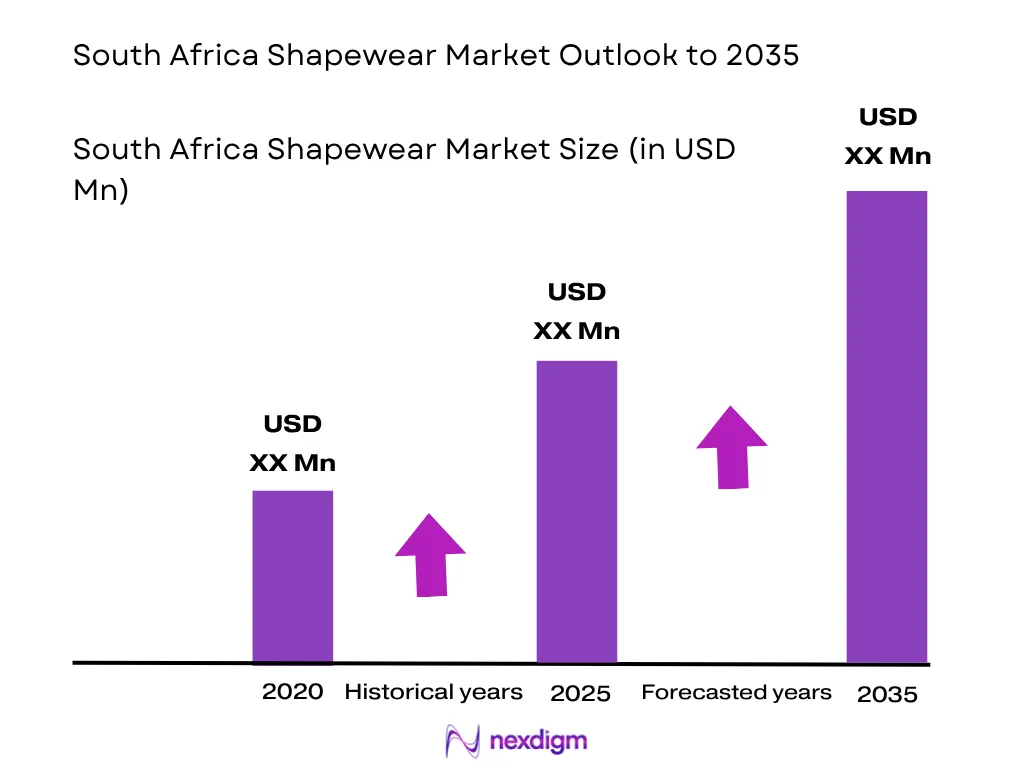
The South African shapewear market is currently valued at USD ~ million, and it is primarily driven by the increasing consumer emphasis on body positivity, comfort, and innovative fabric technologies. The rise in demand for shapewear among diverse body types and the growing adoption of body-shaping garments in the mainstream fashion industry contribute to this expansion. Additionally, as brands introduce inclusive sizing and seamless designs, these factors are further fueling market growth. Innovations in fabrics like moisture-wicking and breathable materials also play a significant role in meeting the evolving consumer needs for both aesthetics and comfort.
South Africa remains the dominant country in the shapewear market, especially in cities like Johannesburg, Cape Town, and Durban. These cities are the economic hubs, with a high concentration of consumers who are increasingly investing in fashion and personal care products. Johannesburg, being a major business and retail center, leads in shaping consumer trends and retail sales. The expansion of e-commerce platforms also supports the dominance of these cities by making shapewear products more accessible to consumers across different regions. The cultural importance of fashion and body image in South Africa has contributed significantly to the popularity of shapewear in these urban areas.
Market Segmentation
By Product Type
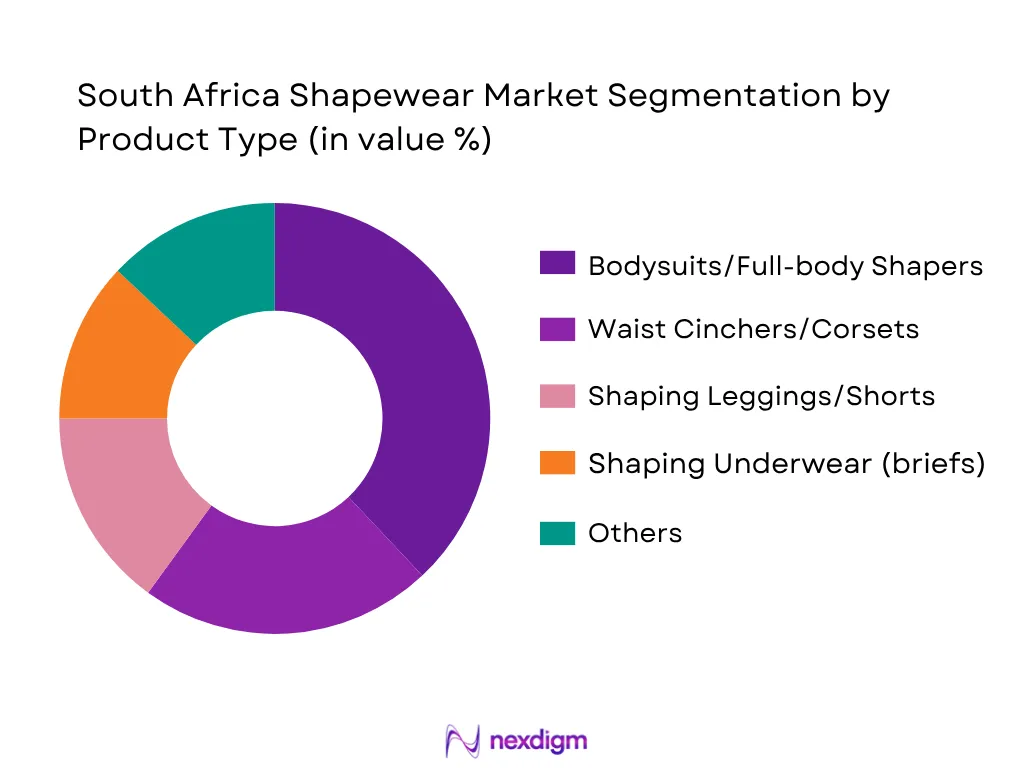
The South African shapewear market is segmented by product type into bodysuits/full-body shapers, waist cinchers/corsets, shaping leggings/shorts, shaping underwear, shaping bras and tops, and postpartum/maternity shapers. Among these, bodysuits and full-body shapers dominate the market due to their versatility and broad appeal. These products provide full-body shaping and are popular for both daily wear and special occasions. Their ability to cater to different body shapes and provide seamless support is driving consumer preference. As fashion trends lean towards a more body-conscious and streamlined silhouette, bodysuits and full-body shapers have emerged as the dominant segment in the South African shapewear market. This is due to their multifunctionality and widespread adoption by women seeking an all-in-one shaping solution. Additionally, their design innovation, providing comfort alongside effective shaping, contributes to their strong position. They are highly favored in both the mainstream and special occasion wear categories, contributing to their large share in the market.
By End-User Demographic
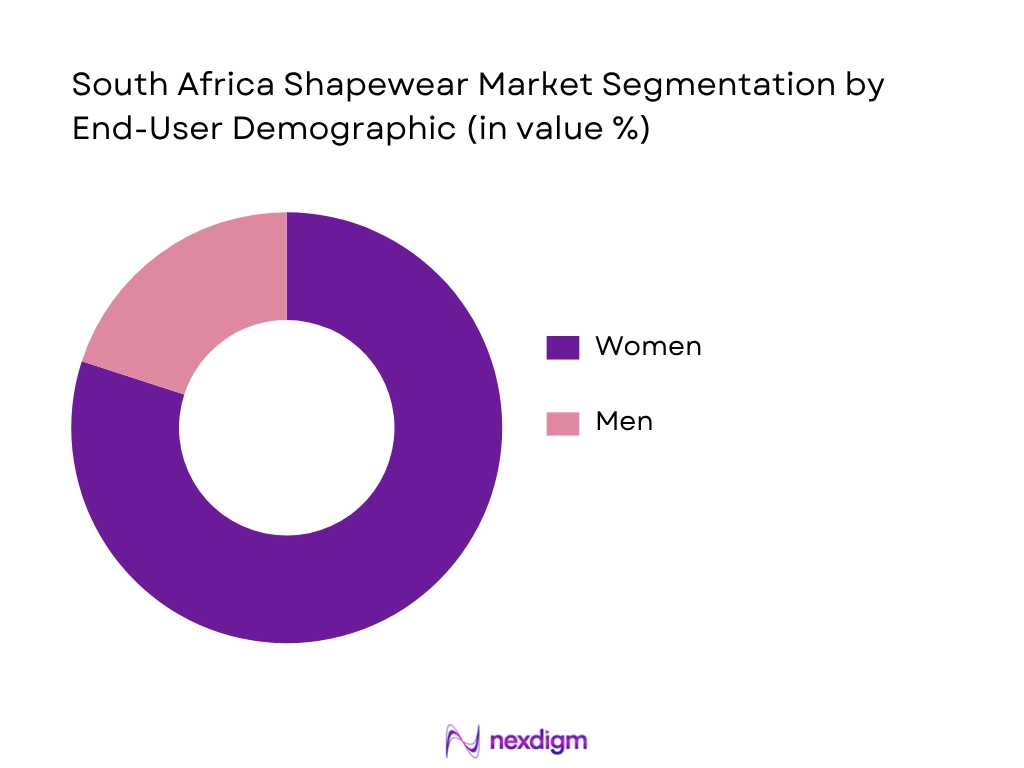
The South African shapewear market is also segmented by end-user demographic into women and men. Women continue to dominate the market share in shapewear, accounting for a significant portion of sales. This is primarily because shapewear products have long been associated with women’s fashion, particularly for enhancing body shape and offering comfort. However, there is a growing trend of men adopting shapewear, particularly compression garments like vests and briefs, driven by fitness and body-consciousness trends.
Competitive Landscape
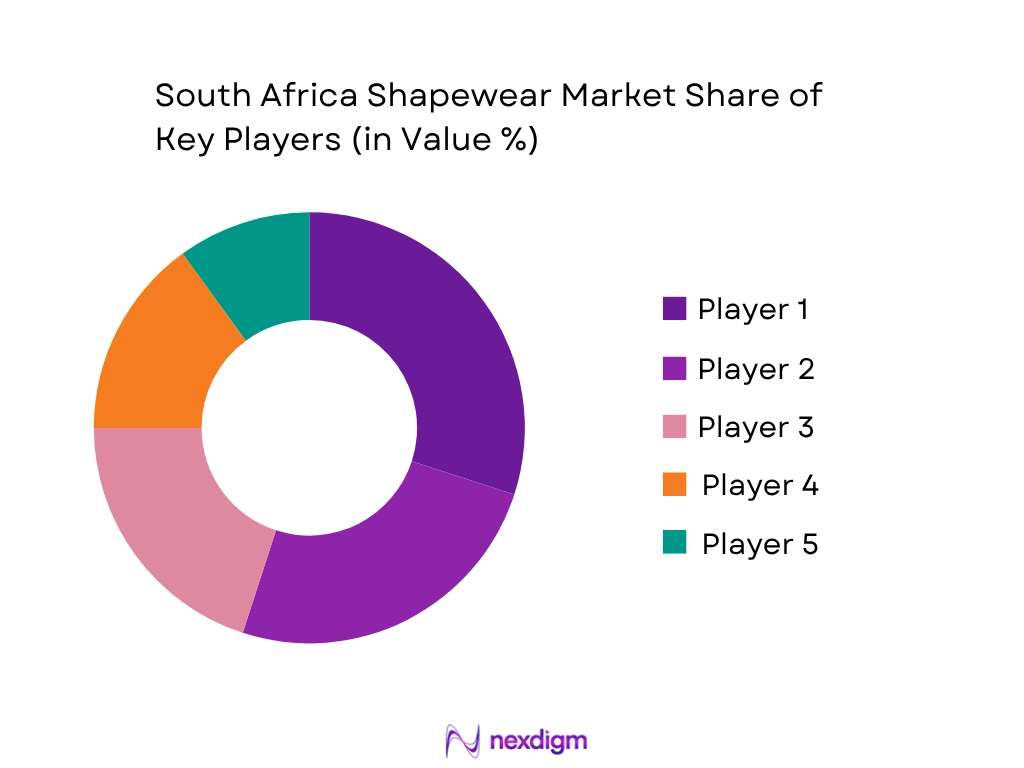
The South African shapewear market is highly competitive, with both local and international players vying for consumer attention. Major international brands like Spanx, Triumph International, and SKIMS have established a strong foothold, while local brands like Dr. Mary and Shapewear by Unathi continue to gain ground with their tailored offerings.
The South African market is also influenced by online retailers such as Shapermint, which provides convenience through e-commerce platforms. This shift to online shopping, combined with the increasing demand for inclusive and diverse products, has led to a rapidly evolving competitive environment.
| Company Name | Establishment Year | Headquarters | Product Portfolio | Distribution Network | Marketing Strategies | Online Presence |
| Spanx | 2000 | USA | ~ | ~ | ~ | ~ |
| Triumph International | 1886 | Germany | ~ | ~ | ~ | ~ |
| SKIMS | 2019 | USA | ~ | ~ | ~ | ~ |
| Dr. Mary | 2015 | South Africa | ~ | ~ | ~ | ~ |
| Shapewear by Unathi | 2018 | South Africa | ~ | ~ | ~ | ~ |
South Africa Shapewear Market Analysis
Growth Drivers
Body Positivity Movement
The body positivity movement is a significant growth driver in the South African shapewear market. As of 2024, the global body positivity trend has seen substantial momentum, particularly in South Africa, where consumers are increasingly focusing on body confidence and inclusivity. The population of South Africa is becoming more open to diverse body types, with the nation’s population of over 60 million people having witnessed a steady rise in the number of individuals adopting healthier body standards and embracing comfort. According to South Africa’s Department of Health, obesity rates have increased in recent years, with approximately 29% of adult women classified as obese in 2024. This shift is prompting a demand for shapewear that offers comfort, support, and a flattering fit for various body types. The growing acceptance of diverse body shapes and the move towards self-love are pushing consumers to seek shapewear products that cater to a broader range of body types.
Fabric Technology
The advancement in fabric technology is another key driver for the South African shapewear market. With ongoing innovations in textiles, brands are introducing more breathable, moisture-wicking, and flexible materials that enhance comfort without sacrificing functionality. For example, South African manufacturers are increasingly using fabrics such as nylon, elastane, and spandex, which are known for their stretchability and comfort. In addition, the global textile market has seen substantial growth in the adoption of sustainable and eco-friendly fabrics, with a significant focus on the development of fabrics that are both comfortable and durable. According to the International Trade Centre (ITC), global demand for sustainable fabrics is expected to reach USD 120 billion by 2026. The adoption of these innovative materials is making shapewear more comfortable, versatile, and appealing to consumers across various demographics.
Market Restraints
Price Sensitivity
Price sensitivity remains a significant restraint for the South African shapewear market, as a large portion of the population remains cautious of discretionary spending, especially in a country where economic challenges persist. South Africa’s inflation rate is expected to stay high at 7.5% in 2024, making consumers more price-conscious. In addition, unemployment rates continue to be a challenge, with South Africa’s unemployment rate hovering around 34% in 2024, according to the South African Statistics Office. As disposable income remains constrained, consumers are looking for affordable alternatives to premium shapewear. Brands in the shapewear market may find it challenging to raise prices without risking losing a significant portion of their customer base, especially given that budget-conscious consumers are heavily influenced by retail pricing. This limits market growth potential in the mid to lower income segments.
Product Misconceptions
Product misconceptions also limit the full adoption of shapewear in South Africa. Many consumers remain unaware of the actual benefits of shapewear, such as its ability to enhance posture, provide comfort, and offer support during physical activities. Misunderstandings surrounding shapewear’s discomfort and limited effectiveness are common, particularly among older demographics. In South Africa, consumer awareness and education are vital in dispelling these myths, but the lack of in-depth marketing and informative campaigns has contributed to slower product adoption. According to the South African Advertising Standards Authority, there is a significant gap in how shapewear is marketed, and many consumers remain misinformed about the types of shapewear that suit their specific needs. The absence of educational marketing campaigns that clearly explain the benefits of shapewear hinders consumer confidence in purchasing.
Market Opportunities
Plus-Size Segment
The growing focus on inclusivity is creating significant opportunities in the South African shapewear market, particularly in the plus-size segment. As of 2024, approximately 16 million adults in South Africa are considered overweight or obese, and this demographic continues to rise. The demand for shapewear that caters to plus-size individuals has surged as more consumers seek products that provide both style and support. Retailers are increasingly expanding their product lines to include extended sizes, with South African brands such as Dr. Mary and Pear Shapewear responding to this trend by offering a broader range of sizes in their collections. As more plus-size individuals embrace body-positive movements, the shapewear market sees growth potential in offering products that cater specifically to this demographic. Plus-size retail growth is anticipated to continue gaining momentum as brands expand their size offerings and emphasize inclusivity in their marketing strategies.
Men’s Shapewear Expansion
The men’s shapewear segment is another area offering substantial growth opportunities in the South African market. The South African market for men’s shapewear is growing as an increasing number of men are seeking compression garments for fitness and body sculpting. Currently, men’s shapewear, including compression vests and slimming briefs, accounts for a smaller but rapidly growing segment. According to the South African Retailers Association, men’s activewear sales have been increasing steadily, with gyms in major cities like Johannesburg and Cape Town reporting a 20% increase in new memberships since 2023. With a growing emphasis on fitness and physical health, especially among South African men, there is a rising demand for shapewear products that cater to this demographic. Leading retailers such as Woolworths and Mr Price are already introducing men’s shapewear in response to this demand, and the segment is expected to expand as body-conscious men become a more prominent part of the shapewear market.
Future Outlook
The South African shapewear market is expected to experience continued growth in the coming years. Over the next decade, the demand for innovative shapewear, driven by a growing preference for body-positive products and inclusive sizing, is expected to rise significantly. The rise of e-commerce and direct-to-consumer channels will also contribute to this growth. Additionally, the increasing awareness around sustainable and eco-friendly fabrics will likely drive the adoption of environmentally conscious shapewear solutions, further expanding the market.
Major Players in the Market
- Spanx
- SKIMS
- Triumph International
- Jockey International
- Hanesbrands
- Wolford
- Wacoal Holdings
- Shapermint
- Woolworths Holdings
- Truworths International
- Ackermans
- Mr Price Group
- Dr. Mary
- Shapewear by Unathi
- Pear Shapewear
Key Target Audience
- Retailers (Woolworths, Truworths)
- E-commerce Platforms (Shapermint)
- Fashion Brands (local and international)
- Investment and Venture Capitalist Firms
- Government and Regulatory Bodies (NRCS)
- Apparel Manufacturers
- Distributors and Wholesalers
- Private Label Shapewear Brands
Research Methodology
Step 1: Identification of Key Variables
This phase involves identifying the critical variables that influence the South African shapewear market. It includes factors like consumer demographics, purchasing behavior, and fabric innovation. Extensive desk research, combined with data from retail scanners and expert interviews, will be used to define the key metrics.
Step 2: Market Analysis and Construction
Market analysis will involve compiling historical data to assess trends in shapewear sales, the ratio of product categories, and their revenue generation. The evaluation will also focus on identifying the dominant consumer preferences in different regions and retail channels.
Step 3: Hypothesis Validation and Expert Consultation
This step involves validating market hypotheses through expert consultations. This includes speaking with professionals from leading companies and key stakeholders in the shapewear market to refine and validate the market data collected.
Step 4: Research Synthesis and Final Output
In the final phase, insights from experts and stakeholders will be synthesized to generate a comprehensive understanding of the market. This includes engaging with retailers, manufacturers, and distributors to verify the data collected and ensure its reliability for future forecasting.

- Executive Summary
- Research Methodology (Market Definition and Scope, South Africa-Specific Assumptions, Top-Down Market Estimation, Bottom-Up SKU and Channel Build-Up, Primary Interview Program, Pricing Audit Framework, Analytical Framework (PESTEL, SWOT, Porter’s), Forecasting Logic, Triangulation Model, Limitations)

- Definition & Scope (shapewear categories, inclusive sizing)
- Market Genesis & Evolution (historical development, urbanization impacts)
- Timeline of Key Brand Entries
- Industry Maturity & Business Cycle
- Supply Chain & Value Chain Analysis

- Growth Drivers (Body positivity movement; fabric technology; fitness trend; rising disposable income)
- Market Restraints (Price sensitivity; product misconceptions; limited retail availability)
- Market Opportunities (Plus-size segment; men’s shapewear expansion; sustainable/eco‑fabric lines)
- Trends (Inclusive sizing; seamless/gusset-free designs; eco-friendly materials; digital marketing via influencers)
- Regulatory Environment (NRCS safety & labeling standards; import tariffs; textile regulations)
- SWOT Analysis (Market strengths/weaknesses and external opportunities/threats)
Stakeholder & Distribution Ecosystem (Retailers, distributors, manufacturers, e-commerce platforms) - Porter’s Five Forces (competitive rivalry, supplier/buyer power, substitutes, entry barriers)
- Competitive Landscape (market concentration, consolidation trends)

- By Value (2020-2025)
- By Volume (2020-2025)
- By Average Selling Price (2020-2025)

- By Product Type (In Value%)
Bodysuits/Full-body Shapers
Waist Cinchers / Corsets
Shaping Leggings/Shorts
Shaping Underwear
Shaping Bras & Tops
Postpartum / Maternity Shapers
- By End‑User Demographic (In Value%)
Women
Men - By Distribution Channel (In Value%)
Specialty Lingerie & Shapewear Stores
Apparel Retailers / Department Stores
Mass-Merchandisers
Online Retail
Pharmacies & Medical Suppliers - By Price Tier (In Value%)
Premium / Luxury Shapewear
Mid‑Market Shapewear
Value / Budget Shapewear - By Application / Use Case (In Value%)
Everyday Wear & Office
Athletic / Performance
Maternity / Postpartum Support
Medical / Post-surgical Compression
Formal & Event Wear

- Market Share of Key Players (Value & Volume)
- Cross Comparison Parameters (Company Overview, Product Portfolio, Distribution Network, Online Presence, Marketing & Brand Strength, Manufacturing/Supply Chain, Financials, Innovation/R&D)
- SWOT Analysis of Major Players
- Pricing Analysis (by product SKU and brand positioning)
- Detailed Profiles of Major Companies
Spanx
SKIMS
Triumph International
Jockey International
Hanesbrands
Wolford
Wacoal Holdings
Shapermint
Woolworths Holdings .
Truworths
Ackermans
Mr Price Group
Dr Mary
Shapewear by Unathi
Pear Shapewear

- Demographic & Psychographic Profiles (age, income, body confidence levels)
- Purchasing Behavior & Spend Patterns (online vs offline preference, average basket size)
- Sizing & Compliance (fit issues, return rates, local size standards)
- Needs & Pain Points (comfort vs compression trade‑offs; education gaps)
- Decision Drivers (brand loyalty, price sensitivity, fashion trends)

- By Value (2026-2035)
- By Volume (2026-2035)
- By Average Selling Price per Garment (2026-2035)
- By Branded and Private Label (2026-2035)


 Request a Sample
 Ask for Customization
 Get a Quote
 Enquire Now