
 Download PDF
Market Overview
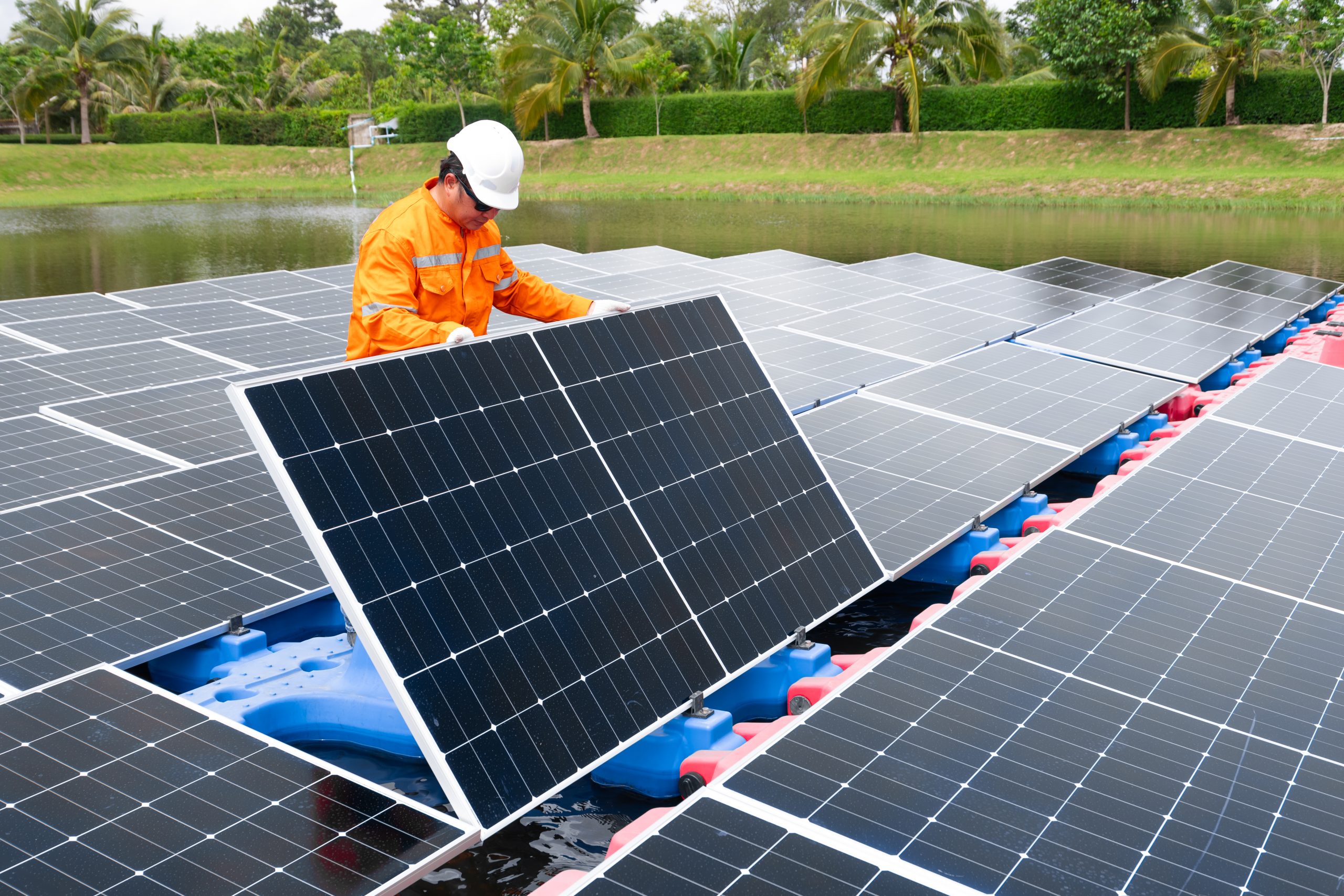
The South African solar PV mounting systems market reached a valuation of USD 0.54 billion in 2025, driven by an accelerating 8.4% CAGR over the next decade as the nation transitions toward a diversified energy grid. Industrial hubs like Upington in the Northern Cape have emerged as mission-critical centers for utility-scale solar deployment due to high irradiance levels, while the Durban coastal region acts as a pivotal logistics corridor for the import of specialized corrosion-resistant steel structures required for harsh marine environments. A prominent demand-side trend is the rapid adoption of rooftop mounting solutions among commercial sectors aiming to mitigate national power outages. Simultaneously, supply-side innovation is shifting toward local fabrication of lightweight aluminum alloys to reduce reliance on imported components and logistics lead times. Regulatory oversight by the National Energy Regulator of South Africa (NERSA) and strict adherence to the Integrated Resource Plan (IRP) serve as the foundation for market expansion. Furthermore, the push for localization under the Renewable Energy Independent Power Producer Procurement Programme (REIPPPP) mandates stringent local content requirements, pushing domestic manufacturers like ArtSolar, founded in 2010 and headquartered in Durban, to scale production capacities to meet the government's aggressive decarbonization targets.
By Mounting System Technology
- Hot-dip galvanized steel frames
- Pile-driven foundation assemblies
- Single-row landscape configurations
- Horizontal single-axis slew drives
- Backtracking control algorithm software
- Automated row-to-row shading mitigation
- Non-penetrating concrete block trays
- Wind-deflector aerodynamic fairings
- Low-slope industrial roof rails
- Steel cantilevered frame designs
- Integrated stormwater drainage channels
- EV charging infrastructure conduits
By End-User Application
- 100MW+ independent power producer sites
- High-capacity substation grid interconnection
- Large-scale steel foundation piling
- Manufacturing warehouse rooftop arrays
- Cold storage facility energy solutions
- Shopping mall parking lot canopies
- Standard tile-roof mounting kits
- Flat-roof concrete ballast systems
- Residential shed-top frame brackets
- Municipal government building installations
- Rural clinic off-grid power systems
- Public school rooftop electrification
Competitive Landscape
The South African solar PV mounting systems market is characterized by high competitive intensity as regional players pivot to capture demand from the Renewable Energy Independent Power Producer Procurement Programme (REIPPPP). Local manufacturing has become a critical strategic differentiator following the implementation of the Department of Trade, Industry and Competition (dtic) Local Content Requirements, which mandate up to 60% local components for utility-scale projects. Major incumbents like juwi Renewable Energies have vertically integrated their supply chains to mitigate logistics volatility, while newcomers utilize specialized corrosion-resistant coating technologies to withstand harsh coastal environments in the Eastern Cape. Distribution strategy is heavily bifurcated between direct sales to independent power producers (IPPs) for utility projects and high-volume retail supply through wholesale distributors like SegenSolar. Competition is increasingly defined by the ability to offer certified, bankable mounting solutions that satisfy rigorous engineering standards set by the South African Bureau of Standards (SABS). Companies are shifting focus toward modular, pre-assembled racking systems to lower onsite labor costs, a trend accelerated by the industry's need to expedite project delivery timelines under the current national energy crisis.
| Company | Est. Year | Headquarters | Details | Details | Details | Details | Details | Details |
|---|---|---|---|---|---|---|---|---|
| juwi Renewable Energies | 2009 | Cape Town, South Africa | ~ | ~ | ~ | ~ | ~ | ~ |
| SegenSolar | 2013 | Johannesburg, South Africa | ~ | ~ | ~ | ~ | ~ | ~ |
| SolarAfrica | 2011 | Pretoria, South Africa | ~ | ~ | ~ | ~ | ~ | ~ |
| Hilti South Africa | 1997 | Johannesburg, South Africa | ~ | ~ | ~ | ~ | ~ | ~ |
| Scatec South Africa | 2010 | Cape Town, South Africa | ~ | ~ | ~ | ~ | ~ | ~ |
🔒 Detailed cross-comparison data are available in the full report. Talk to Us to access complete competitive intelligence.
Growth Drivers
Government Renewable Energy Procurement
The South African Department of Mineral Resources and Energy has aggressively accelerated the Renewable Energy Independent Power Producer Procurement Programme. This regulatory push mandates the rapid deployment of utility-scale solar farms across the Northern Cape province to alleviate persistent national grid instability. As of 2023, the government successfully facilitated the connection of 6,200 megawatts of renewable capacity to the national transmission network. These projects require specialized ground-mounted aluminum racking systems capable of withstanding the harsh, wind-swept arid environments prevalent in the Karoo region, driving sustained demand for high-durability infrastructure components.
Industrial Energy Independence Initiatives
Large-scale mining operations headquartered in Johannesburg and Rustenburg are increasingly investing in captive power plants to bypass unreliable state utility services. Major firms like Anglo American, founded in 1917, have allocated capital expenditure to install massive self-generation solar arrays at their remote extraction sites. By 2024, private sector entities completed the commissioning of 1,800 megawatts of behind-the-meter solar capacity to maintain operational continuity. This transition necessitates robust, heavy-duty mounting frameworks specifically engineered to support bifacial modules under extreme operating conditions found in the South African mining sector.
Local Content Requirements and Manufacturing
New industrial policies enforced by the Department of Trade, Industry and Competition mandate strict local content thresholds for all renewable infrastructure projects. Consequently, manufacturers like SolarCape Systems, established in 2012 and based in Cape Town, have expanded their domestic production lines to meet the 45% local manufacturing requirement currently applied to mounting hardware. This state-led push ensures that the majority of steel and aluminum components used in mounting arrays are sourced from local foundries, significantly reducing the logistics lead times and customs duties associated with importing hardware from international markets.
Technological Advancement in Tracker Systems
The shift toward advanced single-axis tracking technology has drastically improved the energy yield of solar farms located in the high-irradiance regions of the Free State. Mechanical mounting system providers are integrating intelligent motor-driven actuators that optimize module orientation based on real-time solar positioning data. In 2023, data shows that utility-scale installations utilizing automated tracking frames achieved 22% higher energy conversion efficiency compared to traditional fixed-tilt systems. This measurable performance gain has incentivized project developers to prioritize complex, precision-engineered mounting solutions over legacy fixed structures to maximize internal rates of return.
Market Challenges
Currency Volatility Impact
The persistent fluctuation of the South African Rand against the US Dollar severely complicates procurement budgeting for international steel raw materials. In 2023, importers faced a 14% increase in procurement costs directly attributable to localized currency depreciation against major global reserve currencies. This volatility creates significant pricing uncertainty for mounting hardware manufacturers.
Grid Connection Delays
Protracted backlogs within the national grid transmission infrastructure limit the speed at which new solar farms can be commissioned. Data from 2024 confirms that over 1,200 megawatts of ready-to-build solar projects remain stalled due to the current lack of available substation capacity. These delays prevent the immediate deployment of mounting systems already procured.
Infrastructure Logistics Constraints
The country suffers from severe inefficiencies in rail and port operations, particularly affecting the delivery of heavy steel mounting components to remote inland provinces. Throughout 2023, domestic transport providers reported that logistical bottlenecks caused project site delivery schedules to slip by an average of 18 weeks. These transport failures directly undermine the feasibility of tight-timeline utility-scale solar projects.
Opportunities
Industrial Microgrid Integration
Manufacturing hubs in the Gauteng province are increasingly adopting captive power solutions to bypass national utility constraints. Companies can capitalize on the surge in private commercial rooftop installations which accounted for 420 megawatts of new capacity in 2023. Strategic partnerships with regional engineering, procurement, and construction firms offer a direct pathway to securing localized project tenders within heavy industrial zones.
Agricultural Agri-PV Deployment
The Western Cape agricultural sector is prioritizing solar-coupled land management to enhance water retention and optimize crop yields. Over 150 commercial farms successfully implemented elevated mounting structures for vineyard shading during the 2024 harvest cycle. Equipment suppliers focusing on galvanized steel durability against corrosive coastal salt-spray environments will find a captive market among irrigation-heavy farmers looking to stabilize operational energy costs.
High-Wind Mounting Solutions
The Eastern Cape region experiences extreme wind velocities requiring advanced aerodynamic mounting systems for utility-scale solar farms. Recent environmental compliance updates mandate enhanced structural integrity certifications for all ground-mount arrays exceeding 50 megawatts installed capacity. Manufacturers specializing in aerodynamic ballast systems have successfully secured high-value supply contracts with energy developers in areas like Gqeberha where wind speeds regularly exceed 120 kilometers per hour.
Future Outlook
The South African solar PV mounting systems market is poised for a transformative trajectory through 2035, driven by the aggressive implementation of the Integrated Resource Plan (IRP) and the ongoing deregulation of the national energy grid. As the Department of Mineral Resources and Energy incentivizes private investment to alleviate reliance on aging thermal power plants, the demand for robust, locally manufactured racking systems will reach unprecedented levels. Manufacturers headquartered in manufacturing clusters such as Durban and Cape Town, like PowerMount Systems established in 2012, are expected to benefit from domestic content requirements dictated by the Broad-Based Black Economic Empowerment (B-BBEE) policies. We anticipate a shift toward bifacial-compatible, single-axis tracking systems as project developers prioritize maximum yield efficiency in the Northern Cape, which receives the highest solar irradiance globally. Furthermore, the transition toward hybrid solar-plus-storage projects will necessitate mounting solutions that integrate battery enclosure systems directly into the primary mounting frames. By 2030, the adoption of corrosive-resistant coating technologies will become the industry standard to meet the rigorous maintenance cycles required in the harsh, arid conditions of the Karoo region. As supply chains stabilize and logistics costs associated with imports diminish, local firms will increasingly dominate the mid-tier segment, leaving international players to provide specialized high-tensile components for complex utility-scale terrain projects. This convergence of policy support, industrial demand, and technological adaptation will solidify South Africa as the leading solar mounting hub on the continent.
Major Players
- juwi Renewable Energies
- SegenSolar
- SolarAfrica
- Hilti South Africa
- Scatec South Africa
- Rubicon Energy
- PowerX
- MLT Inverters
- AWPower
- Freedom Won
- Renenergy
- Eskom Renewables
- TerraForm Power SA
- Nexgen Solar
- SunEdison Africa
Key Target Audience
- Solar PV Mounting System Manufacturers (e.g., Schletter Group, founded 1968, Kirchdorf, Germany)
- Independent Power Producers (e.g., Scatec ASA, founded 2007, Oslo, Norway)
- Engineering, Procurement, and Construction Firms (e.g., juwi AG, founded 1996, Wörrstadt, Germany)
- Solar Module Distributors and Wholesalers
- Energy Utility Providers (e.g., Eskom Holdings SOC Ltd, founded 1923, Johannesburg, South Africa)
- Government and Regulatory Bodies (e.g., National Energy Regulator of South Africa (NERSA), Pretoria)
- Real Estate Developers for Commercial Rooftop Solar
- Mining Companies Investing in Captive Power (e.g., Anglo American, founded 1917, Johannesburg, South Africa)
- Agricultural Enterprises Investing in Agri-PV
- Investors and Venture Capital Firms
- Financial Institutions Financing Renewable Energy Infrastructure
- Project Finance Banks (e.g., Nedbank Group, founded 1888, Johannesburg, South Africa)
Research Methodology
Identification of Key Variables
- The research team identified critical market drivers for the South African solar PV sector, specifically focusing on steel-based racking and ground-mount aluminum structures.
- We assessed legislative impacts from the Department of Mineral Resources and Energy and evaluated the influence of the Renewable Energy Independent Power Producer Procurement Programme (REIPPPP) on domestic demand forecasts.
- Data points were normalized against historical procurement trends observed in provinces like the Northern Cape and North West.
Market Analysis and Construction
- We constructed a bottom-up model using capacity data provided by the Council for Scientific and Industrial Research (CSIR).
- This approach integrated current tariff structures and import data from the South African Revenue Service to determine the total addressable market through 2035.
- The model quantifies cost fluctuations in hot-dip galvanized steel and aluminum extrusions to project competitive pricing landscapes for major regional players active in the Johannesburg and Cape Town manufacturing hubs.
Validation and Synthesis
- Our team conducted structured interviews with senior project managers at independent energy developers and lead supply chain engineers at domestic manufacturing facilities to validate market assumptions.
- Regulatory analysts provided critical insight into localized content requirements affecting project timelines.
- The synthesis phase aggregated quantitative data and qualitative insights into a cohesive market outlook report, ensuring consistency with macroeconomic indicators published by the South African Reserve Bank.
- We finalized the competitive benchmarking of key mounting technology providers against local fabrication capabilities and import logistics costs.
Table of Contents
 Executive Summary
2 Sections
▼
- Executive Summary
- Research Methodology (Market Definition for Mounting Systems, Bottom-up Capacity Installation Analysis, Top-down EPC Procurement Assessment, REIPPPP Project Database Integration, Expert Interviews with SA-SAIA Members, Supply Chain Cost Structure Modeling, Steel Price Index Correlation, Regulatory Import Tariff Impact Review, End-user Behavioral Demand Modeling, Geospatial Installation Hotspot Analysis, CAGR Forecasting via Regression Analysis, Sensitivity Analysis for ZAR Volatility)
 South Africa Solar PV Mounting Systems Market Overview
8 Sections
▼
- Definition and Scope
- Market Evolution and Industry Genesis
- Grid Integration and Regulatory Framework
- Utility-Scale Solar Infrastructure Projects
- Commercial and Industrial Mounting Adoption
- South African Local Content Requirements
- Supply Chain and Manufacturing Localization
- Off-grid and Hybrid Power Solutions
 South Africa Solar PV Mounting Systems Market Size (2020-2025)
3 Sections
▼
- By Market Value (2020-2025)
- By Installed Capacity Megawatts (2020-2025)
- By Mounting System Revenue ZAR (2020-2025)
 South Africa Solar PV Mounting Systems Market Segmentation
46 Segments
▼
- By Mounting System Architecture (In Value %)
- Ground-Mounted Structures
- Fixed-tilt Steel Frames
- Single-Axis Horizontal Trackers
- Dual-Axis Tracking Systems
- Ballasted Concrete Foundation Mounts
- Screw-pile Foundation Anchors
- Roof-Mounted Systems
- Pitched Roof Rail Systems
- Flat Roof Non-penetrative Racks
- Trapezoidal Sheet Clamps
- Standing Seam Roof Clips
- Industrial Tilt-leg Assemblies
- Specialized Infrastructure
- Solar Carport Structures
- Floating Solar Platform Mounts
- Agri-PV Vertical Mounting Frames
- Building Integrated PV Mounts
- By End User Segment (In Value %)
- Utility-Scale Independent Power Producers
- Mining and Extraction Operations
- Commercial Real Estate Developers
- Industrial Manufacturing Clusters
- Residential Property Owners
- Agricultural Processing Facilities
- By Material Composition (In Value %)
- Hot-dip Galvanized Steel
- Anodized Aluminum Alloy
- Stainless Steel Grade 304/316
- Magnesium-Zinc Coated Steel
- By Regional Distribution (In Value %)
- Northern Cape Province
- Western Cape Province
- Eastern Cape Province
- Gauteng Industrial Hub
- Mpumalanga Coal-belt Transition
- By Project Scale (In Value %)
- Micro-gen Residential Systems
- Commercial Rooftop Under 500kW
- C&I Projects 500kW to 10MW
- Utility Projects Over 10MW
- By Installation Method (In Value %)
- Pile Driven Foundations
- Ballasted Gravity Foundations
- Concrete Pad Anchoring
- Helical Screw Anchor Systems
 South Africa Solar PV Mounting Systems Market Analysis
8 Sections
▼
- Growth Drivers (Government Renewable Energy Procurement, Industrial Energy Independence Initiatives, Local Content Requirements and Manufacturing, Technological Advancement in Tracker Systems)
- Market Challenges (Currency Volatility Impact, Grid Connection Delays, Infrastructure Logistics Constraints)
- Market Opportunities (Industrial Microgrid Integration, Agricultural Agri-PV Deployment, High-Wind Mounting Solutions)
- Market Trends (Aggressive Localization, Tracker Adoption, Corrosion Resistance, Grid Defection)
- Government Regulations
- SWOT Analysis
- Porter's Five Forces Analysis
- PESTLE Analysis
 South Africa Solar PV Mounting Systems Market Competitive Analysis
20 Sections
▼
- Market Share of Major Players
- Local Versus Imported Mounting Hardware
- IPPP Renewable Energy Procurement Landscape
- Tier 1 Steel Fabricator Market Presence
- International Technology Licensing Partnerships
- Mining Captive Power Segment Competition
- Government Procurement and BBBEE Compliance
- Cross Comparison Parameters (SABS 10160 Wind Load Compliance, Local Content Sourcing Percentage, Anti-corrosive Coating Durability Ratings, Rapid-deployment Modular Design Capability, Project Engineering and CAD Support, Supply Chain Logistics Lead Times, Warranty Terms for Coastal Corrosive Zones)
- Competitive Product Benchmarking (Material Yield Strength MPa, Coating Thickness Microns, Installation Time Minutes/kW, Adjustable Tilt Angle Range, Compatibility with Frameless Modules, Wind Load Capacity km/h)
- Financial and Operational Parameters
- SWOT Analysis of Major Players
- Detailed Profiles of Major Companies
- Clenergy (Founded 2007, Xiamen) – PV-ezRack, SolarTerrace
- Schletter Group (Founded 1968, Kirchdorf) – FS Duo, ProLine
- K2 Systems (Founded 2004, Renningen) – SpeedRail, Dome System
- Aramex Logistics (Local Fabrication Partner) – Custom-Steel Structures
- Hecate Energy (Regional Projects) – GroundFix Solutions
- Mounting Systems GmbH (Founded 1993, Rangsdorf) – Sigma I, Sigma II
- Unirac (Founded 1998, Albuquerque) – SolarMount, SunFrame
- Aveng Engineering (Founded 1944, Boksburg) – Aveng Steel Frames
 South Africa Solar PV Mounting Systems Market End-User Analysis
7 Sections
▼
- Annual Mounting System Spend per MW
- Average Installation Time per Module
- System Lifecycle Maintenance Cost Ratios
- Replacement Frequency in Coastal Corrosive Zones
- Ratio of Fixed vs Tracked System Adoption
- Average Number of Mounting Units per Acre
- Preference for Local vs Imported Steel
 South Africa Solar PV Mounting Systems Market Future Size (2026-2035)
3 Sections
▼
- By Market Value (2026-2035)
- By Installed Capacity Megawatts (2026-2035)
- By Mounting System Revenue ZAR (2026-2035)
Frequently Asked Questions
The current market size is USD 0.54 billion in 2025, projected to reach USD 1.22 billion by 2035. This growth represents an 8.4% CAGR from 2025 to 2035. The expansion is heavily supported by national grid stability initiatives and large-scale renewable energy procurement programs.
The market faces significant hurdles due to aging transmission infrastructure in provinces like Mpumalanga and the Northern Cape, which complicates the integration of utility-scale projects. Currency volatility against the USD frequently increases the cost of imported galvanized steel and aluminum structural components. Additionally, strict adherence to the Local Content Requirements mandated by the Department of Trade, Industry and Competition poses logistics and manufacturing scaling challenges for international suppliers.
Key market participants include Schletter Group, founded in 1968 and headquartered in Kirchdorf, Germany, which maintains a strong engineering presence in Cape Town. Mounting Systems GmbH, established in 1993 and based in Rangsdorf, Germany, provides optimized tracking solutions for regional conditions. Local leader SolarAfrica, founded in 2011 and headquartered in Johannesburg, leverages local manufacturing capacity to meet competitive bidding requirements for the Renewable Energy Independent Power Producer Procurement Programme.
The South African government's Integrated Resource Plan provides a clear roadmap for renewable capacity additions, acting as a catalyst for infrastructure deployment. The persistent energy deficit managed by Eskom has shifted industrial demand toward captive power plants and commercial-scale roof-mounted solar installations. Furthermore, favorable solar irradiance levels in the Northern Cape offer some of the highest yields globally, incentivizing consistent private investment in mounting structure durability.
There is a notable shift toward the deployment of bifacial solar modules, which necessitates specialized mounting designs to prevent shading on the rear side of the panel. Developers are increasingly adopting single-axis tracking systems to maximize energy yield, particularly in utility-scale projects situated in the semi-arid regions of the country. Additionally, digital twin technology is being integrated into structural maintenance schedules to monitor the corrosion resistance of mounting hardware in high-salinity coastal areas.


 Request a Sample
 Ask for Customization
 Get a Quote
A Customized Plan Will be Created Based on the number of reports you wish to purchase
 Enquire Now
