

 Download PDF
 Download PDF
Market Overview
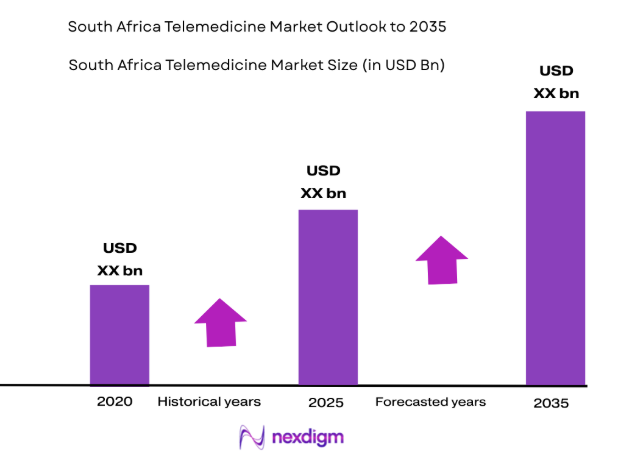
South Africa’s telemedicine market has experienced significant expansion driven by increasing digital healthcare adoption and improved national connectivity infrastructure. Based on a recent historical assessment, the telemedicine sector generated approximately USD ~ billion in revenue, supported by rising demand for remote medical consultations, digital diagnostics, and telemonitoring services. Expansion of broadband coverage, growth in smartphone penetration, and the increasing burden of chronic diseases encourage healthcare providers to adopt virtual care platforms that enhance access to medical services.
Major urban healthcare hubs such as Johannesburg, Cape Town, and Durban dominate telemedicine adoption due to strong hospital infrastructure, higher digital literacy, and advanced private healthcare networks. Large hospital groups and technology providers in these cities actively deploy teleconsultation systems, remote patient monitoring platforms, and digital health record integration services. Private healthcare providers also promote telehealth services to reduce patient congestion in hospitals while improving specialist access for patients located in remote rural provinces across the country.
Market Segmentation
By Product Type
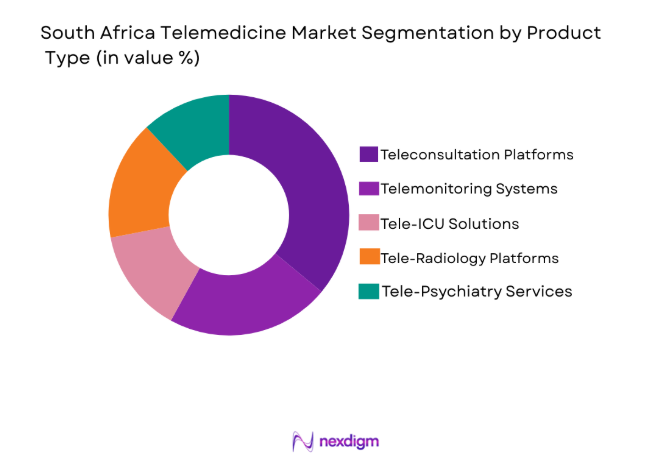
South Africa Telemedicine market is segmented by product type into teleconsultation platforms, telemonitoring systems, tele-ICU solutions, tele-psychiatry services, and tele-radiology platforms. Recently, teleconsultation platforms have a dominant market share due to factors such as demand patterns, brand presence, infrastructure availability, and consumer preference. Healthcare providers increasingly deploy virtual consultation systems that allow doctors to connect with patients through mobile applications and video platforms. These services reduce hospital congestion and improve patient access to medical specialists. Teleconsultation platforms are widely adopted by private hospitals, insurance providers, and digital health startups because they offer scalable healthcare delivery and improve patient engagement across urban and rural healthcare systems.
By Platform Type
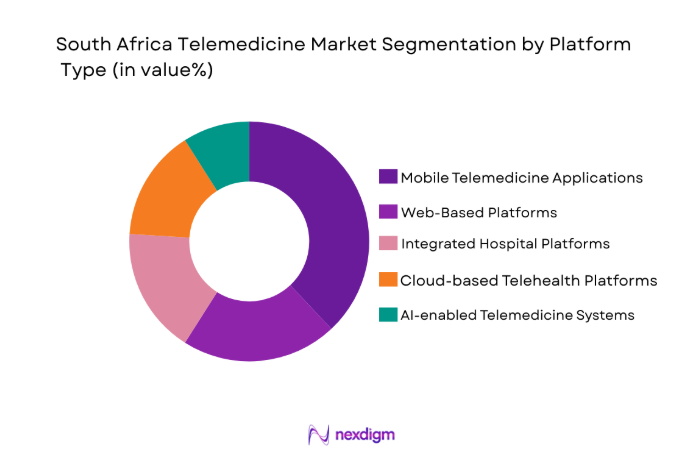
South Africa Telemedicine market is segmented by platform type into web-based platforms, mobile telemedicine applications, integrated hospital platforms, cloud-based telehealth platforms, and AI-enabled telemedicine systems. Recently, mobile telemedicine applications have a dominant market share due to factors such as demand patterns, brand presence, infrastructure availability, and consumer preference. Increasing smartphone penetration and improved mobile internet access allow patients to consult physicians through digital applications from remote locations. Healthcare providers also prefer mobile platforms because they enable appointment scheduling, electronic prescriptions, and remote follow-up consultations while improving patient convenience and reducing travel requirements for routine medical consultations.
Competitive Landscape
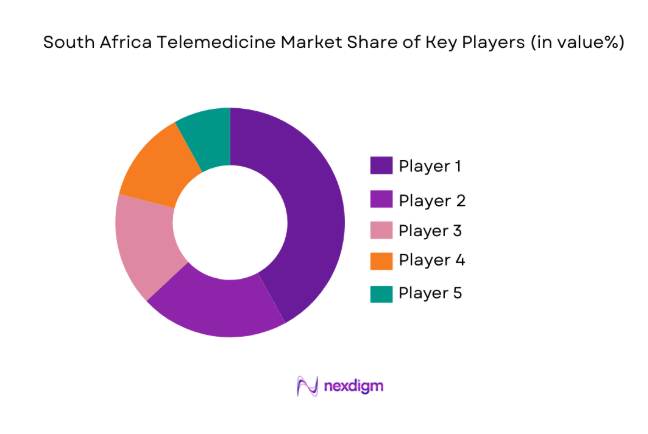
The South Africa Telemedicine Market demonstrates moderate consolidation with a mix of global healthcare technology companies, telecommunications providers, and regional digital health platforms competing for market expansion. Large multinational healthcare technology firms provide advanced telehealth infrastructure and remote monitoring systems, while local telemedicine platforms focus on patient access and mobile health services. Partnerships between hospitals, telecom operators, and digital healthcare startups significantly influence market development. Major companies compete through technological innovation, integrated healthcare platforms, and expansion of remote care capabilities across urban and rural healthcare systems.
| Company Name | Establishment Year | Headquarters | Technology Focus | Market Reach | Key Products | Revenue | Healthcare Integration Capability |
| Teladoc Health | 2002 | United States | ~ | ~ | ~ | ~ | ~ |
| Philips Healthcare | 1891 | Netherlands | ~ | ~ | ~ | ~ | ~ |
| Siemens Healthineers | 1847 | Germany | ~ | ~ | ~ | ~ | ~ |
| Vodacom Health | 1994 | South Africa | ~ | ~ | ~ | ~ | ~ |
| Discovery Health | 1992 | South Africa | ~ | ~ | ~ | ~ | ~ |
South Africa Telemedicine Market Analysis
Growth Drivers
Expansion of National Digital Health Infrastructure and Telehealth Regulation Support
South Africa’s healthcare system increasingly integrates telemedicine technologies as national digital health programs strengthen hospital connectivity and electronic medical data exchange across healthcare networks. Government healthcare strategies promote digital health platforms that enable remote consultation services and digital patient records within both private and public healthcare systems. Hospitals adopt telehealth systems to improve service efficiency while addressing shortages of medical specialists in rural regions. Broadband expansion and mobile network upgrades allow healthcare providers to deliver virtual consultations to patients located far from urban hospitals. Private healthcare groups actively invest in digital health infrastructure that integrates telemedicine services into hospital operations. Telemedicine platforms also improve chronic disease management by enabling physicians to remotely monitor patients with diabetes cardiovascular conditions and respiratory illnesses. Health insurance providers increasingly include telehealth services within coverage plans to improve accessibility and reduce treatment delays. These combined infrastructure investments and policy initiatives significantly accelerate telemedicine adoption across South Africa’s healthcare system.
Increasing Demand for Remote Healthcare Access in Underserved Regions
South Africa experiences significant disparities in healthcare access between major cities and rural provinces which drives demand for telemedicine services that improve patient access to medical professionals. Many rural communities face shortages of specialized doctors and healthcare facilities forcing patients to travel long distances for routine medical consultations. Telemedicine platforms allow physicians located in major hospitals to deliver remote consultations through digital communication systems. Healthcare providers use telemedicine to support remote diagnostics tele-radiology interpretation and specialist consultations for complex medical conditions. Digital healthcare systems reduce patient waiting times and improve treatment efficiency for individuals living in remote regions. Telemedicine services also support public healthcare programs that aim to strengthen primary healthcare delivery across underserved communities. Hospitals collaborate with telecommunications companies to expand telehealth connectivity in rural clinics and regional health centers. These developments strengthen healthcare accessibility while increasing telemedicine adoption throughout the national healthcare ecosystem.
Market Challenges
Regulatory Compliance and Data Protection Requirements in Digital Healthcare
South Africa’s telemedicine industry faces operational challenges due to strict regulatory frameworks governing healthcare data protection patient privacy and medical practice standards. Healthcare providers must comply with national data protection regulations including requirements for secure storage and transmission of electronic medical records. Telemedicine platforms must therefore invest heavily in cybersecurity infrastructure to protect patient information from unauthorized access or digital breaches. Healthcare professionals must also follow regulatory guidelines when providing remote medical consultations to ensure proper diagnosis and patient safety. Compliance requirements increase operational complexity for digital health startups entering the telemedicine sector. Telehealth providers must obtain necessary regulatory approvals and certifications before deploying remote consultation platforms within clinical environments. Hospitals also require integration of telemedicine systems with existing health information management infrastructure while maintaining regulatory compliance. These regulatory obligations increase operational costs and slow the implementation of telehealth technologies across healthcare institutions.
Limited Digital Infrastructure in Rural Healthcare Facilities
Although urban hospitals rapidly adopt telemedicine services many rural healthcare facilities still face technological limitations that restrict the full deployment of telehealth platforms. Remote clinics often lack high speed internet connectivity reliable power supply and digital medical equipment required for telemedicine consultations. Healthcare workers in rural regions may also require training to effectively operate digital telemedicine systems and remote diagnostic tools. Telemedicine services depend heavily on reliable communication networks which remain inconsistent in certain rural provinces. Infrastructure gaps therefore limit the scalability of telemedicine programs across geographically remote areas. Healthcare authorities attempt to address these challenges by investing in rural broadband connectivity and digital health infrastructure. Telecommunications companies also collaborate with healthcare institutions to improve connectivity for remote clinics. Despite these efforts infrastructure limitations continue to slow the expansion of telemedicine services across certain underserved regions of South Africa.
Opportunities
Integration of Artificial Intelligence and Remote Diagnostics in Telemedicine Platforms
Artificial intelligence technologies create significant opportunities for telemedicine platforms by enhancing diagnostic accuracy and improving patient monitoring capabilities within digital healthcare systems. AI powered diagnostic tools can analyze medical images laboratory data and patient health indicators to support physicians during remote consultations. Telemedicine platforms increasingly integrate AI algorithms that assist doctors in identifying early signs of chronic diseases and medical complications. Remote monitoring systems also allow healthcare providers to track patient health indicators continuously through wearable devices and digital sensors. These technologies improve disease management for patients suffering from chronic conditions such as diabetes cardiovascular disorders and respiratory illnesses. Hospitals adopt AI supported telemedicine solutions to enhance clinical decision making while reducing diagnostic delays. Healthcare technology companies therefore develop advanced telehealth platforms that combine artificial intelligence data analytics and remote monitoring tools. The integration of these technologies significantly strengthens the long term growth potential of South Africa’s telemedicine ecosystem.
Expansion of Telehealth Services Through Private Healthcare and Insurance Partnerships
Private healthcare providers and medical insurance companies increasingly collaborate to expand telemedicine services across South Africa’s healthcare market. Large private hospital networks introduce teleconsultation platforms that allow insured patients to access physicians through digital communication systems. Insurance providers support telemedicine adoption because virtual consultations reduce treatment costs and improve healthcare accessibility. Telehealth platforms also enable insurers to provide preventive healthcare services and remote medical guidance to policyholders. Private healthcare providers integrate telemedicine services into hospital systems to improve patient convenience and reduce overcrowding in physical facilities. Digital healthcare startups partner with insurance firms to launch telehealth platforms targeting insured populations. These partnerships create sustainable business models that support telemedicine expansion across urban and rural healthcare markets. The increasing collaboration between healthcare providers insurers and technology companies therefore presents a major opportunity for telemedicine growth in South Africa.
Major Players
- Discovery Health
- Teladoc Health
- Philips Healthcare
- Vodacom Health
- MTN HealthTech
- Mediclinic International
- Netcare Limited
- Life Healthcare Group
- Babylon Health
- Siemens Healthineers
- GE Healthcare
- Cisco HealthPresence
- DoctorConnect
- Hello Doctor
- Altron HealthTech
Key Target Audience
- Healthcare technology companies
- Private hospital networks
- Digital health platform providers
- Insurance and managed healthcare providers
- Pharmaceutical and medical device companies
- Investments and venture capitalist firms
- Government and regulatory bodies
Research Methodology
Step 1: Identification of Key Variables
Primary variables including telemedicine platform adoption, healthcare infrastructure development, patient demand for remote consultations, and regulatory policies were identified through secondary research sources and industry publications. These variables formed the basis for analyzing telemedicine ecosystem growth and market structure.
Step 2: Market Analysis and Construction
The telemedicine market was analyzed using data from healthcare authorities, telecommunications industry reports, digital health companies, and hospital networks. Market structure and segmentation were constructed based on technology platforms, healthcare services, and product categories.
Step 3: Hypothesis Validation and Expert Consultation
Industry experts including healthcare professionals, digital health technology providers, and telemedicine platform developers were consulted to validate assumptions regarding market drivers, adoption patterns, and regulatory factors affecting telemedicine deployment.
Step 4: Research Synthesis and Final Output
All collected data points were synthesized through comparative analysis of industry sources, expert inputs, and healthcare technology reports to develop structured insights regarding the South Africa Telemedicine market and its future growth potential.

- Executive Summary
- Research Methodology (Definitions, Scope, Industry Assumptions, Market Sizing Approach, Primary & Secondary Research Framework, Data Collection & Verification Protocol, Analytic Models & Forecast Methodology, Limitations & Research Validity Checks)

- Market Definition and Scope
- Value Chain & Stakeholder Ecosystem
- Regulatory / Certification Landscape
- Sector Dynamics Affecting Demand
- Strategic Initiatives & Infrastructure Growth

- Growth Drivers
Expansion of Digital Healthcare Infrastructure Across Urban and Rural Regions
Increasing Demand for Remote Healthcare Access in Underserved Areas
Rising Adoption of Mobile Health Technologies and Smartphone Penetration - Market Challenges
Limited Broadband Connectivity in Remote Healthcare Facilities
Data Privacy and Patient Information Security Concerns
Integration Challenges with Existing Hospital Information Systems - Market Opportunities
Expansion of Telehealth Services within National Health Insurance Programs
Growing Private Healthcare Investment in Virtual Care Platforms
Increasing Demand for Chronic Disease Remote Monitoring Solutions - Trends
Growing Adoption of AI Enabled Virtual Healthcare Platforms
Integration of Telemedicine Services with Digital Health Records - Government Regulations
- SWOT Analysis
- Porter’s Five Forces

- By Market Value, 2020-2025
- By Installed Units, 2020-2025
- By Average System Price, 2020-2025
- By System Complexity Tier, 2020-2025

- By System Type (In Value%)
Teleconsultation Platforms
Remote Patient Monitoring Systems
TeleICU and Virtual Care Systems
Mobile Health Applications
Teleradiology Systems - By Platform Type (In Value%)
Web Based Telemedicine Platforms
Mobile Application Platforms
Cloud Based Telemedicine Systems
Integrated Hospital Telehealth Platforms
AI Enabled Telemedicine Platforms - By Fitment Type (In Value%)
Standalone Telemedicine Solutions
Integrated Hospital Information System Telemedicine
Cloud Hosted Telehealth Solutions
Hybrid Telemedicine Infrastructure - By End User Segment (In Value%)
Hospitals and Healthcare Providers
Telehealth Service Companies
Government and Public Health Institutions

- Market Share Analysis
- Cross Comparison Parameters (Service Portfolio, Telemedicine Platform Technology, Geographic Coverage, Integration with Hospital Systems, Pricing Models, Strategic Partnerships, R&D Capabilities)
- SWOT Analysis of Key Competitors
- Pricing & Procurement Analysis
- Key Players
Teladoc Health
Amwell
Philips Healthcare
Medtronic
Siemens Healthineers
GE HealthCare
Vodacom Health
MTN Group Digital Health
Discovery Health
Life Healthcare Group
Netcare Limited
Altron HealthTech
iMedrix Telemedicine
Mobihealth International
Healthbridge

- Hospitals Increasingly Deploy Teleconsultation Platforms to Expand Specialist Access
- Private Healthcare Providers Integrate Telehealth for Chronic Disease Management
- Government Health Programs Utilize Telemedicine to Improve Rural Healthcare Delivery
- Telehealth Providers Collaborate with Mobile Network Operators for Digital Health Access

- Forecast Market Value, 2026-2035
- Forecast Installed Units, 2026-2035
- Price Forecast by System Tier, 2026-2035
- Future Demand by Platform, 2026-2035


 Request a Sample
 Ask for Customization
 Get a Quote
 Enquire Now