
 Download PDF
 Download PDF
Market Overview
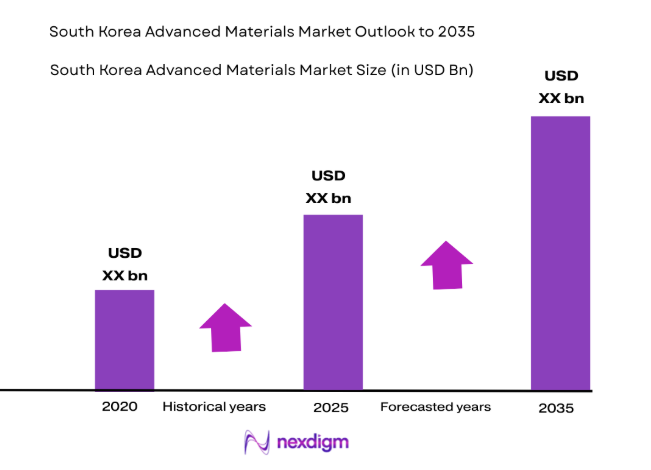
The South Korea advanced materials market is valued at approximately USD ~ billion, with significant growth driven by technological innovations in materials like composites, polymers, and nanomaterials. The demand for high-performance materials is expanding in key industries such as automotive, aerospace, construction, and electronics. Advancements in manufacturing processes like additive manufacturing and automation further stimulate market growth by enhancing material performance and sustainability. The market’s growth is also supported by strong research and development investments, as companies strive to create materials that offer superior strength, durability, and eco-friendly characteristics. The continued push towards sustainability in material sourcing and production is expected to drive further demand for advanced materials across various sectors.
Dominant cities like Seoul and Incheon play a crucial role in driving the demand for advanced materials due to their advanced industrial infrastructure, technological innovation, and proximity to major manufacturing sectors. These cities house key players in the automotive, electronics, and energy industries, which are the primary consumers of advanced materials. The South Korean government’s emphasis on Industry 4.0 and the development of smart manufacturing ecosystems in these urban areas have also contributed to their dominance in the market. With substantial investments in infrastructure and a focus on industrial modernization, these cities remain the focal points for material innovation and market growth.
Market Segmentation
By Product Type
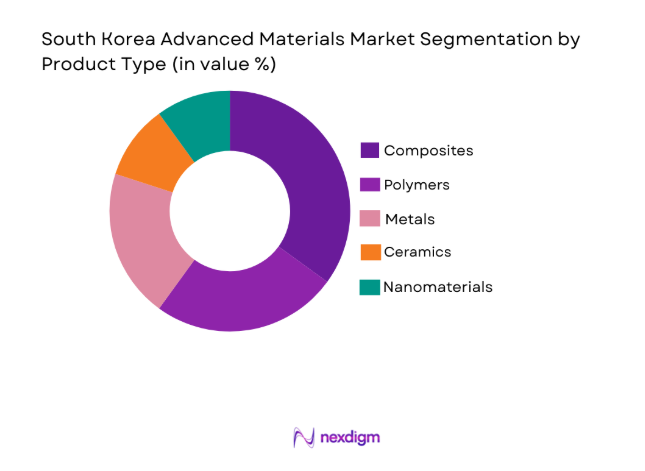
The South Korea advanced materials market is segmented by product type into composites, polymers, metals, ceramics, and nanomaterials. Recently, the composites sub-segment has gained a dominant market share due to increasing demand for lightweight, durable materials in automotive, aerospace, and construction applications. Composites are favored for their superior strength-to-weight ratio, enhancing fuel efficiency in vehicles and improving energy efficiency in building materials. The rise in demand for eco-friendly solutions, coupled with advancements in composite manufacturing, has contributed significantly to its market dominance.
By Platform Type
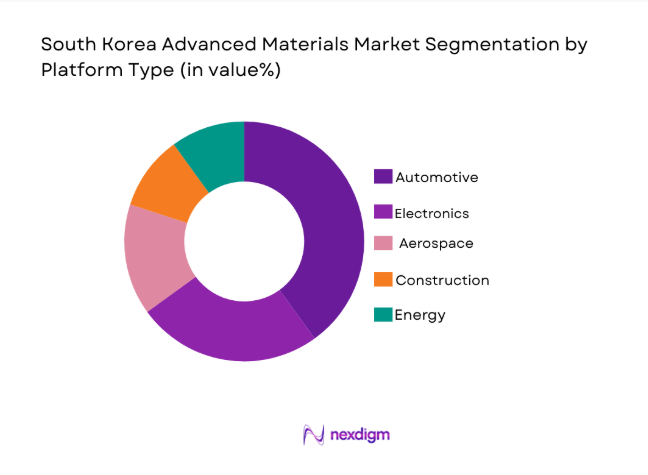
The market is segmented by platform type into automotive, electronics, aerospace, construction, and energy. The automotive platform type holds the largest market share, largely due to the increasing use of advanced materials like composites and polymers in vehicle manufacturing. The automotive sector’s emphasis on lightweight materials for enhanced fuel efficiency, coupled with government regulations targeting reduced emissions, makes this sub-segment the dominant player. Moreover, automotive manufacturers are investing in innovative materials to improve vehicle performance, contributing to the sector’s growth.
Competitive Landscape
The South Korea advanced materials market is highly competitive, with a mix of local and global players consolidating the market. Major players are focusing on technological innovations, R&D, and mergers to maintain market dominance. The market is also characterized by the increasing adoption of sustainable practices and the need for high-performance materials across various industries. This growing demand has led to significant investments in product innovation, allowing leading firms to strengthen their positions in the market.
| Company Name | Establishment Year | Headquarters | Technology Focus | Market Reach | Key Products | Revenue (USD) | R&D Investment (%) |
| POSCO | 1968 | Pohang, South Korea | ~ | ~ | ~ | ~ | ~ |
| Hyundai Steel | 1953 | Seoul, South Korea | ~ | ~ | ~ | ~ | ~ |
| LG Chem | 1947 | Seoul, South Korea | ~ | ~ | ~ | ~ | ~ |
| Samsung SDI | 1970 | Seoul, South Korea | ~ | ~ | ~ | ~ | ~ |
| Hanwha Solutions | 1977 | Seoul, South Korea | ~ | ~ | ~ | ~ | ~ |
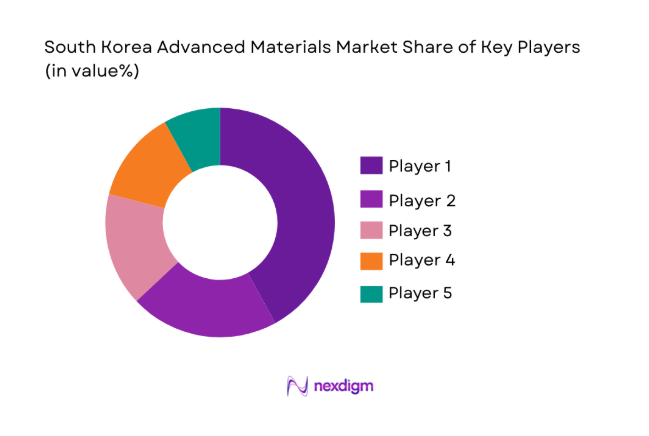
South Korea Advanced Materials Market Analysis
Growth Drivers
Technological Advancements in Material Science
Technological advancements in material science are a major driver of the South Korea advanced materials market. As industries such as automotive, aerospace, and construction continue to demand more efficient and sustainable materials, innovations in high-performance composites, lightweight materials, and sustainable polymers have become essential. Companies are heavily investing in research and development to produce materials with better performance and eco-friendliness, like composites used in fuel-efficient vehicles and polymers for sustainable packaging. These technological innovations, coupled with new manufacturing techniques like additive manufacturing and automation, are further enhancing the capabilities of advanced materials, contributing significantly to the growth of the market. Additionally, advancements in nanomaterials are opening new possibilities in sectors such as electronics, medicine, and energy. These developments enable the creation of stronger, lighter, and more durable materials that meet increasingly stringent performance standards. The increasing focus on sustainability has led to the widespread use of biodegradable and recyclable materials, further propelling the growth of the market as companies strive to meet environmental regulations and consumer demand for greener products.
Government Support for Industrial Modernization
The South Korean government has been instrumental in the growth of the advanced materials market, providing both financial and strategic support. Through various policies, grants, and tax incentives, the government has created a favorable environment for the adoption of new materials and technologies. The country’s proactive stance on Industry 4.0 and the integration of smart manufacturing systems into industrial processes has stimulated demand for advanced materials across a wide range of sectors. Government-backed initiatives in research and development, alongside investment in infrastructure for high-tech manufacturing, have encouraged businesses to invest in new materials. These initiatives not only enhance the manufacturing capabilities but also support the adoption of new technologies that require advanced materials, such as automation, robotics, and the Internet of Things (IoT). By prioritizing innovation and providing incentives for companies to adopt cutting-edge solutions, the South Korean government is directly contributing to the market’s growth trajectory. Furthermore, the government’s focus on eco-friendly industrial practices and sustainable manufacturing processes is boosting demand for advanced materials, as companies are motivated to invest in materials that align with sustainability goals and compliance with environmental regulations.
Market Challenges
High Production Costs
A significant challenge faced by the South Korean advanced materials market is the high production costs associated with the manufacturing of advanced materials. The expenses involved in sourcing high-quality raw materials, such as rare earth metals and high-performance polymers, along with the specialized equipment required for their processing, can make production expensive. This is particularly challenging for small and medium-sized enterprises (SMEs) that may not have the capital required to compete with larger players. Additionally, the complexity of production processes—especially for high-tech materials like composites, nanomaterials, and advanced polymers—adds further costs. The demand for highly customized and precise manufacturing techniques, such as 3D printing or advanced casting, increases production complexity and cost. As a result, many businesses are faced with balancing the need for innovation with the financial constraints of producing cost-effective materials. The high costs of advanced materials may also hinder their adoption in industries where price sensitivity is high, such as consumer goods manufacturing and small-scale industries. These factors could potentially slow the growth of the market if not addressed by innovations that can reduce production costs without compromising material quality.
Supply Chain Disruptions
Another significant challenge faced by the South Korea advanced materials market is the disruption of global supply chains. Geopolitical tensions, the ongoing effects of the COVID-19 pandemic, and natural disasters have highlighted vulnerabilities in material sourcing and logistics, which have a direct impact on production timelines and costs. The interruption of supply chains for key raw materials, such as rare earth metals, has led to shortages and volatility in pricing. Additionally, the increasing demand for advanced materials in sectors like electronics, automotive, and energy has further stressed the supply chain. Rising transportation costs and delays in the shipment of critical components exacerbate these challenges. Supply chain disruptions also affect the consistency and availability of high-quality raw materials, leading to uncertainties in production schedules and final product availability. For manufacturers relying on the steady supply of high-performance materials, these disruptions present a significant challenge. The South Korean market, heavily reliant on global trade and exports, is especially vulnerable to these disruptions, which could hinder the overall market growth and the timely delivery of advanced materials to industries that depend on them.
Opportunities
Expansion in Renewable Energy Applications
The global shift towards renewable energy represents a significant opportunity for the South Korea advanced materials market. As the world increasingly focuses on clean energy sources such as wind, solar, and hydropower, there is a growing demand for advanced materials that can improve the efficiency, performance, and durability of energy systems. High-performance composites, energy-efficient polymers, and advanced coatings are critical components in the development of renewable energy technologies such as wind turbine blades, solar panels, and energy storage systems. South Korea, with its commitment to reducing carbon emissions and increasing its renewable energy capacity, is well-positioned to capitalize on this trend. The government’s support for green technologies, along with investments in clean energy infrastructure, is expected to drive the demand for advanced materials in this sector. Additionally, as the demand for renewable energy continues to rise, there is a corresponding need for more efficient materials that can withstand harsh environmental conditions, such as extreme temperatures and weather, further stimulating the market. The integration of advanced materials into renewable energy systems will enable South Korea to strengthen its position as a leader in the global energy transition while simultaneously fostering growth in its advanced materials sector.
Emerging Demand in 3D Printing
The increasing adoption of 3D printing technology across multiple industries presents a new and exciting opportunity for the South Korea advanced materials market. 3D printing, also known as additive manufacturing, allows for the production of highly customized and complex components, driving demand for advanced materials that can meet the specific requirements of this technology. Industries such as aerospace, automotive, healthcare, and consumer electronics are increasingly using 3D printing to produce lightweight, high-performance parts that traditional manufacturing processes cannot achieve. The demand for specialized 3D printing materials, such as high-strength polymers, metal alloys, and ceramics, is rapidly growing. The advancements in printer technology, including the development of faster, more accurate machines, are also fueling the growth of the 3D printing market. South Korea’s strong manufacturing base, technological expertise, and R&D capabilities provide an ideal environment for the development and use of 3D printing materials. As the demand for customized, high-performance parts grows, South Korean manufacturers have the opportunity to leverage their advanced materials expertise to provide innovative solutions for the 3D printing market. The continued evolution of this technology is expected to drive the development of new materials and applications, creating substantial opportunities for growth in the South Korea advanced materials market.
Future Outlook
The South Korea advanced materials market is expected to witness steady growth in the coming years. Technological developments in material science, such as innovations in composites, polymers, and nanomaterials, will drive increased demand across various industries. Additionally, government support for smart manufacturing, coupled with a focus on sustainability, will create favorable conditions for market expansion. The transition toward renewable energy and advancements in 3D printing technologies are expected to further contribute to the market’s positive growth outlook.
Major Players
- POSCO
- Hyundai Steel
- LG Chem
- Samsung SDI
- Hanwha Solutions
- SK Innovation
- Daewoo International
- Lotte Chemical
- Iljin Materials
- Dongkuk Steel
- Halla Group
- Hyundai Heavy Industries
- Korea Electric Power Corporation
- Taekwang Industrial
- Samsung Electronics
Key Target Audience
- Investments and venture capitalist firms
- Government and regulatory bodies
- Manufacturing companies
- Automotive industry leaders
- Aerospace sector organizations
- Construction companies
- Renewable energy firms
Research Methodology
Step 1: Identification of Key Variables
The first step involves identifying key market variables such as product types, platform types, and market drivers.
Step 2: Market Analysis and Construction
In this step, data from primary and secondary sources is analyzed to construct a comprehensive market model.
Step 3: Hypothesis Validation and Expert Consultation
Hypotheses based on initial analysis are validated through expert consultations to ensure accuracy and relevance.
Step 4: Research Synthesis and Final Output
The final step synthesizes all findings into a cohesive report, ensuring clarity and actionable insights.

- Executive Summary
- Research Methodology (Definitions, Scope, Industry Assumptions, Market Sizing Approach, Primary & Secondary Research Framework, Data Collection & Verification Protocol, Analytic Models & Forecast Methodology, Limitations & Research Validity Checks)

- Market Definition and Scope
- Value Chain & Stakeholder Ecosystem
- Regulatory / Certification Landscape
- Sector Dynamics Affecting Demand
- Strategic Initiatives & Infrastructure Growth

- Growth Drivers
Technological Advancements in Material Science
Government Support for Manufacturing Modernization
Growing Demand for Eco-friendly Materials - Market Challenges
High Production Costs
Raw Material Supply Chain Disruptions
Regulatory Hurdles - Market Opportunities
Expanding Application in Renewable Energy
Growing Demand for Advanced Manufacturing Processes
Increase in Research and Development Investments - Trends
Sustainability in Material Sourcing
Automation in Material Manufacturing - Government Regulations
Environmental and Safety Regulations
Material Sourcing Guidelines
Manufacturing Standards - SWOT Analysis
- Porter’s Five Forces

- By Market Value, 2020-2025
- By Installed Units, 2020-2025
- By Average System Price, 2020-2025
- By System Complexity Tier, 2020-2025

- By System Type (In Value%)
Composites
Polymers
Metals
Ceramics
Nanomaterials - By Platform Type (In Value%)
Automotive
Electronics
Aerospace
Construction
Energy - By Fitment Type (In Value%)
On-premise Solutions
Cloud-based Solutions
Hybrid Solutions
Integrated Solutions - By End User Segment (In Value%)
Manufacturing
Energy & Utilities
Construction
Aerospace

- Market Share Analysis
- Cross Comparison Parameters (System Type, Platform Type, Fitment Type, End User Segment, Procurement Channel, Technology Integration, Cost Structure)
- SWOT Analysis of Key Competitors
- Pricing & Procurement Analysis
- Key Players
POSCO
Hyundai Steel
LG Chem
SK Innovation
Korea Zinc
Samsung SDI
Lotte Chemical
Hanwha Solutions
Iljin Materials
Dongkuk Steel
Halla Group
Taekwang Industrial
Hyundai Heavy Industries
Korea Electric Power Corporation (KEPCO)
Samsung Electronics

- Increased Focus on R&D in Manufacturing Sectors
- Growing Adoption in Electronics & Semiconductor Manufacturing
- Materials Demand in Renewable Energy Projects
- Construction Industry’s Need for Durable and Sustainable Materials

- Forecast Market Value, 2026-2035
- Forecast Installed Units, 2026-2035
- Price Forecast by System Tier, 2026-2035
- Future Demand by Platform, 2026-2035


 Request a Sample
 Ask for Customization
 Get a Quote
 Enquire Now