
 Download PDF
 Download PDF
Market Overview
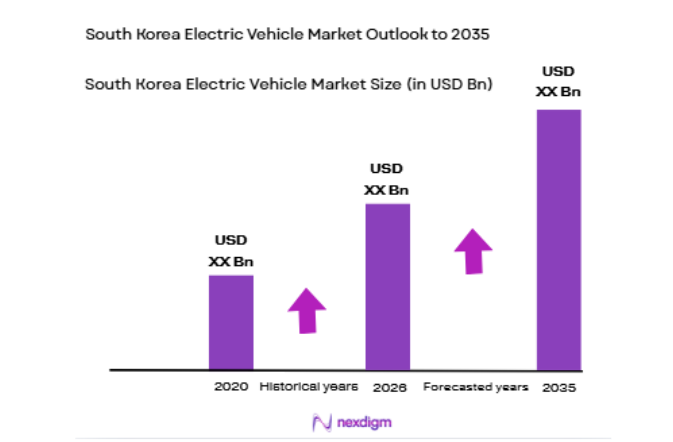
The South Korea electric vehicle (EV) market is expected to reach USD ~ billion based on a recent historical assessment. This growth is primarily driven by the government’s commitment to reducing greenhouse gas emissions and transitioning to sustainable transportation. With increasing environmental awareness and rising fuel prices, the demand for EVs continues to grow. Additionally, government policies such as subsidies for EV buyers, tax incentives, and investments in EV infrastructure further fuel this demand.
Seoul, Incheon, and Busan are leading the adoption of electric vehicles, driven by their advanced infrastructure, strong manufacturing sectors, and government support. These cities are home to a large portion of South Korea’s electric vehicle production, with considerable investments in charging infrastructure, making EVs more accessible. The urbanization of these regions, paired with their significant economic output and governmental green initiatives, provides a solid foundation for the expansion of the electric vehicle market.
Market Segmentation
By Vehicle Type
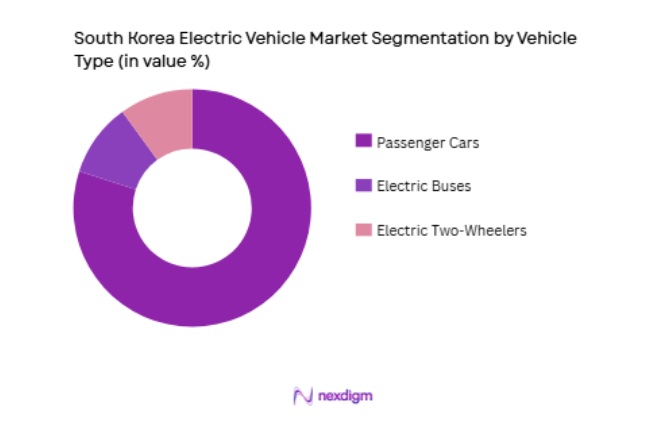
The South Korea electric vehicle market is segmented by vehicle type into passenger cars, electric buses, and electric two-wheelers. Recently, passenger cars have dominated the market due to the growing interest in personal mobility, as well as the increased affordability of EVs. With the development of local electric car manufacturers such as Hyundai and Kia, along with foreign brands like Tesla, EVs have become more accessible to middle-income consumers. The expansion of government subsidies for passenger EVs and the rapid adoption of EV charging infrastructure have made electric passenger cars the most prominent segment in South Korea’s EV market.
By Charging Type
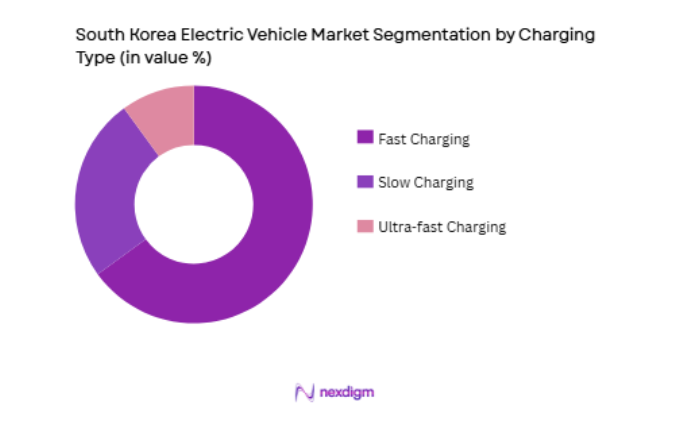
The South Korea electric vehicle market is also segmented by charging type into slow charging, fast charging, and ultra-fast charging. Fast charging has recently gained a dominant market share due to the need for faster and more convenient recharging solutions. The growing adoption of fast-charging stations in urban areas and along major highways has made EVs more practical for daily use, especially for longer commutes. The development of ultra-fast charging infrastructure further strengthens the case for fast charging, providing consumers with a convenient and efficient way to charge their vehicles quickly, driving their growth in the South Korean market.
Competitive Landscape
The competitive landscape of the South Korea EV market is characterized by strong competition among domestic automakers and international players. Hyundai and Kia, both of which are South Korean manufacturers, lead the market with a range of electric vehicles across various price points. Tesla is also a strong competitor, particularly in the premium electric vehicle market, with its innovative technology and established brand presence. The government’s focus on supporting local manufacturers and building a robust EV infrastructure has also given a competitive edge to domestic players. The market is evolving with the entrance of new players, an increasing focus on battery technologies, and innovations in EV charging solutions, making it a highly dynamic sector.
| Company Name | Establishment Year | Headquarters | Technology Focus | Market Reach | Key Products | Revenue | Market-Specific Parameter |
| Hyundai | 1967 | Seoul, South Korea | ~ | ~ | ~ | ~ | ~ |
| Kia | 1944 | Seoul, South Korea | ~ | ~ | ~ | ~ | ~ |
| Tesla | 2003 | Palo Alto, USA | ~ | ~ | ~ | ~ | ~ |
| BYD | 1995 | Shenzhen, China | ~ | ~ | ~ | ~ | ~ |
| BMW | 1916 | Munich, Germany | ~ | ~ | ~ | ~ | ~ |
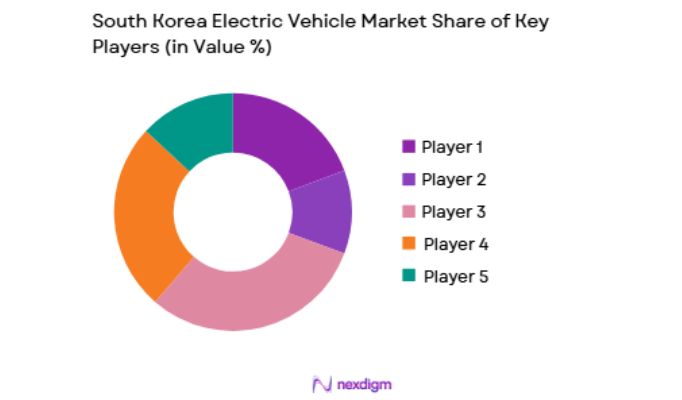
South Korea Electric Vehicle Market Analysis
Growth Drivers
Government Incentives and Policy Support
The South Korean government has played a pivotal role in the growth of the electric vehicle market by providing a wide range of incentives for both consumers and manufacturers. This includes subsidies, tax breaks, and low-interest financing options for consumers purchasing electric vehicles. In addition, the government is investing in EV charging infrastructure, making EVs more convenient for daily use. These incentives are designed to increase the adoption of electric vehicles and to meet South Korea’s environmental and sustainability goals. The government’s long-term vision of achieving a green and low-carbon economy positions the electric vehicle market to continue growing rapidly. As electric vehicles become more affordable and accessible, the role of government support remains crucial to sustaining this growth.
Technological Advancements in Battery and Charging Technologies
The rapid advancements in battery technologies and charging infrastructure are crucial drivers for the electric vehicle market in South Korea. Innovations in lithium-ion batteries, such as improvements in energy density and cost reduction, have made electric vehicles more affordable while increasing their driving range. Additionally, the development of fast-charging networks and ultra-fast charging stations has reduced charging times significantly, alleviating consumer concerns about range anxiety. South Korea’s robust focus on battery research and development, supported by both the private sector and government, ensures that the electric vehicle market will continue to thrive. As new technologies make EVs more efficient and user-friendly, the market will continue to expand and attract more consumers.
Market Challenges
High Initial Cost of Electric Vehicles
Despite the growing demand for electric vehicles, the high upfront cost remains a significant barrier to widespread adoption in South Korea. While the cost of EVs has decreased over the years, electric vehicles still tend to be more expensive than their internal combustion engine counterparts, primarily due to the cost of batteries. This price disparity limits the affordability of electric vehicles for certain segments of the population, despite the availability of government subsidies. Overcoming the price barrier and reducing the initial cost of electric vehicles through economies of scale and continued technological improvements will be key to expanding the market to a broader audience. This challenge highlights the importance of continued investment in research and development to lower the overall cost of EV production and make them more accessible.
Limited Charging Infrastructure in Rural Areas
Although major urban centers in South Korea have seen a rapid expansion of electric vehicle charging infrastructure, rural areas continue to face a shortage of charging stations. This limited coverage creates concerns among potential EV buyers, especially those in regions where charging stations are sparse. The lack of widespread charging infrastructure outside of metropolitan areas prevents consumers from fully embracing electric vehicles, as they fear running out of charge on long trips. The government and private sector must focus on expanding charging networks in rural areas, providing both fast-charging and home-charging options to ensure the practicality and convenience of electric vehicles for all consumers.
Opportunities
Integration of EVs in Public Transportation
The integration of electric vehicles into South Korea’s public transportation system presents a significant growth opportunity for the market. The South Korean government is actively pushing for the electrification of public transportation as part of its green initiatives, which includes transitioning buses, taxis, and delivery fleets to electric power. The growing demand for clean energy solutions and the need to reduce urban pollution make electric public transport an attractive alternative. Electrifying public transportation fleets will not only reduce carbon emissions but also drive greater demand for electric vehicles, as they will become more visible and integrated into the daily lives of consumers. This transition will create a strong foundation for the expansion of the electric vehicle market in the country.
Development of Second-Life Battery Applications
As the adoption of electric vehicles increases, the availability of used batteries from retired EVs presents a unique opportunity for the market. These second-life batteries can be repurposed for energy storage solutions, supporting renewable energy generation and grid stability. With South Korea’s focus on renewable energy integration and the need for energy storage solutions, second-life batteries offer a cost-effective way to support energy grids while also extending the lifecycle of EV batteries. This innovative use of used EV batteries will not only reduce costs but also contribute to the circular economy, providing a sustainable solution for both the electric vehicle and energy sectors.
Future Outlook
The South Korea electric vehicle market is poised for continued growth, driven by the increasing adoption of electric vehicles, supportive government policies, and technological advancements in battery and charging infrastructure. The expansion of EV fleets in public transportation and the ongoing development of fast-charging networks will further boost market penetration. As electric vehicles become more affordable and accessible, consumer demand is expected to rise, contributing to the country’s goals of reducing emissions and transitioning to a low-carbon economy.
Major Players
- Hyundai
- Kia
- Tesla
- BMW
- BYD
- Renault
- Audi
- Nissan
- General Motors
- Volkswagen
- Mercedes-Benz
- Ford
- LG Chem
- Panasonic
- SK Innovation
Key Target Audience
- Investments and venture capitalist firms
- Government and regulatory bodies
- Electric vehicle manufacturers
- Charging infrastructure providers
- Fleet operators
- Consumers interested in EVs
- Battery manufacturers
- Environmental organizations
Research Methodology
Step 1: Identification of Key Variables
Identify and define key variables that impact the South Korea EV market, such as government policies, technological innovations, and consumer preferences.
Step 2: Market Analysis and Construction
Analyze market trends and demand patterns through primary and secondary research to create an accurate market model.
Step 3: Hypothesis Validation and Expert Consultation
Consult with industry experts, manufacturers, and government representatives to validate assumptions and refine growth projections.
Step 4: Research Synthesis and Final Output
Synthesize the research findings into a comprehensive report, providing actionable insights and strategic recommendations for stakeholders in the electric vehicle market.

- Executive Summary
- Research Methodology (Definitions, Scope, Industry Assumptions, Market Sizing Approach, Primary & Secondary Research Framework, Data Collection & Verification Protocol, Analytic Models & Forecast Methodology, Limitations & Research Validity Checks)

- Market Definition and Scope
- Value Chain & Stakeholder Ecosystem
- Regulatory / Certification Landscape
- Sector Dynamics Affecting Demand

- Growth Drivers
Government Incentives for EV Adoption
Technological Advancements in Battery Technologies
Expansion of EV Charging Infrastructure - Market Challenges
High Initial Purchase Price of EVs
Limited Charging Infrastructure
Range Anxiety Among Consumers - Market Opportunities
Government Initiatives to Promote Green Vehicles
Partnerships with Global Automakers
Technological Innovations in Charging Solutions - Trends
Increasing Adoption of EVs in Urban Areas
Rising Demand for EV Charging Stations - Government Regulations
EV Purchase Incentives
Emissions Reduction Targets
Regulations for EV Charging Infrastructure - SWOT Analysis
- Porter’s Five Forces

- By Market Value, 2020-2025
- By Installed Units, 2020-2025
- By Average System Price, 2020-2025
- By System Complexity Tier, 2020-2025

- By System Type (In Value%)
Battery Electric Vehicles
Plug-in Hybrid Electric Vehicles
Hybrid Electric Vehicles
Fuel Cell Electric Vehicles
Electric Buses - By Platform Type (In Value%)
Passenger Vehicles
Commercial Vehicles
Electric Two-Wheelers
Electric Buses
Heavy Duty Electric Vehicles - By Fitment Type (In Value%)
OEM Batteries
Aftermarket Batteries
Battery Leasing
Integrated Charging Solutions - By End User Segment (In Value%)
Private Consumers
Fleet Operators
Government & Public Sector
Corporate Buyers

- Market Share Analysis
- Cross Comparison Parameters (System Type, Platform Type, End User Segment, Charging Infrastructure, Vehicle Range, Battery Type, Charging Speed, Government Subsidies, Total Cost of Ownership, Availability of Service Centers)
- SWOT Analysis of Key Competitors
- Pricing & Procurement Analysis
- Key Players
Hyundai Motor Company
Kia Motors Corporation
LG Chem
SK Innovation
Samsung SDI
Renault Samsung Motors
BMW Group
Tesla
Volkswagen Group
Ford Motor Company
Chevrolet
Nissan Motor Co.
BYD Auto
Mercedes-Benz
Audi AG

- Private Consumers’ Increasing Interest in EVs
- Fleet Operators’ Shift Toward Electric Vehicles
- Government Support for EV Integration in Public Transport
- Corporate Sector’s Focus on Sustainability

- Forecast Market Value, 2026-2035
- Forecast Installed Units, 2026-2035
- Price Forecast by System Tier, 2026-2035
- Future Demand by Platform, 2026-2035


 Request a Sample
 Ask for Customization
 Get a Quote
 Enquire Now