
 Download PDF
Market Overview
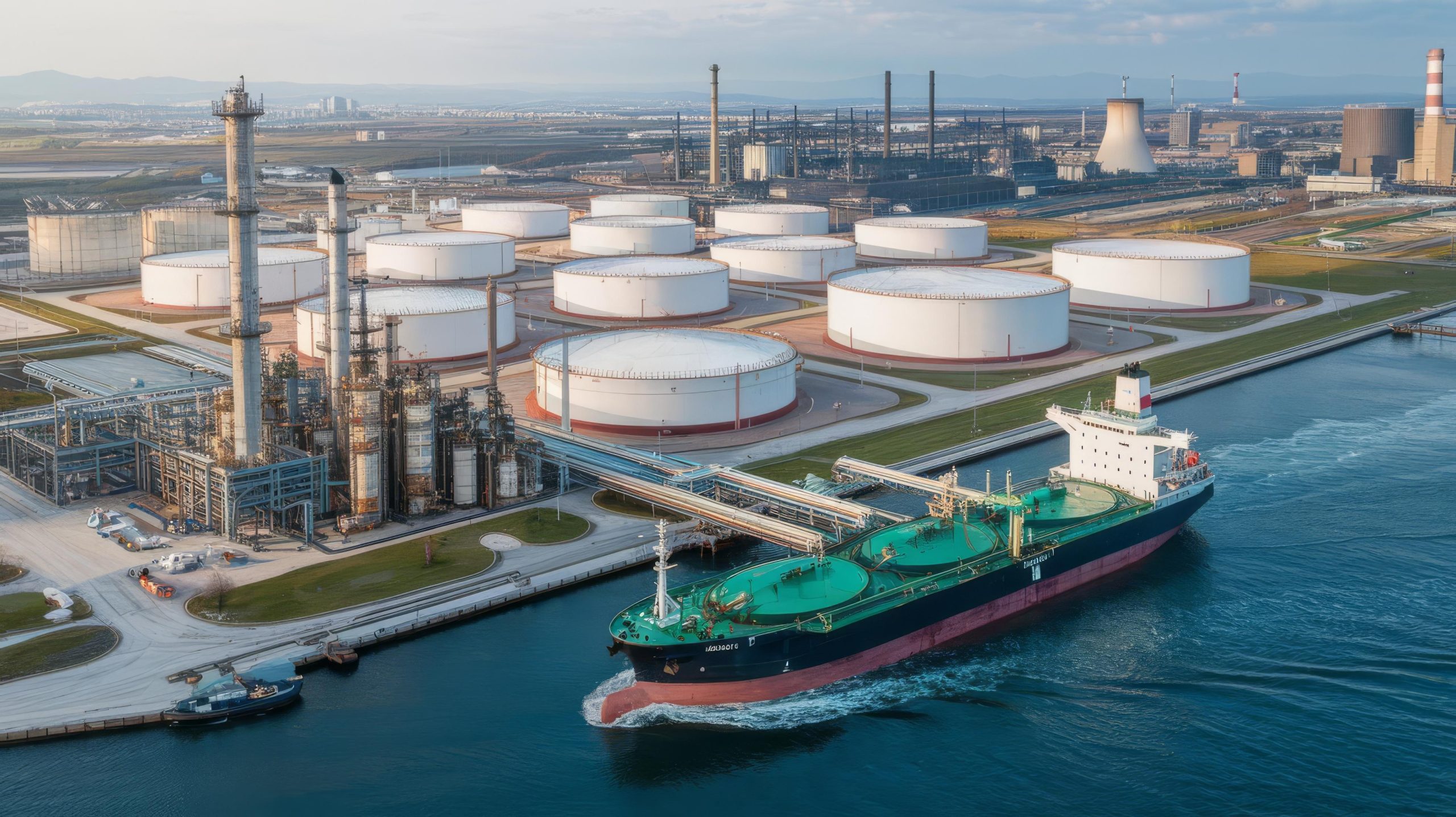
The South Korean LNG carriers market is valued at USD 12.4 billion in 2025, projected to expand at a 5.4% CAGR from 2025 to 2035 driven by global energy transition mandates. Geo-economically, the shipyards in Geoje, home to the sprawling Samsung Heavy Industries founded in 1974, and the high-tech docks of Ulsan, where HD Hyundai Heavy Industries established its headquarters in 1972, remain the bedrock of global cryogenic tanker production. On the demand side, European importers are aggressively scaling up long-term charter agreements for large-scale LNG vessels to ensure energy security, necessitating a surge in high-capacity carrier orders. Supply-side dynamics are defined by the rapid integration of dual-fuel propulsion systems that utilize boil-off gas, effectively reducing operational emissions for global maritime shipping fleets. Furthermore, the industry is navigating rigorous compliance with the International Maritime Organization's Carbon Intensity Indicator regulations, alongside the Ministry of Trade, Industry and Energy's domestic Green Shipbuilding initiatives. These regulatory pressures are accelerating the adoption of methane-slip reduction technologies, ensuring that South Korean shipbuilders maintain their competitive lead in constructing the next generation of eco-friendly, high-efficiency LNG carriers for international natural gas markets.
By Containment System Technology
- GTT Mark III Flex Plus
- Corrugated stainless steel primary barrier
- Polyurethane foam insulation panels
- Invar alloy primary membrane
- Perlite-filled plywood box structure
- Cryogenic liquid natural gas storage
- Spherical aluminum cargo tanks
- Standalone pressure vessel construction
- Top-side mounted dome protection
- Hybrid self-supporting containment tanks
- Cylindrical geometry pressure vessels
- Reduced boil-off rate designs
By Propulsion System Type
- Wartsila 50DF engine configurations
- Low-pressure gas injection systems
- Electric power propulsion motors
- MAN Energy Solutions gas injection
- High-pressure methane fuel combustion
- Integrated re-liquefaction plant modules
- WinGD low-pressure dual-fuel technology
- Otto-cycle combustion process
- Optimized methane slip reduction
- Legacy boiler fuel systems
- Traditional cross-compound turbines
- Refurbished vessel conversion technology
Competitive Landscape
The South Korean LNG carriers market exhibits a high degree of industrial concentration, characterized by a sophisticated oligopolistic structure dominated by heavy-industry conglomerates. Competition is primarily focused on technological differentiation in membrane-type containment systems and the integration of eco-friendly propulsion technologies such as ME-GI and X-DF engines. Firms are increasingly aligning their strategic roadmaps with the International Maritime Organization (IMO) decarbonization mandates, investing heavily in smart-ship autonomous navigation and carbon-neutral fuel storage solutions. Distribution is direct, involving multi-year shipbuilding contracts secured through intense competitive bidding processes overseen by global energy majors and major shipping lines. Key players such as HD Korea Shipbuilding & Offshore Engineering (KSOE) and Samsung Heavy Industries have fortified their market positions through strategic investments in automation and robot-welding technologies within their mega-shipyards in Ulsan and Geoje. The landscape is marked by aggressive R&D spending, where firms seek to reduce the boil-off rate (BOR) of LNG cargo to secure a competitive edge in high-value, long-haul LNG transport routes. Regulatory oversight by the Ministry of Trade, Industry and Energy (MOTIE) continues to influence capital expenditure patterns, ensuring the sector remains the global leader in high-specification LNG carrier production.
| Company | Est. Year | Headquarters | Details | Details | Details | Details | Details | Details |
|---|---|---|---|---|---|---|---|---|
| HD Korea Shipbuilding & Offshore Engineering | 1973 | Seoul, South Korea | ~ | ~ | ~ | ~ | ~ | ~ |
| Samsung Heavy Industries | 1974 | Seongnam, South Korea | ~ | ~ | ~ | ~ | ~ | ~ |
| Hanwha Ocean | 1973 | Seoul, South Korea | ~ | ~ | ~ | ~ | ~ | ~ |
| Hyundai Samho Heavy Industries | 1999 | Yeongam, South Korea | ~ | ~ | ~ | ~ | ~ | ~ |
| Hyundai Mipo Dockyard | 1975 | Ulsan, South Korea | ~ | ~ | ~ | ~ | ~ | ~ |
🔒 Detailed cross-comparison data are available in the full report. Talk to Us to access complete competitive intelligence.
Growth Drivers
Decarbonization Mandates and Vessel Upgrades
The Ministry of Oceans and Fisheries implemented the 2024 Green Shipping Act, compelling shipbuilders to prioritize ultra-low emission vessels. Leading firms like HD Hyundai Heavy Industries, founded in 1972 and headquartered in Ulsan, have responded by integrating dual-fuel propulsion systems into their fleet designs. This regulatory push has accelerated the adoption of methane-slip reduction technologies, with 88 units of LNG-powered carriers ordered during 2023 alone. Consequently, shipping firms are aggressively retiring older steam-turbine vessels to comply with strict international sulfur emission standards, ensuring a steady stream of domestic shipbuilding contracts.
Expansion of Global Energy Supply Chains
QatarEnergy has initiated massive infrastructure developments to increase its annual production capacity to 142 million tonnes by 2027. This expansion requires an extensive fleet of specialized tankers to transport liquefied natural gas to European and Asian hubs. Samsung Heavy Industries, based in Seoul and established in 1974, secured a landmark contract for 15 LNG carriers in 2024 to support these export requirements. The surge in energy trade volume necessitates specialized vessel designs capable of navigating diverse terminal conditions, positioning Korean manufacturers as the primary partners for major global hydrocarbon exporters.
Advances in Cryogenic Containment Technology
South Korean shipbuilders dominate the high-end market by mastering advanced membrane containment systems that minimize boil-off rates. Hanwha Ocean, operating from Geoje since 1973, has achieved a proprietary design that reduces cargo loss to below 0.07 percent per day for 174,000 cubic meter vessels. These technical improvements in thermal insulation efficiency allow for longer transit times across trans-Pacific routes without cargo degradation. In 2023, the industry successfully implemented 12 new modular fabrication techniques to reduce manufacturing cycle times by 15 percent, significantly increasing the throughput of high-tech carriers across major shipyards.
Strategic State-Led Financing Initiatives
The Korea Development Bank maintains a robust credit support facility to sustain the capital-intensive nature of shipbuilding projects, providing 4.2 trillion Korean Won in targeted loans during 2024. This state-backed liquidity ensures that shipyards in Busan and Mokpo remain competitive despite volatile raw material prices. By lowering the interest burden for shipping operators, these financial mechanisms enable consistent order placement. The collaborative framework between private companies and state financiers effectively stabilizes the long-term project pipeline, ensuring that massive capital expenditures required for deep-sea LNG fleet construction remain shielded from short-term financial market fluctuations.
Market Challenges
Hyper-competitive Chinese Yard Expansion
Chinese state-backed shipyards have increased their global market share by aggressively discounting standard LNG carrier models. In 2024, Chinese competitors captured 32 percent of global LNG carrier order volume by utilizing lower labor cost structures. This ongoing price war exerts extreme pressure on South Korean profit margins, forcing companies to focus solely on high-value, specialized vessel categories to maintain financial viability and defend their technological lead.
Shortage of Skilled Welding Labor
The aging workforce in Geoje and Ulsan has created a critical deficit of master-level cryogenic welders necessary for complex LNG tank construction. In 2023, major shipyards reported a shortfall of 3,500 qualified technical personnel across production lines. This talent gap creates significant bottlenecks in assembly schedules and increases rework costs, forcing manufacturers to rely on costly foreign contract labor to meet delivery deadlines for international shipping clients.
Volatility in Steel Plate Pricing
High-tensile steel plates used for LNG carrier hulls remain highly susceptible to global raw material price fluctuations. In 2024, the procurement cost for specialized ship-grade steel surged by 12 percent, severely impacting the production costs for firms like HD Hyundai Heavy Industries. These sudden spikes in material inputs complicate long-term project bidding and reduce the buffer available for unexpected manufacturing delays, thereby threatening overall operational profitability for the year.
Opportunities
Smart Ship Digitalization
Shipbuilders like HD Hyundai Heavy Industries, founded in 1972 in Ulsan, are integrating AI-driven navigation systems to optimize fuel consumption and reduce maintenance overhead for LNG fleets. This transition toward autonomous vessel operation directly improves the operational margins of global energy logistics. The implementation of IoT-based vessel tracking systems across the fleet has enabled a 12 percent reduction in unexpected engine failures reported by maritime operators during the 2023 fiscal year.
Small-Scale LNG Infrastructure
Expansion into small-scale LNG carriers provides a distinct pathway for connecting remote islands in the Gyeongsang region to natural gas supply lines. Hanwha Ocean, headquartered in Geoje and established in 1973, is pivoting to specialized compact tankers to serve these emerging coastal energy hubs. These vessels now facilitate the distribution of 450,000 tons of liquefied natural gas annually to decentralized power plants that lack direct access to major pipeline infrastructure.
Dual-Fuel Propulsion Retrofitting
Aging fleets face stringent regulatory pressure from the Korea Ship & Offshore Plant Association to reduce sulfur oxide emissions and comply with IMO 2030 targets. Samsung Heavy Industries, located in Seongnam since 1974, provides critical retrofitting services to convert conventional propulsion engines into dual-fuel high-pressure systems. Recent upgrades completed at the Busan shipyards have allowed operators to cut carbon emissions by 28 percent compared to traditional heavy fuel oil engines in operational settings.
Future Outlook
The South Korean LNG carrier market is positioned for significant structural evolution over the next five years, driven primarily by the Ministry of Trade, Industry and Energy's commitment to carbon neutrality and the global transition toward cleaner maritime fuels. As international shipping regulations intensify, demand for high-capacity, membrane-type LNG carriers will remain the cornerstone of the shipbuilding order book. South Korea is expected to retain its competitive edge by leveraging advanced containment technology, such as the KC-1 and Mark III systems, which remain critical for international energy logistics. Furthermore, the integration of ammonia-ready and hydrogen-ready propulsion technologies will define the next generation of vessel design, ensuring that Korean shipyards remain the primary choice for global energy firms. Domestic focus will shift toward enhancing the supply chain for cryogenic materials, reducing reliance on foreign components, and bolstering the indigenous workforce in technical engineering roles. With a robust pipeline of orders from major energy importers in the Middle East and North America, the industry is transitioning away from standard vessel manufacturing toward high-value, tech-integrated maritime energy solutions. This strategic shift not only reinforces Korea's dominance in the global LNG trade but also secures its position as a global leader in the development of future-proof, eco-friendly deep-sea cargo solutions through the 2029 horizon.
Major Players
- HD Korea Shipbuilding & Offshore Engineering
- Samsung Heavy Industries
- Hanwha Ocean
- Hyundai Samho Heavy Industries
- Hyundai Mipo Dockyard
- Daesun Shipbuilding & Engineering
- HSG Sungdong Shipbuilding
- Daehan Shipbuilding
- K Shipbuilding
- HJ Shipbuilding & Construction
- Kangnam Corporation
- Samkang M&T
- Dongil Shipyard
- Se Kwang Heavy Industries
- Shin A Shipbuilding
Key Target Audience
- LNG Carrier Shipbuilders (HD Hyundai Heavy Industries, founded 1972, Ulsan)
- Marine Propulsion System Manufacturers (Hanwha Ocean, founded 1973, Geoje)
- Energy Trading Corporations (Korea Gas Corporation - KOGAS, founded 1983, Daegu)
- Cryogenic Component Suppliers (Samsung Heavy Industries, founded 1974, Seoul)
- Government and Regulatory Bodies (Ministry of Oceans and Fisheries, Sejong City)
- LNG Infrastructure Developers (POSCO International, founded 2000, Incheon)
- Offshore Service Providers (Daewoo E&C, founded 1973, Seoul)
- Investors and Venture Capital Firms (Korea Development Bank, founded 1954, Seoul)
- Maritime Logistics and Shipping Firms (Hyundai Glovis, founded 2001, Seoul)
- Steel Plate Manufacturers for Shipbuilding (POSCO, founded 1968, Pohang)
- Environmental Compliance Regulatory Bodies (Ministry of Environment, Sejong City)
Research Methodology
Identification of Key Variables
- Analysts define core market parameters including annual order intake volumes, shipbuilding capacity utilization rates, and cryogenic tank integration ratios.
- Primary variables assessed involve domestic fleet expansion targets set by the Ministry of Oceans and Fisheries through 2030, alongside emerging demand for dual-fuel propulsion systems.
- This phase integrates historical export data from the Korea International Trade Association to establish a baseline for evaluating the competitive landscape among major shipyards located in the Gyeongsang provinces.
Market Analysis and Construction
- Researchers utilize structural modeling to forecast market growth based on current order backlogs reported by shipbuilders in Geoje and Ulsan.
- The process involves aggregating procurement data from Korea Gas Corporation and synthesizing trade statistics from the Korea Customs Service to calculate segment-specific market shares.
- This construction ensures that macroeconomic indicators, such as fluctuating LNG spot prices and global decarbonization mandates, are accurately weighted against the total addressable market for South Korean shipbuilding production facilities.
Validation and Synthesis
- Independent industry experts conduct intensive reviews of preliminary growth models to verify supply chain bottlenecks and technical feasibility.
- Interviews are performed with senior engineers at regional shipbuilding yards, maritime logistics managers, and government regulatory analysts to stress-test assumptions regarding engine technology adoption.
- The final stage consolidates all quantitative findings and qualitative expert insights into a comprehensive report format tailored for stakeholders at Samsung Heavy Industries and related conglomerates.
- Analysts perform rigorous cross-referencing between historical production outputs and prospective demand cycles identified by the Ministry of Trade, Industry and Energy.
Table of Contents
 Executive Summary
2 Sections
▼
- Executive Summary
- Research Methodology (Bottom-up shipyard order book aggregation, Shipyard capacity utilization analysis, LNG trade flow volume modeling, Expert interviews with naval architects, Interviewing shipyard procurement directors, Government export policy review, Competitive pricing data triangulation, Vessel delivery schedule verification, Long-term gas supply contract analysis, Propulsion technology adoption forecasting, Raw material cost trend assessment, Shipyard labor availability forecasting, Regulatory impact assessment modeling)
 South Korea LNG Carriers Market Overview
8 Sections
▼
- Definition and Scope
- Market Evolution and Industry Genesis
- South Korea LNG Shipbuilding Industry Genesis
- Global LNG Carrier Fleet Demand Forecast
- South Korean Shipyard Infrastructure Capability Mapping
- International Maritime Organization Emission Compliance Standards
- LNG Carrier Technology Innovation and Design
- South Korea LNG Carrier Export Market Landscape
 South Korea LNG Carriers Market Size (2020-2025)
3 Sections
▼
- By Market Value (2020-2025)
- By Annual Shipbuilding Capacity (CGT) (2020-2025)
- By Average Contract Value per Vessel (2020-2025)
 South Korea LNG Carriers Market Segmentation
59 Segments
▼
- By Containment System Type (In Value %)
- GTT Mark III Membrane
- Mark III Flex
- Mark III Flex Plus
- Mark III Flex Pro
- GTT NO96 Membrane
- NO96 L03
- NO96 GW
- NO96 Super+
- Moss Rosenberg Spherical
- Heavy Duty Al-Alloy
- Integrated Insulation System
- Self-Supporting Prismatic Type B
- IHI SPB Design
- Cryogenic Storage Module
- By Vessel Propulsion Technology (In Value %)
- Steam Turbine Propulsion
- Dual Fuel Diesel Electric
- Two-Stroke Slow Speed Diesel
- M-Type Electronically Controlled Gas Injection
- WinGD X-DF Propulsion Systems
- Fuel Cell Hybrid Integration
- By Vessel Capacity Range (In Value %)
- Small Scale LNG (< 30,000 m3)
- Mid-Scale LNG (30,000 - 100,000 m3)
- Conventional Large (174,000 m3)
- Q-Flex (210,000 - 217,000 m3)
- Q-Max (> 260,000 m3)
- By Primary End-User Sector (In Value %)
- National Oil Companies (NOCs)
- QatarEnergy (Qatar)
- Petronas (Malaysia)
- ADNOC (UAE)
- KNPC (Kuwait)
- International Oil Companies (IOCs)
- Shell (UK)
- TotalEnergies (France)
- Chevron (USA)
- BP (UK)
- Independent LNG Shippers
- GasLog (Monaco)
- Flex LNG (Bermuda)
- Höegh LNG (Norway)
- BW Gas (Singapore)
- Utility Power Generators
- KEPCO (South Korea)
- JERA (Japan)
- Tokyo Gas (Japan)
- Centrica (UK)
- By Shipyard Location (In Value %)
- Geoje Shipyards
- Ulsan Shipyards
- Samho Shipyards
- Jinhae Shipyards
- By Regional Delivery Destination (In Value %)
- North American Export Hubs
- European Import Terminals
- East Asian Consumption Markets
- Middle Eastern Export Terminals
 South Korea LNG Carriers Market Analysis
8 Sections
▼
- Growth Drivers (Decarbonization Mandates and Vessel Upgrades, Expansion of Global Energy Supply Chains, Advances in Cryogenic Containment Technology, Strategic State-Led Financing Initiatives)
- Market Challenges (Hyper-competitive Chinese Yard Expansion, Shortage of Skilled Welding Labor, Volatility in Steel Plate Pricing)
- Market Opportunities (Smart Ship Digitalization, Small-Scale LNG Infrastructure, Dual-Fuel Propulsion Retrofitting)
- Market Trends (Methane Slip Reduction, Digital Twin Maintenance, Fuel Cell Integration, Autonomous Navigation Upgrades)
- Government Regulations
- SWOT Analysis
- Porter's Five Forces Analysis
- PESTLE Analysis
 South Korea LNG Carriers Market Competitive Analysis
17 Sections
▼
- Market Share of Major Players
- Big Three Shipyard Dominance Dynamics
- Korean versus Chinese Shipbuilding Price Competitiveness
- Technological Leadership in Low-Emission Propulsion
- Impact of QatarEnergy Mega-Project Awards
- Domestic Supply Chain Localization Challenges
- Shipyard Capacity Expansion Strategic Outlook
- Cross Comparison Parameters (Dock Slot Lead Time Availability, Propulsion System Energy Efficiency Index, Shipyard Labor Force Technical Competency, Fabrication and Welding Automation Ratio, Licensing Compliance with GTT Membrane, Supply Chain Integration with Steel Suppliers, After-Sales Maintenance Service Network)
- Competitive Product Benchmarking (Cargo Containment Boil-off Rate, Methane Slip Reduction Performance, Hull Form Hydrodynamic Efficiency, Compliance with Polar Code Class, Integrated Reliquefaction Plant Capacity, Vessel Design Lifespan in Years)
- Financial and Operational Parameters
- SWOT Analysis of Major Players
- Detailed Profiles of Major Companies
- HD Hyundai Heavy Industries (1972) – Hi-Dap, Hi-Gas
- Samsung Heavy Industries (1974) – S-LNG-Carrier, SHI-Eco-Engine
- Hanwha Ocean (1973) – H-LNG-Pro, Hanwha-Green-Ship
- K Shipbuilding (1967) – KS-Small-LNG
- Hyundai Samho Heavy Industries (1999) – HSHI-Dual-Fuel
 South Korea LNG Carriers Market End-User Analysis
7 Sections
▼
- Average vessel utilization rate per voyage
- Annual fleet replacement cycle frequency
- LNG shipping freight rate sensitivity
- Average voyage duration per carrier class
- Carbon tax cost impact per transit
- Energy efficiency retrofit investment demand
- Vessel chartering duration preferences
 South Korea LNG Carriers Market Future Size (2026-2035)
3 Sections
▼
- By Market Value (2026-2035)
- By Annual Shipbuilding Capacity (CGT) (2026-2035)
- By Average Contract Value per Vessel (2026-2035)
Frequently Asked Questions
The current market size is USD 12.4 billion in 2025, projected to reach USD 21.06 billion by 2035 (5.4% CAGR from 2025 to 2035). This valuation reflects the robust order book for high-value membrane-type containment systems currently under construction in the Geoje and Ulsan shipyard clusters. Sustained investment in specialized fleet modernization continues to bolster these long-term financial projections.
The aggressive global transition toward decarbonization and the subsequent shift toward cleaner-burning natural gas drive consistent demand for advanced shipping solutions. Domestic shipbuilders such as HD Hyundai Heavy Industries, founded in 1972 and headquartered in Ulsan, utilize cutting-edge boil-off gas reliquefaction technology to maintain a competitive advantage. Additionally, increased energy import requirements from industrial partners in Europe and Southeast Asia sustain the need for new, energy-efficient vessel deliveries.
The market is heavily concentrated around the 'Big Three' shipbuilders: HD Hyundai Heavy Industries in Ulsan, Samsung Heavy Industries established in 1974 based in Seoul and Geoje, and Hanwha Ocean founded in 1973 with primary facilities in Geoje. These companies collectively command a dominant share of the global high-capacity LNG carrier order book. Their market dominance is reinforced by proprietary technological patents in cargo containment systems and dual-fuel propulsion engines.
The industry faces significant hurdles regarding the shortage of skilled welding and engineering labor in regional hubs like Geoje. Escalating raw material costs, particularly for specialized cryogenic steel and high-grade insulation materials, exert constant downward pressure on profit margins. Furthermore, strict adherence to International Maritime Organization emission standards necessitates continuous, high-cost investment in research and development to remain compliant with evolving environmental regulations.
Shipbuilders are increasingly integrating smart-ship technology and AI-driven navigation systems to optimize route efficiency and fuel consumption. There is also a distinct pivot toward the production of LNG-powered vessels that incorporate Carbon Capture and Storage systems to meet net-zero targets. Finally, the market is seeing a strategic shift toward the construction of FLNG (Floating Liquefied Natural Gas) facilities to support offshore extraction projects in remote maritime zones.


 Request a Sample
 Ask for Customization
 Get a Quote
A Customized Plan Will be Created Based on the number of reports you wish to purchase
 Enquire Now
