

 Download PDF
 Download PDF
Market Overview
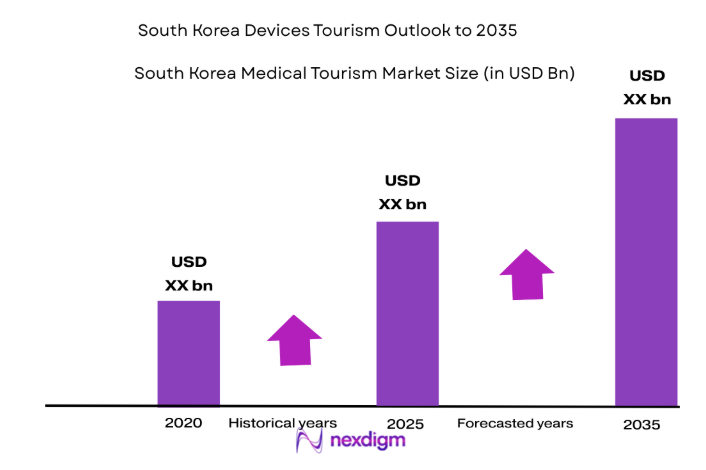
The South Korea Medical Tourism market is experiencing robust growth, driven by the country’s well-developed healthcare infrastructure, competitive pricing, and high-quality medical services. Based on a recent historical assessment, the market has reached a value of approximately USD ~ billion, with key services such as cosmetic surgery, dental procedures, and fertility treatments contributing significantly to this size. The country’s medical tourism industry is increasingly attracting international patients due to its advanced healthcare technologies, skilled medical professionals, and cost-effective treatments compared to other major destinations like the United States and Europe.
South Korea is a prominent leader in the global medical tourism industry, with Seoul being a major hub due to its highly developed medical facilities, world-class specialists, and cutting-edge technology. Other cities like Busan and Incheon are also gaining recognition for their specialized medical services. South Korea’s dominance in medical tourism is largely due to government support, which includes promoting international collaborations and easing visa processes. Moreover, cultural factors such as the appeal of Korean beauty treatments and wellness practices further enhance its position as a top medical tourism destination.
Market Segmentation
By Product Type
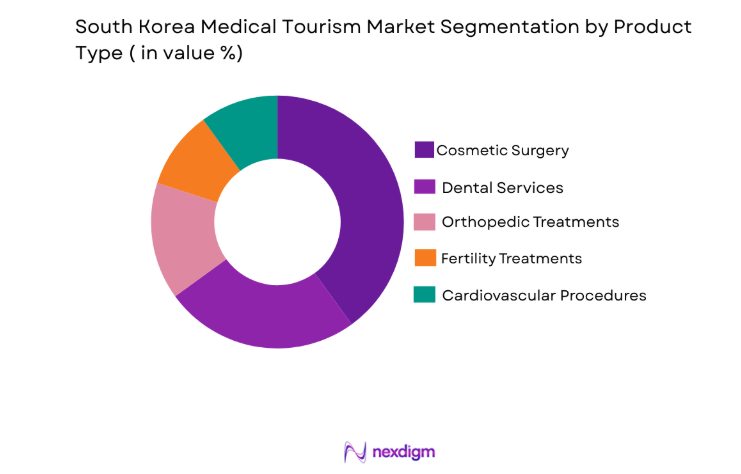
South Korea’s medical tourism market is segmented by product type into cosmetic surgery, dental services, orthopedic treatments, fertility treatments, and cardiovascular procedures. Recently, cosmetic surgery has dominated the market share due to factors such as the country’s global reputation for advanced aesthetic procedures and its appeal to international tourists seeking affordable, high-quality cosmetic treatments. The widespread popularity of Korean beauty standards, coupled with skilled surgeons and cutting-edge technology, has further cemented this sub-segment’s leading role.
By Platform Type
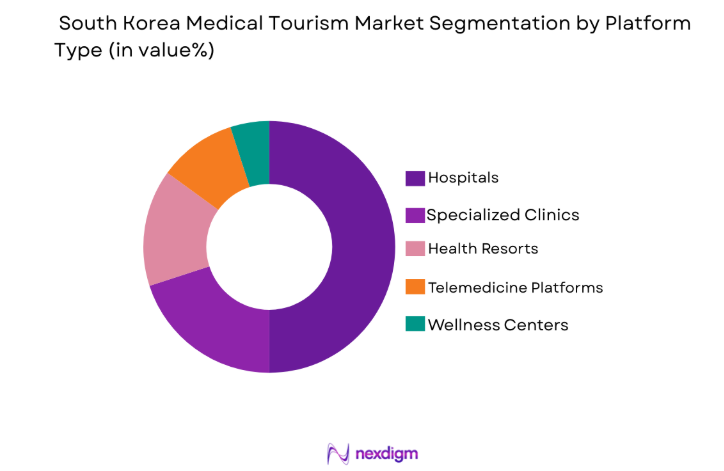
The market is segmented by platform type into hospitals, specialized clinics, health resorts, telemedicine platforms, and wellness centers. Hospitals, particularly in Seoul, dominate the market share due to their robust infrastructure, comprehensive services, and international accreditation, which attract patients from around the world. Additionally, the integration of cutting-edge technology in hospitals has made them the preferred choice for a wide range of medical procedures, including complex surgeries and specialized treatments.
Competitive Landscape
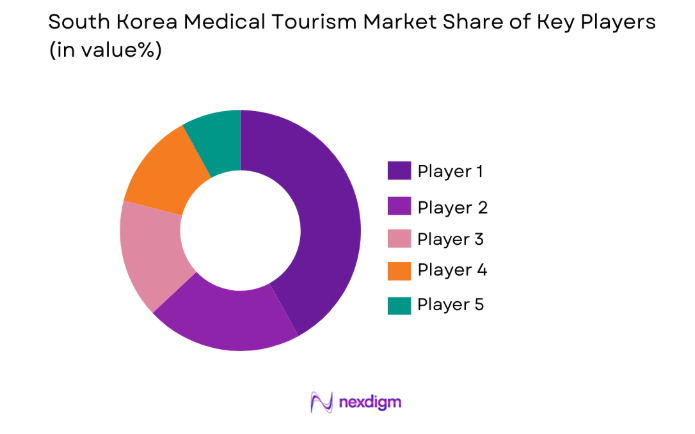
The South Korea medical tourism market is highly competitive, with a mix of large, well-established hospitals and specialized clinics, all vying for a share of the international patient base. Major players dominate by offering comprehensive services, advanced technologies, and international standards of care. The competition is intensifying with the increasing number of regional players improving their service offerings, particularly in cosmetic surgery and dental treatments. As consolidation occurs, larger players are increasingly collaborating with international health organizations to expand their market reach.
| Company Name | Establishment Year | Headquarters | Technology Focus | Market Reach | Key Products | Revenue | Additional Parameter |
| Samsung Medical Center | 1994 | Seoul, South Korea | ~ | ~ | ~ | ~ | ~ |
| Asan Medical Center | 1989 | Seoul, South Korea | ~ | ~ | ~ | ~ | ~ |
| Severance Hospital | 1885 | Seoul, South Korea | ~ | ~ | ~ | ~ | ~ |
| Kyung Hee University Hospital | 1971 | Seoul, South Korea | ~ | ~ | ~ | ~ | ~ |
| Gangnam Severance Hospital | 2000 | Seoul, South Korea | ~ | ~ | ~ | ~ | ~ |
South Korea Medical Tourism Market Analysis
Growth Drivers
Government Support for Medical Tourism
The South Korean government has been a key driver in the growth of its medical tourism sector through active policy support and initiatives aimed at attracting international patients. Programs such as simplifying visa processes for medical tourists, offering packages for specific medical services, and marketing the country’s advanced healthcare system internationally have all played a pivotal role in its success. Government-backed efforts to develop international patient centers and streamline administrative processes have significantly improved the overall patient experience. In addition, the promotion of medical tourism at international trade shows and through diplomatic channels has enhanced the country’s visibility as a top destination for medical care. Government investments have further helped expand the infrastructure, improving hospitals and clinics to meet international standards, which has in turn increased the confidence of foreign patients seeking high-quality, affordable healthcare.
Technological Advancements in Healthcare
South Korea’s commitment to innovation has cemented its position as a leader in the medical tourism market. The country has embraced cutting-edge technology in the medical field, particularly in areas like robotic surgery, advanced diagnostic tools, and telemedicine. For instance, hospitals are equipped with state-of-the-art robotics for minimally invasive surgeries, and AI is increasingly used for patient diagnosis and treatment planning. These technological advancements make South Korea a highly attractive destination for patients seeking specialized treatments that may not be available in their home countries. Moreover, the integration of telemedicine allows patients to consult top medical professionals virtually, making it easier for international patients to access consultations from anywhere in the world. As medical tourism continues to grow, South Korea’s ability to offer advanced medical technologies, paired with skilled professionals, strengthens its competitive edge and attracts a global patient base seeking top-notch medical solutions.
Market Challenges
High Treatment Costs
Despite offering relatively affordable healthcare compared to Western countries, South Korea’s medical tourism sector still faces challenges related to the high costs associated with certain specialized treatments. Procedures such as cancer treatment, organ transplants, and certain high-end cosmetic surgeries can be expensive for international patients, particularly those coming from developing countries. While the overall cost of treatment in South Korea is lower than in countries like the United States or European nations, travel expenses, accommodation, and the potential cost of follow-up care can make the total experience costly. This could limit the accessibility of South Korea’s medical services to a broader international audience, particularly for price-sensitive patients from lower-income countries. Furthermore, even though medical treatments are competitive in price, the rising costs of healthcare materials, technologies, and skilled labor may continue to push up prices in the coming years, affecting the affordability factor that many medical tourists initially find attractive.
Cultural and Language Barriers
Although South Korea’s medical institutions provide translation services and cater to international patients, language and cultural barriers remain an ongoing challenge. Non-Korean-speaking patients may find it difficult to fully understand medical procedures, potential risks, and aftercare instructions, which can lead to misunderstandings and dissatisfaction. Additionally, cultural differences in the approach to medical treatment—such as patient-doctor relationships or expectations about privacy and communication—can create further complications for foreign patients. While many hospitals have multilingual staff and are increasingly offering services to cater to foreign nationals, the language gap can still be an obstacle for patients seeking seamless interactions with healthcare providers. This lack of familiarity with the healthcare system and cultural norms in South Korea could deter potential patients who are uncomfortable navigating a foreign system without sufficient assistance.
Opportunities
Expansion of Cosmetic Surgery Offerings
South Korea has long been a hub for cosmetic surgery, particularly for facial procedures such as rhinoplasty, double eyelid surgery, and jawline reduction. As global interest in cosmetic surgery continues to rise, South Korea’s established reputation and advanced techniques in this field present a significant opportunity for growth. The country is known for providing high-quality cosmetic surgeries at competitive prices, which draws patients from all over the world, especially from countries in Southeast Asia, the Middle East, and even Western nations. With increasing disposable incomes and growing global awareness of South Korea’s prowess in aesthetic treatments, there is an opportunity to expand the market further by offering more specialized and non-invasive treatments. In addition, developing tailored cosmetic surgery packages that include recovery services, wellness programs, and cultural experiences could attract more international medical tourists seeking a comprehensive medical tourism experience.
Telemedicine and Virtual Healthcare
The rise of telemedicine and virtual healthcare services represents a promising growth opportunity for the South Korean medical tourism market. The COVID-19 pandemic significantly accelerated the adoption of digital health services, and this trend is likely to continue as more patients seek remote consultations and follow-up care. South Korea has already begun leveraging telemedicine technologies to offer virtual consultations, especially for pre-operative assessments and post-treatment care. This development expands South Korea’s reach beyond geographical boundaries, allowing patients to consult with top-tier specialists from the comfort of their homes. Furthermore, telemedicine can bridge the gap for those patients who may be hesitant to travel due to distance or the ongoing global health situation. By offering more robust virtual healthcare services, South Korean hospitals can tap into a broader international market, particularly for consultations and second opinions, without patients needing to physically travel for every stage of treatment. This could become a key differentiator for the country in the highly competitive medical tourism industry.
Future Outlook
The South Korean medical tourism market is expected to experience significant growth over the next five years. The expansion of specialized medical services, coupled with the increasing global demand for affordable healthcare, is likely to drive the market forward. Technological advancements in robotics, AI-driven diagnostics, and telemedicine will further strengthen South Korea’s position as a leader in the medical tourism industry. Regulatory support and the continued development of the country’s healthcare infrastructure will also play a crucial role in attracting international patients. Overall, the market is poised for steady growth, driven by innovation, quality healthcare services, and strategic promotional efforts.
Major Players
- Samsung Medical Center
- Asan Medical Center
- Severance Hospital
- Kyung Hee University Hospital
- Gangnam Severance Hospital
- Seoul National University Hospital
- Hanyang University Medical Center
- Seoul National University Bundang Hospital
- St. Mary’s Hospital
- CHA Medical Center
- Hanseo University Medical Center
- Konyang University Hospital
- National Cancer Center Korea
- Korean International Medical Association
- Korea Health Industry Development Institute
Key Target Audience
- Investments and venture capitalist firms
- Government and regulatory bodies
- Healthcare providers
- Hospitals and clinics
- Health technology companies
- Medical device manufacturers
- Insurance providers
Research Methodology
Step 1: Identification of Key Variables
Identifying the key variables influencing the medical tourism market in South Korea, including market drivers, challenges, and technological trends, ensures a comprehensive understanding of the market dynamics.
Step 2: Market Analysis and Construction
Conducting an in-depth analysis of market segments and conducting primary and secondary research helps construct a reliable market framework, including assessing current trends, competitive landscape, and potential opportunities.
Step 3: Hypothesis Validation and Expert Consultation
Engaging with industry experts and stakeholders, such as hospital administrators, medical practitioners, and government representatives, validates hypotheses and provides valuable insights into market trends and potential growth drivers.
Step 4: Research Synthesis and Final Output
Synthesizing collected data and expert feedback into actionable insights and market forecasts provides a clear understanding of the South Korea medical tourism market, ensuring the accuracy and relevance of the final output.

- Executive Summary
- Research Methodology (Definitions, Scope, Industry Assumptions, Market Sizing Approach, Primary & Secondary Research Framework, Data Collection & Verification Protocol, Analytic Models & Forecast Methodology, Limitations & Research Validity Checks)

- Market Definition and Scope
- Value Chain & Stakeholder Ecosystem
- Regulatory / Certification Landscape
- Sector Dynamics Affecting Demand

- Growth Drivers
High-Quality Healthcare at Competitive Prices
Government Support for Medical Tourism Promotion
Rising Demand for Cosmetic and Wellness Procedures - Market Challenges
Competition from Other Medical Tourism Destinations
Language and Cultural Barriers
Concerns over Medical Tourism Safety and Regulations - Market Opportunities
Expansion of Medical Tourism Services
Strategic Collaborations with International Health Organizations
Increased Promotion of South Korea’s Advanced Healthcare Technologies - Trends
Rising Popularity of Cosmetic Surgery Packages
Growth in Digital Health and Telemedicine Platforms - Government Regulations
- SWOT Analysis
- Porter’s Five Forces

- By Market Value, 2020-2025
- By Installed Units, 2020-2025
- By Average System Price, 2020-2025
- By System Complexity Tier, 2020-2025

- By System Type (In Value%)
Cosmetic Surgery
Orthopedic Procedures
Dental Services
Cardiovascular Treatments
Fertility Treatments - By Platform Type (In Value%)
Hospitals
Clinics
Health Resorts
Specialized Centers
Telemedicine Platforms - By Fitment Type (In Value%)
Inpatient Services
Outpatient Services
Telemedicine Consultations
Wellness & Preventive Care - By End User Segment (In Value%)
International Patients
Domestic Patients
Medical Tourists from Asia

- Market Share Analysis
- Cross Comparison Parameters (System Type, Platform Type, End User Segment, Fitment Type, Market Value, Installed Units, Future Demand)
- SWOT Analysis of Key Competitors
- Pricing & Procurement Analysis
- Key Players
Samsung Medical Center
Severance Hospital
Asan Medical Center
Gangnam Severance Hospital
Cheil General Hospital
Jayeon Medical
Health Korea
Korean International Medical Association
St. Mary’s Hospital
International Healthcare Center
Kyung Hee University Medical Center
Bumrungrad International Hospital
Daewoong Pharmaceutical
Vascular Clinic Korea
Korea Health Industry Development Institute

- Increase in Medical Tourism from Southeast Asia
- Rising Domestic Patient Demand for Specialized Procedures
- Demand from Aging Populations Seeking Healthcare Services
- Growing Interest in Preventive Health and Wellness

- Forecast Market Value, 2026-2035
- Forecast Installed Units, 2026-2035
- Price Forecast by System Tier, 2026-2035
- Future Demand by Platform, 2026-2035


 Request a Sample
 Ask for Customization
 Get a Quote
 Enquire Now