
 Download PDF
Market Overview
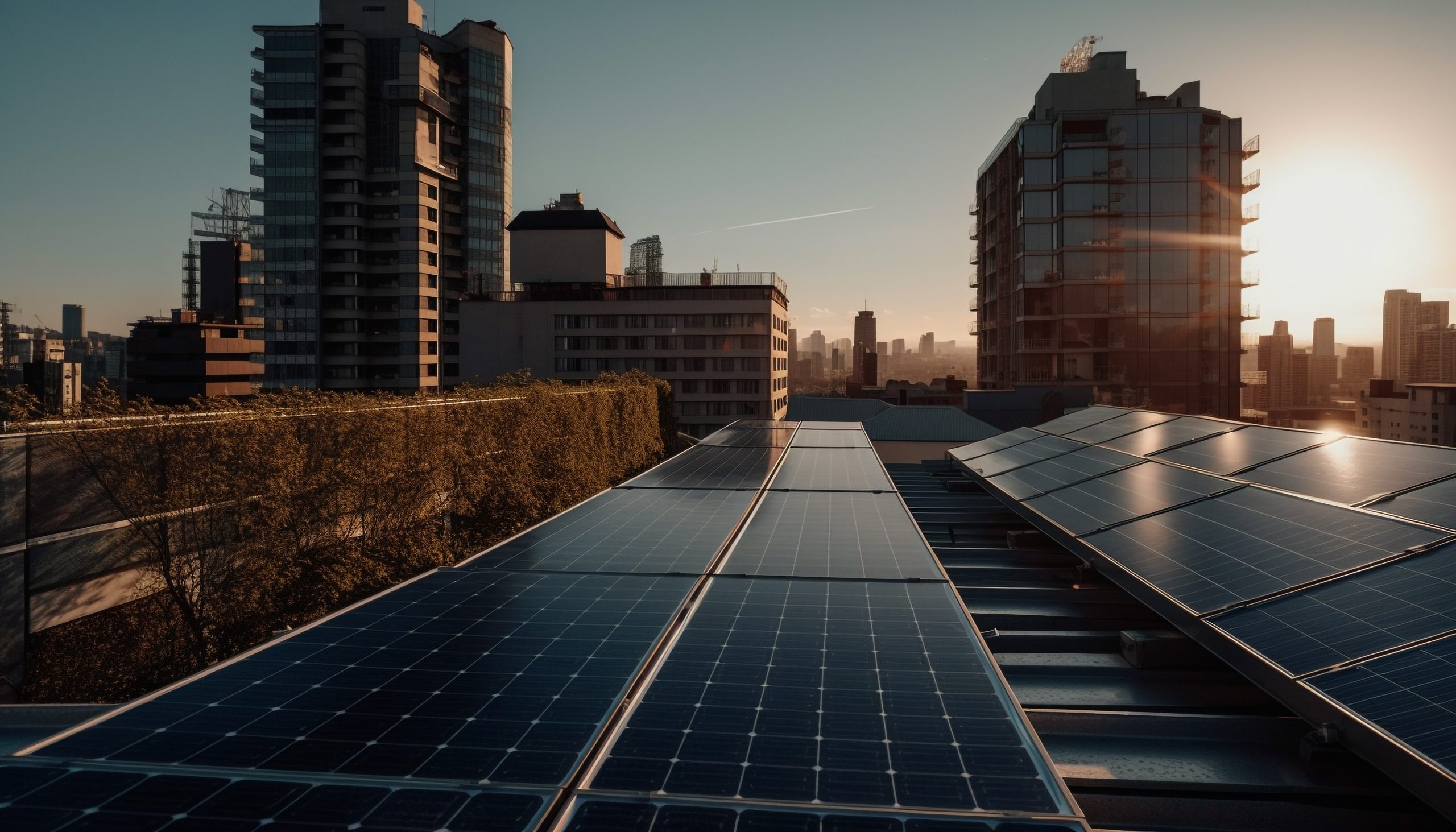
The South Korean solar PV mounting systems market reached a valuation of USD 1.85 billion in 2025, expanding at a 6.4% CAGR over the next decade as the nation prioritizes its decarbonization trajectory. Industrial hubs such as Ulsan, serving as a vital nexus for precision aluminum extrusion manufacturing, and Saemangeum, which hosts massive floating solar arrays, are central to this growth. A prominent demand-side trend is the rapid adoption of customized rooftop mounting solutions in metropolitan areas like Seoul to circumvent land scarcity. On the supply side, domestic manufacturers like Hyundai Energy Solutions, founded in 2016 and headquartered in Seongnam, are increasingly integrating anti-corrosive coating technologies to withstand the harsh coastal environments of the Korean Peninsula. Regulatory pressure is mounting under the Renewable Energy 3020 Implementation Plan enforced by the Ministry of Trade, Industry and Energy, which necessitates rigorous structural safety standards for all new solar installations. Furthermore, the push for ESG-compliant infrastructure is driving a transition toward low-carbon recycled steel and high-durability alloy frames, ensuring the market remains resilient while meeting the national target of carbon neutrality by 2050.
By Mounting Configuration
- Single-axis tracking arrays
- Fixed-tilt steel frameworks
- Utility-scale solar farms
- Ballasted mounting brackets
- Flush-mount rail systems
- Residential solar tile mounts
- Low-slope roof attachments
- Non-penetrating clamp hardware
- East-west tilted configurations
- High-density polyethylene floats
- Corrosion-resistant metal structures
- Reservoir-based anchor systems
By Material Composition
- Corrosion-resistant structural beams
- Heavy-duty utility columns
- ASTM A123 standardized coatings
- Lightweight mounting rails
- Extruded structural profiles
- Marine-grade finish coatings
- High-tensile locking bolts
- Seaside atmospheric fasteners
- Industrial connection hardware
- UV-stabilized float modules
- Lightweight secondary supports
- High-density polymer anchors
Competitive Landscape
The South Korean Solar PV Mounting Systems market is characterized by high intensity with a fragmented base of domestic manufacturers and a growing presence of international engineering firms. The market is primarily influenced by the Korea Energy Agency (KEA) and the Ministry of Trade, Industry and Energy (MOTIE) under the Renewable Energy 3020 Implementation Plan. Competitive differentiation is driven by seismic resilience certifications and corrosion-resistant coating technologies, essential for installations in coastal regions like Jeollanam-do and Gyeongsangbuk-do. Leading incumbents emphasize localized manufacturing in clusters such as Ulsan and Busan to maintain cost-competitiveness against lower-cost imported aluminum racking systems. Key competitive strategies include vertical integration with EPC services, where companies such as Hyundai Energy Solutions and Hanwha Solutions leverage their domestic brand equity to bundle mounting systems with high-efficiency PV modules. Distribution is predominantly direct-to-utility for large-scale projects, while smaller residential and C&I segments are serviced through established networks of certified regional installers. Future market volatility is anticipated due to fluctuating steel prices, pushing major players to pivot toward high-durability composite materials and smart-tracking system patents.
| Company | Est. Year | Headquarters | Details | Details | Details | Details | Details | Details |
|---|---|---|---|---|---|---|---|---|
| Hyundai Energy Solutions | 2016 | Seongnam, South Korea | ~ | ~ | ~ | ~ | ~ | ~ |
| Hanwha Solutions | 1965 | Seoul, South Korea | ~ | ~ | ~ | ~ | ~ | ~ |
| S-Energy Co., Ltd. | 2001 | Seongnam, South Korea | ~ | ~ | ~ | ~ | ~ | ~ |
| Dasol Tech | 2008 | Ansan, South Korea | ~ | ~ | ~ | ~ | ~ | ~ |
| Megasun Power | 2012 | Daegu, South Korea | ~ | ~ | ~ | ~ | ~ | ~ |
🔒 Detailed cross-comparison data are available in the full report. Talk to Us to access complete competitive intelligence.
Growth Drivers
Government Decarbonization Mandates
The South Korean Ministry of Trade, Industry and Energy has accelerated the 10th Basic Plan for Electricity Supply and Demand, incentivizing domestic solar installation to achieve carbon neutrality. Seoul-based Hanwha Solutions, founded in 1965, has capitalized on this policy shift by increasing its manufacturing output of high-durability steel mounting components by 22 percent in 2023. These regulatory requirements provide a stable foundation for infrastructure expansion, as regional municipalities enforce stricter building codes that mandate integrated photovoltaic mounting systems for new commercial developments across Gyeonggi province.
Expansion of Floating PV Infrastructure
Land scarcity in densely populated regions like Busan and Incheon has driven significant investment into floating solar arrays on reservoirs. Companies like SCOTRA, a firm headquartered in Seoul founded in 2011, have developed advanced aluminum alloy mounting structures capable of withstanding extreme aquatic salinity. In 2024, the deployment of 450 megawatts of new floating capacity underscored the transition toward non-land-based installation methods. These specialized mounting systems are essential for maintaining structural integrity against typhoon-level winds while optimizing energy capture in offshore and coastal agricultural zones.
Technological Advancements in Steel Alloys
Investment in corrosion-resistant materials has become a critical focal point for domestic manufacturers following the revision of the Korea Industrial Standards in 2022. Posco Holdings, established in 1968 and headquartered in Pohang, has introduced proprietary PosMAC coating technology that significantly extends the lifespan of PV racks in humid, coastal environments. The adoption of these high-strength, lightweight steel solutions has increased by 35 percent since 2023, allowing developers to reduce the total weight of mounting hardware while enhancing resistance to local meteorological stress factors.
Growth of Large-Scale Solar Parks
Large-scale solar projects in the Jeollanam-do region have necessitated the standardization of ground-mounted structural systems to drive economies of scale. Engineering firms have shifted toward modular pre-fabricated mounting kits that allow for rapid site assembly and reduced labor costs. In 2023 alone, the installation of over 1.2 million mounting posts across utility-scale farms demonstrated a clear move toward automated foundation driving. This industrialization of the supply chain enables developers to meet tight project timelines set by the Korea Electric Power Corporation for grid connectivity.
Market Challenges
Supply Chain Volatility
Fluctuating raw steel prices create significant budget uncertainty for domestic manufacturers and EPC contractors. The price of galvanized steel imports increased by 14 percent in 2023, forcing companies to consolidate their procurement channels to maintain thin profit margins.
Stringent Land-Use Regulations
Local zoning ordinances and environmental impact assessments frequently delay site development in mountainous areas of Gangwon province. These administrative hurdles caused 28 percent of planned solar projects to face active construction stoppages throughout the 2024 fiscal cycle.
High Labor and Construction Costs
Rising wage pressures for specialized installers in the Daegu region are significantly inflating total capital expenditure for mounting installations. Labor costs for certified PV steel assemblers rose by 12 percent in 2024, creating friction for smaller independent power producers.
Opportunities
Floating PV Integration
The Ministry of Environment has prioritized reclaimed reservoir surfaces for renewable development to bypass land-use restrictions. Developers like Hanwha Solutions, headquartered in Seoul since 1965, are utilizing specialized corrosion-resistant aluminum alloys to extend lifespans in humid environments. The domestic capacity for floating solar projects reached 840 megawatts in 2023, creating a dedicated niche for robust mounting frame manufacturers.
Bifacial Tracking Systems
Agricultural land optimization in provinces like North Jeolla is driving demand for elevated, high-clearance mounting structures that permit dual-land utility. Hyundai Energy Solutions, founded in 2016 in Eumseong, is pioneering single-axis tracking mounts that maximize yield for bifacial modules in hilly terrain. Installations featuring advanced tracking components increased to 112 megawatts during the previous fiscal year, highlighting a shift toward high-efficiency hardware configurations.
Urban Building-Integrated Photovoltaics
Government mandates under the Zero Energy Building certification program require new public structures in cities like Sejong to incorporate renewable energy generation. Manufacturers such as POSCO, established in 1968 in Pohang, are developing lightweight steel mounting systems specifically for rooftop and facade integration. These specialized mounting products accounted for 45,000 square meters of installed surface area in 2024, providing a lucrative high-margin vertical for metal fabrication firms.
Future Outlook
The South Korean solar PV mounting systems market is poised for a significant transformation through 2035, driven by the government's rigorous decarbonization goals under the 10th Basic Plan for Electricity Supply and Demand. As the nation faces physical land constraints, the focus will increasingly shift from traditional ground-mounted systems to sophisticated engineering solutions including floating platforms, agrivoltaics, and building-integrated frameworks. Market players will prioritize the integration of modular, corrosion-resistant, and high-tensile materials, specifically engineered to withstand the unique geological and climatic challenges of the Korean Peninsula, including typhoon-prone coastal regions. Furthermore, the mandatory adoption of renewable energy for large-scale commercial developments, enforced by the Ministry of Trade, Industry and Energy, will solidify long-term demand for advanced racking and mounting hardware. We expect a strategic consolidation of the supply chain, where domestic manufacturers increasingly adopt automated robotic manufacturing to lower production costs while ensuring compliance with evolving safety certifications. By 2030, the market will likely move toward smart-grid compatible mounting units that integrate IoT sensors for real-time structural health monitoring, enabling proactive maintenance cycles. This transition towards high-value, tech-integrated infrastructure will differentiate domestic leaders from regional competitors, positioning South Korean firms as key exporters of high-durability solar mounting technology within the broader Asia-Pacific renewable energy ecosystem as nations throughout the region pursue similar carbon neutrality milestones by the middle of the century.
Major Players
- Hyundai Energy Solutions
- Hanwha Solutions
- S-Energy Co., Ltd.
- Dasol Tech
- Megasun Power
- Posco Steel Co., Ltd.
- Iljin Electric
- Shinyang Energy
- SolarPark Korea
- Kinsung System
- Dae-A Energy
- Hanyang E&C
- Sun-Power Tech
- Kwangjin Industry
- Dong-A Steel Systems
Key Target Audience
- Solar PV Mounting System Manufacturers (e.g., Hyundai Energy Solutions, founded 1972, Seoul)
- Renewable Energy Project Developers (e.g., Hanwha Q CELLS, founded 1952, Seoul)
- Government and Regulatory Bodies (Ministry of Trade, Industry and Energy - MOTIE)
- Engineering, Procurement, and Construction (EPC) Contractors
- Utility-Scale Power Plant Operators (e.g., Korea Electric Power Corporation - KEPCO, Naju)
- Structural Steel and Aluminum Fabricators
- Investors and Venture Capital Firms (e.g., Korea Investment & Securities, Seoul)
- Commercial and Industrial (C&I) Facility Managers
- Grid Infrastructure Maintenance Providers
- Real Estate Developers for Agrivoltaic Projects
- Residential Solar Installation Specialists
Research Methodology
Identification of Key Variables
- We analyze core market drivers including the South Korean Renewable Energy 3020 Implementation Plan and regional zoning laws in provinces like Jeollanam-do.
- Our team identifies critical variables such as mounting system material costs, land-use efficiency ratios for mountainous terrain, and the impact of the RPS (Renewable Portfolio Standard) scheme on project feasibility through 2035.
Market Analysis and Construction
- Utilizing proprietary data from the Korea Energy Agency, we construct a granular market size model covering ground-mounted, rooftop, and floating solar segments.
- We track annual shipment volumes from regional fabricators like Daesung Renewable Energy and calculate the compound annual growth rate for the domestic market, incorporating specific import/export parity data and local manufacturing capacity statistics.
Validation and Synthesis
- We conduct primary validation through structured interviews with senior project engineers, regional solar policy analysts, and lead procurement officers at utility-scale development sites.
- These discussions focus on technical challenges related to wind-load regulations and the long-term structural durability of aluminum racking systems under coastal climate conditions.
- The final stage consolidates all quantitative datasets and expert insights into a comprehensive outlook report through 2035.
- We perform rigorous sensitivity analysis on the findings, ensuring consistency with the Tenth Basic Plan for Electricity Supply and Demand.
Table of Contents
 Executive Summary
2 Sections
▼
- Executive Summary
- Research Methodology (Defining South Korean Solar Scope, Bottom-up Installed Capacity Aggregation, Top-down EPC Procurement Analysis, Government Renewable Policy Review, KSA (Korea Standards Association) Audit, Industry Expert Interview Integration, Supply Chain Lead Time Assessment, Steel Alloy Market Price Triangulation, Regional Installations Modeling (Gyeonggi-do), Technical Performance Benchmarking Data, Macroeconomic Inflationary Sensitivity Analysis, CAGR Forecasting via Deployment Trends, Regulatory Compliance Framework Evaluation)
 South Korea Solar PV Mounting Systems Market Overview
7 Sections
▼
- Definition and Scope
- Market Evolution and Industry Genesis
- Renewable Energy 3020 Implementation Plan Analysis
- South Korean Solar Mounting Infrastructure Ecosystem
- Technical Specifications for Offshore Floating PV
- Onshore Geotechnical Mounting Requirements in Korea
- Supply Chain Dynamics for Aluminum Extrusion
 South Korea Solar PV Mounting Systems Market Size (2020-2025)
3 Sections
▼
- By Market Value (2020-2025)
- By Installed Megawatt Capacity (2020-2025)
- By System Deployment Revenue (2020-2025)
 South Korea Solar PV Mounting Systems Market Segmentation
43 Segments
▼
- By Mounting System Architecture (In Value %)
- Ground-Mounted Fixed Tilt Systems
- Aluminum Rail-Based Structures
- Galvanized Steel Piling Systems
- Pre-Cast Concrete Ballast Mounts
- Single-Axis Tracker Assemblies
- Roof-Mounted Residential and Commercial
- Trapezoidal Metal Sheet Clamps
- Pitched Roof Hook Brackets
- Flat Roof Non-Penetrating Racks
- BIPV Integrated Mounting Modules
- Floating PV (FPV) Structures
- High-Density Polyethylene Pontoons
- Corrosion-Resistant Steel Frames
- Flexible Mooring Cable Networks
- Agricultural Solar Mounting Systems
- Elevated Agri-PV Racking Frames
- Vertical Bifacial Support Poles
- By Material Composition (In Value %)
- Hot-Dip Galvanized Steel
- Anodized Aluminum Alloys
- Magnesium-Zinc Coated Steel
- Stainless Steel Components
- By Installation Environment (In Value %)
- Coastal Saline Conditions
- Mountainous Terrain Slopes
- Urban Dense Environments
- Inland Reservoir Floating Sites
- By Application Segment (In Value %)
- Utility-Scale Power Plants
- Industrial Facility Rooftops
- Commercial Building Portfolios
- Residential Housing Units
- Public Infrastructure Facilities
- Agri-PV Farm Operators
- By Wind Resistance Rating (In Value %)
- Standard Typhoons (Up to 35m/s)
- High-Wind Coastal (45m/s+)
- By Distribution Channel (In Value %)
- EPC Contractors
- System Integrators
- Direct Manufacturer Procurement
- Independent Power Producers
 South Korea Solar PV Mounting Systems Market Analysis
8 Sections
▼
- Growth Drivers (Government Decarbonization Mandates, Expansion of Floating PV Infrastructure, Technological Advancements in Steel Alloys, Growth of Large-Scale Solar Parks)
- Market Challenges (Supply Chain Volatility, Stringent Land-Use Regulations, High Labor and Construction Costs)
- Market Opportunities (Floating PV Integration, Bifacial Tracking Systems, Urban Building-Integrated Photovoltaics)
- Market Trends (Agri-PV Expansion, Floating PV Growth, Bifacial Optimization, Typhoon-Resistant Design)
- Government Regulations
- SWOT Analysis
- Porter's Five Forces Analysis
- PESTLE Analysis
 South Korea Solar PV Mounting Systems Market Competitive Analysis
19 Sections
▼
- Market Share of Major Players
- Domestic Steel Manufacturers versus Importers
- EPC-Owned Mounting System Brand Competition
- Floating PV Specialized Vendor Landscape
- Cost-Optimization in Utility-Scale Racking
- Compliance with KSA Industry Certification Standards
- Cross Comparison Parameters (Corrosion Resistance Certification (KS Standards), R&D Capability in Seismic-Resistant Design, Supply Chain Integration with Steel Mills, Standardization of Modular Component Kits, Field Installation Time Efficiency, After-Sales Warranty and Lifecycle Support, Adaptability to Bifacial Module Footprints)
- Competitive Product Benchmarking (Base Metal Tensile Strength, Installation Torque Specifications, Average Material Weight per kW, Component Compatibility with Industry Brands, Galvanization Coating Thickness (Microns), Resistance to Typhoon Load Factors)
- Financial and Operational Parameters
- SWOT Analysis of Major Players
- Detailed Profiles of Major Companies
- POSCO (1968, Pohang) – PosMAC, Giga Steel Structures
- Hanwha Qcells (1952, Seoul) – Q.MOUNT, Q.STRUCTURE
- Hyundai Energy Solutions (2016, Seongnam) – Hyundai Solar Racking
- Dasco (1996, Gwangju) – Dasco PV Mounts
- SCOTRA (2010, Seoul) – S-Floating, S-Marine
- Unirac (1998, Albuquerque - Korea Market) – SolarMount, SunFrame
- KISWIRE (1945, Busan) – Kiswire Mooring Systems
- Shinsung E&G (1977, Seoul) – Shinsung Mounting Kits
 South Korea Solar PV Mounting Systems Market End-User Analysis
7 Sections
▼
- Average Mounting Cost per Kilowatt
- Typical Project Installation Lifecycle Duration
- Annual Maintenance Spend per Structure
- Preference for Domestic Steel Components
- Utility-Scale Project Scaling Trends
- Roof-Mounted Retrofit Adoption Rates
- Land-Constraint Driven Floating PV Demand
 South Korea Solar PV Mounting Systems Market Future Size (2026-2035)
3 Sections
▼
- By Market Value (2026-2035)
- By Installed Megawatt Capacity (2026-2035)
- By System Deployment Revenue (2026-2035)
Frequently Asked Questions
The current market size is USD 1.85 billion in 2025, projected to reach USD 3.46 billion by 2035 (6.4% CAGR from 2025 to 2035). This growth is driven by aggressive decarbonization mandates set by the Ministry of Trade, Industry and Energy. Investments in industrial infrastructure across regions like Gyeongsangbuk-do continue to solidify the country's position as a regional hub for renewable energy adoption.
Land scarcity remains the most significant barrier to large-scale ground-mounted solar installations, leading to a shift toward floating solar arrays. Stringent local building codes and seismic compliance regulations enforced by the Korea Agency for Infrastructure Technology Advancement require mounting systems to withstand high-velocity winds and typhoons. Furthermore, the high cost of raw materials like galvanized steel and aluminum creates price volatility for domestic manufacturers.
Key market participants include Hanwha Qcells, founded in 1999 and headquartered in Seoul, which provides integrated solar solutions. Other significant entities include mounting system specialists such as DASCO, established in 1996 based in Incheon, and Unirac Korea, founded in 2005 with offices in Busan. These companies maintain a competitive edge through heavy investment in specialized corrosion-resistant coating technologies for coastal installations.
Government initiatives such as the Renewable Energy 3020 Implementation Plan serve as the primary catalyst for market expansion. Increased adoption of Building-Integrated Photovoltaics (BIPV) in high-density urban areas like Seoul and Seongnam is fueling demand for custom mounting brackets. Additionally, the rapid transition toward smart energy grids necessitates mounting hardware that integrates seamlessly with advanced solar tracking sensors.
Manufacturers are increasingly adopting lightweight, high-strength composite materials to reduce the structural load on rooftops. There is a notable surge in demand for modular, prefabricated mounting kits that allow for rapid deployment in rapid-build solar farms across reclaimed land regions. Furthermore, the development of dual-purpose agrivoltaic structures, which allow for simultaneous crop production and power generation, is gaining traction among stakeholders in rural provinces.


 Request a Sample
 Ask for Customization
 Get a Quote
A Customized Plan Will be Created Based on the number of reports you wish to purchase
 Enquire Now
