

 Download PDF
 Download PDF
Market Overview
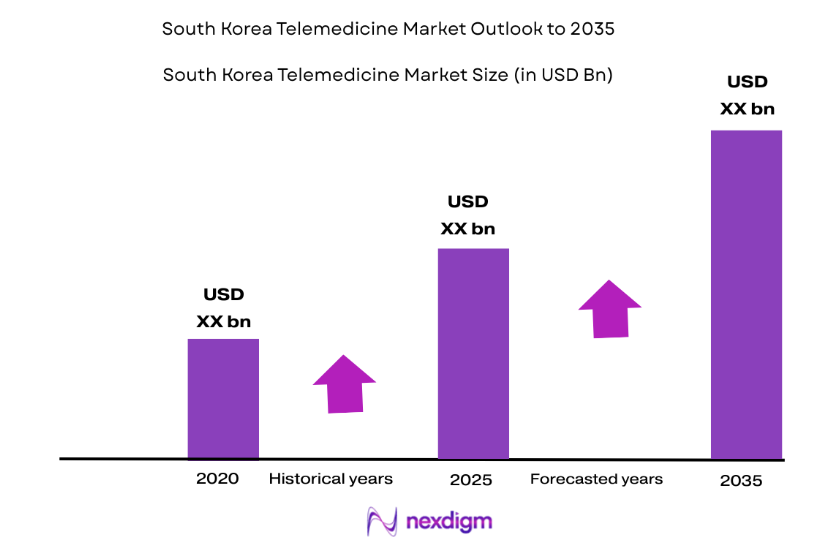
The South Korea Telemedicine market has experienced significant growth, driven by increasing demand for remote healthcare services, advancements in communication technologies, and the government’s favorable policies. Based on recent historical assessments, the market size is estimated to be valued at approximately USD ~ billion. This growth is primarily fueled by the surge in telehealth adoption, as healthcare providers and patients increasingly embrace telemedicine solutions, enhancing accessibility and convenience in delivering healthcare services.
The market is concentrated in major cities like Seoul and Busan, where access to advanced healthcare infrastructure, high internet penetration, and tech-savvy populations foster the adoption of telemedicine services. Seoul, being the capital, leads in technological innovation and has seen large-scale investments in digital health. Additionally, the growing urbanization and aging population in these regions contribute to the rising demand for telemedicine, further cementing the dominance of these cities in the market.
Market Segmentation
By Product Type
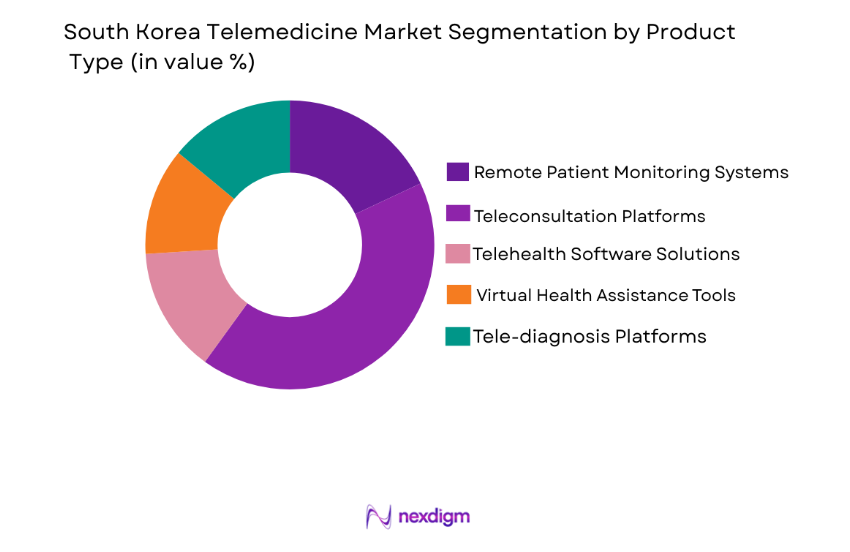
The South Korea Telemedicine market is segmented by product type into remote patient monitoring systems, teleconsultation platforms, telehealth software solutions, virtual health assistance tools, and tele-diagnosis platforms. Recently, teleconsultation platforms have dominated the market share due to their ability to provide real-time healthcare services, especially in rural areas. With the rising demand for convenient healthcare access, teleconsultation platforms have gained immense popularity, supported by factors such as increased smartphone penetration, healthcare provider adoption, and consumer preference for remote consultations.
By Platform Type
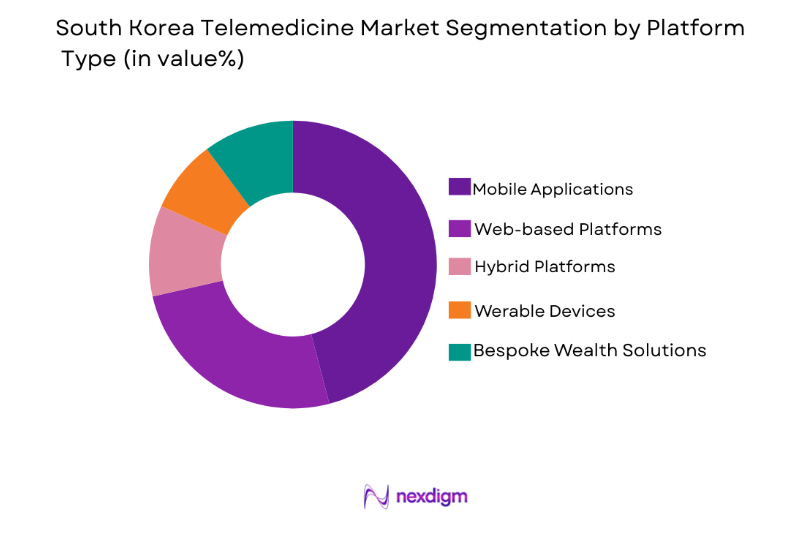
The South Korea Telemedicine market is segmented by platform type into mobile applications, web-based platforms, hybrid platforms, wearable devices, and cloud-based platforms. Recently, mobile applications have dominated the market due to their convenience, accessibility, and widespread adoption. With the increasing penetration of smartphones and improved internet connectivity, mobile applications offer a seamless platform for users to access telehealth services anytime and anywhere. The user-friendly nature of these apps, combined with features such as real-time consultations, appointment scheduling, and easy payment options, has made them a preferred choice for both healthcare providers and patients.
Competitive Landscape
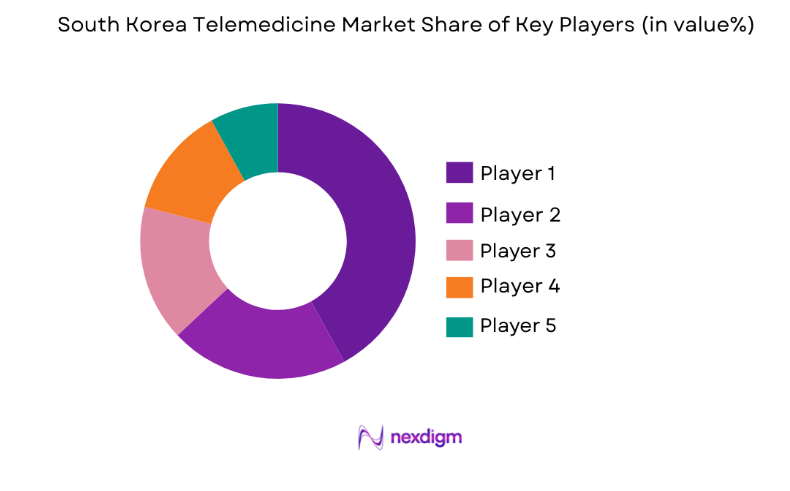
The South Korea Telemedicine market is characterized by a high level of competition, with both domestic and international companies investing in innovative telehealth solutions. The market is undergoing consolidation, with major players expanding their product offerings and forging partnerships with healthcare providers. Leading companies in the space are focusing on enhancing their technological capabilities and increasing their market share by offering scalable telemedicine solutions to meet the growing demand.
| Company Name | Establishment Year | Headquarters | Technology Focus | Market Reach | Key Products | Revenue (USD) | Key Market-Specific Parameter |
| Samsung Electronics | 1969 | Seoul, South Korea | ~ | ~ | ~ | ~ | ~ |
| LG Electronics | 1958 | Seoul, South Korea | ~ | ~ | ~ | ~ | ~ |
| Kakao Healthcare | 2015 | Seoul, South Korea | ~ | ~ | ~ | ~ | ~ |
| Medtronic | 1949 | Dublin, Ireland | ~ | ~ | ~ | ~ | ~ |
| Teladoc Health | 2002 | Purchase, USA | ~ | ~ | ~ | ~ | ~ |
South Korea Telemedicine Market Analysis
Growth Drivers
Government Support for Telemedicine Integration
The South Korean government has increasingly supported the integration of telemedicine into the healthcare system by providing incentives and regulatory frameworks. This proactive approach has led to a significant expansion of telemedicine services. Policies such as reimbursements for telehealth consultations and the promotion of telemedicine infrastructure, including remote patient monitoring systems, have encouraged healthcare providers to adopt these services. The government’s long-term strategy focuses on improving accessibility, particularly in rural and underserved areas, where healthcare facilities are limited. Additionally, government-backed funding for digital health technology startups has further fueled the market’s growth, positioning telemedicine as a key pillar of South Korea’s healthcare system. By supporting the legal and regulatory frameworks around telemedicine, the government is creating a stable environment for its expansion.
Technological Advancements in Healthcare
The rapid advancements in AI, machine learning, and the Internet of Things (IoT) have significantly contributed to the growth of the telemedicine market in South Korea. AI-driven technologies such as virtual health assistants, predictive analytics, and real-time diagnostics have enhanced the efficiency of remote consultations and patient management. Furthermore, the integration of wearable devices that can monitor vital signs remotely has empowered patients to take control of their health, promoting widespread adoption of telemedicine. As technological solutions evolve and become more affordable, telemedicine platforms are offering more advanced functionalities, such as automated health tracking and personalized care. These advancements not only improve patient outcomes but also reduce healthcare costs, driving further growth in the sector.
Market Challenges
Data Privacy and Security Concerns
The protection of sensitive patient data remains a major concern in the South Korean telemedicine market. Given the volume of private health information shared during virtual consultations, telemedicine platforms must adhere to stringent data security regulations like South Korea’s Personal Information Protection Act (PIPA). Despite technological advancements in encryption and cybersecurity, the evolving threat of data breaches and cyber-attacks poses significant risks to patient trust and market growth. Telemedicine providers face constant pressure to update security protocols to protect against unauthorized access and ensure compliance with local and international data protection standards. As the volume of telemedicine services increases, so does the complexity of safeguarding patient information, making data security a critical issue for the industry’s future.
Regulatory Barriers and Compliance Issues
While South Korea has made significant strides in supporting telemedicine, regulatory barriers continue to pose challenges. Different regions have varying laws governing telemedicine services, such as restrictions on the types of consultations that can be provided remotely or requirements for healthcare professionals to hold specific licenses. The lack of uniformity in regulations across the country makes it difficult for telemedicine companies to scale their services efficiently. Additionally, telemedicine providers often face lengthy approval processes when seeking to offer new services or expand into new markets. These compliance challenges slow the growth of the telemedicine market, as companies must navigate complex regulatory frameworks to ensure they meet the necessary requirements for legal operation.
Opportunities
Expansion of AI-Powered Telemedicine Services
The growing application of artificial intelligence in telemedicine presents a significant opportunity for market expansion. AI technologies such as predictive analytics, speech recognition, and personalized healthcare services are transforming the telemedicine landscape. AI-powered tools can offer patients tailored healthcare advice and real-time monitoring, improving overall care and reducing the need for in-person visits. As the demand for more efficient and accurate telemedicine solutions increases, the integration of AI across telemedicine platforms is expected to drive future growth. Companies that focus on developing AI-driven telemedicine services have the potential to capture a larger share of the market by offering innovative solutions that enhance patient care, reduce healthcare costs, and improve treatment outcomes.
Rural Healthcare Outreach
Another key opportunity lies in expanding telemedicine services to rural and remote areas of South Korea, where healthcare infrastructure is often limited. Telemedicine provides an effective solution to the challenges posed by a shortage of healthcare professionals and hospitals in these regions. By offering remote consultations and real-time health monitoring, telemedicine can help bridge the healthcare gap for rural populations. The government’s focus on improving healthcare access in underserved areas, coupled with increased internet penetration, is expected to fuel the demand for telemedicine services in rural South Korea. As healthcare providers adopt these solutions, the market for telemedicine in rural areas will experience significant growth, creating a valuable opportunity for service providers targeting these regions.
Future Outlook
The South Korea Telemedicine market is expected to grow significantly over the next five years, driven by technological advancements, government policies, and increased demand for remote healthcare services. With the growing adoption of AI, IoT, and mobile health technologies, telemedicine services are set to become more integrated into the mainstream healthcare system. Key trends to watch include the expansion of AI-driven telemedicine platforms, increased government support for telemedicine adoption, and the development of more user-friendly platforms to cater to the aging population.
Major Players
- Samsung Electronics
- LG Electronics
- Kakao Healthcare
- Medtronic
- Teladoc Health
- Huawei Technologies
- Philips Healthcare
- IBM Watson Health
- GE Healthcare
- Cerner Corporation
- HealthNet
- ZTE Corporation
- Intermountain Healthcare
- Allscripts Healthcare
- Bosch Healthcare Solutions
Key Target Audience
- Investments and venture capitalist firms
- Government and regulatory bodies
- Healthcare providers and clinics
- Telemedicine platform developers
- Insurance companies
- Mobile health app developers
- Telecom operators
Research Methodology
Step 1: Identification of Key Variables
The first step involves identifying key variables affecting the market, such as technological developments, regulatory frameworks, and consumer behavior. These variables are essential for constructing a comprehensive market model.
Step 2: Market Analysis and Construction
The market analysis is conducted by gathering secondary and primary data, including industry reports, government publications, and expert interviews. This data is used to build a market model reflecting current trends and potential growth factors.
Step 3: Hypothesis Validation and Expert Consultation
Validation of hypotheses is carried out through expert consultations and focus groups to ensure that the market assumptions are aligned with real-world insights and potential growth drivers.
Step 4: Research Synthesis and Final Output
The final step involves synthesizing the collected data, validating findings, and preparing the final market report, ensuring that all insights are accurate, actionable, and aligned with market dynamics.

- Executive Summary
- Research Methodology (Definitions, Scope, Industry Assumptions, Market Sizing Approach, Primary & Secondary Research Framework, Data Collection & Verification Protocol, Analytic Models & Forecast Methodology, Limitations & Research Validity Checks)

- Market Definition and Scope
- Value Chain & Stakeholder Ecosystem
- Regulatory / Certification Landscape
- Sector Dynamics Affecting Demand

- Growth Drivers
Government Support for Telemedicine Initiatives
Technological Advancements in Remote Healthcare
Increasing Demand for Convenient Healthcare Services - Market Challenges
Regulatory and Certification Barriers
Technological Integration and Interoperability Issues
Data Security and Privacy Concerns - Market Opportunities
Expansion of AI and Machine Learning in Telemedicine
Collaboration with Telecom Operators for Broader Reach
Growth of Virtual Care Models Post-COVID-19 - Trends
Increase in Telemedicine Adoption Post-Pandemic
Integration of Wearable Devices for Remote Monitoring - Government Regulations
- SWOT Analysis
- Porter’s Five Forces

- By Market Value, 2020-2025
- By Installed Units, 2020-2025
- By Average System Price, 2020-2025
- By System Complexity Tier, 2020-2025

- By System Type (In Value%)
Remote Patient Monitoring Systems
Teleconsultation Platforms
Telehealth Software Solutions
Virtual Health Assistance Tools
Tele-diagnosis Platforms - By Platform Type (In Value%)
Mobile Applications
Web-Based Platforms
Hybrid Platforms
Wearable Devices
Cloud-based Platforms - By Fitment Type (In Value%)
On-premise Solutions
Cloud-based Solutions
Hybrid Solutions
Integrated Solutions - By End User Segment (In Value%)
Hospitals and Healthcare Providers
Individual Patients
Healthcare Insurance Providers

- Market Share Analysis
- Cross Comparison Parameters (System Type, Platform Type, Procurement Channel, End User Segment, Fitment Type, Technology, Market Reach)
- SWOT Analysis of Key Competitors
- Pricing & Procurement Analysis
- Key Players
Samsung Electronics
LG Electronics
Medtronic
Kakao Healthcare
Vuno
Kyungdong Pharmaceutical
Teladoc Health
Doctolib
Telenor Group
Zoll Medical Corporation
Cisco Systems
Honeywell
Omron Healthcare
Philips Healthcare
Siemens Healthineers

- Rising Demand for Telemedicine among Elderly Population
- Adoption of Telemedicine by Rural Healthcare Providers
- Government and Healthcare Providers’ Role in Promoting Telemedicine
- Integration of Telemedicine Services with Traditional Healthcare Systems

- Forecast Market Value, 2026-2035
- Forecast Installed Units, 2026-2035
- Price Forecast by System Tier, 2026-2035
- Future Demand by Platform, 2026-2035


 Request a Sample
 Ask for Customization
 Get a Quote
 Enquire Now