
 Download PDF
 Download PDF
Market Overview
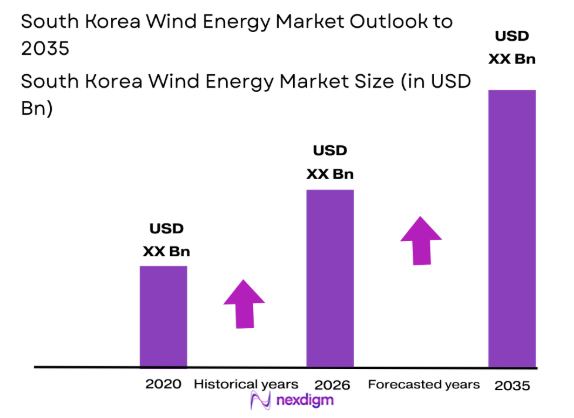
The South Korea Wind Energy market is experiencing significant growth, driven by technological advancements and a global shift toward renewable energy sources. Based on a recent historical assessment, the market size is projected to be valued at USD ~ billion. The growth of this sector is primarily driven by government incentives, as well as increasing demand for clean and sustainable energy solutions. Additionally, the reduction in turbine costs and improvements in wind energy efficiency are boosting market growth.
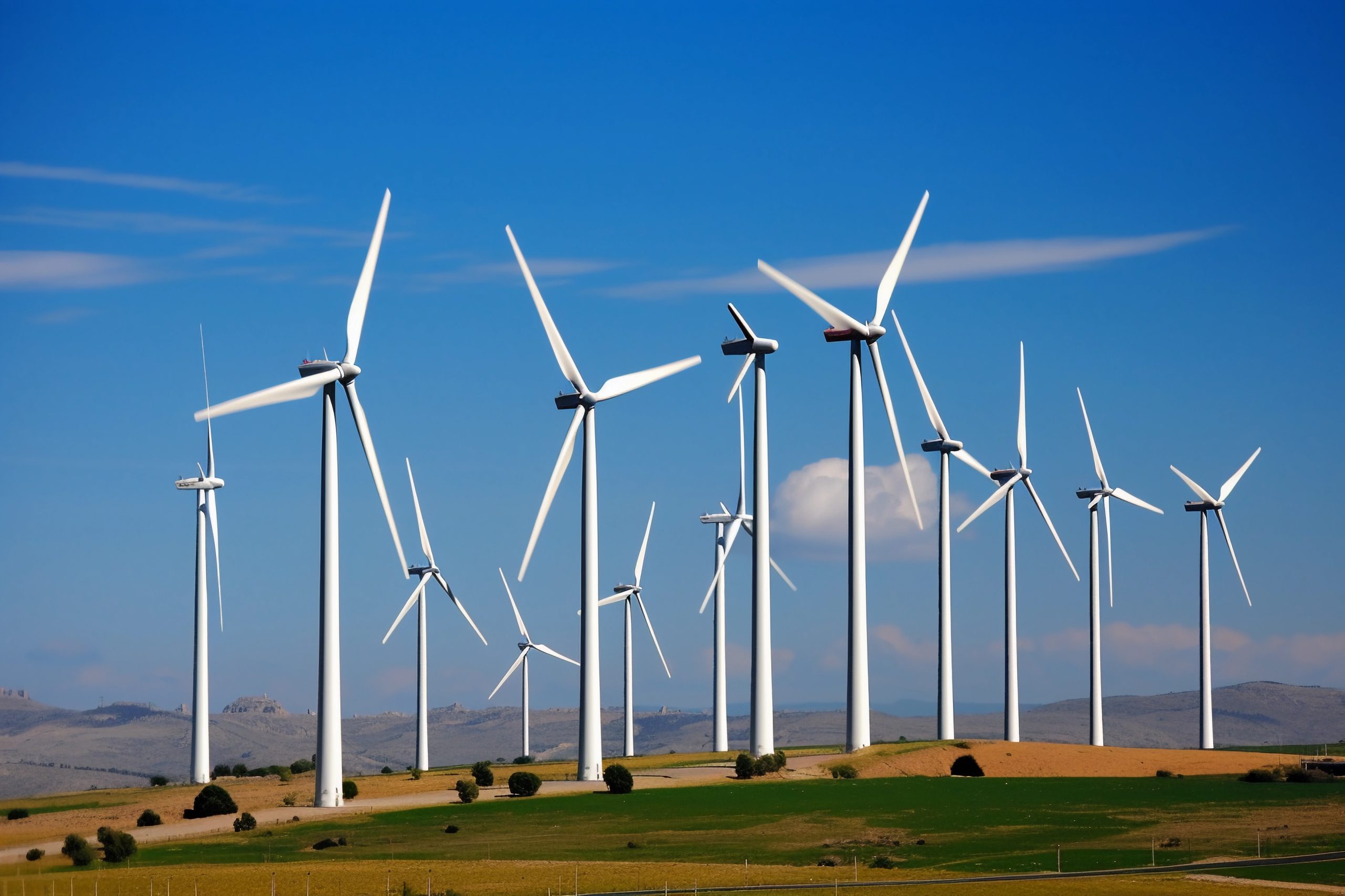
South Korea is emerging as one of the leading countries in the wind energy sector, thanks to its strong commitment to green energy and government policies supporting renewable energy projects. The nation’s robust infrastructure and favorable coastal geography have enhanced its ability to capitalize on offshore wind energy, making it one of the most promising markets for wind energy. Other dominant players in the region are influenced by similar factors such as environmental concerns and energy independence
Market Segmentation
By Product Type
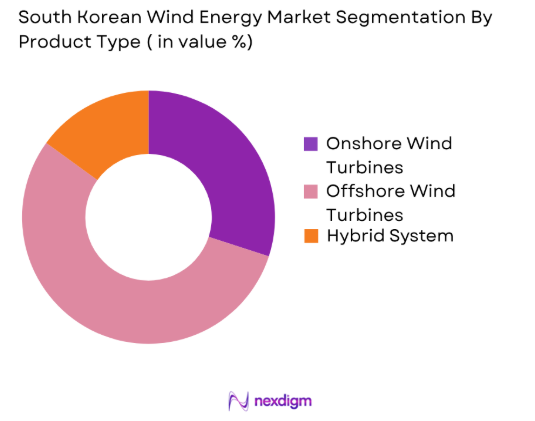
The wind energy market is segmented by product type into onshore wind turbines, offshore wind turbines, and hybrid systems. Recently, offshore wind turbines have captured a dominant market share due to their higher efficiency and the availability of large-scale sites in coastal areas. The increased deployment of offshore wind farms, driven by favorable governmental policies and large investment flows, has solidified this segment’s dominance in the market.
By End-User Segment
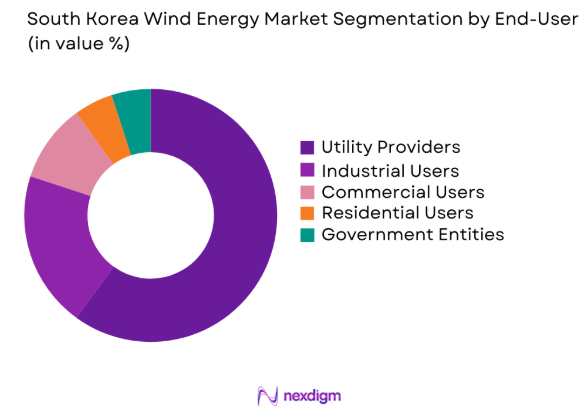
The wind energy market is further segmented into utility providers, industrial users, commercial users, residential users, and government entities. Among these, utility providers have a dominant market share as they account for large-scale energy production and infrastructure development, which is key for meeting increasing energy demands. The shift toward green energy and long-term cost savings has driven significant investments into utility-scale wind projects.
Competitive Landscape
The competitive landscape in the wind energy market is characterized by strong competition among both established players and emerging firms. Major players dominate the market, while several regional players are gaining ground due to technological innovations and favorable government policies. This industry is witnessing increasing consolidation, with companies collaborating on large-scale projects to maximize efficiency and minimize costs. Innovation, regulatory support, and capacity expansion are key factors influencing competition.
| Company Name | Establishment Year | Headquarters | Technology Focus | Market Reach | Key Products | Revenue | Additional Parameter |
| Vestas Wind Systems | 1945 | Denmark | ~ | ~ | ~ | ~ | ~ |
| Siemens Gamesa | 1976 | Spain | ~ | ~ | ~ | ~ | ~ |
| GE Renewable Energy | 1892 | USA | ~ | ~ | ~ | ~ | ~ |
| Nordex SE | 1985 | Germany | ~ | ~ | ~ | ~ | ~ |
| Suzlon Energy | 1995 | India | ~ | ~ | ~ | ~ | ~ |
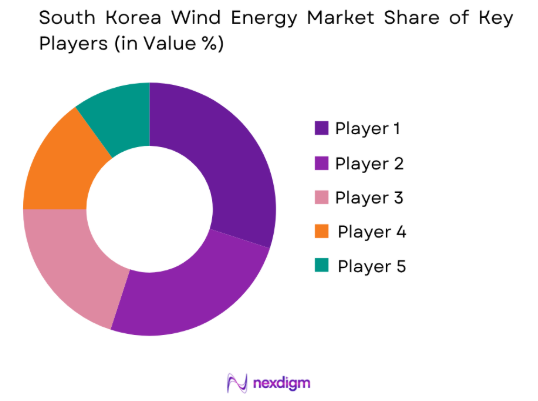
South Korea Wind Energy Market Analysis
Growth Drivers
Government Incentives
Government initiatives play a pivotal role in driving wind energy growth. Through subsidies, tax incentives, and favorable regulatory policies, wind projects have become more financially feasible, encouraging significant investments in both offshore and onshore wind farms. These policies aim to support the transition to renewable energy, meeting sustainability goals and reducing dependency on fossil fuels. By providing financial assistance and creating an attractive regulatory environment, governments are fostering a favorable market for wind energy projects. This support is essential for scaling up wind energy capacity and accelerating the shift toward a cleaner, more sustainable energy future. Such measures are fundamental in advancing global renewable energy targets.
Technological Advancements
Advancements in wind turbine technology, such as larger, more efficient turbines, have drastically lowered the cost per megawatt of wind energy. Enhanced blade designs, optimized turbine placement, and the emergence of floating wind platforms have opened up previously untapped offshore areas for energy generation. These innovations enable the production of more energy at a lower cost, making wind energy a more economically viable option. As turbine technology continues to improve, it is expected to drive increased demand in the wind energy market. The combination of reduced costs and higher energy output is likely to accelerate the adoption of wind energy as a key renewable source.
Market Challenges
High Initial Investment
A major challenge in the wind energy sector is the high initial capital required for both onshore and offshore wind farms. These costs, which include land acquisition, equipment, and infrastructure, can be prohibitive for smaller developers and companies. While wind energy offers long-term savings and efficiency, the significant upfront investment required often limits the ability of new players to enter the market. This barrier to entry slows the growth of competition and innovation in the sector, as only larger firms with access to substantial financial resources can afford to undertake large-scale wind projects. Reducing these costs is essential to unlock the full potential of the market.
Regulatory Hurdles
Despite strong government support for wind energy, complex and often delayed permitting processes, particularly for offshore projects, can hinder development. Regulatory uncertainty, environmental concerns, and local opposition to wind farms add further challenges to the development cycle, creating additional hurdles for project timelines. These delays not only slow the growth of the wind energy sector but also increase costs for developers. To accelerate market growth, it is crucial to streamline permitting procedures and create clearer regulatory frameworks. Simplifying these processes would encourage investment, speed up project execution, and facilitate the expansion of wind energy capacity, helping to meet renewable energy targets more efficiently.
Opportunities
Offshore Wind Projects
The growing availability of offshore sites with strong, consistent winds offers significant growth opportunities for the wind energy market. Offshore wind farms are more efficient and produce higher energy output compared to onshore turbines, making them a key focus for energy generation. With governments worldwide prioritizing the expansion of offshore wind capacity to meet renewable energy goals, this segment is set for substantial growth. Technological advancements in turbine design and floating platform systems are further enhancing the viability of offshore projects. As a result, offshore wind energy is becoming a critical component of the global transition to sustainable energy, attracting increased investment and attention from both public and private sectors.
Energy Storage Integration
Integrating energy storage solutions with wind energy projects presents a growing opportunity for the sector. Technologies like batteries can address the fluctuations in wind energy production, ensuring a consistent and reliable power supply. By storing excess energy generated during peak production periods, these solutions help balance supply and demand, making wind energy more dependable. Recent advancements in energy storage systems have improved their efficiency and cost-effectiveness, making the integration of storage with wind power more viable for both residential and industrial sectors. This synergy not only enhances grid stability but also increases the overall feasibility and attractiveness of wind energy as a primary renewable source.
Future Outlook
The wind energy market is expected to continue its growth trajectory over the next five years, fueled by technological advancements, government policy support, and increasing demand for clean energy. The industry will see a strong push toward offshore wind projects, with several nations aiming to meet their renewable energy targets. Innovations in turbine technology and energy storage systems will continue to drive down costs, improving the economic feasibility of wind projects. Enhanced grid infrastructure and international collaboration will play a critical role in the market’s expansion.
Major Players
- Vestas Wind Systems
- Siemens Gamesa
- GE Renewable Energy
- Nordex SE
- Suzlon Energy
- MHI Vestas Offshore Wind
- Doosan Heavy Industries & Construction
- Goldwind
- Envision Energy
- Shanghai Electric
- Senvion
- Iberdrola
- Orsted
- JinkoSolar
- Acciona Energia
Key Target Audience
- Investments and venture capitalist firms
- Government and regulatory bodies
- Utility companies
- Wind turbine manufacturers
- Offshore wind farm developers
- Environmental NGOs
- Renewable energy consultants
- Large-scale energy users
Research Methodology
Step 1: Identification of Key Variables
Identification of the key market drivers, challenges, and trends affecting the wind energy industry, based on current market insights and historical data.
Step 2: Market Analysis and Construction
Comprehensive analysis of wind energy technologies, market segments, and competitor landscape, followed by data validation and segmentation.
Step 3: Hypothesis Validation and Expert Consultation
Engagement with industry experts to validate hypotheses about the growth and challenges in the wind energy market and gather insights on emerging trends.
Step 4: Research Synthesis and Final Output
Final synthesis of market data, trends, forecasts, and recommendations, followed by preparation of the market report for publication.

- Executive Summary
- Research Methodology (Definitions, Scope, Industry Assumptions, Market Sizing Approach, Primary & Secondary Research Framework, Data Collection & Verification Protocol, Analytic Models & Forecast Methodology, Limitations & Research Validity Checks)

- Market Definition and Scope
- Value Chain & Stakeholder Ecosystem
- Regulatory / Certification Landscape
- Sector Dynamics Affecting Demand
- Strategic Initiatives & Infrastructure Growth

- Growth Drivers
Expansion of Offshore Wind Projects
Government Renewable Energy Mandates
Technological Advancements in Turbine Efficiency - Market Challenges
High Initial Capital Investment
Regulatory Delays and Permitting Challenges
Grid Integration Issues - Market Opportunities
Offshore Wind Development
Technological Innovations in Turbine Efficiency
Private-Public Partnerships - Trends
Increasing Use of Floating Wind Turbines
Integration of AI for Wind Farm Optimization
Growth in Hybrid Wind Energy Systems - Government Regulations
- SWOT Analysis of Key Competitors
- Porter’s Five Forces

- By Market Value, 2020-2025
- By Installed Units, 2020-2025
- By Average System Price, 2020-2025
- By System Complexity Tier, 2020-2025

- By System Type (In Value%)
Onshore Wind Energy
Offshore Wind Energy
Hybrid Wind Systems
Small-Scale Wind Energy
Community Wind Projects - By Platform Type (In Value%)
Land-Based Platforms
Floating Wind Platforms
Fixed-Bottom Offshore Platforms
Hybrid Platforms
Small-Scale Platforms - By Fitment Type (In Value%)
Onshore Installations
Offshore Installations
Hybrid Installations
Mobile Installations
Modular Installations - By End User Segment (In Value%)
Utility Providers
Industrial Users
Government & Public Sector
Commercial Entities
Residential - By Procurement Channel (In Value%)
Direct Procurement
Government Tenders
Private Sector Procurement
Online Bidding Platforms
Third-party Distributors

- Market Share Analysis
- Cross Comparison Parameters (System Type, Platform Type, Procurement Channel, End User Segment, Fitment Type, Turbine Technology, Project Size, Investment Model, Grid Integration, Maintenance Services)
- SWOT Analysis of Key Competitors
- Pricing & Procurement Analysis
- Key Players
Vestas Wind Systems
Siemens Gamesa
Nordex SE
GE Renewable Energy
Suzlon Energy
MHI Vestas Offshore Wind
Hyundai Heavy Industries
Doosan Heavy Industries & Construction
Goldwind
Envision Energy
Shanghai Electric
Siemens AG
Senvion
Iberdrola
Orsted

- Growth in Demand from Utility Providers
- Increased Government Investment in Wind Energy
- Technological Adoption by Commercial Entities
- Rising Interest from Residential Market

- Forecast Market Value, 2026-2035
- Forecast Installed Units, 2026-2035
- Price Forecast by System Tier, 2026-2035
- Future Demand by Platform, 2026-2035


 Request a Sample
 Ask for Customization
 Get a Quote
 Enquire Now