
 Download PDF
Market Overview
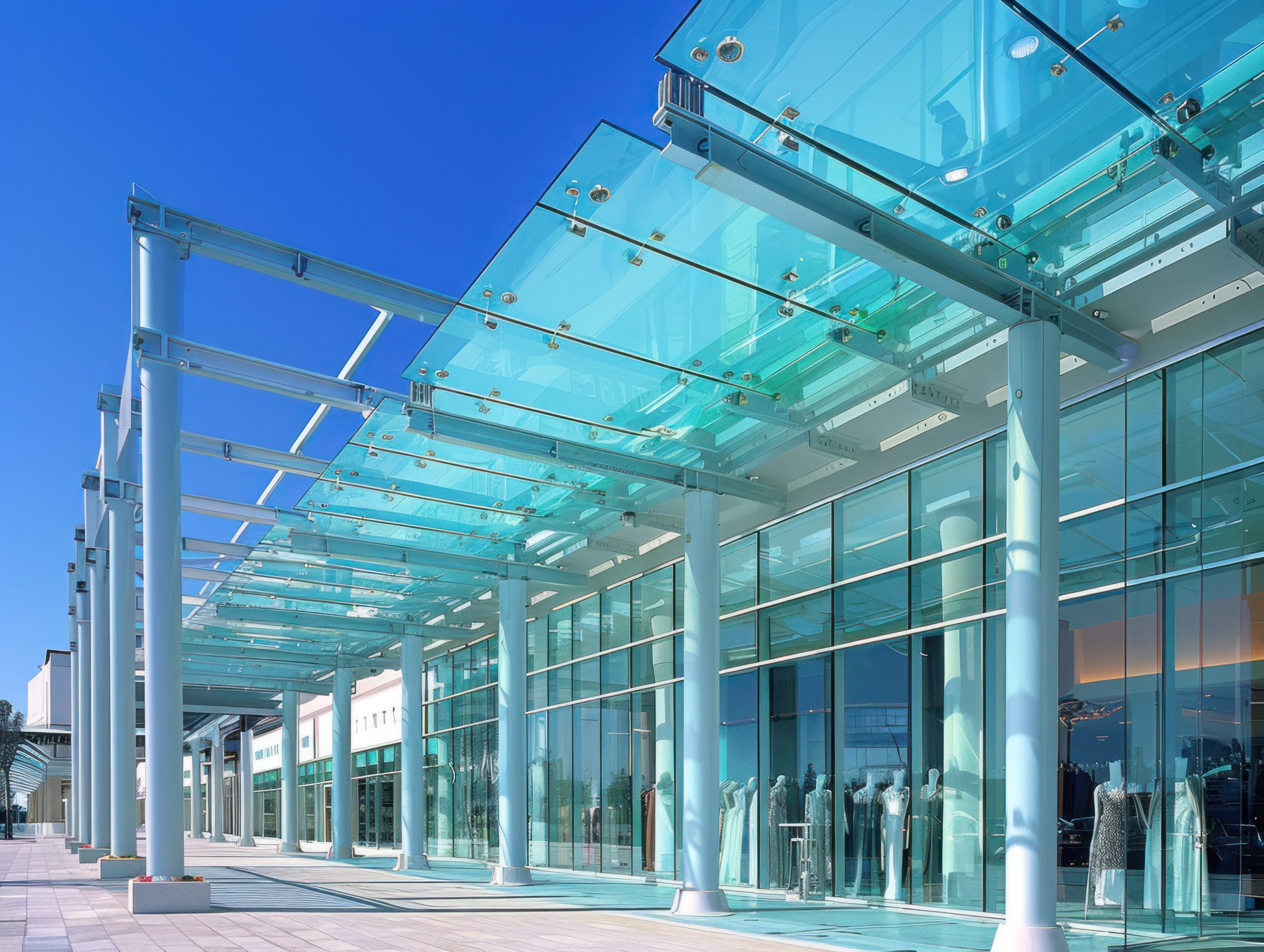
The Thailand architectural and construction glass market is positioned for sustained expansion, reaching a valuation of USD 2.45 billion in 2025 and projected to grow at a 5.6% CAGR through 2035. The industrial hub of Rayong remains a critical node, functioning as the primary production center for advanced glass manufacturing due to its proximity to the Eastern Economic Corridor, while Bangkok serves as the primary consumption epicenter, driven by intensive high-rise residential and commercial development projects. A dominant demand-side trend is the rapid adoption of smart, energy-efficient glazing solutions in urban complexes, which is being catalyzed by the Thailand Board of Investment’s tax incentives for green building projects. On the supply side, domestic manufacturers like Thai-Asahi Glass, headquartered in Bangkok and founded in 1963, are heavily investing in tempered and laminated glass production lines to meet rising structural safety standards. Furthermore, compliance with the Ministry of Energy’s Building Energy Code (BEC) regulations is forcing a pivot toward low-emissivity glass to improve thermal insulation performance, fundamentally shifting the market away from traditional float glass commodities toward value-added, high-performance architectural glass systems that satisfy stringent sustainability mandates and cooling efficiency requirements.
By Glass Product Type
- Thermal toughened panels
- Heat-strengthened glass units
- Impact-resistant balcony railings
- PVB interlayer membranes
- Acoustic damping panes
- Security glazing systems
- Double-glazed thermal spacers
- Argon-filled weather sealants
- Low-emissivity coated glazing
- Hard-coat pyrolytic surfaces
- Solar control coatings
- Mirror-finish exterior cladding
By End-Use Application
- Office skyscraper curtain walls
- Retail mall glass facades
- Hotel lobby glazing systems
- Condominium balcony enclosures
- Single-family villa windows
- Residential skylight installations
- Public hospital window partitions
- University library glass roofs
- Government ministry building facades
- Warehouse clerestory windows
- Factory observation cabin glass
- Automated processing plant barriers
Competitive Landscape
The Thailand architectural and construction glass market exhibits a consolidated structure characterized by high barriers to entry due to capital-intensive manufacturing requirements and strict adherence to the Thai Industrial Standards Institute (TISI) protocols. Competitive intensity has surged following the implementation of the Eastern Economic Corridor (EEC) development initiatives, which mandate high-performance, energy-efficient glass for new mega-projects in Rayong and Chonburi. Strategic focus remains on vertical integration, with leading domestic players expanding their float glass capacities to reduce dependency on volatile import supply chains from Southeast Asian neighbors. Major incumbents like AGC Vinythai and Siam Glass Industry are aggressively pivoting toward specialized high-value products, including solar-control glass and laminated safety variants, to meet the stringent green-building certifications like TREES (Thai's Rating of Energy and Environmental Sustainability). Distribution strategy involves robust partnerships with major regional contractors and direct supply contracts for metropolitan transit expansion projects in Bangkok. Innovation-led market positioning is now the primary competitive differentiator, with firms investing heavily in localized R&D centers to meet domestic architectural seismic and thermal resistance codes.
| Company | Est. Year | Headquarters | Details | Details | Details | Details | Details | Details |
|---|---|---|---|---|---|---|---|---|
| AGC Vinythai Public Company | 1964 | Bangkok, Thailand | ~ | ~ | ~ | ~ | ~ | ~ |
| Siam Glass Industry | 1978 | Samut Prakan, Thailand | ~ | ~ | ~ | ~ | ~ | ~ |
| Thai-Asahi Glass | 1963 | Bangkok, Thailand | ~ | ~ | ~ | ~ | ~ | ~ |
| Guardian Industries Thailand | 1994 | Rayong, Thailand | ~ | ~ | ~ | ~ | ~ | ~ |
| BSL Glass | 1989 | Nonthaburi, Thailand | ~ | ~ | ~ | ~ | ~ | ~ |
🔒 Detailed cross-comparison data are available in the full report. Talk to Us to access complete competitive intelligence.
Growth Drivers
Government Infrastructure Expansion
The Thai government's focus on the Eastern Economic Corridor (EEC) project in provinces like Chonburi and Rayong is stimulating significant demand for high-performance glass. With 18 billion USD allocated in 2024 for transport and logistics connectivity, commercial real estate developers are integrating energy-efficient glass systems to meet modern green building standards. The mandate for sustainable architecture across government-led smart city projects in Bangkok is forcing contractors to procure advanced structural glazing solutions, ensuring that large-scale infrastructure developments adhere to strict thermal insulation requirements and environmental compliance protocols established by local planning authorities.
Rising Demand for Sustainable Green Buildings
Commercial developers are increasingly prioritizing LEED and TREES certification to attract international tenants, driving the adoption of low-emissivity glass across metropolitan hubs like Pathum Thani and Nonthaburi. In 2023, the construction sector saw a 14 percent increase in the installation of double-glazed units to reduce cooling loads in high-rise office towers. As energy costs fluctuate, the long-term operational savings provided by solar control coatings are now a primary procurement criterion for major project managers, directly increasing the market penetration of advanced architectural glass in the national capital region.
Urbanization and High-Rise Residential Growth
Rapid migration to urban centers has accelerated the construction of luxury residential condominiums, particularly along the expanding Mass Rapid Transit network in Bangkok. Residential projects completed in 2024 utilized over 250,000 square meters of reinforced safety glass for balcony railings and floor-to-ceiling windows. This trend towards vertical living is compelling developers to utilize thicker, tempered, and laminated glass solutions to meet safety regulations while maximizing natural light intake. The shift toward modern aesthetic facades is creating a sustained pipeline for decorative and functional glass products in the competitive urban property sector.
Expansion of Local Manufacturing Capabilities
Domestic manufacturers such as AGC Flat Glass Thailand, established in 1964 and headquartered in Samut Prakan, have significantly scaled production of float glass to meet regional supply requirements. In 2023, local glass factories reached a total production capacity of 1.2 million tonnes annually, effectively reducing the historical reliance on expensive imports from regional neighbors. By streamlining supply chains and reducing lead times for architectural projects, domestic production enhancements are allowing local firms to provide competitive pricing and tailored engineering support, further accelerating the adoption of glass in large-scale domestic construction tenders.
Market Challenges
Supply Chain Volatility
The heavy reliance on imported raw materials like high-purity silica sand creates significant cost instability for domestic glass processors. In 2024, manufacturers faced a 12 percent surge in logistics expenses, which disrupted the production schedules for major glass curtain wall projects.
Stringent Environmental Regulations
Complying with the Ministry of Industry’s updated Pollution Control Standards is forcing smaller regional fabricators to invest heavily in expensive filtration and waste management systems. These capital expenditures represented an 8 percent increase in operational overhead for independent processing plants during the 2023 fiscal year.
Intense Regional Price Competition
The influx of lower-cost glass products from neighboring Southeast Asian nations continues to suppress profit margins for premium domestic providers. Local companies reported a 5 percent decline in net margins throughout 2024 as they struggle to compete with cheaper, non-certified glass variants flooding the residential construction supply chain.
Opportunities
Low-Emissivity Glass Integration
Rising adoption of double-glazed units for high-rise residential towers in Bangkok is driving efficiency. Developers are prioritizing thermal insulation to mitigate heavy cooling loads, directly impacting the demand for specialized coated panels. Architectural firms report that 68 percent of new luxury projects finalized in 2023 incorporated low-emissivity specifications to comply with strict energy conservation ordinances enforced by the Department of Alternative Energy Development and Efficiency.
Industrial Zone Expansion
The Eastern Economic Corridor, covering Chonburi, Rayong, and Chachoengsao, represents a vital expansion vector for warehouse construction and manufacturing facilities. Logistics infrastructure projects require reinforced, safety-tempered glass to meet fire-resistance standards mandated by the Industrial Estate Authority of Thailand. During the 2024 fiscal cycle, industrial glass procurement for these zones reached 420 million units, underscoring the shift toward high-durability glazing solutions in massive distribution center design.
Smart Building Digitization
Architects are increasingly specifying electrochromic glass for commercial skyscrapers to optimize daylighting and occupant comfort in the humid tropical climate. This technology allows for dynamic tinting based on solar intensity, reducing internal heat gain by 34 percent compared to standard monolithic clear glass. As the Thai government incentivizes sustainable construction through the 2024 Green Building Certification program, demand for smart glazing solutions is accelerating across the metropolitan central business district.
Future Outlook
The Thai architectural and construction glass market is poised for robust expansion through 2035, underpinned by massive infrastructure investments and an accelerating transition toward sustainable urban development. Central to this trajectory is the ongoing implementation of the Ministry of Energy's Thailand Energy Efficiency Plan, which mandates stricter thermal performance criteria for all new building envelopes, effectively phasing out conventional single-pane glazing. Market leaders like Thai-Asahi Glass, established in 1963 in Samut Prakan, and AGC Flat Glass Thailand are expected to capitalize on the increasing penetration of high-performance coated glass products. As Thailand positions itself as a regional transit hub through the high-speed rail connectivity projects radiating from Bangkok, the commercial real estate sector in secondary urban centers such as Chiang Mai and Khon Kaen will demand significant volumes of structural and decorative glass. Concurrently, the rise of the circular economy will force manufacturers to invest in localized glass recycling and cullet processing technologies to meet the 2030 sustainability benchmarks set by the Office of Natural Resources and Environmental Policy and Planning. While supply chain volatility remains a factor, the systematic replacement of legacy glass in existing aging infrastructure ensures a stable replacement cycle. By 2035, the market will witness a paradigm shift as smart, switchable, and photovoltaic-integrated glass components evolve from premium niche offerings into standardized requirements for all Tier-1 architectural projects across the nation.
Major Players
- AGC Vinythai Public Company
- Siam Glass Industry
- Thai-Asahi Glass
- Guardian Industries Thailand
- BSL Glass
- Glassform Thailand
- Bangkok Glass Industry
- Stark Glass Engineering
- Lami-Glass Thailand
- Siam Tempered Glass
- East Coast Glass
- Thai Safety Glass
- A-Grade Architectural Glass
- Metro Glass Works
- Pacific Glass Solutions
Key Target Audience
- Float Glass Manufacturers (AGC Inc., Tokyo, 1907)
- Commercial Real Estate Developers (Central Pattana, Bangkok, 1980)
- Architectural Glass Fabricators (Thai-German Ceramic Industry PCL, Saraburi, 1969)
- Government and Regulatory Bodies (Department of Public Works and Town & Country Planning, Bangkok)
- Construction Engineering Contractors (Italian-Thai Development, Bangkok, 1958)
- Facade Engineering Consultancies (Schüco Thailand, Bangkok, 2012)
- Urban Planning Departments (Bangkok Metropolitan Administration)
- Investors and Venture Capital Firms (Kasikornbank Venture Capital, Bangkok, 2017)
- Specialized Glass Distributors (BSG Glass, Bangkok, 1963)
- Green Building Certification Authorities (Thai Green Building Institute, Bangkok, 2010)
- Smart City Infrastructure Developers (Amata Corporation, Chonburi, 1989)
- Export/Import Logistics Firms (JWD InfoLogistics, Samut Prakan, 1979)
Research Methodology
Identification of Key Variables
- We establish core market drivers such as the EECO investment initiatives and the 2023-2035 National Building Code amendments for energy-efficient glazing.
- Researchers map supply-side metrics including float glass production capacities at facilities in Rayong and local demand indicators derived from commercial construction permits tracked by the National Statistical Office of Thailand.
Market Analysis and Construction
- The team performs a bottom-up aggregation of revenues from major players like AGC Flat Glass Thailand (Samut Prakan, 1965) and Thai Glass Industries PCL (Bangkok, 1951).
- We utilize import-export data from the Thai Customs Department to calculate net consumption and cross-reference these findings with historical growth rates observed in the Bangkok office space sector from 2015 to 2024.
Validation and Synthesis
- Primary insights are gathered via structured interviews with senior procurement heads at leading regional construction firms and municipal building safety inspectors.
- These discussions validate forecasts regarding the adoption of high-performance Low-E glass in luxury high-rises and provide essential qualitative context on the impact of shifting regional building energy regulations and import tariff adjustments on market pricing structures.
- Data sets are reconciled against macroeconomic forecasts from the Bank of Thailand to ensure alignment with national GDP trajectories and infrastructure spending plans through 2035.
- Final outputs provide granular segment analysis of laminated, tempered, and reflective glass categories, delivering actionable intelligence for stakeholders regarding future market penetration and competitive positioning in the emerging industrial zones.
Table of Contents
 Executive Summary
2 Sections
▼
Executive Summary
2 Sections
▼
- Executive Summary
- Research Methodology (Defining Architectural Glass Scope, Top-Down Construction Spending Analysis, Bottom-Up Production Output Tracking, Industry Expert Interview Protocols, TIS Regulatory Documentation Review, Primary Field Survey Methodology, Secondary Data Source Triangulation, Historical Capacity Utilization Review, Regional Price Index Modeling, Macroeconomic Indicator Correlation Mapping, Construction Project Pipeline Evaluation, Expert Forecast Validation Framework, Market Penetration Metric Estimation)
 Thailand Architectural and Construction Glass Market Overview
7 Sections
▼
Thailand Architectural and Construction Glass Market Overview
7 Sections
▼
- Definition and Scope
- Market Evolution and Industry Genesis
- Evolution of Thailand Architectural Glass Industry
- High-Performance Glazing Infrastructure Ecosystem
- Bangkok Metropolitan Urban Development Landscape
- Raw Material and Silica Supply Chain
- Traditional Float versus Low-E Glass Convergence
 Thailand Architectural and Construction Glass Market Size (2020-2025)
3 Sections
▼
Thailand Architectural and Construction Glass Market Size (2020-2025)
3 Sections
▼
- By Market Value (2020-2025)
- By Installed Glazing Surface Area (2020-2025)
- By Average Selling Price per Square Meter (2020-2025)
 Thailand Architectural and Construction Glass Market Segmentation
48 Segments
▼
Thailand Architectural and Construction Glass Market Segmentation
48 Segments
▼
- By Product Technology (In Value %)
- Float Glass Variants
- Clear Float Glass
- Tinted Float Glass
- Reflective Float Glass
- Extra Clear Low-Iron Glass
- Safety and Security Glass
- Tempered Toughened Glass
- Laminated Safety Glass
- Heat-Strengthened Glass
- Wired Fire-Resistant Glass
- Energy-Efficient Glazing
- Single Silver Low-E Glass
- Double Silver Low-E Glass
- Triple Silver Low-E Glass
- Solar Control Coated Glass
- Specialty Architectural Glass
- Digital Ceramic Printed Glass
- Switchable Smart Privacy Glass
- Acoustic Insulated Glass Units
- Self-Cleaning Hydrophilic Glass
- By Coating Type (In Value %)
- Pyrolytic Hard Coat
- Magnetron Sputtered Soft Coat
- Anti-Reflective Coating
- Anti-Microbial Coating
- By Installation Method (In Value %)
- Curtain Wall Glazing
- Spider Point-Fixed Systems
- Frameless Door and Window
- Skylight and Atrium Glazing
- By Thickness Range (In Value %)
- 3mm to 6mm
- 8mm to 12mm
- 15mm to 19mm
- Laminated Multi-Layer Assemblies
- By Regional Distribution (In Value %)
- Bangkok Metropolitan Region
- Eastern Economic Corridor
- Northern Thailand Tourism Hubs
- Southern Coastal Provinces
- By Application Sector (In Value %)
- Commercial Real Estate
- Residential High-Rise Development
- Public Infrastructure Projects
- Industrial Facility Enclosures
- Hospitality and Tourism Resorts
- Retail and Shopping Complexes
 Thailand Architectural and Construction Glass Market Analysis
8 Sections
▼
Thailand Architectural and Construction Glass Market Analysis
8 Sections
▼
- Growth Drivers (Government Infrastructure Expansion, Rising Demand for Sustainable Green Buildings, Urbanization and High-Rise Residential Growth, Expansion of Local Manufacturing Capabilities)
- Market Challenges (Supply Chain Volatility, Stringent Environmental Regulations, Intense Regional Price Competition)
- Market Opportunities (Low-Emissivity Glass Integration, Industrial Zone Expansion, Smart Building Digitization)
- Market Trends (Energy Efficiency Mandates, Urban Verticalization, Smart Glazing Adoption, Sustainability Compliance)
- Government Regulations
- SWOT Analysis
- Porter's Five Forces Analysis
- PESTLE Analysis
 Thailand Architectural and Construction Glass Market Competitive Analysis
19 Sections
▼
Thailand Architectural and Construction Glass Market Competitive Analysis
19 Sections
▼
- Market Share of Major Players
- Domestic Glass Manufacturers Competitive Landscape
- International Glass Exporter Market Presence
- Specialty Glazing vs Commodity Float Competition
- Tier-1 Contractor Supply Chain Alliances
- Green Building Certification Driven Competition
- Cross Comparison Parameters (Furnace Thermal Efficiency Rating, Coating Deposition Technology Capabilities, TIS Compliance, Supply Chain Integration Depth, BIM Readiness, Regional Fabrication Facility Footprint, Sustainable Production ISO 14001 Status)
- Competitive Product Benchmarking (Visible Light Transmittance Percentage, Solar Heat Gain Coefficient, U-Value Thermal Insulation Rating, Wind Load Resistance Capacity, Impact Safety Classification, Warranty Duration and Terms, Lead Time for Custom Tempering)
- Financial and Operational Parameters
- SWOT Analysis of Major Players
- Detailed Profiles of Major Companies
- AGC Flat Glass Thailand (Est. 1964) – Planibel, Stopray, Lacobel
- Guardian Industries Thailand (Est. 1999) – SunGuard, ClimaGuard, UltraClear
- Thai-Asahi Glass (Est. 1963) – Asahi, Templite, Reflecta
- BSL Glass (Est. 1995) – BSL Tempered, BSL Laminated
- Milano Glass (Est. 2004) – M-Glass, Milano Guard
- Saint-Gobain Thailand (Est. 2005) – Cool-Lite, ECLAZ, Stadip
- Siam Glass Industry (Est. 1980) – SiamFloat, SiamTempered
- Viglacera Thai (Est. 2012) – ViglaFloat, ViglaTherm
 Thailand Architectural and Construction Glass Market End-User Analysis
7 Sections
▼
Thailand Architectural and Construction Glass Market End-User Analysis
7 Sections
▼
- Average Glazing Area per Building
- Commercial Energy Consumption Savings Ratio
- Replacement Cycle for Curtain Walls
- Average Project Lead Time Duration
- High-Rise Residential Penetration Rates
- Preferred Glazing Performance Tier
- Project Procurement Decision-Maker Roles
 Thailand Architectural and Construction Glass Market Future Size (2026-2035)
3 Sections
▼
Thailand Architectural and Construction Glass Market Future Size (2026-2035)
3 Sections
▼
- By Market Value (2026-2035)
- By Installed Glazing Surface Area (2026-2035)
- By Average Selling Price per Square Meter (2026-2035)
Frequently Asked Questions
The current market size is USD 2.45 billion in 2025, projected to reach USD 4.25 billion by 2035. This growth represents a 5.6% CAGR from 2025 to 2035. The expansion is driven by sustained investments in urban infrastructure and high-rise commercial developments across the Bangkok Metropolitan Region.
The market faces significant hurdles regarding the high cost of imported float glass raw materials and energy-intensive manufacturing processes. Strict compliance with the Department of Industrial Works environmental regulations increases operational overhead for local glass plants. Additionally, the shortage of skilled labor specializing in high-performance insulated glass units restricts rapid deployment in complex structural projects in cities like Pattaya and Phuket.
Key market participants include Thai-Asahi Glass Co., Ltd., founded in 1963 and headquartered in Samut Prakan, and Guardian Industries Corp., which maintains a significant distribution network across Thailand. Other notable entities include AGC Flat Glass Thailand, established in 1964 with headquarters in Bangkok, and various regional glass tempering subsidiaries. These companies dominate the supply chain through vertically integrated manufacturing and extensive local distribution hubs.
Growth is primarily fueled by the Eastern Economic Corridor development project and ongoing large-scale urban transit expansion in the Greater Bangkok area. Government mandates for energy-efficient building envelopes, enforced by the Ministry of Energy, require developers to integrate Low-E glass and double-glazing solutions. Increasing tourism infrastructure investments in southern provinces further bolster demand for aesthetic and thermally efficient architectural glass.
There is a notable shift toward smart glass technologies that utilize electrochromic properties to reduce HVAC cooling loads in tropical climates. Sustainability-focused construction, following the Thai Green Building Institute certification standards, is prompting builders to prioritize high-recycled-content glass materials. Furthermore, advancements in structural glass for skyscraper curtain walls are becoming standard in premium mixed-use developments located in the Sukhumvit and Silom business districts.


 Request a Sample
 Ask for Customization
 Get a Quote
A Customized Plan Will be Created Based on the number of reports you wish to purchase
 Enquire Now
