
 Download PDF
 Download PDF
Market Overview
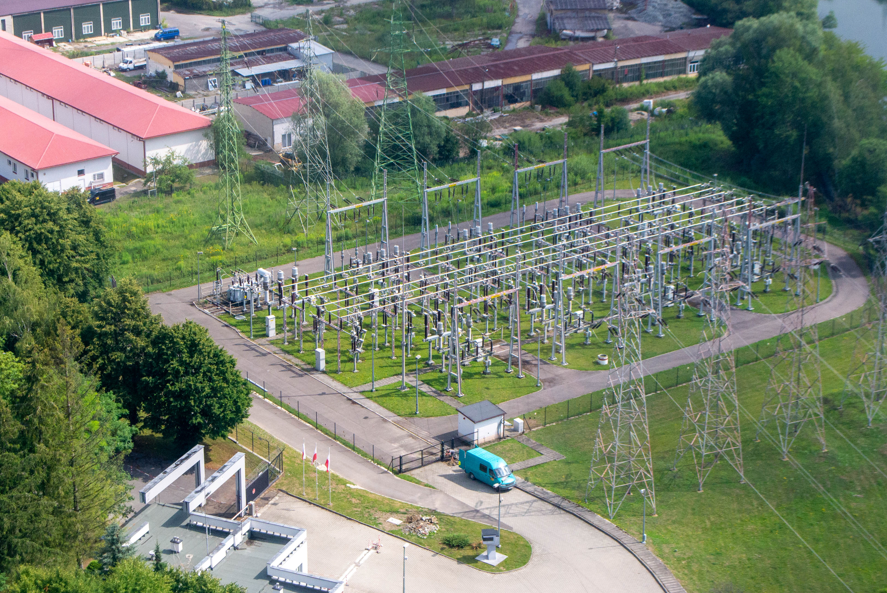
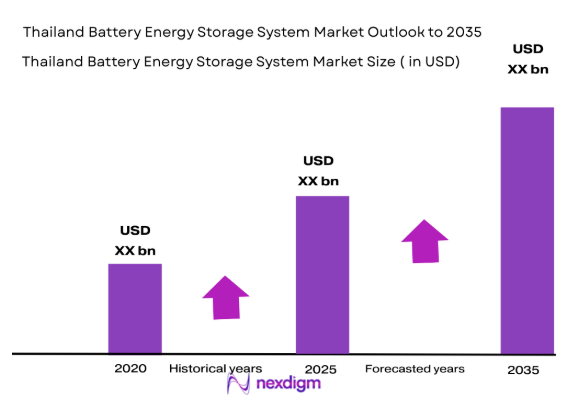
The Thailand Battery Energy Storage System market is experiencing steady growth due to increasing investments in renewable energy infrastructure and rising demand for efficient energy storage solutions. The market size for 2024 is valued at approximately USD ~ billion. This growth is fueled by government incentives, technological advancements in battery storage, and the need for improved grid reliability. As the country expands its renewable energy capacity, battery storage plays a crucial role in addressing energy fluctuations and enhancing grid stability.
Thailand’s dominance in the battery energy storage market can be attributed to its strategic location in Southeast Asia, strong governmental support, and growing industrial and residential energy demands. The country’s capital, Bangkok, along with other major urban centers like Chiang Mai and Phuket, are key drivers of market demand due to their rapid urbanization and high energy consumption. Additionally, government policies promoting clean energy adoption and infrastructure development have established Thailand as a regional leader in energy storage solutions.
Market Segmentation
By Product Type:
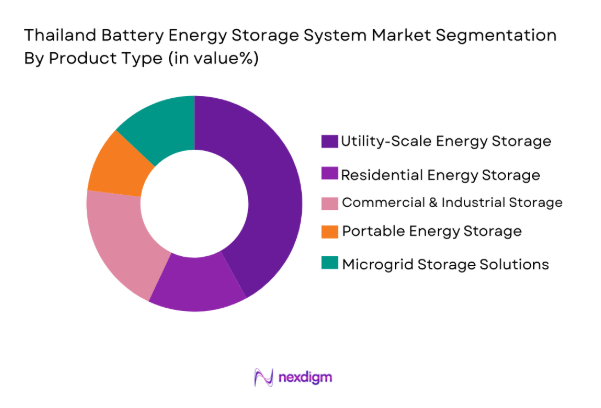
Thailand Battery Energy Storage System market is segmented by product type into Utility-Scale, Residential, Commercial & Industrial, Portable, and Microgrid Storage Solutions. The utility-scale segment has a dominant market share due to the high demand for large-scale energy storage systems that support grid stabilization and renewable energy integration. Utility-scale systems are crucial for mitigating the intermittency of renewable energy sources like solar and wind. Moreover, the large infrastructure projects backed by government investments have bolstered the growth of this segment. With Thailand’s commitment to increasing renewable energy capacity, utility-scale systems will remain pivotal in meeting the country’s energy storage needs.
By Platform Type:
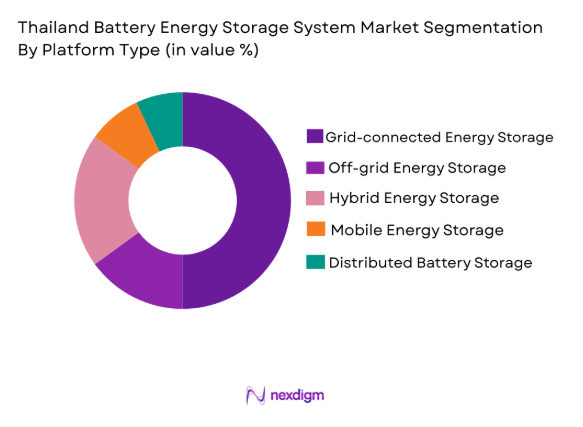
Thailand Battery Energy Storage System market is segmented by platform type into Grid-connected, Off-grid, Hybrid, Mobile, and Distributed Storage Platforms. The grid-connected segment dominates the market, driven by the growing integration of renewable energy sources and the need for grid stability. Grid-connected systems are widely used by utilities and commercial sectors to manage energy efficiently and ensure a reliable power supply. Government incentives and infrastructure developments further support the expansion of this platform. Additionally, as Thailand focuses on increasing renewable energy capacity, grid-connected systems play a critical role in balancing energy supply and demand, contributing to the sustainability of the national energy grid.
Competitive Landscape
The competitive landscape in the Thailand Battery Energy Storage System market is highly dynamic, characterized by both global and local players. These companies are increasingly focusing on strategic partnerships, technological innovations, and market expansion to consolidate their positions. The market is seeing investments in research and development to improve battery efficiency, reduce costs, and enhance the scalability of energy storage solutions. With government support and growing demand, major players continue to establish a strong foothold in the region.
| Company Name | Establishment Year | Headquarters | Technology Focus | Market Reach | Key Products | Revenue (USD) |
| Tesla | 2003 | Palo Alto, California | ~ | ~ | ~ | ~ |
| BYD | 1995 | Shenzhen, China | ~ | ~ | ~ | ~ |
| LG Chem | 1947 | Seoul, South Korea | ~ | ~ | ~ | ~ |
| Siemens AG | 1847 | Munich, Germany | ~ | ~ | ~ | ~ |
| Schneider Electric | 1836 | Rueil-Malmaison, France | ~ | ~ | ~ | ~ |
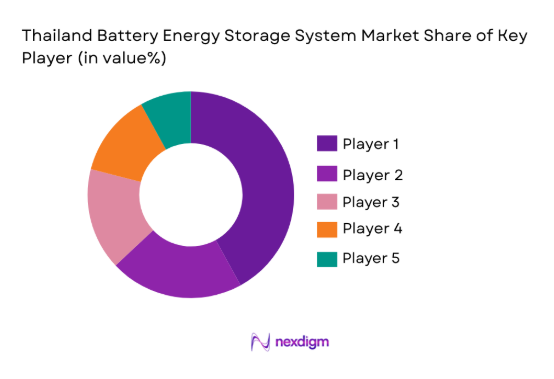
Thailand Battery Energy Storage System Market Analysis
Growth Drivers
Government Incentives:
Government incentives have played a significant role in driving the adoption of battery energy storage systems in Thailand. The country’s commitment to reducing its carbon footprint and increasing renewable energy generation has led to the implementation of several initiatives, such as tax rebates, subsidies, and grants for energy storage projects. These policies make it financially viable for both commercial and residential consumers to invest in energy storage solutions, which reduces the overall cost burden and accelerates the market’s growth. The Thai government has also committed to fostering a green economy, which includes substantial investments in renewable energy and energy storage. These initiatives have created a favorable environment for energy storage technologies to thrive, further boosting market demand. Additionally, as Thailand seeks to meet its renewable energy goals, the integration of energy storage systems becomes increasingly important to manage grid stability and ensure a reliable power supply, especially during periods of high demand or intermittent renewable energy generation. The robust support from the government is expected to continue, helping the market expand and encouraging more investments in energy storage solutions.
Technological Advancements:
Technological advancements in battery storage solutions are one of the primary growth drivers in Thailand. Innovations in energy storage technologies, particularly in lithium-ion and sodium-ion batteries, have made energy storage more efficient, affordable, and scalable. These improvements have directly contributed to the reduction of battery costs and the expansion of energy storage applications. Battery efficiency has also increased, making it possible to store and release energy in a more controlled manner, which is vital for the effective integration of renewable energy sources like solar and wind. Furthermore, advancements in smart grid technologies and energy management systems have enhanced the ability of energy storage systems to interact with the grid in real-time, ensuring better load management and reducing energy waste. As energy storage systems become more sophisticated and capable of handling larger storage capacities, the market is poised to benefit from further technological advancements that will drive down costs and improve performance. Research and development efforts continue to focus on increasing energy density, reducing charging times, and extending battery life, all of which will contribute to the growth and adoption of energy storage solutions in the region.
Market Challenges
High Initial Capital Investment:
One of the key challenges faced by the Thailand Battery Energy Storage System market is the high initial capital investment required to install large-scale battery storage solutions. Despite the growing demand for energy storage, the cost of purchasing and installing advanced battery systems remains prohibitive for many businesses and residential customers. While the technology has become more affordable over time, the initial upfront costs of these systems, including installation, maintenance, and infrastructure setup, can deter potential buyers. This challenge is particularly prominent in the utility-scale segment, where extensive infrastructure and large storage capacities are required. Additionally, the cost of ancillary equipment such as inverters and battery management systems adds to the total expense. This high initial capital requirement makes it difficult for smaller companies or low-income households to adopt these technologies, potentially limiting market growth. While government incentives and subsidies help mitigate some of these costs, the challenge remains significant for those who cannot take advantage of these programs. As the market matures, it is expected that economies of scale and technological advancements will reduce costs over time, but for now, the high upfront investment remains a key obstacle.
Regulatory and Policy Barriers:
Regulatory and policy barriers also pose challenges to the growth of the Thailand Battery Energy Storage System market. While the government has introduced initiatives to promote the use of renewable energy and storage solutions, the regulatory framework surrounding energy storage is still evolving. The lack of standardized policies, clear regulations, and incentives for storage system integration into existing infrastructure can create uncertainty for investors and developers. Moreover, the fragmented nature of the energy market in Thailand makes it difficult for energy storage systems to gain widespread adoption. Different regions and municipalities may have varying regulations regarding energy storage, which complicates the process for businesses looking to expand their operations across the country. Another issue is the slow pace of regulatory approvals for new energy storage projects, which can delay the implementation of new systems and hinder market growth. The Thai government’s commitment to creating a more transparent and efficient regulatory environment will be crucial in addressing these challenges and fostering the further development of the battery energy storage market.
Opportunities
Residential Energy Storage Solutions:
The demand for residential energy storage solutions presents a significant opportunity in the Thailand Battery Energy Storage System market. As energy prices continue to rise and more homeowners seek to become energy-independent, residential energy storage systems are gaining popularity. These systems allow homeowners to store excess energy generated from renewable sources like solar panels for later use, reducing their reliance on the grid and lowering electricity costs. Additionally, the increasing awareness of environmental sustainability and the benefits of clean energy is driving demand for energy-efficient homes. The Thai government’s push for green energy solutions and incentives for solar power adoption further enhances the attractiveness of residential energy storage solutions. By investing in home energy storage systems, Thai residents can reduce their carbon footprint, save on electricity bills, and contribute to the country’s renewable energy goals. As a result, the residential segment of the market is expected to grow significantly in the coming years. Innovations in battery technology, along with decreasing costs, will also make these systems more affordable and accessible to a wider range of consumers. This represents a valuable opportunity for manufacturers and service providers in the energy storage market to expand their offerings and tap into the growing demand for residential energy storage solutions.
Hybrid Energy Storage Systems:
Hybrid energy storage systems, which combine multiple types of energy storage technologies, are emerging as a key opportunity in Thailand’s energy storage market. These systems offer the best of both worlds, leveraging the strengths of different storage technologies, such as lithium-ion batteries and flow batteries, to provide a more efficient and flexible energy storage solution. The integration of hybrid systems allows for enhanced energy management and better performance under varying load conditions. Hybrid systems are particularly beneficial in regions where there is a high penetration of renewable energy sources, as they can help balance energy supply and demand by storing excess energy during peak production times and discharging it when demand is high. In Thailand, where renewable energy sources like solar and wind are being increasingly adopted, hybrid energy storage systems offer a viable solution to address the intermittent nature of these energy sources. Furthermore, hybrid systems can be designed to cater to different customer segments, including residential, commercial, and industrial applications, making them highly versatile. As demand for reliable and cost-effective energy storage solutions grows, hybrid energy storage systems are poised to play a crucial role in Thailand’s transition to a more sustainable energy grid.
Future Outlook
The future outlook for the Thailand Battery Energy Storage System market is promising, with continued growth driven by advances in technology, supportive government policies, and increasing investments in renewable energy. The market is expected to benefit from a growing focus on energy efficiency, grid reliability, and the integration of renewable energy sources. Technological advancements will continue to reduce costs, making energy storage more accessible to a broader range of consumers. With the government’s commitment to clean energy and infrastructure development, the demand for battery energy storage systems will remain robust. Moreover, as consumers and businesses increasingly prioritize energy independence and sustainability, the adoption of energy storage solutions will become more widespread, ensuring long-term growth for the market.
Major Players
- Tesla
- BYD
- LG Chem
- Siemens AG
- Schneider Electric
- ABB Ltd
- Fluence Energy
- Eaton Corporation
- Vestas Wind Systems
- GE Renewable Energy
- SMA Solar Technology
- NextEra Energy
- Mitsubishi Electric
- Panasonic Corporation
- Huawei Technologies
Key Target Audience
- Investments and venture capitalist firms
- Government and regulatory bodies
- Utilities and energy providers
- Commercial and industrial sectors
- Private energy storage solution providers
- Energy developers and system integrators
- Real estate developers
- Renewable energy companies
Research Methodology
Step 1: Identification of Key Variables
This step involves identifying the key factors that drive the market, including technology trends, regulatory frameworks, and consumer behavior patterns.
Step 2: Market Analysis and Construction
Market analysis is conducted using both primary and secondary data to understand market dynamics, size, and trends.
Step 3: Hypothesis Validation and Expert Consultation
Engagement with industry experts is crucial to validate findings and refine hypotheses about market direction.
Step 4: Research Synthesis and Final Output
Data synthesis is performed to generate actionable insights and create a detailed report with comprehensive findings.

- Executive Summary
- Research Methodology (Definitions, Scope, Industry Assumptions, Market Sizing Approach, Primary & Secondary Research Framework, Data Collection & Verification Protocol, Analytic Models & Forecast Methodology, Limitations & Research Validity Checks)

- Market Definition and Scope
- Value Chain & Stakeholder Ecosystem
- Regulatory / Certification Landscape
- Sector Dynamics Affecting Demand
- Strategic Initiatives & Infrastructure Growth

- Growth Drivers
Government incentives and regulatory support for renewable energy adoption
Technological advancements in battery efficiency and cost reduction
Increased demand for renewable energy integration and grid stabilization
Urbanization and rising energy demands in major Thai cities
Public-private partnerships accelerating infrastructure development - Market Challenges
High initial capital investment for large-scale battery storage projects
Limited local manufacturing capabilities for advanced energy storage technologies
Integration issues with existing grid infrastructure and management systems
Concerns over battery recycling and environmental impact of disposal
Energy policy and regulatory uncertainties in the long term - Market Opportunities
Expansion of renewable energy sources driving demand for storage systems
Growth in demand for residential and commercial energy independence
Government-led initiatives promoting energy storage as part of smart grid solutions - Trends
Increase in hybrid energy storage systems combining renewable and battery storage
Rise in the adoption of portable and mobile battery storage solutions
Integration of energy storage systems with electric vehicle charging infrastructure
Emerging interest in sodium-ion and solid-state batteries
Advanced AI-driven energy management solutions for efficient energy storage - Government Regulations & Defense Policy
Supportive policies for renewable energy integration
Regulatory frameworks for battery recycling and sustainability
Investment in energy storage infrastructure through government funding - SWOT Analysis
- Stakeholder and Ecosystem Analysis
- Porter’s Five Forces Analysis
- Competition Intensity and Ecosystem Mapping

- By Market Value, 2020-2025
- By Installed Units, 2020-2025
- By Average System Price, 2020-2025
- By System Complexity Tier, 2020-2025

- By System Type (In Value%)
Utility-Scale Battery Energy Storage Systems
Residential Battery Energy Storage Systems
Commercial & Industrial Battery Energy Storage Systems
Portable Battery Storage Systems
Microgrid Storage Solutions - By Platform Type (In Value%)
Grid-connected Battery Energy Storage
Off-grid Battery Energy Storage
Hybrid Battery Energy Storage
Mobile Battery Storage Solutions
Distributed Battery Storage Platforms - By Fitment Type (In Value%)
On-grid Energy Storage Systems
Off-grid Energy Storage Systems
Hybrid Energy Storage Systems
Integrated Energy Storage Solutions
Modular Energy Storage Systems - By EndUser Segment (In Value%)
Residential Consumers
Commercial & Industrial Users
Energy Providers and Utilities
Government and Public Sector
Private Sector Energy Firms - By Procurement Channel (In Value%)
Direct Procurement from Manufacturers
Third-party Distributors
Government Tenders and Auctions
Online Procurement Platforms
Private Sector Procurement - By Material / Technology (in Value%)
Lithium-ion Battery Storage
Lead Acid Battery Storage
Flow Battery Energy Storage
Solid State Battery Technology
Sodium-ion Battery Technology

- Market structure and competitive positioning
- Market share snapshot of major players
- CrossComparison Parameters (System Type, Platform Type, Procurement Channel, EndUser Segment, Fitment Type)
- SWOT Analysis of Key Competitors
- Pricing & Procurement Analysis
- Key Players
Tesla
Sungrow Power Supply Co., Ltd.
BYD Company Limited
LG Chem
Eaton Corporation
Siemens AG
Schneider Electric
SMA Solar Technology AG
VARTA AG
RWE AG
AES Energy Storage
Fluence Energy
GE Renewable Energy
NextEra Energy, Inc.
Mitsubishi Electric Corporation

- Demand for energy storage in residential and small-scale applications
- Utility companies’ role in supporting large-scale energy storage projects
- Private sector’s investment in storage for commercial energy savings
- Government focus on infrastructure projects to expand energy storage networks

- Forecast Market Value, 2026-2035
- Forecast Installed Units, 2026-2035
- Price Forecast by System Tier, 2026-2035
- Future Demand by Platform, 2026-2035


 Request a Sample
 Ask for Customization
 Get a Quote
 Enquire Now