
 Download PDF
 Download PDF
Market Overview
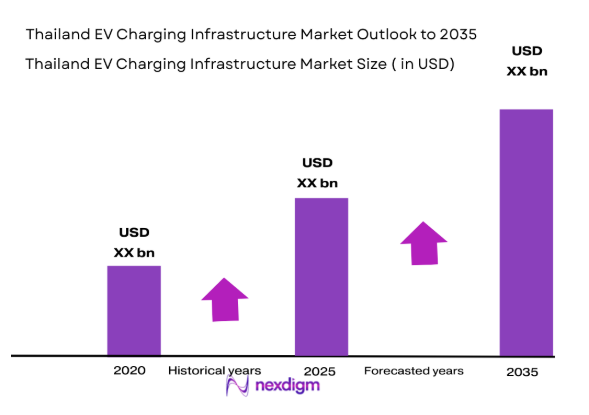
The market for EV charging infrastructure in Thailand is experiencing significant growth due to the rising adoption of electric vehicles, backed by government incentives and increasing environmental concerns. The market is valued in billions ~ USD, driven by the development of fast-charging stations and the push for greener transportation solutions. The demand for these services is increasing across urban and rural areas, supported by the expansion of EV fleets and favorable regulatory policies that aim to reduce carbon emissions and promote renewable energy use.
Thailand is emerging as a key player in the Southeast Asian electric vehicle ecosystem, with significant government investment in EV infrastructure. Cities like Bangkok, Chiang Mai, and Phuket are leading the way in terms of infrastructure development due to their higher EV adoption rates and government incentives. The dominance of these cities is a result of their well-established urban infrastructure, higher environmental awareness, and the local government’s support for EV adoption, making them central hubs for the growth of EV charging stations.
Market Segmentation
By Product Type:
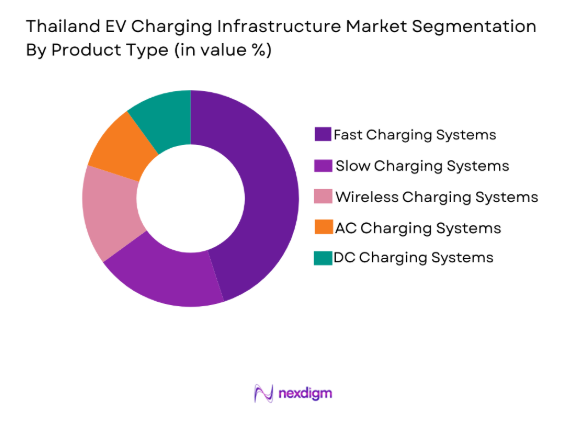
Thailand EV Charging Infrastructure market is segmented by product type into fast charging systems, slow charging systems, wireless charging systems, AC charging systems, and DC charging systems. Recently, fast charging systems have a dominant market share due to factors such as higher demand for quick charging solutions and advancements in charging technology. With increasing consumer demand for shorter charging times and the growing number of electric vehicles on the roads, fast charging systems are becoming essential for wide-scale EV adoption, providing convenience for consumers and supporting the overall market growth.
By Platform Type:
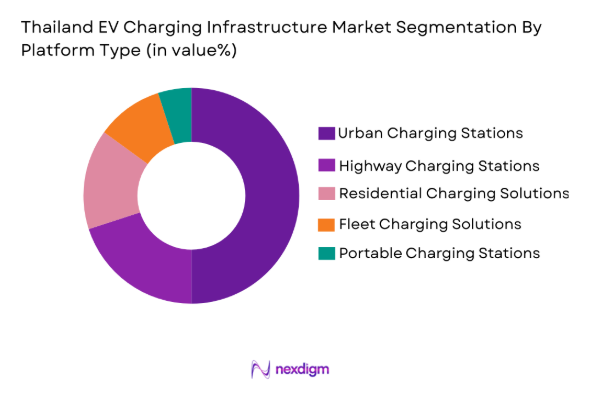
The Thailand EV Charging Infrastructure market is segmented by platform type into urban charging stations, highway charging stations, residential charging solutions, fleet charging solutions, and portable charging stations. Urban charging stations dominate the market due to their strategic placement in high-traffic areas and the growing demand for EV charging in cities like Bangkok. The ease of access and convenience provided by these stations make them essential for widespread EV adoption. As the market grows, urban charging infrastructure continues to drive the most significant share in the market.
Competitive Landscape
The EV charging infrastructure market in Thailand is highly competitive, with major players focused on enhancing the speed, efficiency, and availability of charging stations. As consolidation continues, large firms are investing heavily in expanding their infrastructure networks, while smaller players focus on niche areas such as wireless charging. The influence of established global brands is driving the rapid development of EV charging solutions in Thailand, leading to a more competitive environment for local players.
| Company Name | Establishment Year | Headquarters | Technology Focus | Market Reach | Key Products | Revenue (USD) | Additional Parameter |
| ChargePoint | 2007 | USA | ~ | ~ | ~ | ~ | ~ |
| Tesla Supercharger | 2006 | USA | ~ | ~ | ~ | ~ | ~ |
| ABB Group | 1988 | Switzerland | ~ | ~ | ~ | ~ | ~ |
| Siemens AG | 1847 | Germany | ~ | ~ | ~ | ~ | ~ |
| Schneider Electric | 1836 | France | ~ | ~ | ~ | ~ | ~ |
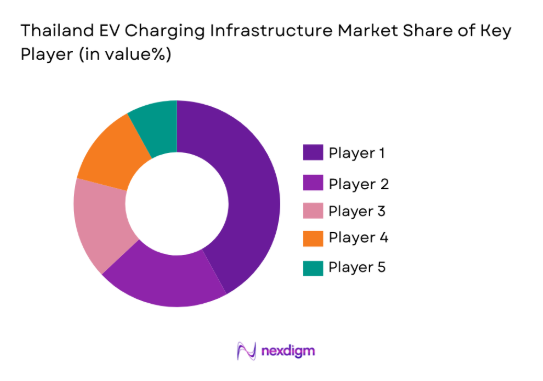
Thailand EV Charging Infrastructure Market Analysis
Growth Drivers
Government Incentives for EV Adoption:
The Thai government has actively introduced multiple initiatives to boost the adoption of electric vehicles (EVs), including tax breaks, subsidies for EV purchases, and financial support for establishing charging infrastructure. These incentives have played a pivotal role in making EVs more affordable for consumers and promoting the development of EV charging stations. The government’s forward-thinking policies, such as waiving import duties on EVs, further reduce the cost of ownership and encourage individuals and businesses to transition to electric vehicles. Additionally, the government’s growing focus on reducing carbon emissions and improving air quality aligns with global sustainability goals. As part of the government’s broader strategy to combat climate change, financial backing for the establishment of charging stations has helped lay the foundation for a more extensive EV ecosystem. These initiatives foster a favorable business environment for the growth of the EV charging infrastructure market, creating new opportunities for service providers and enhancing consumer accessibility across urban and rural regions. With the ongoing rise in awareness around environmental issues, the public’s demand for sustainable solutions continues to grow. This government support, coupled with a rise in eco-conscious consumers, is expected to further fuel the demand for both electric vehicles and charging infrastructure, propelling market growth in the coming years.
Technological Advancements in Charging Infrastructure:
Technological advancements have been a major factor driving the expansion of EV charging infrastructure in Thailand. Innovations such as ultra-fast charging stations, wireless charging technology, and smart energy management systems have improved the convenience and efficiency of EV charging. Ultra-fast charging stations, in particular, significantly reduce charging times, making EVs more appealing to consumers who may have concerns about long recharging periods. These innovations enhance the convenience and usability of EVs, encouraging more individuals and businesses to adopt them. The growth of smart energy management systems, which optimize the operation of charging stations by balancing demand, supply, and costs, also plays a crucial role in improving infrastructure efficiency. These systems can integrate with the national grid to reduce energy consumption during peak times and ensure the sustainability of charging stations. Furthermore, the development of wireless charging technology provides additional convenience by eliminating the need for physical connectors, making the charging process more user-friendly and accessible. As these technologies continue to evolve, the market will see further advancements that make EVs and charging stations more efficient, less expensive to maintain, and easier to use, thereby accelerating the transition to electric mobility in Thailand.
Market Challenges
High Initial Investment Costs:
One of the primary challenges in the development of EV charging infrastructure in Thailand is the high initial investment required for setting up charging stations. The costs associated with acquiring land, installing charging equipment, and establishing the necessary power infrastructure can be significant, which makes it a deterrent for many potential investors. The investment required to develop fast-charging stations, in particular, is substantial due to the complexity of the technology and the need for specialized equipment. While the Thai government provides financial incentives and subsidies to mitigate some of these costs, the initial capital expenditure still remains high, especially for smaller businesses and entrepreneurs. In addition to these costs, the maintenance of charging stations—especially fast-charging units that require constant upgrading to meet the demands of increasing EV adoption—adds another layer of financial burden. Moreover, the cost of integrating new technology, such as renewable energy sources and wireless charging solutions, into existing infrastructure can be prohibitive. This high cost of entry has led to slower-than-expected growth in charging infrastructure, particularly in rural and less economically developed areas, where demand for EVs is lower. Public-private partnerships have been suggested as a potential solution to help reduce the financial burden, but their implementation across Thailand remains inconsistent, further hampering growth in these regions.
Regulatory and Compliance Barriers:
The regulatory landscape surrounding EV charging infrastructure in Thailand presents another significant challenge. The lack of standardized regulations for the construction and operation of EV charging stations across the country complicates the process for businesses looking to invest in the market. Different regions and municipalities in Thailand have varying regulatory requirements, leading to delays and uncertainties for operators who wish to expand their charging networks. Additionally, certification processes for equipment and the compliance requirements for environmental and safety standards can be time-consuming and costly, further deterring new players from entering the market. The lack of clear, unified regulations also makes it challenging for businesses to plan long-term investments and expansion strategies. To overcome these regulatory hurdles, the Thai government would need to create and enforce a consistent regulatory framework for EV charging infrastructure that ensures ease of operation and encourages investment. While some progress has been made in terms of setting standards for EV chargers and promoting government support for the infrastructure, more work is needed to simplify and harmonize the regulatory environment across the country, enabling smoother deployment and operation of charging stations.
Opportunities
Expansion of EV Charging Networks in Underserved Regions:
One of the most significant opportunities in the Thai EV charging infrastructure market is the expansion of charging stations into underserved regions, particularly rural and remote areas. While urban centers like Bangkok have seen rapid growth in charging infrastructure, there is still a notable lack of charging stations in less populated and economically developed regions. These underserved areas present an untapped market for businesses looking to expand their networks and increase EV adoption beyond major metropolitan areas. With the government’s push to develop more sustainable and clean energy solutions, there is increasing support for extending EV charging infrastructure into rural areas, where the infrastructure is often lacking. As more charging stations are installed, the convenience of owning an electric vehicle in these areas will increase, thus encouraging greater adoption. The government is expected to continue to offer incentives and funding to support infrastructure development in rural regions, which provides a unique opportunity for service providers to play a role in the nation’s transition to electric mobility. This expansion also aligns with broader sustainability goals, as it helps reduce the country’s carbon footprint and fosters more inclusive growth. Moreover, partnerships with local municipalities and private enterprises could help accelerate the rollout of charging stations in these underserved regions, making EVs more accessible to a wider demographic and creating new opportunities for the market.
Development of Integrated Charging Solutions:
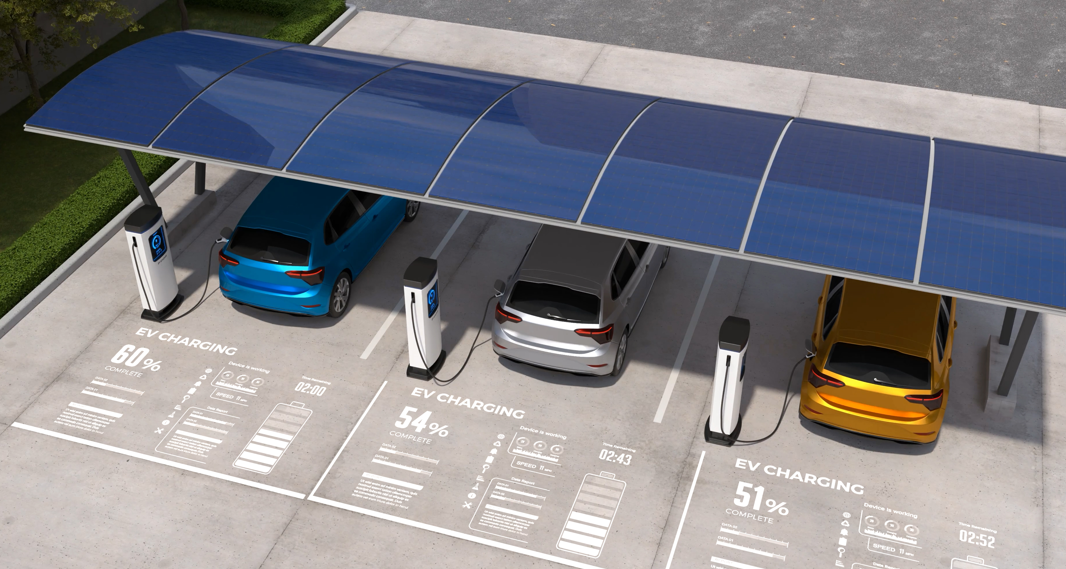
As the EV market grows, there is a significant opportunity to develop integrated charging solutions that combine charging stations with renewable energy sources such as solar or wind power. This approach would address the energy consumption challenges associated with running large numbers of charging stations and provide a more sustainable solution for the growing demand for EV infrastructure. Renewable energy-powered charging stations could also help reduce the dependency on the national grid, lowering the costs and environmental impact of operating the stations. By integrating solar panels, energy storage systems, and EV charging stations, companies can create eco-friendly charging hubs that provide more energy-efficient solutions to consumers. This innovation not only helps support the nation’s renewable energy goals but also provides a competitive advantage for companies that can offer sustainable, future-proof infrastructure solutions. Additionally, the integration of smart grid technologies into charging solutions can help optimize energy use, balance loads, and reduce operational costs. The growing demand for sustainable solutions and the Thai government’s focus on clean energy adoption make this an attractive opportunity for investors, service providers, and energy companies to collaborate and create integrated charging solutions that will drive further market growth.
Future Outlook
Over the next five years, the Thai EV charging infrastructure market is expected to experience substantial growth, driven by an increase in electric vehicle adoption and continuous government support. The market will see a rise in technological developments, such as the introduction of ultra-fast charging stations and improvements in energy management systems. Regulatory support, particularly in the form of financial incentives and environmental policies, will continue to encourage the expansion of EV charging networks across the country. On the demand side, rising consumer awareness and the growing need for sustainable transportation solutions will drive further demand for EVs, directly influencing the growth of charging infrastructure. As Thailand continues its commitment to reducing its carbon footprint, the future outlook for EV charging infrastructure remains positive, with ongoing innovation, investment, and government backing expected to propel the market forward.
Major Players
- ChargePoint
- Tesla Supercharger Network
- ABB Group
- Siemens AG
- Schneider Electric
- Wallbox
- BP Chargemaster
- Engie
- XCharge
- Greenlots
- Nio
- Shell New Energies
- Tata Power
- Delta Electronics
- Hyundai Motor Company
Key Target Audience
- Investments and venture capitalist firms
- Government and regulatory bodies
- Electric vehicle manufacturers
- Commercial vehicle fleet operators
- EV infrastructure service providers
- Real estate developers
- Automotive technology developers
- Renewable energy firms
Research Methodology
Step 1: Identification of Key Variables
The key variables influencing the market, such as government incentives, EV adoption rates, and infrastructure development trends, are identified through a detailed analysis of the market landscape and available data.
Step 2: Market Analysis and Construction
The market size is estimated based on available data, including current infrastructure capabilities, growth trends in EV adoption, and future projections from government policies and industry forecasts.
Step 3: Hypothesis Validation and Expert Consultation
Key assumptions regarding market drivers and challenges are validated through consultations with industry experts, stakeholders, and government officials.
Step 4: Research Synthesis and Final Output
All collected data is synthesized into a comprehensive report, including insights on market growth, trends, challenges, and opportunities.

- Executive Summary
- Research Methodology (Definitions, Scope, Industry Assumptions, Market Sizing Approach, Primary & Secondary Research Framework, Data Collection & Verification Protocol, Analytic Models & Forecast Methodology, Limitations & Research Validity Checks)

- Market Definition and Scope
- Value Chain & Stakeholder Ecosystem
- Regulatory / Certification Landscape
- Sector Dynamics Affecting Demand
- Strategic Initiatives & Infrastructure Growth

- Growth Drivers
Government incentives for EV adoption
Increasing demand for sustainable transportation
Technological advancements in EV battery capacity
Expansion of electric vehicle fleets in the commercial sector
Strategic collaborations with private sector players - Market Challenges
High initial investment costs for infrastructure
Lack of widespread charging infrastructure
Regulatory and compliance challenges
Limited charging options in rural areas
Technological challenges in achieving interoperability - Market Opportunities
Expansion of EV charging networks in underserved regions
Government policies promoting renewable energy integration
Technological advancements in wireless charging systems - Trends
Integration of smart grid technologies in EV charging stations
Development of ultra-fast charging solutions
Increase in the use of renewable energy for charging stations
Growth in EV charging infrastructure in urban areas
Enhanced focus on EV fleet charging solutions - Government Regulations & Defense Policy
Government incentives for EV infrastructure development
Regulatory framework for EV charging standardization
Environmental policies supporting clean energy adoption - SWOT Analysis
- Stakeholder and Ecosystem Analysis
- Porter’s Five Forces Analysis
- Competition Intensity and Ecosystem Mapping

- By Market Value, 2020-2025
- By Installed Units, 2020-2025
- By Average System Price, 2020-2025
- By System Complexity Tier, 2020-2025

- By System Type (In Value%)
Fast Charging Systems
Slow Charging Systems
Wireless Charging Systems
AC Charging Systems
DC Charging Systems - By Platform Type (In Value%)
Urban Charging Stations
Highway Charging Stations
Residential Charging Solutions
Fleet Charging Solutions
Portable Charging Stations - By Fitment Type (In Value%)
Public Charging Stations
Private Charging Stations
Integrated Charging Solutions
Commercial Charging Infrastructure
Fleet Charging Infrastructure - By EndUser Segment (In Value%)
Electric Vehicle Manufacturers
Commercial EV Users
Government and Public Sector
Private Sector / Technology Firms
Charging Infrastructure Operators - By Procurement Channel (In Value%)
Direct Procurement
Government Tenders
Private Sector Procurement
Online Bidding Platforms
Third-party Distributors - By Material / Technology (In Value%)
Battery Technology
Power Electronics
Charging Software Platforms
Energy Management Systems
Electrical Components

- Market structure and competitive positioning
- Market share snapshot of major players
- CrossComparison Parameters (System Type, Platform Type, Procurement Channel, EndUser Segment, Fitment Type)
- SWOT Analysis of Key Competitors
- Pricing & Procurement Analysis
- Key Players
ChargePoint
Tesla Supercharger Network
ABB Group
Siemens AG
Shell New Energies
BP Chargemaster
Nissan
Schneider Electric
Eaton Corporation
Greenlots
Wallbox
XCharge
Engie
Tata Power
Delta Electronics

- Commercial EV users demanding increased charging infrastructure
- Electric vehicle manufacturers investing in strategic partnerships
- Government involvement in public infrastructure development
- Private sector pushing for greener transportation solutions

- Forecast Market Value, 2026-2035
- Forecast Installed Units, 2026-2035
- Price Forecast by System Tier, 2026-2035
- Future Demand by Platform, 2026-2035


 Request a Sample
 Ask for Customization
 Get a Quote
 Enquire Now