

 Download PDF
Market Overview
The Thailand laminated glass market refers to the production, processing, distribution, and application of safety glass products manufactured by bonding two or more glass layers with interlayers such as PVB, EVA, SGP, or TPU. These products provide enhanced safety, acoustic insulation, solar control, and security performance for architectural, automotive, and specialty applications. The market covers laminated glass used in residential towers, commercial buildings, airports, transport infrastructure, automotive windshields, government facilities, and premium construction developments. Laminated glass is increasingly preferred over conventional glass due to its ability to retain fragments after breakage and support modern building safety requirements.
Market Segmentation
By Application Type
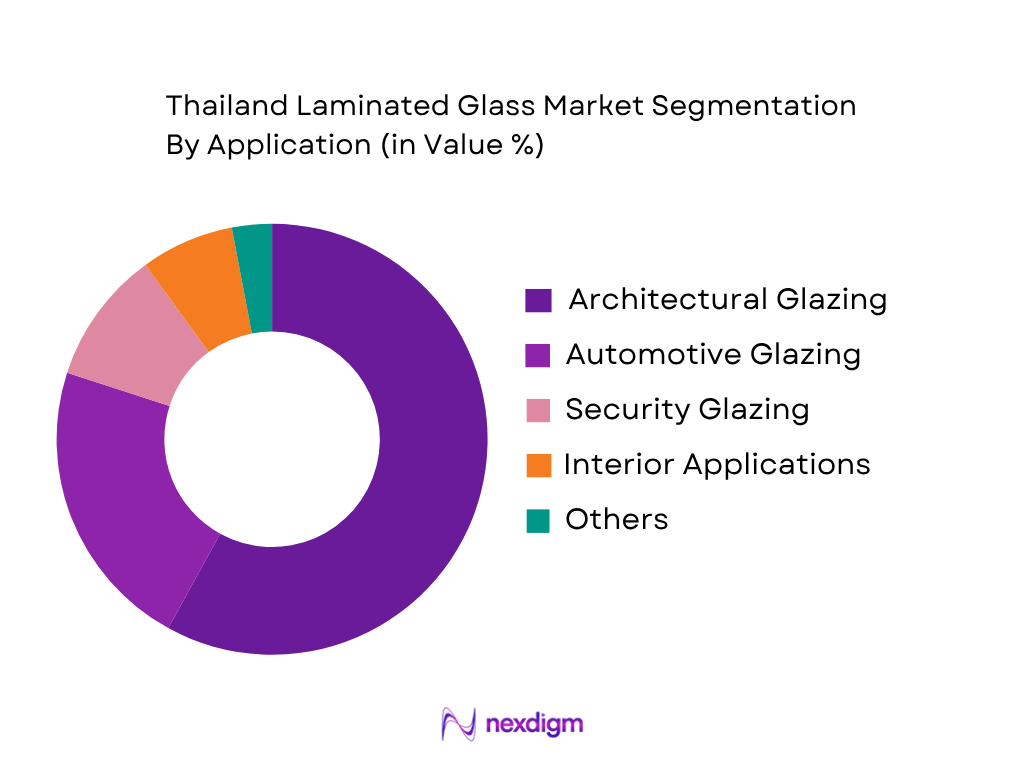
The Thailand laminated glass market is segmented into architectural glazing, automotive glazing, security glazing, interior applications, and specialty applications. Architectural glazing represents the leading application segment due to the increasing construction of high-rise residential buildings, commercial towers, hotels, and mixed-use developments in Metro Manila, Cebu, and other urban centers. Laminated glass is extensively used in curtain walls, windows, skylights, balustrades, and facade systems because of its safety retention properties and acoustic performance. Expansion of premium real estate developments and demand for energy-efficient building envelopes further support adoption. Automotive glazing also contributes significantly due to safety regulations and increasing vehicle production activities. Security glazing applications are expanding in government buildings, financial institutions, and critical infrastructure projects requiring enhanced impact resistance.
By Interlayer Type
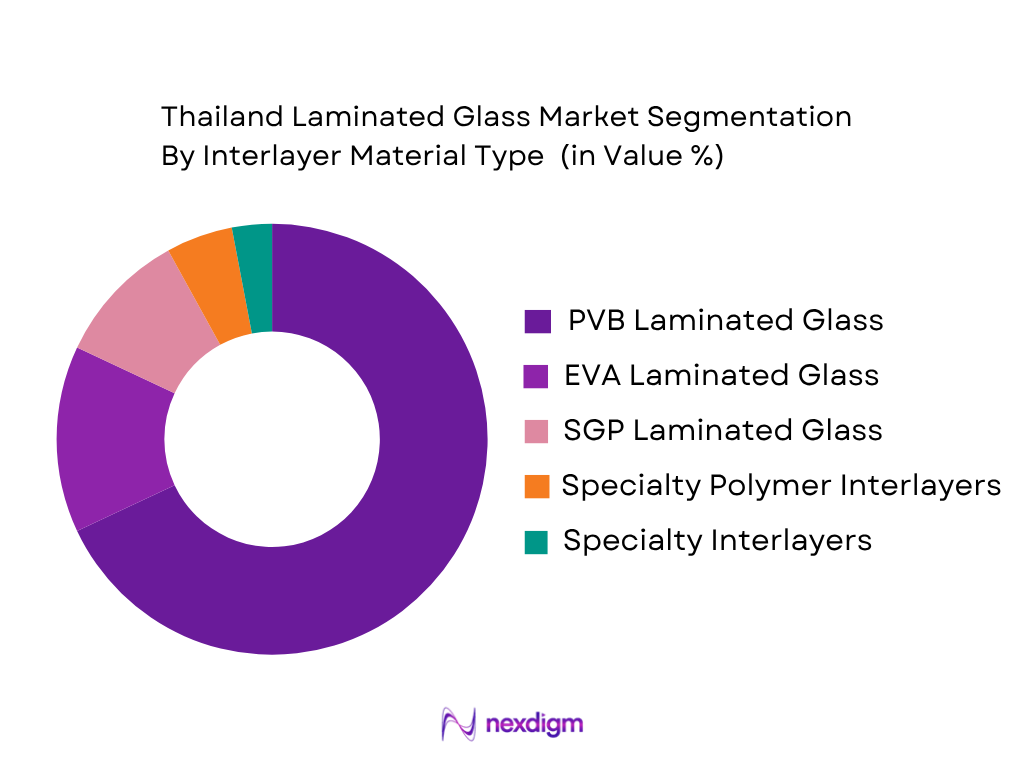
The Thailand laminated glass market is segmented by PVB, EVA, SGP, TPU, and specialty interlayers. PVB laminated glass dominates due to its widespread use in architectural and automotive safety applications. PVB provides strong adhesion, optical clarity, sound reduction, and post-breakage safety performance, making it suitable for building facades, windows, and vehicle windshields. EVA laminated glass is increasingly utilized for decorative and specialty applications because of its compatibility with different materials and design flexibility. SGP interlayers are gaining importance in structural glazing and security applications requiring higher mechanical strength. Specialty interlayers including acoustic and solar-control variants are expected to gain adoption as developers increasingly prioritize green building performance and occupant comfort.
Competitive Landscape
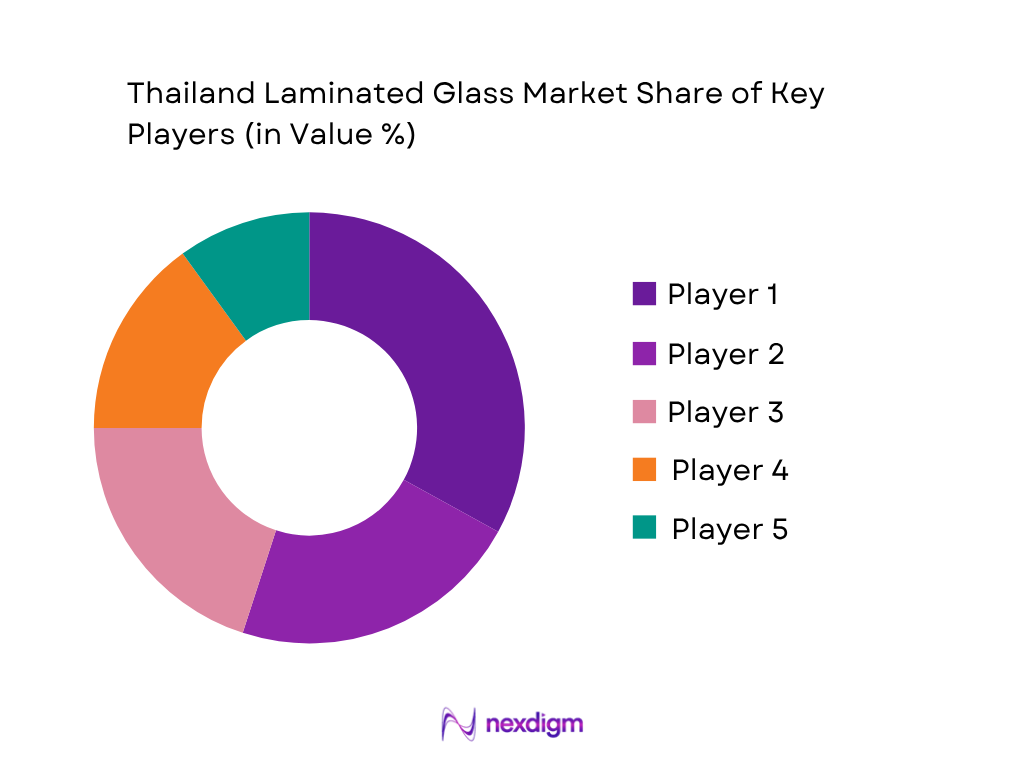
The Thailand laminated glass market is characterized by the presence of global flat glass manufacturers, regional glass processors, and domestic fabrication companies supplying architectural, automotive, and specialty glazing applications. International players such as AGC, Saint-Gobain, NSG Group, Guardian Glass, and Şişecam influence the market through advanced laminated glass technologies, solar-control solutions, automotive glazing capabilities, and extensive distribution networks. (Research and Markets) Domestic processors compete by offering customized fabrication, project-based solutions, installation services, and localized supply support for Thailand’s construction and automotive sectors.
| Company | Establishment Year | Headquarters | Major Product Portfolio | Thailand Market Presence | Key Application Areas | Technology Capability | Distribution Strength |
| AGC Inc. | 1907 | Tokyo, Japan | ~ | ~ | ~ | ~ | ~ |
| Saint-Gobain Glass | 1665 | Courbevoie, France | ~ | ~ | ~ | ~ | ~ |
| NSG Group / Pilkington | 1918 | Tokyo, Japan | ~ | ~ | ~ | ~ | ~ |
| Guardian Glass | 1932 | Auburn Hills, USA | ~ | ~ | ~ | ~ | ~ |
| Thai-German Glass / Local Fabricators | Various | Thailand | ~ | ~ | ~ | ~ | ~ |
Thailand Laminated Glass Market Analysis
Growth Drivers
Rapid Urbanization and High-Rise Construction Development
The Thailand laminated glass market is supported by increasing urban development, expansion of commercial infrastructure, and rising adoption of safety glazing solutions in modern buildings. Construction activity in Bangkok, Phuket, Pattaya, and other metropolitan areas is increasing demand for laminated glass in facades, curtain walls, windows, skylights, and interior partitions. Thailand’s construction sector benefits from infrastructure investment, tourism-related developments, and residential condominium projects requiring advanced glazing systems. The adoption of laminated glass is further encouraged by stricter building safety requirements and the need for improved acoustic and thermal performance. Thailand’s economy recorded GDP growth of approximately USD 515 billion in 2024, supporting continued investment in real estate and infrastructure projects. The country’s manufacturing sector contributes around one-fourth of economic output, creating demand for industrial, commercial, and automotive glazing applications. High-rise construction projects increasingly incorporate laminated glass due to its safety retention characteristics, impact resistance, and compatibility with energy-efficient building designs. The expansion of premium developments and urban regeneration projects continues to create opportunities for laminated glass processors, facade contractors, and architectural solution providers. (Reuters)
Expansion of Automotive Manufacturing and Safety Glass Adoption
Automotive production expansion remains a significant growth driver for Thailand laminated glass demand as the country continues to operate as a major vehicle manufacturing hub in Southeast Asia. Laminated glass is extensively used in automotive windshields due to its ability to maintain structural integrity after impact, reduce noise, and improve passenger safety. Thailand’s automotive ecosystem includes vehicle assembly plants, component manufacturers, and export-oriented production facilities that require advanced glazing materials. The country produced millions of vehicles annually before recent manufacturing adjustments, supporting continued demand for automotive safety glass applications. The transition toward electric vehicles is also increasing demand for lightweight and advanced glazing technologies, including laminated solutions integrated with acoustic and solar-control properties. Thailand’s industrial base, supported by manufacturing activities representing nearly 25% of GDP, provides a strong foundation for automotive glass applications. Increasing adoption of premium vehicles, electric mobility platforms, and advanced driver assistance systems further supports demand for high-performance laminated windshields and specialty automotive glazing solutions. (Reuters)
Market Challenges
Dependence on Imported Float Glass and Specialty Interlayers
The Thailand laminated glass market faces challenges due to dependence on imported specialty materials, including advanced interlayers such as PVB, SGP, EVA, and TPU, along with specific grades of float glass required for premium applications. Although Thailand has an established glass processing ecosystem, advanced laminated glass production requires specialized raw materials and technologies that are often sourced internationally. Import dependency exposes manufacturers to supply chain disruptions, currency fluctuations, and logistics constraints. The challenge is particularly significant for high-performance products such as acoustic laminated glass, security glazing, and solar-control laminated glass, which require specialized interlayer formulations. Thailand’s manufacturing sector has experienced pressure from global supply chain changes and competitive imports, affecting industrial producers across multiple sectors. Additionally, advanced glass processing requires investment in autoclaves, clean-room facilities, cutting equipment, and quality testing systems, creating entry barriers for smaller processors. These factors limit rapid expansion of domestic laminated glass capabilities and increase reliance on international suppliers for premium-grade products. (Reuters)
High Processing Investment Requirements and Competition from Alternative Glass Products
The Thailand laminated glass market encounters challenges from high capital requirements associated with manufacturing, processing, and quality certification. Laminated glass production requires specialized equipment for glass preparation, interlayer assembly, vacuum processing, and autoclave bonding. These requirements increase operational complexity compared with conventional tempered glass products. Tempered glass remains a competitive alternative due to lower processing complexity and widespread availability across construction applications. Developers and contractors managing cost-sensitive projects may select tempered solutions instead of laminated systems, particularly for standard glazing requirements. The challenge is amplified by the need for skilled technicians capable of handling precision fabrication, installation, and quality inspection. Building projects involving large facade panels, curved glass, or safety-certified glazing require specialized expertise and transportation capabilities. Thailand’s construction market increasingly demands internationally compliant glazing systems, requiring processors to maintain advanced testing and certification capabilities. These factors create operational barriers while encouraging companies to focus on differentiated applications such as security glazing, acoustic solutions, and premium architectural projects. (6Wresearch)
Market Opportunities
Expansion of Green Building Glass Solutions
The Thailand laminated glass market has significant opportunities through increasing adoption of energy-efficient and sustainable building materials. Green building development is encouraging architects and developers to integrate glazing solutions that improve thermal performance, reduce energy consumption, and enhance occupant comfort. Laminated glass with solar-control interlayers, low-emissivity coatings, and acoustic properties is gaining relevance in commercial towers, hotels, hospitals, and smart buildings. Thailand’s focus on sustainable urban development and energy efficiency creates opportunities for advanced glazing suppliers. Construction glass demand across Asia Pacific is being supported by urbanization, infrastructure development, and increasing adoption of energy-efficient glass technologies. (MarketsandMarkets) Laminated glass manufacturers can expand through solutions designed for tropical climates, where solar heat reduction and noise control are important requirements. Premium commercial developments in Bangkok and tourism-focused projects in Phuket and Pattaya provide additional applications for high-performance architectural glazing. Future opportunities exist in supplying customized laminated glass systems for green-certified buildings, smart buildings, and sustainable construction projects requiring enhanced environmental performance.
Growth of Premium Architectural Facades and Smart Laminated Glass Applications
Thailand’s premium real estate, hospitality, and commercial construction sectors create opportunities for advanced laminated glass applications in architectural facades and smart building systems. Modern developers increasingly require glazing solutions that combine aesthetics, safety, acoustic control, and energy efficiency. Laminated glass enables architects to design large transparent facades while maintaining safety standards and structural performance. Demand is increasing for solar-control laminated glass, acoustic laminated glass, decorative laminated glass, and smart glass solutions incorporating switchable technologies. The growth of luxury hotels, mixed-use developments, and premium office buildings in Bangkok and major tourism destinations supports adoption of advanced facade systems. The broader laminated glass industry is increasingly driven by construction applications, with building and infrastructure projects representing a major demand area globally. (Zion Market Research) Thailand’s continued infrastructure modernization and urban development provide opportunities for local processors to expand fabrication capabilities and develop specialized solutions. Additional opportunities include security glazing for government buildings, transportation facilities, and critical infrastructure projects requiring higher levels of protection and durability.
Future Outlook
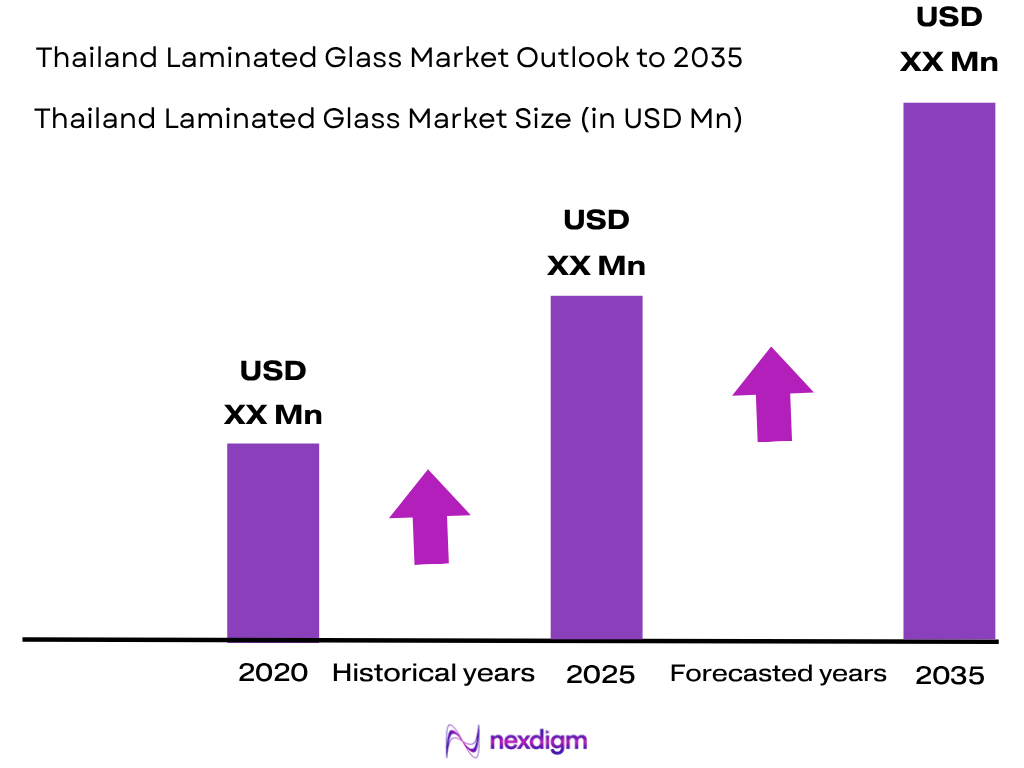
The Thailand laminated glass market is expected to witness steady expansion driven by increasing construction activity, urban redevelopment, automotive manufacturing growth, and rising demand for safety-oriented glazing solutions. Future demand will be supported by premium architectural projects, energy-efficient building requirements, and adoption of advanced laminated glass products including solar-control, acoustic, and security glazing systems. The market is also expected to benefit from the transition toward smart buildings, electric mobility, and sustainable construction practices, encouraging manufacturers to develop higher-performance glazing solutions.
Major Players
- AGC Inc.
- Saint-Gobain Glass
- NSG Group / Pilkington
- Guardian Glass
- Şişecam
- Fuyao Glass Industry Group
- Xinyi Glass Holdings
- Central Glass Co., Ltd.
- Taiwan Glass Industry Corporation
- Vitro Architectural Glass
- Kibing Group
- C.R. Laurence (CRL)
- H.B. Fuller / Specialty Adhesive Solutions
- Thai Asahi Glass Public Company Limited
- Local Thailand Glass Fabricators and Processors
Key Target Audience
- Architectural Glass Manufacturers and Fabricators
- Automotive Glass Manufacturers and Vehicle Component Suppliers
- Construction Developers and Real Estate Companies
- Facade Engineering Companies and Curtain Wall Contractors
- Glass Processing Equipment Manufacturers and Technology Providers
- Investments and Venture Capitalist Firms (Construction Materials Funds, Industrial Technology Investors, Infrastructure Investment Funds)
- Government and Regulatory Bodies (Ministry of Industry Thailand, Department of Public Works and Town & Country Planning Thailand, Office of Natural Resources and Environmental Policy and Planning)
- Building Material Distributors and Specialty Glass Importers
Research Methodology
Step 1: Identification of Key Variables
The initial phase involves developing an ecosystem map covering laminated glass manufacturers, processors, raw material suppliers, construction developers, automotive OEMs, facade contractors, and distribution channels operating within Thailand. Extensive secondary research is conducted to identify demand indicators including construction activity, automotive production trends, infrastructure investments, and adoption of safety glazing standards.
Step 2: Market Analysis and Construction
In this phase, historical market information is analyzed through supply-side and demand-side assessment. The evaluation includes laminated glass production capacity, import dependency, application-wise consumption patterns, product categories, interlayer technologies, and end-use industry demand from construction, automotive, and specialty applications.
Step 3: Hypothesis Validation and Expert Consultation
Market assumptions are validated through discussions with industry participants including glass manufacturers, fabricators, contractors, automotive suppliers, and technical experts. These consultations provide operational insights regarding product preferences, procurement behavior, installation requirements, competitive positioning, and future technology adoption.
Step 4: Research Synthesis and Final Output
The final stage integrates primary and secondary findings to develop a comprehensive Thailand laminated glass market assessment. Data points are validated through triangulation of industry interviews, company information, trade data, construction indicators, and automotive sector developments to ensure accurate market representation.

- Executive Summary
- Research Methodology (Market Definition and Scope, Thailand Laminated Glass Market Classification, Architectural Glass Demand Assessment, Automotive Laminated Glass Consumption Mapping, Safety Glazing Requirement Assessment, Green Building Glass Demand Evaluation, Domestic Glass Processing Capacity Analysis, Float Glass and Interlayer Import Dependency Assessment, PVB EVA SGP and Specialty Interlayer Material Mapping, Glass Fabrication and Lamination Technology Assessment, Construction Pipeline Analysis, Automotive Production Base Assessment, End-Use Application Demand Mapping, Primary Industry Interviews, Bottom-Up Market Sizing, Top-Down Market Validation, Trade Flow Analysis, Data Triangulation, Pricing Assessment, Forecasting Framework)

- Definition and Scope
- Thailand Laminated Glass Industry Evolution
- Thailand Laminated Glass Value Chain Analysis
- Thailand Laminated Glass Supply Chain Analysis

- Growth Drivers (Expansion of Bangkok High-Rise Construction, Eastern Economic Corridor Infrastructure Development, Growth of Automotive Manufacturing Hub, Increasing Safety Glass Adoption, Expansion of Commercial Real Estate Projects, Hospitality Infrastructure Development, Increasing Green Building Adoption, Demand for Solar Control Glass in Tropical Climate Conditions, Growth of Premium Architectural Facades, Replacement of Conventional Glass with Safety Laminated Glass)
- Market Challenges (Dependence on Specialty Interlayer Imports, High Investment Requirements for Lamination Facilities, Energy-Intensive Glass Processing Operations, Raw Material Price Volatility, Limited Domestic Production of Advanced Laminated Glass Types, Complex Building Certification Requirements, Competition from Tempered Glass Products, Skilled Glass Processing Workforce Requirement, Transportation Challenges for Oversized Glass Panels, Fragmented Fabrication and Installation Network)
- Market Opportunities (Expansion of Energy-Efficient Building Glass Solutions, Growth of Premium Commercial Facades, Increasing Solar Control Laminated Glass Demand, Acoustic Glass Adoption in Urban Developments, Security Glass Applications in Infrastructure Projects, Smart Laminated Glass Integration, Sustainable Construction Material Demand, Advanced Local Glass Processing Capability, Electric Vehicle Laminated Glass Applications, High-Performance Glass Demand in Luxury Developments)
- Market Trends (Energy-Efficient Laminated Glass Adoption, Solar Control Coated Glass Integration, Acoustic Glazing Growth, Smart Glass Technology Adoption, Sustainable Building Material Preference, Advanced Facade System Integration, Customized Architectural Glass Solutions, Digital Glass Processing Technologies, High-Performance Interlayer Development, Premium Automotive Glass Applications)
- Government Regulations (Thailand Building Control Act Requirements, Thai Industrial Standards for Safety Glass, Green Building Certification Requirements, Energy Conservation Building Standards, Automotive Safety Glass Standards, Construction Material Quality Regulations, Environmental Compliance Requirements, Import Standards for Glass Products)
- SWOT Analysis
- Porter’s Five Forces Analysis
- PESTLE Analysis
- Stakeholder Ecosystem
- Competition Ecosystem

- By Market Value (2020-2025)
- By Laminated Glass Consumption Volume (2020-2025)
- By Architectural Laminated Glass Consumption Volume (2020-2025)
- By Automotive Laminated Glass Consumption Volume (2020-2025)
- By Safety and Security Laminated Glass Consumption Volume (2020-2025)

- By Product Type (In Value %)
Clear Laminated Glass
Tinted Laminated Glass
Reflective Laminated Glass
Low-E Laminated Glass
Solar Control Laminated Glass
Acoustic Laminated Glass
Security and Safety Laminated Glass
Decorative Laminated Glass
Bullet Resistant Laminated Glass - By Interlayer Type (In Value %)
Polyvinyl Butyral (PVB) Laminated Glass
Ethylene Vinyl Acetate (EVA) Laminated Glass
SentryGlas Plus (SGP) Laminated Glass
Thermoplastic Polyurethane (TPU) Laminated Glass
Ionoplast Interlayer Laminated Glass
Colored and Decorative Interlayer Laminated Glass - By Application Type (In Value %)
High-Rise Building Facades
Commercial Office Buildings
Residential Towers and Condominiums
Hotels and Hospitality Projects
Automotive Windshields
Airport and Transportation Infrastructure
Marine and Specialty Vehicles
Interior Glass Partitions
Balustrades and Skylights
Security and Institutional Buildings - By End-Use Industry (In Value %)
Residential Construction
Commercial Real Estate
Automotive Manufacturing
Hospitality and Tourism Infrastructure
Transportation Infrastructure
Government and Public Buildings
Industrial Facilities
Retail and Shopping Centers
Healthcare Infrastructure
Educational Buildings - By Glass Thickness (In Value %)
Thin Laminated Glass
Standard Laminated Glass
Medium Thickness Laminated Glass
Heavy-Duty Laminated Glass
Multi-Layer Security Laminated Glass

- Market Share of Major Players (By Thailand Revenue, Laminated Glass Sales Volume, Architectural Glass Sales Volume, Automotive Glass Sales Volume, Product Category, Interlayer Type, End-Use Industry, Manufacturing Footprint, Distribution Network and Project Execution Capability)
- Cross Comparison Parameters (Thailand Laminated Glass Revenue, Architectural and Automotive Glass Portfolio Breadth, PVB EVA and SGP Interlayer Capability, High-Rise Facade Project Experience, Safety Security and Acoustic Glass Capability, Local Processing and Fabrication Capacity, Construction and Automotive Customer Network, Technical Support and Installation Service Capability)
- SWOT Analysis of Major Players
- Detailed Profiles of Major Companies
AGC Glass Thailand
Saint-Gobain Thailand
Guardian Glass Thailand
Thai Glass Industries Public Company
Bangkok Glass Public Company
NSG Group Thailand
Thai Asahi Glass Public Company
Siam Glass Industry
Euroglas Thailand
Mitr Phol Glass Supply
Glassline Industries Thailand
Eastern Glass Company
C.C.S. Glass Company
Thai-German Glass Company
Siam Glass Solutions

- Real Estate Developer Laminated Glass Procurement Assessment
- High-Rise Residential Developer Safety Glazing Requirement Analysis
- Commercial Building Facade Glass Specification Assessment
- Automotive Manufacturer Windshield Glass Procurement Analysis
- Hospitality Sector Architectural Glass Demand Assessment
- Airport and Transportation Facility Glass Requirement Analysis

- By Market Value (2026-2035)
- By Laminated Glass Consumption Volume (2026-2035)
- By Architectural Laminated Glass Consumption Volume (2026-2035)
- By Automotive Laminated Glass Consumption Volume (2026-2035)
- By Safety and Security Laminated Glass Consumption Volume (2026-2035)


 Request a Sample
 Ask for Customization
 Get a Quote
 Enquire Now