

 Download PDF
 Download PDF
Market Overview
The Thailand Renewable Energy market is valued in billions of USD, driven by growing governmental support and increasing investment in green technologies. The country’s renewable energy sector has benefitted from several policies, such as the Alternative Energy Development Plan (AEDP), which targets expanding renewable energy sources across various sectors. This market includes key segments like solar, wind, hydro, and biomass energy. With enhanced infrastructure, technological advancements, and competitive pricing, Thailand is poised for a continued increase in renewable energy investment and production.
The dominant players in the Thailand Renewable Energy market include local companies such as B.Grimm Power and Energy Absolute, as well as multinational corporations. These companies lead through their investment in innovative renewable solutions and their ability to meet the rising demand from both the industrial and residential sectors. Key factors influencing market leadership include access to government incentives, the ability to scale projects rapidly, and strong partnerships with foreign technology developers.
Market Segmentation
By Product Type:
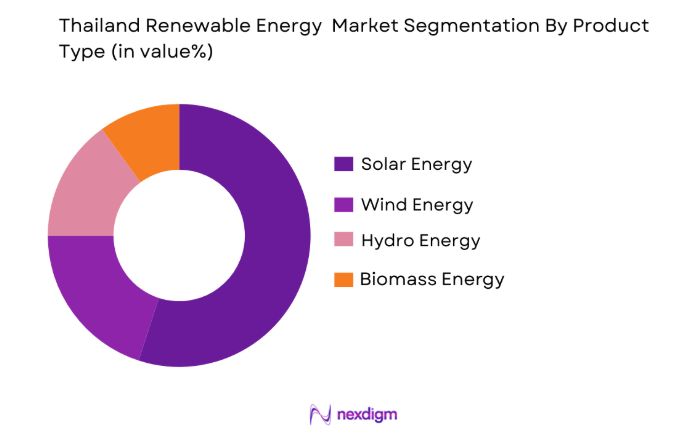
The Thailand Renewable Energy market is segmented by product type into solar, wind, hydro, and biomass energy. The solar energy sub-segment has seen the most dominance due to its rapid adoption and favorable geographic conditions. Thailand receives abundant sunlight, making solar energy a viable and cost-effective energy source for both residential and commercial applications. The government’s favorable policies, including feed-in tariffs, have accelerated investments in solar energy, resulting in its strong position in the market. Additionally, advancements in solar panel technology, along with decreasing installation costs, have increased its market share.
By EndUser Segment:
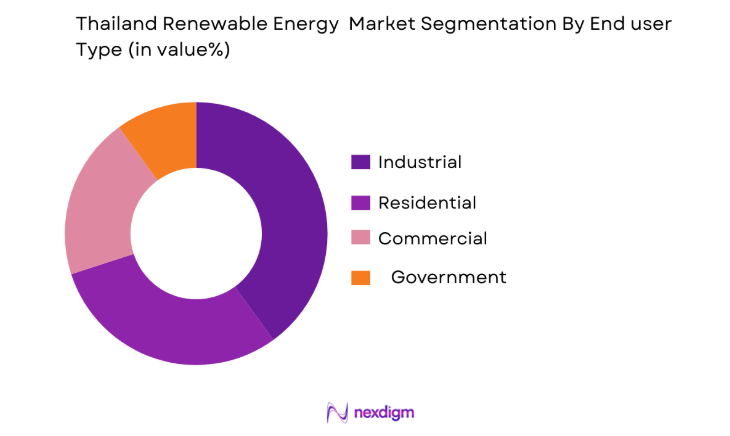
The market is further segmented by end-user, including industrial, residential, commercial, and government consumers. The industrial sector has been the most dominant due to large-scale energy requirements for manufacturing and construction operations. Thailand’s industrial base, particularly in areas like electronics, automotive, and textiles, demands a stable and affordable energy supply. As the country transitions towards renewable energy, industries are becoming major consumers of solar and wind energy solutions. This trend is reinforced by corporate social responsibility (CSR) policies and the desire to reduce energy costs in the long term.
Competitive Landscape
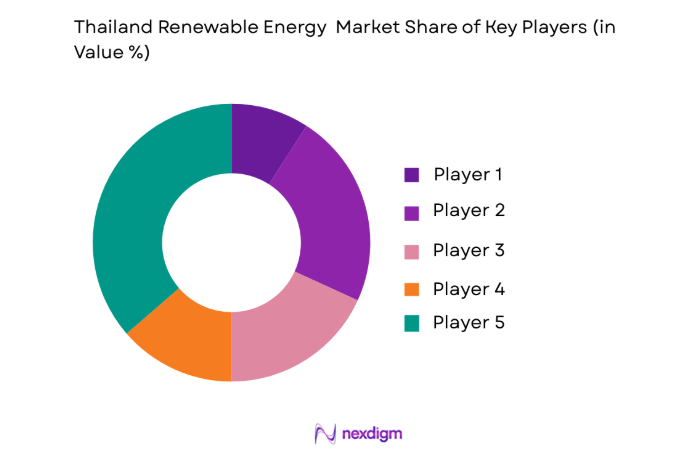
The competitive landscape in Thailand’s renewable energy market is highly dynamic, with significant consolidation. Major players are focusing on capacity expansion and forming strategic alliances with local and international firms. Key players are not only investing in new technologies but also improving efficiency in existing systems. The competitive advantage is typically gained by players who can scale operations quickly and adapt to regulatory changes. Thailand’s energy transition has attracted numerous foreign investments, particularly in solar and wind sectors, further intensifying market competition.
| Company Name | Establishment Year | Headquarters | Technology Focus | Market Reach | Key Products | Revenue (USD) | Additional Parameter |
| Energy Absolute | 2006 | Bangkok, Thailand | ~ | ~ | ~ | ~ | ~ |
| B.Grimm Power | 1995 | Bangkok, Thailand | ~ | ~ | ~ | ~ | ~ |
| Ratch Group | 2000 | Bangkok, Thailand | ~ | ~ | ~ | ~ | ~ |
| Global Green Power | 2010 | Bangkok, Thailand | ~ | ~ | ~ | ~ | ~ |
| Thai Solar Energy | 2008 | Bangkok, Thailand | ~ | ~ | ~ | ~ | ~ |
Thailand Renewable Energy Market Analysis
Growth Drivers
Government Policy Support:
The Thai government’s commitment to renewable energy is one of the primary growth drivers. Several initiatives, such as the Alternative Energy Development Plan (AEDP), aim to increase the renewable energy share in the country’s energy mix. The government has set ambitious targets to reduce greenhouse gas emissions and promote sustainable energy solutions. This support is demonstrated through financial incentives like feed-in tariffs, tax credits, and grants for renewable energy projects. The provision of clear policies and stable long-term plans has bolstered investor confidence, driving more capital into the sector. Furthermore, with the country’s growing energy demand, the government is increasingly encouraging private sector participation in renewable energy projects, ensuring continued market growth.
Technological Advancements:
Technological innovations play a significant role in the market’s growth. Advancements in solar panel efficiency, energy storage solutions, and wind turbine technology are improving the performance and cost-effectiveness of renewable energy systems. The adoption of energy storage systems allows for better management of intermittent renewable sources like wind and solar, providing a more reliable energy supply. Furthermore, advancements in smart grid technology are facilitating better integration of renewable energy into the existing grid infrastructure. These innovations not only make renewable energy more efficient but also enhance its attractiveness to businesses and consumers. As technology continues to improve, renewable energy in Thailand is expected to become even more cost-competitive.
Market Challenges
Regulatory Barriers:
Despite government incentives, navigating Thailand’s regulatory environment remains a significant challenge. The permitting process for large-scale renewable energy projects can be slow and complex, leading to delays in project execution. This is compounded by inconsistencies in local regulations and lengthy approval times for land usage and environmental assessments. While the government has made strides in simplifying the process, regulatory bottlenecks continue to hinder market growth. Additionally, changes in policies, such as shifts in tariffs and subsidies, create uncertainty, making it difficult for investors to plan long-term. These barriers can discourage new players from entering the market, limiting competition and slowing down the sector’s development.
High Initial Investment Costs:
One of the major challenges for renewable energy projects in Thailand is the high capital expenditure required for installation. While the cost of renewable energy technologies, particularly solar, has been decreasing, the upfront investment for large-scale projects remains substantial. This includes costs related to land acquisition, infrastructure development, and equipment procurement. For smaller companies or new market entrants, the initial financial outlay can be a significant barrier. Despite lower operational and maintenance costs over time, the high capital requirement creates financial pressure, which can be a deterrent for the widespread adoption of renewable energy solutions. The ability to secure financing is critical, and without favorable lending conditions, many projects may not reach completion.
Opportunities
Rural Electrification with Solar:
One of the most significant opportunities in the Thai renewable energy market lies in rural electrification. Many remote areas in Thailand are not connected to the national grid, which presents an ideal scenario for off-grid solar power solutions. Solar energy systems, particularly decentralized ones, can provide affordable and reliable electricity to rural communities, improving living standards and supporting economic growth. The Thai government’s commitment to rural electrification and reducing energy poverty makes this opportunity highly attractive. As the cost of solar technology continues to decline, more rural households and small businesses are expected to adopt solar solutions, creating new market opportunities for renewable energy companies.
Renewable Energy for Industrial Use:
Another substantial opportunity exists in the industrial sector, where large energy consumption drives demand for renewable energy solutions. Industries in Thailand, particularly in manufacturing and textiles, are increasingly looking to reduce their energy costs and carbon footprint. By adopting renewable energy systems, companies can benefit from long-term cost savings and gain a competitive advantage in the global market. Moreover, renewable energy helps industries comply with environmental regulations and meet sustainability goals. As the industrial sector becomes more aware of the benefits of clean energy, the adoption of renewable solutions like solar and wind is expected to grow, creating lucrative opportunities for energy developers and service providers.
Future Outlook
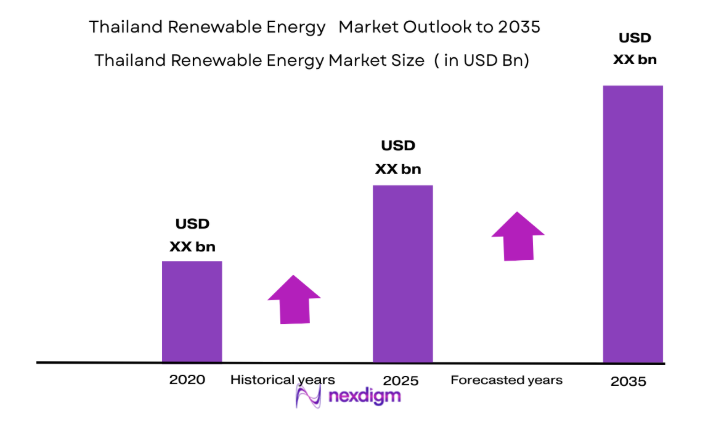
The future outlook for Thailand’s renewable energy market is promising, with strong growth expected over the next five years. With continued governmental support and advancements in technology, the renewable energy sector is set to expand rapidly, driven by increasing demand for sustainable energy sources. Solar energy, in particular, will dominate, supported by improved efficiency and decreasing installation costs. Furthermore, Thailand’s commitment to reducing its carbon emissions and reliance on fossil fuels will continue to foster a favorable environment for renewable energy investments. As the country transitions toward a low-carbon economy, opportunities for both local and international players will continue to grow, ensuring a bright future for the sector.
Major Players
- Energy Absolute
- B.GrimmPower
- Ratch Group
- Global Green Power
- Thai Solar Energy
- Solartron
- GunkulEngineering Public Company Limited
- Super Energy Corporation
- Wind Energy Holding
- Charoen Pokphand Group
- SCG Chemicals
- Delta Electronics
- First Solar
- Siemens Gamesa
- Acciona Energia
Key Target Audience
- Investments and venture capitalist firms
- Government and regulatory bodies
- Renewable energy developers
- Large-scale industrial consumers
- Commercial energy buyers
- Energy technology providers
- Financial institutions
- Environmental NGOs
Research Methodology
Step 1: Identification of Key Variables
In this step, key market variables, such as market size, growth trends, and consumer behavior, are identified through secondary research and expert consultations.
Step 2: Market Analysis and Construction
Detailed analysis of the renewable energy market is carried out using a combination of qualitative and quantitative data from reputable sources.
Step 3: Hypothesis Validation and Expert Consultation
This phase involves validating the hypotheses generated in the previous steps through expert interviews and industry insights to ensure accuracy and relevance.
Step 4: Research Synthesis and Final Output
The findings are synthesized into a comprehensive report, highlighting key insights, trends, and market forecasts, ensuring the final output is accurate and actionable.

- Executive Summary
- Research Methodology (Definitions, Scope, Industry Assumptions, Market Sizing Approach, Primary & Secondary Research Framework, Data Collection & Verification Protocol, Analytic Models & Forecast Methodology, Limitations & Research Validity Checks)

- Market Definition and Scope
- Value Chain & Stakeholder Ecosystem
- Regulatory / Certification Landscape
- Sector Dynamics Affecting Demand

- Growth Drivers
Government Initiatives for Renewable Energy
Falling Cost of Renewable Energy Technologies
Rising Environmental Awareness - Market Challenges
Regulatory Barriers
Infrastructure and Grid Limitations
High Initial Investment Costs - Market Opportunities
Off-grid Renewable Solutions for Remote Areas
Government Funding and Grants
Technological Innovations in Energy Storage - Trends
Increased Adoption of Solar PV Systems
Growth in Hybrid Energy Systems
Rising Investments in Wind Energy Projects - Government Regulations
- SWOT Analysis of Key Competitors

- By Market Value, 2020-2025
- By Installed Units, 2020-2025
- By Average System Price, 2020-2025
- By System Complexity Tier, 2020-2025

- By System Type (In Value%)
Solar PV Systems
Wind Energy Systems
Hydropower Systems
Biomass Energy Systems
Geothermal Systems - By Platform Type (In Value%)
Land-based Platforms
Offshore Platforms
Hybrid Platforms
Floating Platforms
Distributed Energy Platforms - By Fitment Type (In Value%)
On-grid Solutions
Off-grid Solutions
Hybrid Systems
Residential Installations
Industrial Installations
- By EndUser Segment (In Value%)
Government Institutions
Private Corporations
Residential Consumers

- Market Share Analysis
- CrossComparison Parameters (System Type, Platform Type, Procurement Channel, EndUser Segment, Fitment Type)
- SWOT Analysis of Key Competitors
- Pricing & Procurement Analysis
- Porter’s Five Forces
- Key Players
Energy Absolute
Global Green Power
Ratch Group
SPCG Public Company Limited
Thai Solar Energy
B.Grimm Power
Wind Energy Holding
Super Energy Corporation
Bangchak Corporation
Thai Oil Public Company Limited
Siam Renewable Energy Co., Ltd.
Sino-Thai Engineering & Construction
Solartron
Energy Development Corporation
Gunkul Engineering Public Company Limited

- Increasing Adoption in Residential Sectors
- Government’s Role in Policy Development
- Private Sector Participation in Large-Scale Projects
- Demand from Agricultural Sector for Off-grid Solutions

- Forecast Market Value, 2026-2035
- Forecast Installed Units, 2026-2035
- Price Forecast by System Tier, 2026-2035
- Future Demand by Platform, 2026-2035


 Request a Sample
 Ask for Customization
 Get a Quote
 Enquire Now