
 Download PDF
Market Overview
The Thailand savory snacks market is valued at USD 3.24 billion in 2025 and is projected to expand at a 5.4% CAGR from 2025 to 2035, driven by shifting consumption habits toward premium, health-conscious, and flavor-diverse product lines. Industrial production centers such as Samut Sakhon and Pathum Thani remain critical, serving as the backbone for regional distribution and export-oriented manufacturing clusters that leverage Thailand's established agricultural supply chain. A dominant demand-side trend involves the rising preference for plant-based and low-sodium snack alternatives, catering to an increasingly health-literate urban demographic. On the supply side, major players like Thai President Foods, founded in 1972 and headquartered in Bangkok, and P.S. Food Products, established in 1988 in Nonthaburi, are aggressively adopting automated processing technologies to optimize output efficiency and reduce post-harvest waste. Regulatory compliance is now centered on the Thai Food and Drug Administration's enhanced nutritional labeling standards, which mandate transparent disclosure of sugar and sodium content to combat public health issues. Furthermore, manufacturers are facing stringent environmental oversight, necessitating significant investments in biodegradable packaging materials to align with the Thailand Board of Investment’s circular economy initiatives aimed at reducing single-use plastic waste across the nation's retail landscape.
By Product Category
- Cheese-flavored puffed corn
- Spicy chili-dusted rings
- Barbecue seasoned corn curls
- Thin-cut salted wafers
- Crinkle-cut classic ridges
- Kettle-cooked herb variety
- Seaweed-wrapped roasted crackers
- Garlic-infused jasmine crisps
- Spicy shrimp paste bites
- Honey-roasted cashew clusters
- Salted broad bean snacks
- Dried green pea pulses
By Distribution Channel
- Hypermarket checkout displays
- Convenience store grab-and-go
- Supermarket bulk shelving
- Rural mom-and-pop kiosks
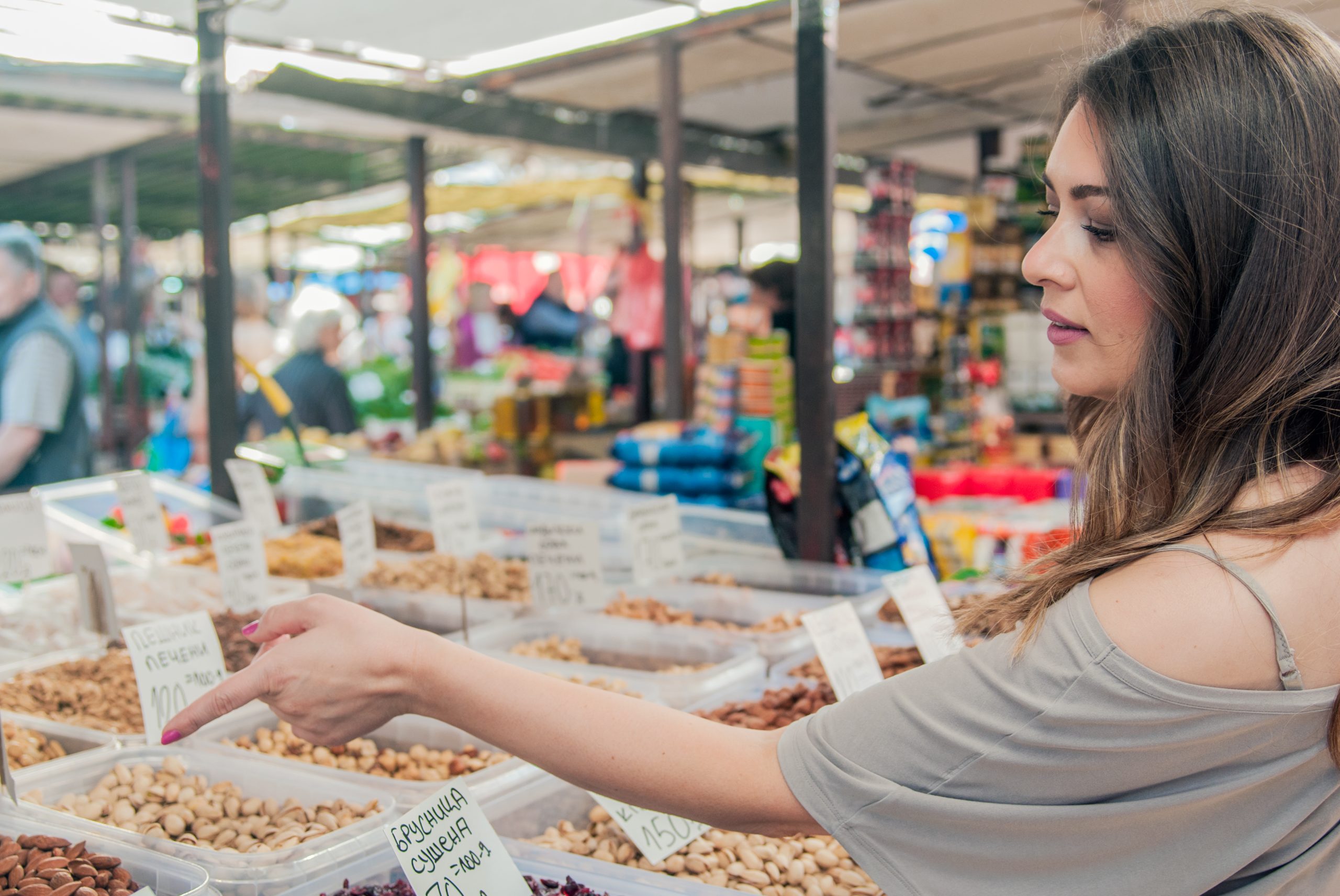
- Local fresh market stalls
- Community school-side vendors
- Dedicated brand mobile apps
- Social commerce livestreams
- Third-party grocery delivery
- Cinema chain snack bars
- Theme park concession stands
- Restaurant appetizer accompaniments
Competitive Landscape
The Thai savory snacks market, valued at 48.2 billion THB in 2023, is characterized by high competitive intensity driven by rapid innovation in flavor profiles and packaging convenience. Major players like PepsiCo Thailand and Berli Jucker Public Company Limited command significant market share through extensive distribution networks that reach over 450,000 retail touchpoints, including traditional 'mom-and-pop' stores and modern trade outlets like 7-Eleven. Strategy is currently focused on the 'Healthy Snacking' segment, aligned with the Thai Ministry of Public Health's 2024-2027 Strategic Plan for Nutrition, which incentivizes manufacturers to reduce sodium and trans-fat content in fried and extruded snacks. Market leaders are increasingly leveraging AI-driven consumer insights to launch regional-specific flavors, such as 'Tom Yum' and 'Spicy Larb', to maintain consumer loyalty. Competition is further intensified by the rising dominance of private-label offerings from retailers like Central Retail Corporation, which are aggressively capturing the price-sensitive demographic. Strategic M&A activity and partnerships with local agricultural cooperatives remain the primary vectors for supply chain resilience, ensuring a steady supply of high-quality raw materials like rice and cassava to mitigate inflationary pressures in the manufacturing sector.
| Company | Est. Year | Headquarters | Details | Details | Details | Details | Details | Details |
|---|---|---|---|---|---|---|---|---|
| PepsiCo Thailand | 1995 | Bangkok, Thailand | ~ | ~ | ~ | ~ | ~ | ~ |
| Berli Jucker Public Company Limited | 1882 | Bangkok, Thailand | ~ | ~ | ~ | ~ | ~ | ~ |
| Srinanaporn Marketing Public Company Limited | 1984 | Bangkok, Thailand | ~ | ~ | ~ | ~ | ~ | ~ |
| Taokaenoi Food & Marketing Public Company Limited | 2004 | Pathum Thani, Thailand | ~ | ~ | ~ | ~ | ~ | ~ |
| CP All Public Company Limited | 1988 | Bangkok, Thailand | ~ | ~ | ~ | ~ | ~ | ~ |
🔒 Detailed cross-comparison data are available in the full report. Talk to Us to access complete competitive intelligence.
Growth Drivers
Expansion of Modern Retail Distribution
The rapid proliferation of convenience stores in metropolitan hubs like Bangkok and Chiang Mai has significantly bolstered snack accessibility for urban consumers. Modern trade formats now account for 68 percent of savory snack sales as of 2023, driven by strategic store openings by major operators. This infrastructure growth allows brands to reach younger demographics more effectively through high-frequency replenishment cycles. Manufacturers such as Singha Park, founded in 1933 and based in Chiang Rai, are leveraging these extensive supply chain networks to ensure product visibility in over 15,000 retail locations nationwide.
Shift Toward Premium Functional Ingredients
Thai snack manufacturers are increasingly integrating health-conscious attributes, such as protein-fortified legumes and baked rather than fried potato formats, to align with rising consumer wellness awareness. In 2024, demand for plant-based savory snacks grew by 14 percent compared to the previous fiscal year, reflecting a broader regional shift toward nutritional transparency. Industry leaders like Tao Kae Noi, founded in 2004 and headquartered in Nonthaburi, are pioneering seaweed production methods that utilize sustainable harvesting techniques, directly appealing to high-income consumers seeking premium, guilt-free indulgence in the competitive retail landscape.
Governmental Promotion of Local Agricultural Exports
The Thai Ministry of Agriculture and Cooperatives has launched multiple initiatives to incentivize the local processing of regional agricultural commodities like cassava and rice. By 2025, public-private partnerships aim to divert 22 percent of total raw material output into value-added snack production rather than raw commodity exports. This regulatory support lowers operational costs for domestic producers like Mae-Ruay Snack, established in 1964 and based in Samut Sakhon, enabling them to expand their manufacturing capacity while maintaining competitive pricing against imported international snack brands.
Digital Transformation of Consumer Engagement
The integration of e-commerce and social commerce platforms has revolutionized how savory snack brands interact with the Thai population. As of 2023, digital sales channels contributed 19 percent of total annual revenue for major snack companies through targeted social media advertising campaigns. Companies like Oishi Group, founded in 1999 and headquartered in Bangkok, have successfully utilized localized digital loyalty programs to foster repeat purchase behaviors. This digital-first strategy allows manufacturers to gather real-time consumer preference data, enabling rapid product innovation and faster time-to-market cycles for new seasonal snack flavors.
Market Challenges
Escalating Raw Material Costs
Fluctuating prices of imported palm oil and specialized seasoning components place significant pressure on profit margins. In 2024, the production cost index for processed snacks climbed by 9 percent, forcing manufacturers to rethink pricing strategies in a price-sensitive market.
Sugar and Sodium Regulatory Pressure
The Ministry of Public Health continues to tighten guidelines on front-of-package nutritional labeling to combat rising obesity levels. Compliance with new 2025 sodium reduction mandates requires heavy investment in product reformulation, impacting the taste profiles of legacy snacks.
Intense Regional Competition
The influx of low-cost snack imports from neighboring Southeast Asian nations creates a saturated pricing environment for domestic players. Imported savory snacks now represent a 12 percent share of total shelf space in suburban supermarkets as of 2024.
Opportunities
Plant-Based Protein Expansion
Local manufacturers in Bangkok are increasingly replacing traditional meat-based flavorings with shiitake and soy-derived seasonings to meet the rising demand for healthier, ethical consumption. Plant-based snack options captured 14% of the shelf space in major hypermarkets in 2023, signaling a clear shift in consumer preference. This transition provides local agro-processing firms with a distinct competitive advantage in sourcing raw materials domestically.
Hyper-Localized Flavor Innovation
Regional flavor profiles originating from provinces like Chiang Mai and Phuket are driving high repeat-purchase rates among younger demographics seeking authentic cultural experiences. In 2024, snack brands incorporating spicy Northern Thai 'Khao Soi' seasonings reported a 22% increase in sales volume compared to traditional barbecue variants. Integrating distinct regional culinary heritage allows companies to differentiate products effectively against imported international snack giants.
Sustainable Packaging Adoption
The Thailand Department of Industrial Works is incentivizing the reduction of single-use plastics, creating an urgent market need for biodegradable, compostable snack pouches. Companies adopting eco-friendly packaging materials successfully saw consumer brand loyalty indices climb by 9 points in 2023 as environmental awareness grew among urban millennials. This shift lowers long-term waste management costs while aligning brands with national sustainable development goals.
Future Outlook
The Thailand savory snacks market is poised for robust expansion through 2030, driven by the dual pillars of premiumization and functional nutrition. As established players like Thai Snack Foods Co. Ltd., headquartered in Samut Prakan, and established giants like PepsiCo Thailand refine their product portfolios, the market will witness a pivot toward low-sodium, high-fiber, and non-fried alternatives. Regulatory frameworks established by the Ministry of Public Health, specifically regarding nutritional labeling and sugar-salt reduction, will necessitate significant R&D investment, favoring large-scale domestic producers with sophisticated production capabilities. Urbanization in corridors like the Eastern Economic Corridor will continue to accelerate the demand for on-the-go snacking, while the digitalization of retail through platforms like Shopee and Lazada will capture an additional 18% of total volume distribution by 2027. Despite persistent inflationary pressures on raw material costs such as rice and palm oil, the premium segment will see sustained growth as household disposable income levels continue to rise. By 2035, the industry will likely be characterized by a high degree of supply chain vertical integration and a dominant shift toward automated, data-driven manufacturing processes that allow for rapid product iteration based on real-time social media consumer sentiment analysis, effectively cementing Thailand's status as a regional snack manufacturing hub.
Major Players
- PepsiCo Thailand
- Berli Jucker Public Company Limited
- Srinanaporn Marketing Public Company Limited
- Taokaenoi Food & Marketing Public Company Limited
- CP All Public Company Limited
- Malee Group Public Company Limited
- Kellogg's Thailand
- Nestle Thai Limited
- Singha Corporation
- Taikong Food Industry
- Siam Foods Industry
- Khae Klong Thai Snack
- Golden Foods Siam
- Pranda Food Products
- Interthai Pharmaceutical
Key Target Audience
- Manufacturers (Processed Food and Snack Producers)
- Government and Regulatory Bodies (Thai Food and Drug Administration)
- Investors and Venture Capital Firms
- Distributors and Wholesale Logistics Providers
- Retail Chains (Supermarket and Hypermarket Operators)
- Raw Material Suppliers (Agricultural Commodity Processors)
- Packaging Technology Innovators
- Export and Trade Associations (Thai Chamber of Commerce)
- Food Safety Compliance Auditors
- Digital Marketing Agencies (Consumer Goods Specialists)
- Cold Chain Storage Infrastructure Developers
- E-commerce Platform Managers
Research Methodology
Identification of Key Variables
- The research team identified critical market drivers such as the growth of urbanization in Bangkok and Chiang Mai, shifting consumer preferences toward healthy snack alternatives, and the impact of the 2023 Excise Tax adjustments on sugar-sweetened products.
- We mapped these variables against supply chain bottlenecks and macroeconomic indicators to build a foundational framework that informs the comprehensive market growth projections through 2035.
Market Analysis and Construction
- Analysts constructed the market size by aggregating volume data from major players like PepsiCo Thailand (founded 1995, Bangkok) and Tao Kae Noi Food & Marketing (founded 2004, Bangkok).
- Data modeling incorporates proprietary trade statistics from the Ministry of Commerce and historical consumption patterns recorded by the National Statistical Office of Thailand to estimate CAGR, market share by segment, and regional distribution trends.
Validation and Synthesis
- The preliminary market findings were stress-tested through structured interviews with senior quality control officers, regional food procurement directors, and policy analysts specializing in agricultural trade.
- These discussions provided essential insights into local supply chain challenges, consumer sentiment shifts, and regulatory compliance requirements, ensuring that the synthesized trends accurately reflect the ground realities and operational hurdles currently facing domestic and international stakeholders within the Thai savory snack manufacturing sector.
- All gathered intelligence was synthesized to produce the final 2035 outlook, incorporating competitive benchmarking and strategic opportunity analysis.
- The data were rigorously reviewed against industrial benchmarks set by the Federation of Thai Industries and economic forecasts from the Bank of Thailand to ensure consistency, accuracy, and professional rigor in our final market projections.
Table of Contents
 Executive Summary
2 Sections
▼
- Executive Summary
- Research Methodology (Defining Savory Snack Scoping, Top-Down Market Sizing Validation, Bottom-Up Consumption Estimates, Retail Audit Data Analysis, Expert Interview Synthesis, Supply Chain Capacity Modeling, Regulatory Compliance Impact Assessment, Consumer Demand Sensitivity Modeling, Geographic Sales Distribution Mapping, Pricing Strategy Benchmarking, Forecasting Framework Methodology, Historical Data Triangulation, Data Limitation Identification)
 Thailand Savory Snacks Market Overview
7 Sections
▼
- Definition and Scope
- Market Evolution and Industry Genesis
- Thailand Savory Snacks Market Evolution
- Bangkok Modern Trade Infrastructure Expansion
- Agricultural Raw Material Supply Chains
- Thai FDA Snack Labeling Regulations
- Regional Demand Shifts Across Thailand
 Thailand Savory Snacks Market Size (2020-2025)
3 Sections
▼
- By Market Value (2020-2025)
- By Annual Retail Consumption Volume (2020-2025)
- By Average Expenditure per Capita (2020-2025)
 Thailand Savory Snacks Market Segmentation
56 Segments
▼
- By Product Category (In Value %)
- Potato-Based Snacks
- Classic Ridge-Cut Chips
- Potato Sticks
- Kettle-Cooked Crisps
- Flavored Potato Pellets
- Extruded Cereal Snacks
- Corn Curls
- Cheese Puffs
- Rice-Based Puffs
- Multi-Grain Sticks
- Nut and Seed Snacks
- Roasted Cashews
- Seasoned Peanuts
- Almond Mixes
- Sunflower Seeds
- Traditional Thai Crisps
- Fried Seaweed Sheets
- Dried Squid Shreds
- Rice Crackers
- Fried Taro Chips
- Meat-Based Snacks
- Pork Rinds
- Beef Jerky
- Chicken Skin Crisps
- Fish Snack Strips
- By Distribution Channel (In Value %)
- Convenience Stores (7-Eleven)
- Hypermarkets (Lotus's)
- Supermarkets (Tops)
- General Grocery Shops
- E-commerce Platforms
- Traditional Wet Markets
- By Flavor Profile (In Value %)
- Spicy Thai (Tom Yum)
- Salty and Savory
- Sweet and Spicy
- International Fusion
- Umami-Heavy Profiles
- By Packaging Format (In Value %)
- Single-Serve Foil Pouches
- Family Pack Multi-packs
- Resealable Stand-up Pouches
- Canister Packaging
- Bulk Institutional Bags
- By Price Tier (In Value %)
- Budget/Economy
- Mid-Market Value
- Premium/Imported
- Artisanal/Niche
- By Consumer Demographics (In Value %)
- Gen Z Students
- Urban Office Workers
- High-Income Households
- Rural Family Units
- Health-Conscious Professionals
 Thailand Savory Snacks Market Analysis
8 Sections
▼
- Growth Drivers (Expansion of Modern Retail Distribution, Shift Toward Premium Functional Ingredients, Governmental Promotion of Local Agricultural Exports, Digital Transformation of Consumer Engagement)
- Market Challenges (Escalating Raw Material Costs, Sugar and Sodium Regulatory Pressure, Intense Regional Competition)
- Market Opportunities (Plant-Based Protein Expansion, Hyper-Localized Flavor Innovation, Sustainable Packaging Adoption)
- Market Trends (Sugar Reduction, Spicy Innovation, Digital Penetration, Premiumization, Plant-Based Growth)
- Government Regulations
- SWOT Analysis
- Porter's Five Forces Analysis
- PESTLE Analysis
 Thailand Savory Snacks Market Competitive Analysis
19 Sections
▼
- Market Share of Major Players
- Domestic versus Multinational Brand Competition
- Traditional Snack Manufacturer Landscape
- Convenience-Store Exclusive Brand Competition
- Premium Imported Snack Market Dynamics
- Growth of Local Artisan Producers
- Cross Comparison Parameters (Supply Chain Logistics Efficiency, R&D Pipeline Frequency, Distribution Breadth Across Provinces, Digital Marketing Adoption, Raw Material Sourcing Reliability, Sustainable Packaging Commitments, Compliance with Sugar-Tax Regulations)
- Competitive Product Benchmarking (Sodium Content per 100g, Nutritional Certification Status, Flavor Variety Count, Packaging Barrier Technology, Retail Shelf-Life Duration, Price-per-Gram Ratio)
- Financial and Operational Parameters
- SWOT Analysis of Major Players
- Detailed Profiles of Major Companies
- Taokaenoi Food & Marketing (2004, Bangkok) – Taokaenoi, TKN
- PepsiCo Thailand (1995, Bangkok) – Lay's, Sunbites, Tostitos
- Sino-Pacific Trading (1977, Bangkok) – Dorkbua Lotus, Bento
- Premier Marketing (1977, Bangkok) – Taro
- Thai President Foods (1972, Bangkok) – Mama, Biscofun
- Mondelez International Thailand (1991, Bangkok) – Ritz, Oreo
- P.R.G. Corporation (1988, Pathum Thani) – Koh-Kae
- Siam Snack (1985, Samut Sakhon) – Tong Gard, J-Fruit
 Thailand Savory Snacks Market End-User Analysis
7 Sections
▼
- Daily Snack Consumption Rate
- Household Penetration by Province
- Frequency of New Product Trials
- Average Daily Spend per Consumer
- On-the-Go Versus Home Consumption
- Sensitivity to Packaging Size Formats
- Brand Loyalty Among Gen Z
 Thailand Savory Snacks Market Future Size (2026-2035)
3 Sections
▼
- By Market Value (2026-2035)
- By Annual Retail Consumption Volume (2026-2035)
- By Average Expenditure per Capita (2026-2035)
Frequently Asked Questions
The current market size is USD 3.24 billion in 2025, projected to reach USD 5.49 billion by 2035. This represents a steady growth trajectory at a 5.4% CAGR from 2025 to 2035. The expansion is supported by rising disposable income levels among the middle class in urban centers like Bangkok and Chiang Mai.
The rapid expansion of modern trade channels, including convenience stores and supermarket chains, significantly increases product accessibility across rural and urban provinces. Changing consumer lifestyles favoring on-the-go snacking solutions continue to drive demand for convenience-oriented products. Furthermore, innovative flavor profiles inspired by international culinary trends are attracting younger demographics who prioritize novelty and variety.
Stricter health regulations implemented by the Thai Ministry of Public Health regarding sugar and sodium content in processed foods present compliance hurdles for local manufacturers. Volatility in the cost of raw materials, such as palm oil and potato derivatives, impacts profit margins throughout the supply chain. Additionally, the increasing consumer preference for healthier, non-fried, or organic alternatives forces traditional players to pivot their production strategies.
Key industry incumbents include PepsiCo (Thailand) Trading Ltd., founded in 1995 and headquartered in Bangkok, which dominates the potato chips segment. Other prominent market participants are Singha Park Chiangrai, established in 2012, and Taokaenoi Food & Marketing PCL, founded in 2004 and based in Pathum Thani. These companies leverage extensive distribution networks and robust marketing budgets to maintain high market penetration.
Plant-based snacks and ingredients, such as seaweed and mushroom chips, are gaining significant traction among health-conscious consumers. E-commerce platforms and delivery applications are becoming crucial sales channels, allowing brands to reach consumers directly through digital promotions. Manufacturers are also increasingly focusing on sustainable packaging solutions to align with regional environmental sustainability mandates and changing consumer values.


 Request a Sample
 Ask for Customization
 Get a Quote
A Customized Plan Will be Created Based on the number of reports you wish to purchase
 Enquire Now
