
 Download PDF
 Download PDF
Market Overview
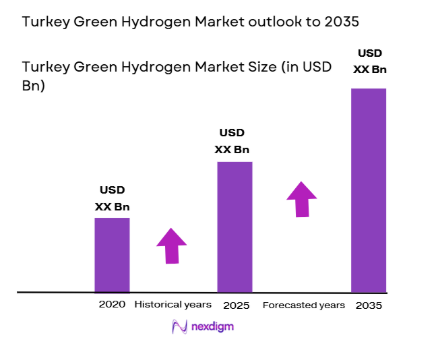
The Turkey Green Hydrogen market size is expected to reach USD ~ billion, driven by strong governmental policies and an increasing focus on sustainable energy sources. The market is fueled by Turkey’s strategic plan to become a leader in clean energy by 2030. This push is backed by increasing investments in green hydrogen infrastructure and technological advancements in electrolysis processes. Additionally, collaborations with international stakeholders for hydrogen fuel cell technologies play a critical role in driving market growth. The market is also positively influenced by the global push for decarbonization, with green hydrogen considered an essential element for future energy transitions.
Turkey is one of the leading countries in the green hydrogen market in the region due to its strategic geographical location, which positions it as an energy hub. Istanbul and Ankara dominate the market with robust energy infrastructure and significant investments in green hydrogen production. The Turkish government’s commitment to reducing carbon emissions further propels this shift, and regional initiatives focus on establishing hydrogen hubs in major cities. Turkey’s favorable renewable energy resources, particularly wind and solar, enhance the production potential for green hydrogen, placing it at the forefront of the industry in the European and Middle Eastern regions.
Market Segmentation
By System Type:
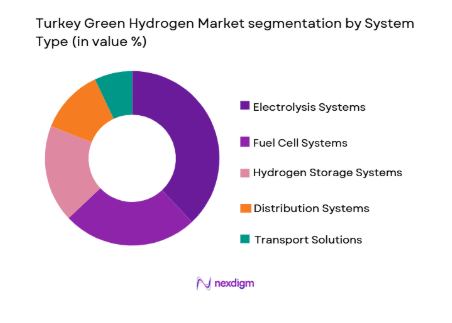
Turkey Green Hydrogen market is segmented by system type into Electrolysis Systems, Fuel Cell Systems, Hydrogen Storage Systems, Distribution Systems, and Transport Solutions. Recently, Electrolysis Systems have had a dominant market share due to their essential role in the green hydrogen production process. The demand for electrolysis systems is primarily driven by advancements in electrolyzer technology, which have increased efficiency and reduced costs. Additionally, the ability of these systems to convert renewable energy into hydrogen makes them crucial for Turkey’s green hydrogen ambitions. The market share of electrolysis systems is supported by large-scale infrastructure projects and favorable government policies promoting the transition to cleaner energy.
By Platform Type:
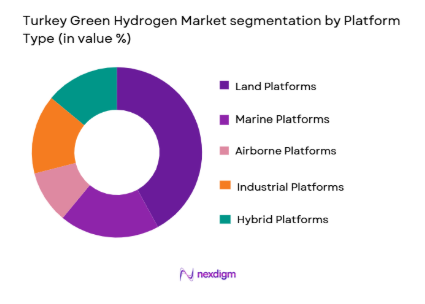
Turkey Green Hydrogen market is segmented by platform type into Land Platforms, Marine Platforms, Airborne Platforms, Industrial Platforms, and Hybrid Platforms. Recently, Land Platforms have dominated the market share due to the increasing adoption of hydrogen-based fuel cells in transportation and industrial applications. These platforms benefit from Turkey’s growing automotive and industrial sectors, where green hydrogen is seen as a viable alternative to traditional fossil fuels. The demand for land platforms is also supported by infrastructure developments, including hydrogen refueling stations and distribution networks, essential for enhancing the viability of hydrogen-powered vehicles and industrial systems in Turkey.
Competitive Landscape
The Turkey Green Hydrogen market is competitive, with a combination of established energy companies and emerging tech startups looking to expand in the hydrogen sector. Major players in the market are focusing on innovation, strategic partnerships, and scaling production capacities to capitalize on the growing demand. The market also sees consolidation, with several key players collaborating with governmental agencies to enhance technological advancements and increase the production and distribution of green hydrogen. This consolidation is expected to drive the expansion of green hydrogen infrastructure across the country.
| Company Name | Establishment Year | Headquarters | Technology Focus | Market Reach | Key Products | Revenue | Hydrogen Production Capacity |
| Siemens Energy | 1847 | Germany | ~ | ~ | ~ | ~ | ~ |
| Air Products | 1940 | USA | ~ | ~ | ~ | ~ | ~ |
| Nel Hydrogen | 1927 | Norway | ~ | ~ | ~ | ~ | ~ |
| ITM Power | 2001 | UK | ~ | ~ | ~ | ~ | ~ |
| Plug Power | 1997 | USA | ~ | ~ | ~ | ~ | ~ |
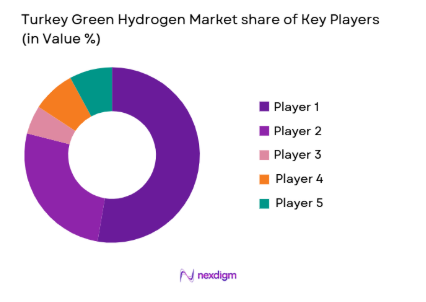
Turkey Green Hydrogen Market Analysis
Growth Drivers
Government Support for Clean Energy:
The Turkish government has been a significant growth driver for the green hydrogen market, with ambitious plans to decarbonize the economy. This push is reflected in the allocation of subsidies, tax incentives, and funding for green hydrogen initiatives. The country’s commitment to carbon neutrality and its position as a key player in the European Union’s energy transition agenda contribute to the increased focus on hydrogen production. This government-backed infrastructure is expected to accelerate hydrogen adoption in various industries such as transportation, heavy industry, and power generation. The focus on hydrogen as a clean energy source has led to the development of pilot projects and partnerships with international energy companies, laying the foundation for large-scale implementation.
Technological Advancements in Electrolysis:
The rise of electrolyzer technology has been a key enabler for the green hydrogen market in Turkey. Electrolysis is a critical process for hydrogen production, where electricity from renewable sources is used to split water into hydrogen and oxygen. Technological improvements in electrolyzers, including higher efficiency rates and lower operational costs, have made green hydrogen a more feasible option. With major companies investing in the development of large-scale electrolysis facilities, this growth driver is expected to dominate the Turkish market, reducing the cost of production and improving the overall energy efficiency of the hydrogen production process.
Market Challenges
High Capital Investment Requirements:
One of the main barriers to green hydrogen adoption in Turkey is the high capital investment required for setting up production and storage infrastructure. Hydrogen plants, electrolyzers, and storage systems require substantial investments, which can hinder the pace of development in the country. Although the Turkish government has introduced funding options, the need for additional private sector investments remains high. The financial barriers are a significant challenge, especially for smaller players in the market, who may not have the resources to invest in large-scale hydrogen production facilities. This high capital intensity poses a challenge to market expansion despite the growing demand for green hydrogen.
Limited Distribution Infrastructure:
Turkey faces challenges in developing an extensive distribution network for green hydrogen. While the government and private sectors have made efforts to develop hydrogen refueling stations, the infrastructure is still in its nascent stage. This limited distribution network reduces the accessibility of green hydrogen, particularly for transportation and industrial applications. The slow rollout of hydrogen distribution systems across major cities and transportation hubs hinders the mass adoption of hydrogen-powered vehicles and equipment. As a result, Turkey’s green hydrogen market faces difficulties in meeting the growing demand, delaying large-scale adoption and commercialization efforts.
Opportunities
Expansion of Hydrogen Refueling Stations:
The expansion of hydrogen refueling stations across Turkey presents a significant opportunity for market growth. By establishing a nationwide network of refueling stations, the adoption of hydrogen-powered vehicles could be greatly accelerated. The growing interest in hydrogen fuel cells for transportation, coupled with the Turkish government’s support for clean transportation, creates a promising opportunity for private and public stakeholders to invest in refueling infrastructure. As Turkey works toward enhancing its green hydrogen production capabilities, the development of refueling stations will facilitate the transition to a hydrogen-based economy, creating additional revenue streams for stakeholders involved in the sector.
Collaboration with International Partners:
Collaborations with international companies and research institutions provide a unique opportunity to fast-track the adoption of green hydrogen technology in Turkey. Partnerships with global leaders in green hydrogen technologies will not only bring advanced solutions to the market but also ensure access to cutting-edge research and development. By working with international partners, Turkey can tap into the global supply chain for green hydrogen components and systems, reducing costs and enhancing the competitiveness of the market. Additionally, these collaborations will help Turkey meet its long-term clean energy targets by fostering knowledge transfer and technological advancements within the hydrogen sector.
Future Outlook
The future outlook for Turkey’s green hydrogen market is promising, driven by ongoing investments in infrastructure, technological innovation, and government support. Over the next five years, the country is expected to see substantial growth in green hydrogen production and adoption, particularly in transportation and industrial applications. Turkey’s strategic position as an energy hub between Europe and Asia offers further opportunities to become a major player in the global hydrogen market. Technological advancements in electrolysis and storage systems are expected to lower production costs, making green hydrogen more competitive with other energy sources. With continued regulatory support and growing demand for sustainable energy, Turkey’s green hydrogen market is poised for a significant expansion, contributing to its clean energy transition goals.
Major Players
- Siemens Energy
- Air Products
- Nel Hydrogen
- ITM Power
- Plug Power
- Linde Group
- Uniper
- Toyota Tsusho
- Cummins
- McPhy
- Snam
- EDF
- Shell
- Enel Green Power
- TotalEnergies
Key Target Audience
- Investments and venture capitalist firms
- Government and regulatory bodies
- Renewable energy companies
- Automotive manufacturers
- Industrial gas suppliers
- Hydrogen fuel cell developers
- Energy infrastructure developers
- Transport operators
Research Methodology
Step 1: Identification of Key Variables
The first step involves identifying critical variables that impact the market, such as technological advancements, government policies, and market demand. These variables provide the foundation for further research.
Step 2: Market Analysis and Construction
Market data is collected from multiple primary and secondary sources, including industry reports and government publications. The analysis of these sources constructs a comprehensive market model for Turkey’s green hydrogen sector.
Step 3: Hypothesis Validation and Expert Consultation
The preliminary findings are validated through expert consultations, including interviews with market leaders and stakeholders. This ensures the accuracy of assumptions and data used in the analysis.
Step 4: Research Synthesis and Final Output
The final research synthesis integrates findings from the analysis and expert consultations to create a complete market report, outlining trends, challenges, opportunities, and growth drivers in Turkey’s green hydrogen market.

- Executive Summary
- Research Methodology (Definitions, Scope, Industry Assumptions, Market Sizing Approach, Primary & Secondary Research Framework, Data Collection & Verification Protocol, Analytic Models & Forecast Methodology, Limitations & Research Validity Checks)

- Market Definition and Scope
- Value Chain & Stakeholder Ecosystem
- Regulatory / Certification Landscape
- Sector Dynamics Affecting Demand
- Strategic Initiatives & Infrastructure Growth

- Growth Drivers
Government initiatives and subsidies for green energy
Rising demand for clean energy alternatives
Technological advancements in electrolyzer efficiency
Corporate commitment to sustainability goals
Increasing public awareness and support for green initiatives - Market Challenges
High initial investment costs
Limited infrastructure for green hydrogen distribution
Technological barriers in hydrogen storage and transport
Regulatory and policy challenges
Lack of skilled workforce for green hydrogen technologies - Market Opportunities
Expansion of hydrogen infrastructure
Partnerships between private and public sectors
Development of green hydrogen hubs - Trends
Rise in demand for green hydrogen in transportation
Technological innovations in electrolysis
Increase in government funding for green hydrogen projects
Growing interest in hydrogen-powered vehicles
Advancements in hydrogen storage technologies - Government Regulations & Defense Policy
Hydrogen policy and regulatory framework
Government funding and support for research
National strategies for carbon neutrality - SWOT Analysis
- Stakeholder and Ecosystem Analysis
- Porter’s Five Forces Analysis
- Competition Intensity and Ecosystem Mapping

- By Market Value, 2020-2025
- By Installed Units, 2020-2025
- By Average System Price, 2020-2025
- By System Complexity Tier, 2020-2025

- By System Type (In Value%)
Electrolysis Systems
Storage Systems
Distribution Systems
Fuel Cells
Transport Solutions - By Platform Type (In Value%)
Land Platforms
Marine Platforms
Airborne Platforms
Industrial Platforms
Hybrid Platforms - By Fitment Type (In Value%)
On-premise Solutions
Cloud-based Solutions
Modular Solutions
Integrated Solutions
Stand-alone Solutions - By EndUser Segment (In Value%)
Energy & Power
Transportation
Industrial Applications
Commercial Sector
Residential Sector - By Procurement Channel (In Value%)
Direct Procurement
Government Tenders
Private Sector Procurement
Online Bidding Platforms
Third-party Distributors - By Material / Technology (in Value%)
Electrolyzers
Storage Materials
Catalysts
Fuel Cells
Battery Technologies

- Market structure and competitive positioning
- Market share snapshot of major players
- CrossComparison Parameters (Electrolyzer Efficiency, Fuel Cell Efficiency, Government Funding, Technological Innovation, Distribution Infrastructure, Energy Storage Solutions, Market Adoption, Supply Chain, Price Competitiveness, Environmental Impact)
- SWOT Analysis of Key Players
- Pricing & Procurement Analysis
- Key Players
Siemens Energy
Nel Hydrogen
Air Products
Thyssenkrupp
ITM Power
Plug Power
Linde Group
Uniper
Toyota Tsusho
Cummins
McPhy
Snam
EDF
Shell
Enel Green Power

- Energy sector’s shift towards cleaner alternatives
- Transportation industry’s adoption of hydrogen technologies
- Industrial applications embracing hydrogen solutions
- Growing interest in hydrogen for residential use

- Forecast Market Value, 2026-2035
- Forecast Installed Units, 2026-2035
- Price Forecast by System Tier, 2026-2035
- Future Demand by Platform, 2026-2035


 Request a Sample
 Ask for Customization
 Get a Quote
 Enquire Now