

 Download PDF
 Download PDF
Market Overview
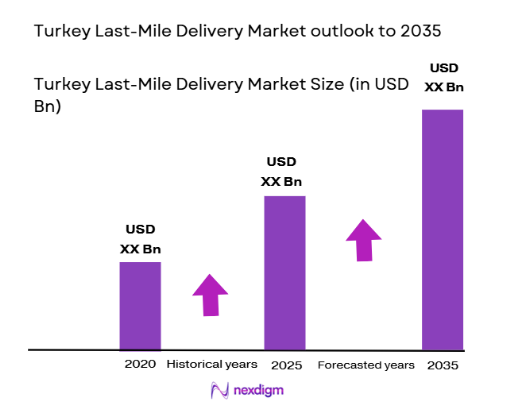
The Turkey Last-Mile Delivery Market has reached a substantial size, valued at USD ~ billion, driven by the growing e-commerce sector and urbanization trends. This market has seen a rapid transformation, particularly with the advent of technological advancements such as robotics and drones, enhancing delivery efficiency. With increasing demand for faster and more efficient services, the market is expected to continue expanding as businesses invest in automation and digital solutions to optimize operations.
Turkey’s last-mile delivery market is dominated by cities such as Istanbul, Ankara, and Izmir, where the demand for logistics services is highest due to high population density and significant economic activity. These cities benefit from advanced infrastructure, government investments in urban development, and a thriving e-commerce industry, all contributing to the dominance of these regions in the market. As businesses cater to the rising demand for fast and cost-effective delivery solutions, Turkey’s urban centers continue to play a crucial role in market dynamics.
Market Segmentation
By Product Type:
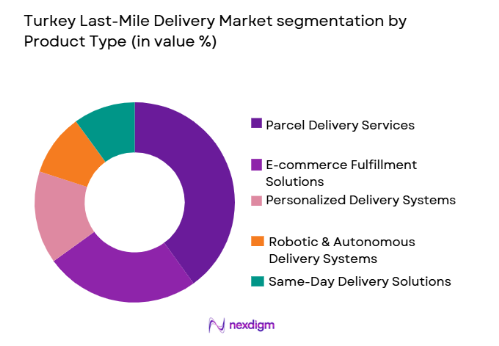
The Turkey Last-Mile Delivery market is segmented by product type into parcel delivery services, e-commerce fulfillment solutions, personalized delivery systems, robotic & autonomous delivery systems, and same-day delivery solutions. Recently, parcel delivery services have a dominant market share due to the rapid growth of online shopping, which has made parcel delivery services essential to meet the increasing demand for home deliveries. The expansion of e-commerce platforms and customer preference for faster shipping have driven parcel delivery services to become the primary service for last-mile logistics. This is further aided by improvements in infrastructure and the availability of dedicated delivery vehicles.
By Platform Type:
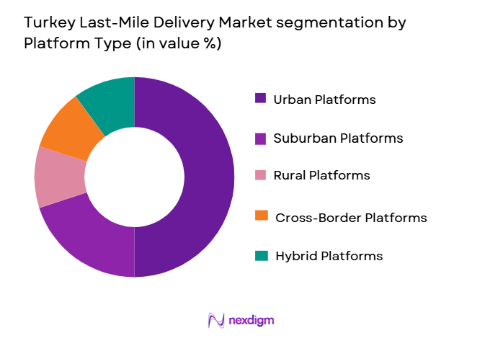
The Turkey Last-Mile Delivery market is segmented by platform type into urban platforms, suburban platforms, rural platforms, cross-border platforms, and hybrid platforms. Urban platforms are leading the market due to the concentration of e-commerce and population in cities like Istanbul. These urban areas have high consumer demand and an established logistics infrastructure, making them the key drivers for the demand for last-mile delivery. Moreover, technological advancements in real-time tracking and delivery optimization in urban environments contribute to the dominance of urban platforms in this market.
Competitive Landscape
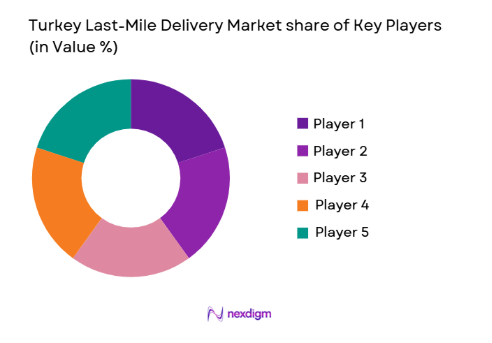
The competitive landscape of the Turkey Last-Mile Delivery market is marked by consolidation as large players like Aras Kargo and MNG Kargo dominate the sector, driving technological advancements and operational efficiency. Smaller regional players continue to emerge, catering to niche markets and focusing on specific customer demands, such as same-day deliveries and eco-friendly logistics solutions. The market sees a blend of traditional logistics providers and newer entrants offering innovative last-mile solutions such as drones and autonomous vehicles, intensifying competition and pushing for greater operational efficiencies.
| Company Name | Establishment Year | Headquarters | Technology Focus | Market Reach | Key Products | Revenue (USD Billion) | Additional Market-Specific Parameter |
| Aras Kargo | 1989 | Istanbul, Turkey | ~ | ~ | ~ | ~ | ~ |
| MNG Kargo | 2003 | Istanbul, Turkey | ~ | ~ | ~ | ~ | ~ |
| Yurtiçi Kargo | 2000 | Istanbul, Turkey | ~ | ~ | ~ | ~ | ~ |
| PTT Kargo | 1840 | Ankara, Turkey | ~ | ~ | ~ | ~ | ~ |
| Sendeo | 2015 | Istanbul, Turkey | ~ | ~ | ~ | ~ | ~ |
Turkey Last-Mile Delivery Market Analysis
Growth Drivers
E-commerce Growth:
The e-commerce growth in Turkey has been a significant driver for the last-mile delivery market. As more consumers turn to online platforms for shopping, there has been an increasing demand for quick and efficient delivery services. This rise in online shopping has forced logistics companies to enhance their delivery models to meet consumer expectations for faster, reliable deliveries. The expansion of e-commerce giants and local businesses alike has created a growing need for last-mile delivery services to meet the volume and speed demands of urban areas. With the rise of mobile commerce and increasing consumer preference for online shopping, the demand for last-mile delivery services is expected to grow even more. Furthermore, the surge in online retail during seasonal shopping periods only exacerbates this demand. The introduction of new technologies, including autonomous vehicles and AI-powered route optimization, continues to further fuel this growth by providing more efficient delivery solutions.
Government Infrastructure Support:
The Turkish government has also played a crucial role in supporting the expansion of last-mile delivery services. Through investments in urban infrastructure, such as road development and the adoption of smart city solutions, the government has provided a favorable environment for logistics companies to grow. Additionally, government-backed initiatives aimed at supporting green logistics solutions, such as electric vehicle incentives for last-mile delivery fleets, have further contributed to the sector’s growth. The development of urban mobility solutions, like dedicated logistics lanes and smart traffic systems, has made last-mile deliveries more efficient, reducing delivery times and costs for providers. With these infrastructure projects expected to continue, the government’s support provides a stable foundation for the growth of the last-mile delivery sector in Turkey.
Market Challenges
High Operational Costs:
One of the primary challenges faced by the Turkey Last-Mile Delivery market is the high operational costs. These costs are driven by factors such as fuel prices, maintenance of delivery vehicles, and the need for an extensive workforce. The geographical challenges of covering large urban and rural areas, with traffic congestion in metropolitan cities like Istanbul, further elevate these costs. Companies need to invest in technology to optimize routes, reduce fuel consumption, and manage fleets efficiently, all of which involve significant upfront costs. Additionally, the high demand for faster delivery services, including same-day and 24-hour deliveries, often leads to greater logistical complexity, which in turn increases operational expenses. As competition intensifies, logistics companies are under pressure to balance cost-efficiency with the need to maintain service quality, making operational cost management a critical challenge in the market.
Regulatory Barriers and Compliance:
Regulatory barriers also present significant challenges for players in the Turkey Last-Mile Delivery market. These include road safety regulations, traffic management laws, and restrictions on the use of autonomous vehicles, such as drones. Despite government support for logistics innovations, the regulatory landscape remains complex, with stringent laws governing transportation, driver hours, and vehicle emissions. Moreover, compliance with environmental regulations related to carbon emissions from delivery fleets further adds to the complexity. Regulatory uncertainties surrounding the future of drone deliveries and the legal frameworks for autonomous vehicles also pose challenges, requiring companies to closely monitor policy changes and adapt their operations accordingly. This unpredictability makes it difficult for businesses to plan long-term strategies and maintain competitive advantages in a rapidly evolving market.
Opportunities
Green Logistics Solutions:
The demand for green logistics solutions presents a significant opportunity for the Turkey Last-Mile Delivery market. As environmental concerns rise, both consumers and businesses are placing greater emphasis on sustainability. The Turkish government’s focus on reducing carbon emissions and supporting green technologies aligns well with the market’s growth. Companies are increasingly adopting electric vehicles (EVs) and hybrid fleets to meet sustainability goals while reducing operational costs related to fuel. In addition to reducing their environmental footprint, green logistics solutions help delivery companies to comply with stricter emission regulations and build a more eco-friendly brand image. This trend is expected to continue as consumer demand for sustainable products and services grows, offering last-mile delivery providers the opportunity to differentiate themselves in a competitive market.
Smart City Initiatives:
The rise of smart city initiatives in Turkey is another key opportunity for the last-mile delivery market. With cities like Istanbul and Ankara expanding their smart infrastructure, logistics companies can leverage advanced technologies such as real-time data, IoT devices, and automation to improve delivery efficiency. The implementation of smart traffic management systems, dedicated logistics lanes, and smart warehouses can reduce congestion, cut down on delivery times, and lower operational costs. These smart infrastructure projects also create a favorable environment for the adoption of autonomous vehicles and drones for last-mile delivery, further enhancing delivery speed and cost-effectiveness. As more cities in Turkey adopt smart technologies, the integration of last-mile delivery solutions into these urban spaces presents significant growth opportunities for logistics providers.
Future Outlook
The Turkey Last-Mile Delivery Market is expected to experience significant growth over the next five years, driven by the continued rise of e-commerce, advancements in automation, and increasing government investments in urban infrastructure. The market is set to benefit from the ongoing trend towards faster delivery solutions, including same-day and 24-hour services. Additionally, technological developments, such as the integration of autonomous vehicles and drones, are likely to revolutionize the delivery process, making it more efficient and cost-effective. Regulatory support, particularly for green logistics solutions, is expected to provide further momentum to the market.
Major Players
- ArasKargo
- MNG Kargo
- Yurtiçi Kargo
- PTT Kargo
- Sendeo
- UPS
- DHL Express
- FedEx
- Getir
- Trendyol Express
- Kargo Istanbul
- Aramex
- Blue Dart
- Xpressbees
- GittiGidiyor
Key Target Audience
- E-commerce Companies
- Logistics Providers
- Retailers
- Government and Regulatory Bodies
- Technology Providers
- Transportation Services
- Real Estate Developers
- Investors and Venture Capitalists
Research Methodology
Step 1: Identification of Key Variables
This step involves identifying the key market variables, including economic, technological, and regulatory factors, that influence the Turkey Last-Mile Delivery market.
Step 2: Market Analysis and Construction
In this phase, data is collected and analyzed to construct a market model that captures key trends, market dynamics, and consumer behaviors.
Step 3: Hypothesis Validation and Expert Consultation
The market hypothesis is validated through consultations with industry experts, stakeholders, and major players in the market to ensure accuracy and relevance.
Step 4: Research Synthesis and Final Output
The final research findings are synthesized into a comprehensive report that outlines key trends, opportunities, challenges, and growth drivers in the market.

- Executive Summary
- Research Methodology (Definitions, Scope, Industry Assumptions, Market Sizing Approach, Primary & Secondary Research Framework, Data Collection & Verification Protocol, Analytic Models & Forecast Methodology, Limitations & Research Validity Checks)

- Market Definition and Scope
- Value Chain & Stakeholder Ecosystem
- Regulatory / Certification Landscape
- Sector Dynamics Affecting Demand
- Strategic Initiatives & Infrastructure Growth

- Growth Drivers
Expansion of E-commerce Activities
Rising Consumer Demand for Faster Deliveries
Technological Advancements in Autonomous Delivery
Government Support for Green Logistics
Urbanization and Infrastructure Development - Market Challenges
High Operational Costs
Regulatory Hurdles for Drones and Autonomous Vehicles
Traffic Congestion in Urban Areas
Environmental Sustainability Concerns
Complexity in Managing Diverse Customer Demands - Market Opportunities
Integration of AI for Routing Efficiency
Growth of Subscription-based Delivery Services
Expansion of Urban and Rural Delivery Solutions - Trends
Rise in Demand for Eco-friendly Delivery Options
Increasing Investment in Delivery Robotics
Automation in Sorting and Delivery Centers
Use of Drones for Last-Mile Delivery
Growth in Same-day and Hyper-local Delivery Models - Government Regulations & Defense Policy
Regulations on Autonomous Delivery Vehicles
Environmental Policies on Emission Standards
E-commerce and Logistics Compliance - SWOT Analysis
- Stakeholder and Ecosystem Analysis
- Porter’s Five Forces Analysis
- Competition Intensity and Ecosystem Mapping

- By Market Value, 2020-2025
- By Installed Units, 2020-2025
- By Average System Price, 2020-2025
- By System Complexity Tier, 2020-2025

- By System Type (In Value%)
Parcel Delivery Services
E-commerce Fulfillment Solutions
Personalized Delivery Systems
Robotic & Autonomous Delivery Systems
Same-day Delivery Solutions - By Platform Type (In Value%)
Urban Platforms
Suburban Platforms
Rural Platforms
Cross-border Platforms
Hybrid Platforms - By Fitment Type (In Value%)
Dedicated Delivery Fleets
On-demand Fleets
Courier Solutions
Hybrid Solutions
Third-party Logistics Integration - By EndUser Segment (In Value%)
E-commerce
Retailers
Food Delivery Services
Logistics Providers
Consumers - By Procurement Channel (In Value%)
Direct Procurement
Third-party Logistics Providers
Private Sector Procurement
Online Platforms
Public Bidding - By Material / Technology (In Value%)
Electric Vehicles
Smart Delivery Lockers
Robotic Vehicles
Drones
GPS and Route Optimization Technologies

- Market structure and competitive positioning
- Market share snapshot of major players
- CrossComparison Parameters (System Type, Platform Type, Procurement Channel, EndUser Segment, Fitment Type, Technology Adoption, Delivery Speed, Cost Structure, Geographic Presence, Service Offerings)
- SWOT Analysis of Key Players
- Pricing & Procurement Analysis
- Key Players
Aras Kargo
Yurtiçi Kargo
Sendeo
TNT Express
MNG Kargo
Kargo Istanbul
Ptt Kargo
UPS
DHL Express
FedEx
Hepsijet
Getir
Trendyol Express
Zebra Technologies
Meituan Dianping

- E-commerce Companies Focusing on Delivery Speed
- Consumers Demanding Flexible Delivery Timeframes
- Retailers Expanding Last-Mile Logistics Infrastructure
- Food Delivery Services Adopting New Technologies

- Forecast Market Value, 2026-2035
- Forecast Installed Units, 2026-2035
- Price Forecast by System Tier, 2026-2035
- Future Demand by Platform, 2026-2035


 Request a Sample
 Ask for Customization
 Get a Quote
 Enquire Now