

 Download PDF
 Download PDF
Market Overview
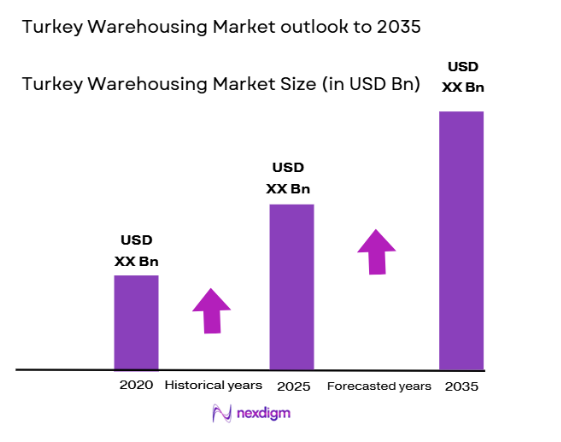
The Turkey warehousing market has witnessed significant growth, with the market size based on recent assessments reaching USD ~ billion. Factors driving this market include the country’s strategic geographical location, rising industrial activities, and the rapid expansion of e-commerce, which has spurred demand for efficient storage solutions. Additionally, government infrastructure initiatives have supported the development of logistics and warehousing facilities, contributing to market growth. With a growing demand for automated and cold storage solutions, the market is expected to continue expanding in the coming years.
Turkey stands as one of the dominant players in the warehousing sector, largely due to its pivotal location connecting Europe, Asia, and the Middle East. Cities such as Istanbul, Ankara, and Izmir serve as key logistics hubs, benefiting from the country’s well-established transport infrastructure, including major airports, ports, and highways. These cities have a robust warehousing network, attracting both international and local players to the market. Moreover, the continued growth of industrial activities and e-commerce has further enhanced the dominance of these urban centers.
Market Segmentation
By Product Type:
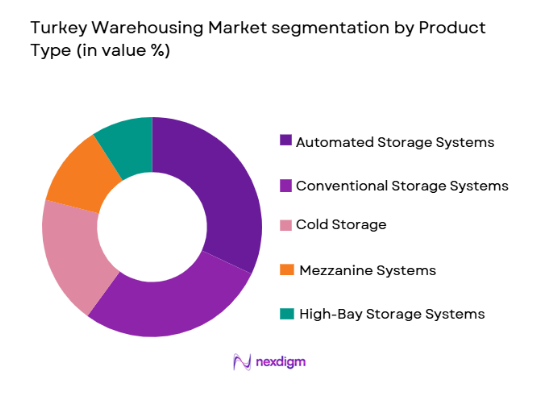
The Turkey warehousing market is segmented by product type into automated storage systems, conventional storage systems, cold storage, mezzanine systems, and high-bay storage systems. Recently, automated storage systems have dominated the market due to their ability to significantly reduce labor costs, increase storage capacity, and streamline operations. The growing trend towards e-commerce, which requires faster order fulfillment and inventory management, has made automated solutions more appealing. With increased investments in robotics and automation, these systems are becoming more efficient, making them a preferred choice in warehouses. The convenience, cost-effectiveness, and precision that automated systems offer have contributed to their leading market share, especially in sectors such as retail, pharmaceuticals, and food storage.
By Platform Type:
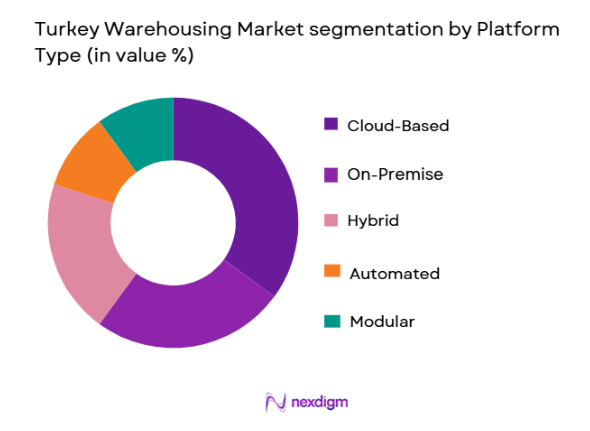
The market is segmented into on-premise, cloud-based, hybrid, automated, and modular platform types. Among these, the cloud-based platform segment has gained substantial market share due to the increasing demand for real-time data analytics, easy accessibility, and scalable solutions. The rapid adoption of cloud computing in warehousing solutions has been driven by the need for improved inventory tracking, enhanced data security, and better integration with e-commerce systems. Cloud-based platforms enable companies to access critical business data from anywhere, streamline operations, and reduce infrastructure costs. This trend is expected to continue to grow, especially as businesses focus on digital transformation and cloud-based logistics management.
Competitive Landscape
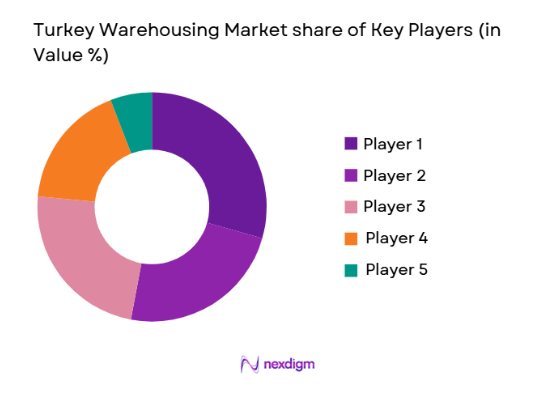
The Turkey warehousing market is highly competitive, with several established and emerging players consolidating their positions. Major global logistics companies and local players are increasing their market presence through strategic partnerships and investments in infrastructure. These companies are focusing on adopting automation and digital solutions to improve efficiency and meet the growing demand for storage and distribution services. Competitive strategies also involve expanding in key logistics hubs, enhancing service offerings, and leveraging technology to improve operations. The market is expected to experience continued consolidation, with larger companies acquiring smaller players to enhance their capabilities.
| Company Name | Establishment Year | Headquarters | Technology Focus | Market Reach | Key Products | Revenue | Additional Market-Specific Parameter |
| Kuehne + Nagel | 1890 | Switzerland | ~ | ~ | ~ | ~ | ~ |
| DHL Supply Chain | 1969 | Germany | ~ | ~ | ~ | ~ | ~ |
| XPO Logistics | 1989 | USA | ~ | ~ | ~ | ~ | ~ |
| Geodis | 1904 | France | ~ | ~ | ~ | ~ | ~ |
| Arkas Logistics | 1989 | Turkey | ~ | ~ | ~ | ~ | ~ |
Turkey Warehousing Market Analysis
Growth Drivers
E-commerce Growth:
The exponential growth of e-commerce in Turkey has driven significant demand for warehousing solutions. With an increasing number of consumers turning to online shopping, businesses need efficient and scalable storage systems to fulfill orders quickly. The shift toward online platforms for shopping has caused a rise in the demand for automated warehouses that can handle large volumes of products, reduce delivery times, and ensure real-time inventory management. With Turkish consumers embracing digital platforms and the penetration of e-commerce platforms such as Trendyol, Hepsiburada, and Amazon, the need for more advanced warehousing solutions is undeniable. As e-commerce continues to thrive, especially in urban areas, the warehousing sector is expected to experience sustained growth. Furthermore, the continued shift towards same-day delivery services has necessitated warehouses in key locations close to major cities. The Turkish government’s support for digital transformation and investments in infrastructure is also helping fuel the growth of the warehousing market, creating a favorable environment for logistics players to thrive.
Technology Adoption:
The warehousing sector in Turkey is experiencing a surge in technological advancements, particularly in automation and digitalization. Automation technologies such as Automated Guided Vehicles (AGVs), robotics, and automated storage and retrieval systems (ASRS) are becoming increasingly popular among warehouse operators. These technologies enable warehouses to improve operational efficiency, reduce human errors, and enhance productivity. With Turkey’s focus on Industry 4.0 and the digital transformation of its industrial sector, warehouses are adopting digital solutions for inventory tracking, management, and real-time data analysis. As companies seek to optimize their supply chains and meet the rising demands of customers, they are turning to innovative technologies to ensure better service delivery. Additionally, the adoption of cloud-based platforms for data storage and management is becoming widespread in Turkey’s warehousing industry, allowing businesses to streamline operations, reduce costs, and enhance visibility across their supply chain.
Market Challenges
High Operational Costs:
One of the biggest challenges facing the Turkey warehousing market is the rising operational costs associated with warehouse management. As the demand for warehouses in key urban locations increases, so does the cost of acquiring land and setting up new facilities. This has led to higher rental prices for warehouses, which in turn raises the overall cost of logistics for businesses. Additionally, the growing need for advanced technologies such as automation, robotics, and real-time data analytics has added significant investment costs for warehouse owners. These costs, although essential for meeting market demands, can strain smaller players in the market, limiting their ability to expand or adopt newer technologies. Moreover, the increasing fuel prices for transportation and the rising costs of labor contribute further to the financial pressures faced by warehouse operators, thus affecting profitability. While larger, well-funded companies can absorb these costs, smaller operators may struggle to maintain competitiveness in a price-sensitive market.
Regulatory Barriers:
The warehousing market in Turkey faces challenges related to regulatory compliance, which adds complexity to warehouse operations. Strict government regulations on health and safety standards, labor laws, and environmental concerns require warehouse operators to invest in the necessary infrastructure and processes to ensure compliance. These regulations often vary across regions and can lead to inconsistencies in how warehouses are designed and operated, particularly when it comes to maintaining high standards of cleanliness, security, and safety. Moreover, the lack of clear guidelines for emerging technologies, such as automation and robotics, can create uncertainty in the market. Without clear regulatory frameworks for these new technologies, companies may be hesitant to invest in them, slowing the pace of innovation in Turkey’s warehousing sector. While the Turkish government has made strides in creating a favorable business environment, additional efforts to streamline regulations and provide more clarity on emerging technologies would benefit the industry.
Opportunities
Expansion of Cold Storage Solutions:
One of the major opportunities in the Turkey warehousing market is the growing demand for cold storage solutions. With the increase in demand for perishable goods, such as pharmaceuticals, food, and chemicals, the need for temperature-controlled warehouses has become a top priority for many businesses. The rise in consumer demand for fresh food and beverages, as well as advancements in the pharmaceutical industry, has created a substantial market for cold storage facilities. Turkey’s position as a major producer of fruits, vegetables, and other perishable goods further fuels the need for reliable cold storage solutions to extend shelf life and ensure product quality. Government incentives and the rapid development of logistics hubs in major cities like Istanbul and Izmir are also encouraging investments in cold storage infrastructure. This sector is expected to grow significantly in the coming years, presenting ample opportunities for players in the warehousing market to expand their portfolios and cater to the growing demand.
Integration of Smart Technologies in Warehousing:
The ongoing digitalization of the Turkish economy presents a unique opportunity for the warehousing market. The adoption of smart technologies, such as IoT-based inventory management, AI-driven predictive analytics, and robotics, is transforming the warehousing landscape. These technologies enable businesses to optimize storage space, reduce operational costs, and enhance supply chain visibility. In addition to operational efficiency, smart technologies improve the overall customer experience by providing accurate and real-time information on inventory levels and delivery status. As companies in Turkey seek to modernize their warehousing facilities, the integration of smart technologies presents a lucrative growth opportunity. The Turkish government’s push for digital transformation, coupled with the increasing demand for data-driven solutions, makes this a timely opportunity for companies operating in the warehousing sector to invest in cutting-edge technology and stay ahead of the competition.
Future Outlook
The future outlook for Turkey’s warehousing market over the next five years looks promising, driven by continued technological advancements and growing demand from key sectors such as e-commerce and cold storage. Automation and cloud-based solutions are expected to become more widespread, further enhancing operational efficiency. Additionally, increased government support for infrastructure development and regulatory reforms is likely to facilitate market growth. Demand for smart and temperature-controlled warehousing solutions will continue to rise as Turkey remains a strategic logistics hub in the region.
Major Players
- Kuehne + Nagel
- DHL Supply Chain
- XPO Logistics
- Geodis
- Arkas Logistics
- DB Schenker
- Yusen Logistics
- TNT Express
- CEVA Logistics
- DB Schenker
- Panalpina
- Agility Logistics
- Kintetsu World Express
- Sinotrans Limited
- Emirates SkyCargo
Key Target Audience
- E-commerce companies
- Retailers
- Logistics providers
- Manufacturers
- Pharmaceutical companies
- Food and beverage companies
- Cold chain service providers
- Transportation companies
Research Methodology
Step 1: Identification of Key Variables
In this phase, we identify the essential variables that impact the warehousing market, such as demand drivers, technological advancements, consumer behavior, and market size trends.
Step 2: Market Analysis and Construction
We analyze the data from secondary and primary sources to assess the size, growth, and segmentation of the warehousing market. This includes evaluating both current and historical market conditions.
Step 3: Hypothesis Validation and Expert Consultation
We validate the findings through expert consultations and interviews with key industry players, ensuring that the data reflects real-time trends and future projections.
Step 4: Research Synthesis and Final Output
The final report is synthesized based on comprehensive data analysis, expert inputs, and market predictions to ensure that it provides actionable insights for stakeholders in the warehousing market.

- Executive Summary
- Research Methodology (Definitions, Scope, Industry Assumptions, Market Sizing Approach, Primary & Secondary Research Framework, Data Collection & Verification Protocol, Analytic Models & Forecast Methodology, Limitations & Research Validity Checks)

- Market Definition and Scope
- Value Chain & Stakeholder Ecosystem
- Regulatory / Certification Landscape
- Sector Dynamics Affecting Demand
- Strategic Initiatives & Infrastructure Growth

- Growth Drivers
Expansion of E-commerce
Increased Demand for Cold Storage
Rising Industrialization
Advancements in Automation Technologies
Government Initiatives in Infrastructure Development - Market Challenges
High Initial Capital Investment
Operational Costs for Automation
Regulatory Compliance Issues
Space Constraints in Urban Areas
Skilled Labor Shortage - Market Opportunities
Growth in E-commerce Fulfillment Centers
Adoption of AI and Robotics in Warehousing
Expansion of Cold Storage Capacity - Trends
Shift Towards Automation and Robotics
Increased Investment in Smart Warehousing Solutions
Rising Demand for E-commerce Fulfillment Centers
Focus on Sustainability in Warehousing Operations
Technological Integration with IoT Systems - Government Regulations & Defense Policy
Compliance with Local Safety Standards
Environmental Regulations for Warehousing Operations
Government Investments in Logistics and Infrastructure - SWOT Analysis
- Stakeholder and Ecosystem Analysis
- Porter’s Five Forces Analysis
- Competition Intensity and Ecosystem Mapping

- By Market Value, 2020-2025
- By Installed Units, 2020-2025
- By Average System Price, 2020-2025
- By System Complexity Tier, 2020-2025

- By System Type (In Value%)
Automated Storage and Retrieval Systems
Conventional Warehousing Systems
Cold Storage Systems
Mezzanine Floor Systems
High Bay Systems - By Platform Type (In Value%)
On-premise Platforms
Cloud-based Platforms
Hybrid Platforms
Automated Platforms
Modular Platforms - By Fitment Type (In Value%)
Standalone Systems
Integrated Systems
Custom-built Solutions
Modular Systems
Hybrid Solutions - By EndUser Segment (In Value%)
Retailers
E-commerce Companies
Manufacturers
Distributors
Logistics Providers - By Procurement Channel (In Value%)
Direct Procurement
Distributors
E-commerce Procurement
Third-party Sourcing
Government Tenders - By Material / Technology (In Value%)
Automated Guided Vehicles (AGVs)
Robotics
IoT Technology
Smart Racking Systems
Cold Chain Technology

- Market structure and competitive positioning
- Market share snapshot of major players
- CrossComparison Parameters (System Type, Platform Type, Procurement Channel, EndUser Segment, Fitment Type, Material/Technology, Price, Market Share, Supplier Network, Operational Efficiency)
- SWOT Analysis of Key Players
- Pricing & Procurement Analysis
- Key Players
Kuehne + Nagel
DHL Supply Chain
XPO Logistics
Geodis
TURKISH Airlines Cargo
DB Schenker
Arkas Logistics
Yusen Logistics
Çelebi Aviation Holding
Güngör Logistics
Kerry Logistics
Kerry Group
Kuehne + Nagel Logistics
Rhenus Logistics
UPS Supply Chain Solutions

- Retailers’ Need for Fast and Efficient Warehousing
- E-commerce Companies Seeking Automation
- Manufacturers’ Focus on Cost-Effective Warehousing Solutions
- Logistics Providers Increasing Demand for Integrated Warehousing Systems

- Forecast Market Value, 2026-2035
- Forecast Installed Units, 2026-2035
- Price Forecast by System Tier, 2026-2035
- Future Demand by Platform, 2026-2035


 Request a Sample
 Ask for Customization
 Get a Quote
 Enquire Now