
 Download PDF
Market Overview
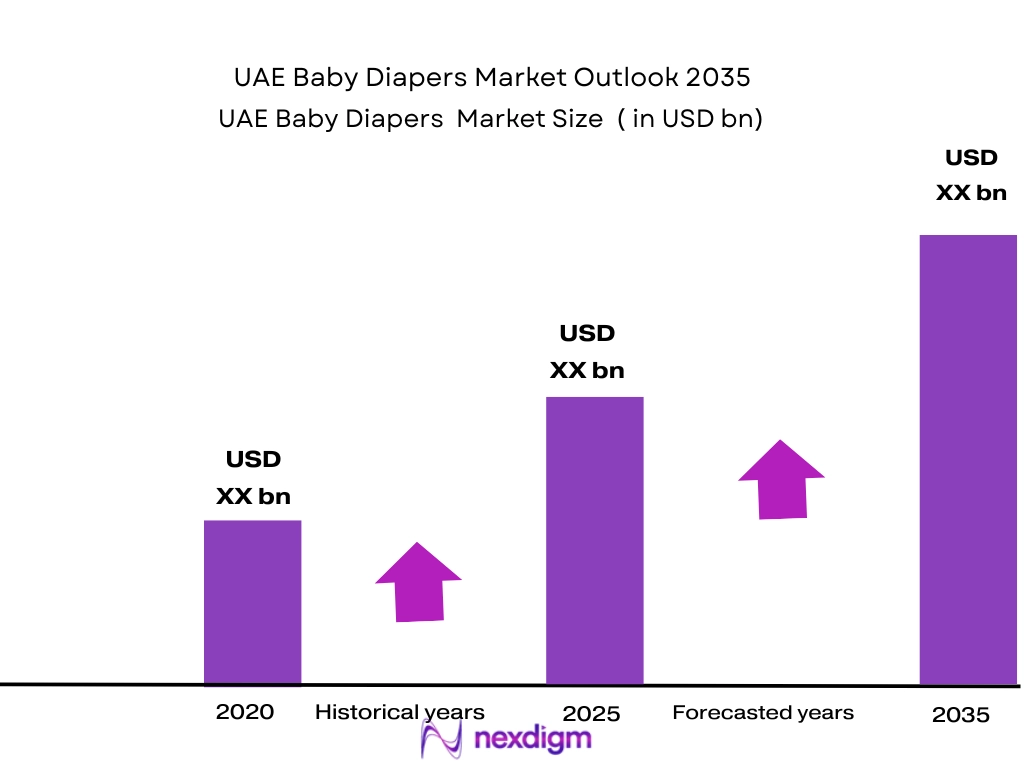
The UAE Baby Diapers market is valued at USD ~ billion. This market growth is driven by the increasing population of infants and toddlers, coupled with rising disposable income and changing lifestyles among consumers. Furthermore, the growing awareness around baby hygiene and comfort has prompted parents to invest in high-quality diaper products. The market has witnessed substantial growth, primarily fueled by the demand for disposable diapers and the development of premium diaper products focusing on skin health and environmental sustainability.
Dubai and Abu Dhabi dominate the UAE Baby Diapers market due to their high population density, affluent consumer base, and modern retail infrastructure. These cities are key commercial hubs, attracting global brands and offering a wide range of baby care products. The availability of a variety of distribution channels, such as hypermarkets, pharmacies, and online retailers, coupled with high purchasing power, makes these cities central to market dominance. Additionally, a high standard of living and health-consciousness among parents has led to increased demand for premium, eco-friendly diaper options.
Market Segmentation
By Product Type
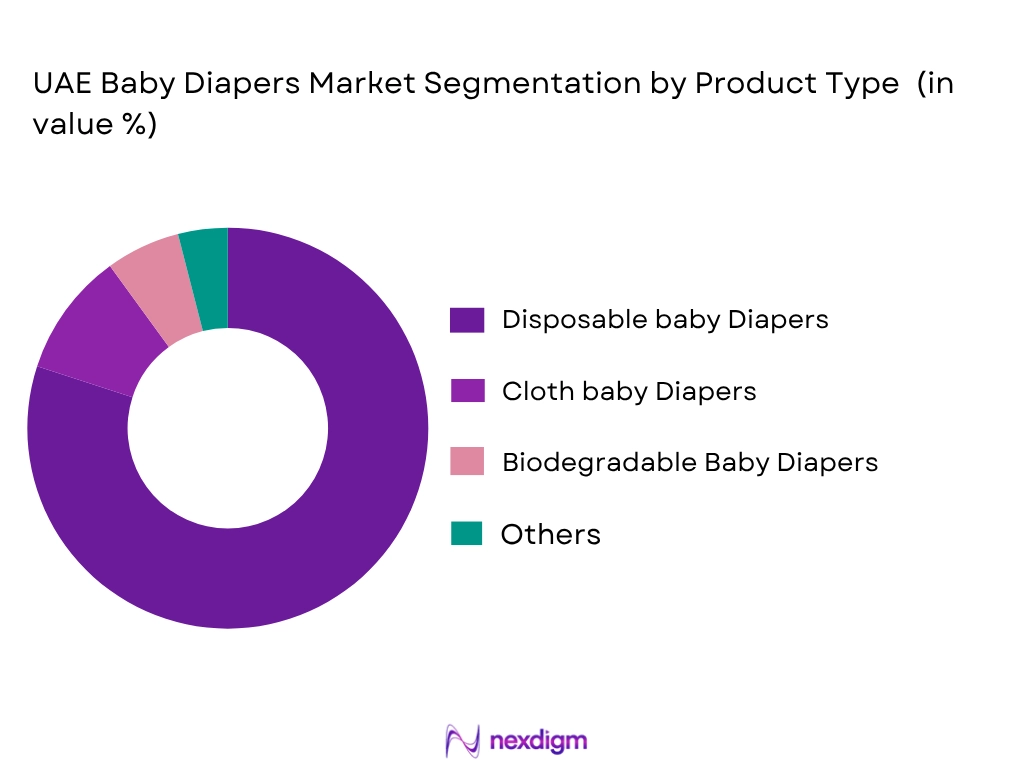
The UAE Baby Diapers market is segmented by product type into disposable baby diapers, cloth baby diapers, biodegradable baby diapers, and others. Disposable baby diapers currently dominate the market. Their popularity is attributed to their convenience, superior absorbency, and single-use nature, which appeal to busy parents seeking hassle-free solutions for baby hygiene. With continuous innovation in product features, such as improved absorbency, breathability, and skin-friendly materials, disposable diapers are expected to maintain their dominant position in the market.
By Distribution Channel
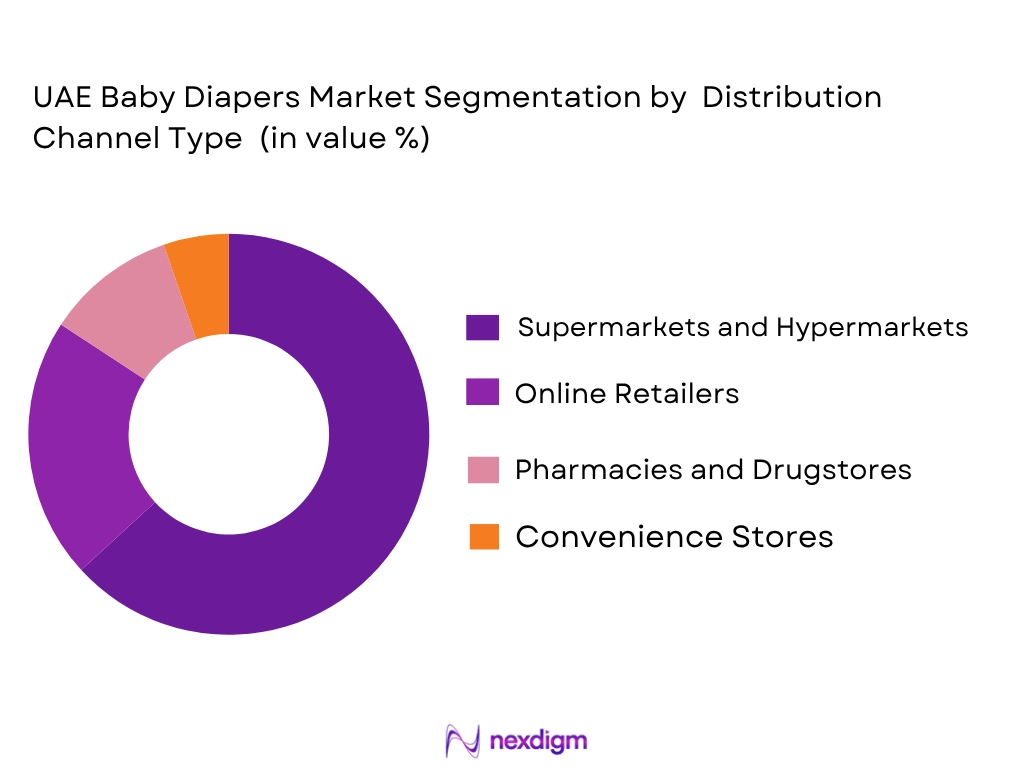
The UAE Baby Diapers market is segmented by distribution channel into hypermarkets and supermarkets, online retailers, pharmacies and drugstores, convenience stores, and others. Hypermarkets and supermarkets lead the market in terms of sales volume. These retail outlets offer a wide range of diaper brands, providing customers with easy access to popular baby care products. The dominance of hypermarkets and supermarkets is due to their wide physical reach, promotional strategies, and the ability to offer bulk purchasing options at discounted prices.
Competitive Landscape
The UAE Baby Diapers market is dominated by a few key players, including international giants such as Procter & Gamble, Kimberly-Clark Corporation, and Unilever, along with regional manufacturers. These companies have a strong brand presence, extensive distribution networks, and significant product innovation. Their market leadership is a result of their ability to meet diverse consumer preferences, focus on quality, and introduce eco-friendly diaper products that appeal to environmentally-conscious parents. The competition also includes local players who focus on cost-effective and specialized products for regional consumers.
| Company | Establishment Year | Headquarters | Revenue (USD) | Product Portfolio | Key Market Strategy | Distribution Reach |
| Procter & Gamble (P&G) | 1837 | Cincinnati, USA | ~ | ~ | ~ | ~ |
| Kimberly-Clark Corporation | 1872 | Irving, USA | ~ | ~ | ~ | ~ |
| Unilever | 1929 | London, UK | ~ | ~ | ~ | ~ |
| Fine Hygienic Holding | 1958 | Dubai, UAE | ~ | ~ | ~ | ~ |
| Essity | 1941 | Stockholm, Sweden | ~ | ~ | ~ | ~ |
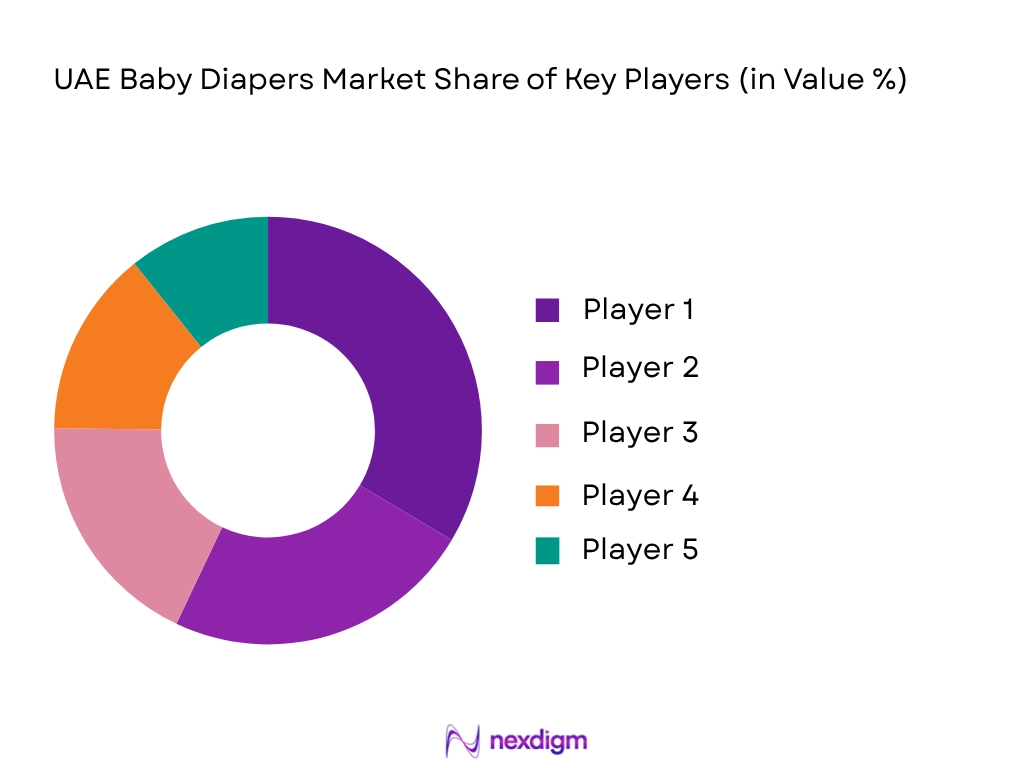
UAE Baby Diapers Market Analysis
Growth Drivers
Increasing Birth Rate and Population Growth
The UAE’s birth rate has seen a steady increase, contributing to the growth of the baby care market, particularly baby diapers. This growth is driven by a high expatriate population, combined with a relatively young population structure in the country. As the number of infants and toddlers rises, the demand for baby diapers, which are essential for daily hygiene, continues to climb. Additionally, the expanding population, particularly in urban areas like Dubai and Abu Dhabi, creates a larger consumer base for baby care products, including diapers, further fueling market growth.
Rising Disposable Income and Changing Lifestyles
Rising disposable income and changing lifestyles in the UAE have led to an increased preference for convenience products, including baby diapers. Parents are willing to spend more on premium, high-quality diapers due to their higher purchasing power. The growing demand for convenience, particularly in busy urban environments, encourages parents to choose disposable diapers over cloth alternatives, thus pushing the demand for disposable products. With modern working parents looking for time-saving solutions, the shift towards disposable diapers has become a key driver of market growth.
Market Challenges
Environmental Concerns and Sustainability
One of the major challenges in the UAE Baby Diapers market is the environmental impact of disposable diapers, which contribute significantly to landfill waste. With increasing consumer awareness regarding environmental sustainability, there is growing pressure to adopt eco-friendly alternatives. Traditional diapers are made from plastic and other materials that take years to degrade, raising concerns about the long-term environmental effects. This challenge has prompted both companies and consumers to explore biodegradable and sustainable diaper options, which could increase costs and complicate supply chains.
Price Sensitivity in the Consumer Market
Despite a relatively high purchasing power in the UAE, many consumers remain price-sensitive, particularly when it comes to everyday products like baby diapers. This sensitivity impacts the demand for premium diaper products, as some parents opt for lower-cost alternatives. The competition between local and international brands has resulted in a wide range of pricing strategies, but brands must balance cost-efficiency with quality to meet the diverse demands of the market. This price sensitivity may hinder the growth of more expensive, eco-friendly, or specialized diapers in certain segments of the population.
Opportunities
Rising Adoption of Eco-friendly and Biodegradable Diapers
There is an increasing shift towards eco-friendly and biodegradable diapers as consumers become more environmentally conscious. With growing awareness of the environmental impact of traditional disposable diapers, parents are seeking alternatives that offer the same convenience while being less harmful to the planet. Companies are responding by developing biodegradable and sustainable diaper products made from natural materials. This trend not only helps in addressing environmental concerns but also presents a lucrative opportunity for companies to cater to a growing niche market of eco-conscious consumers.
Expansion of Distribution Channels and E-commerce Platforms
The UAE’s expanding e-commerce sector presents a significant opportunity for baby diaper brands to reach a wider audience. With the growing reliance on online shopping for convenience and competitive pricing, brands can leverage e-commerce platforms to directly reach consumers. Additionally, traditional retail channels like hypermarkets and pharmacies continue to be vital, but integrating online sales with physical retail offers a hybrid approach that attracts tech-savvy parents. The combination of physical and online retail strategies will enable brands to capitalize on a broader consumer base, particularly in a market with a high number of expatriates and working parents.
Future Outlook
Over the next 5 years, the UAE Baby Diapers market is expected to continue expanding, driven by increasing urbanization, higher disposable income, and growing awareness about baby hygiene. The trend toward eco-friendly and biodegradable diapers is likely to intensify as consumers become more environmentally conscious. Additionally, the rise of e-commerce and online retail platforms will further facilitate the accessibility of baby care products, contributing to market growth. Continued innovations in diaper technology, such as enhanced absorbency and skin-friendly materials, are expected to fuel the demand for premium diaper products.
Major Players in the Market
- Procter & Gamble (P&G)
- Kimberly-Clark Corporation
- Unilever
- Fine Hygienic Holding
- Essity
- Johnson & Johnson
- Saudi German Diapers
- Pampers
- Molfix
- Huggies
- Bambo Nature
- SCA Hygiene Products
- Hengan International Group
- Ontex
- Attends
Key Target Audience
- Investors and Venture Capitalist Firms
- Government and Regulatory Bodies
- Retailers and E-commerce Platforms
- Manufacturers of Baby Care Products
- Distribution and Wholesale Companies
- Regional Baby Care Product Brands
- Hospitals and Maternity Centers
- NGOs focusing on child welfare and hygiene
Research Methodology
Step 1: Identification of Key Variables
In this phase, a comprehensive understanding of the UAE Baby Diapers market is developed by identifying key variables such as product types, consumer preferences, and distribution channels. Extensive desk research and analysis of industry reports are used to construct an ecosystem map and determine the factors influencing the market dynamics.
Step 2: Market Analysis and Construction
This phase involves the collection and analysis of historical data, focusing on market trends, product segmentation, and geographical growth. Key performance metrics, including revenue generation, market share, and the growth rate of various segments, are analyzed in-depth to validate market estimates and forecast future growth.
Step 3: Hypothesis Validation and Expert Consultation
Market hypotheses and models are validated through in-depth consultations with industry experts and key stakeholders such as diaper manufacturers, retailers, and government officials. These consultations help refine assumptions and validate the accuracy of market data.
Step 4: Research Synthesis and Final Output
The final phase involves synthesizing all research findings and compiling a comprehensive report that includes detailed analysis on market size, trends, segmentation, and future projections. Data collected from primary and secondary sources are corroborated to ensure the reliability and accuracy of the final output.

- Executive Summary
- Research Methodology (Market Definitions and Assumptions, Abbreviations, Market Sizing Approach, Consolidated Research Approach, Understanding Market Potential Through In-Depth Industry Interviews, Primary Research Approach, Limitations and Future Conclusions)

- Definition and Scope
- Market Dynamics Overview
- Market Genesis
- Major Players and Market Timeline
- Business Cycle and Trends
- Supply Chain and Value Chain Analysis

- Growth Drivers
Increasing Birth Rate and Population Growth
Rising Disposable Income and Changing Lifestyles
Increased Awareness of Hygiene and Baby Care Products
High Demand for Convenience and Quality Products
Growth of E-Commerce and Online Retail Channels - Market Challenges
Environmental Concerns and Sustainability
Fluctuations in Raw Material Prices
Price Sensitivity in the Consumer Market
Regulatory Compliance and Quality Assurance
Competition from Cloth and Biodegradable Diapers - Opportunities
Rising Adoption of Eco-friendly and Biodegradable Diapers
Growing Demand for Premium and Specialized Diapers
Expansion of Distribution Channels and E-commerce Platforms
Increased Awareness and Focus on Baby Health and Hygiene
Innovations in Diaper Technology (Absorbency, Breathability, etc.) - Key Trends
Shift Toward Eco-friendly and Sustainable Diapers
Increased Demand for Premium Diaper Brands
Growth of Online Shopping for Baby Care Products
Rising Preference for Diapers with Natural Ingredients
Innovations in Packaging and Design - Government Regulations
- SWOT Analysis
- Porter’s Five Forces

- By Value, 2020–2025
- By Volume, 2020–2025
- By Average Price, 2020–2025

- By Product Type (In Value %)
Disposable Baby Diapers
Cloth Baby Diapers
Biodegradable Baby Diapers
Others - By Age Group (In Value %)
Newborn
Infant (0–12 months)
Toddler (1–3 years)
Others - By Distribution Channel (In Value %)
Hypermarkets and Supermarkets
Online Retailers
Pharmacies and Drugstores
Convenience Stores - By Region (In Value %)
Dubai
Abu Dhabi
Sharjah
Northern Emirates
Rest of UAE

- Market Share of Major Players by Value/Volume
- Market Share of Major Players by Product Type
- Cross Comparison Parameters(Company Overview, Business Strategies, Recent Developments, Strength, Weakness, Organizational Structure, Revenues, Revenues by Product Type, Number of Touchpoints, Distribution Channels, Number of Dealers and Distributors, Margins, Production Plant, Capacity, Unique Value Offering and Others)
- SWOT Analysis of Major Players
- Pricing Analysis Based on Product Categories for Major Players
- Detailed Profiles of Major Companies
Procter & Gamble (P&G)
Kimberly-Clark Corporation
Unilever
Johnson & Johnson
Essity
Saudi German Diapers
Fine Hygienic Holding
SCA Hygiene Products
Bambo Nature
Huggies
Pampers
Molfix
Ontex
Attends

- Market Demand and Utilization
- Purchasing Power and Budget Allocations
- Regulatory and Compliance Requirements
- Needs, Desires, and Pain Point Analysis
- Decision-Making Process

- By Value, 2026–2035
- By Volume, 2026–2035
- By Average Price, 2026–2035


 Request a Sample
 Ask for Customization
 Get a Quote
 Enquire Now