
 Download PDF
Market Overview
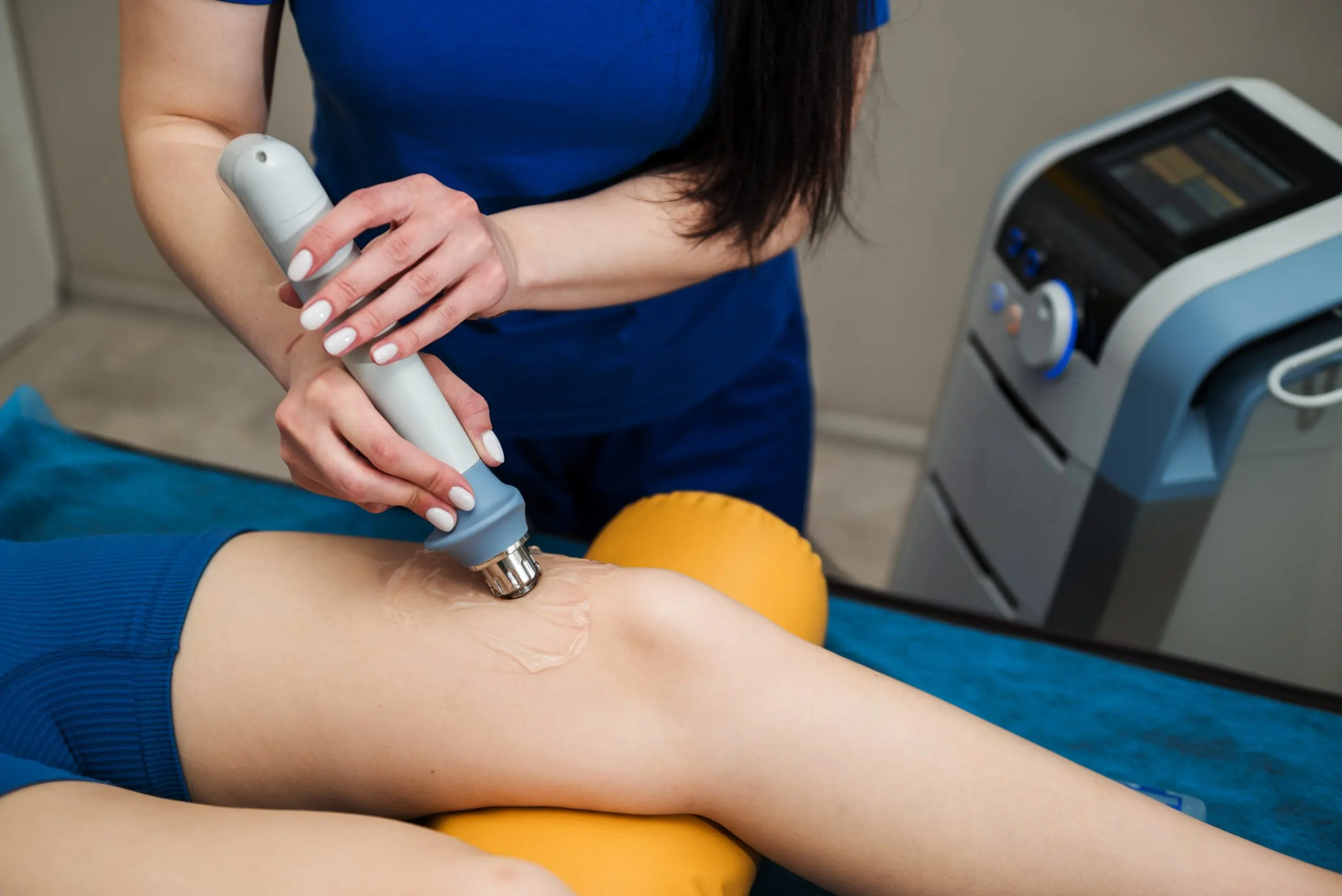
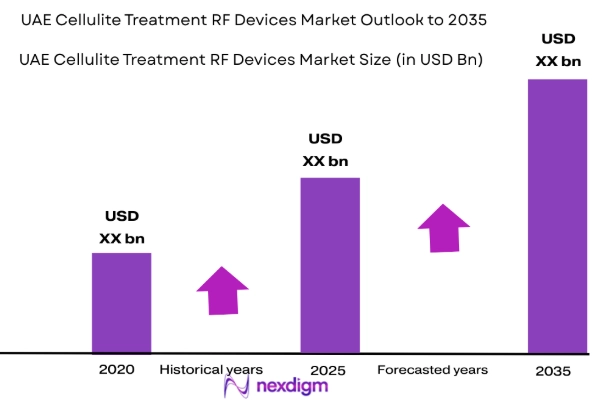
The UAE Cellulite Treatment RF Devices market has experienced significant growth over the past few years. It is valued at USD ~ billion in 2025, reflecting a strong demand for non-invasive aesthetic treatments. The key drivers of this market include the increasing awareness and preference for non-surgical aesthetic solutions, as well as advancements in radiofrequency (RF) technology, which offer effective treatments for cellulite. Additionally, the rising disposable income and a burgeoning medical tourism sector in the UAE contribute significantly to the market’s expansion. The growing adoption of RF devices in medical spas, clinics, and dermatology centers further enhances market growth.
Dubai and Abu Dhabi are the dominant cities in the UAE Cellulite Treatment RF Devices market. Dubai, with its status as a global tourism hub, attracts a large number of international consumers seeking aesthetic treatments. The city’s well-established healthcare infrastructure, coupled with its reputation for high-end medical spas, makes it a primary market for RF devices. Abu Dhabi, with its expanding population and wealth, is another key city in the market, offering access to advanced technologies through leading dermatology and plastic surgery centers. Both cities benefit from the growing demand for luxury wellness and medical tourism, further driving the use of RF cellulite treatments.
Market Segmentation
By Device Type
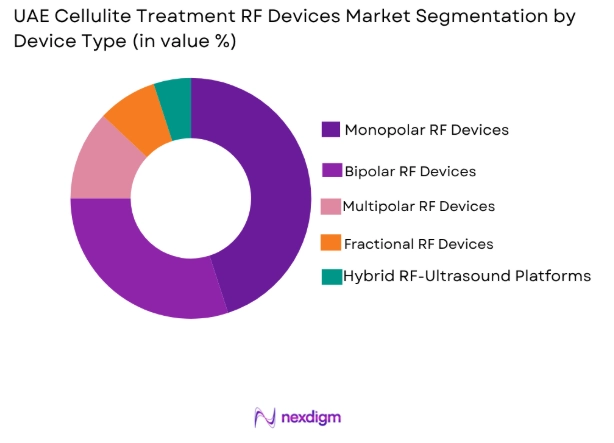
The UAE Cellulite Treatment RF Devices market is segmented by device type into monopolar RF devices, bipolar RF devices, multipolar RF devices, fractional RF devices, and hybrid RF-ultrasound platforms. The monopolar RF devices dominate the market share due to their effectiveness in delivering targeted energy and deep tissue penetration, which helps reduce the appearance of cellulite. These devices are widely used in aesthetic clinics and medical spas for their proven results in body contouring. Bipolar RF devices are gaining traction as well, especially in tightening and rejuvenating skin, but monopolar devices maintain a stronger presence due to their faster treatment times and high consumer demand.
By Application Type
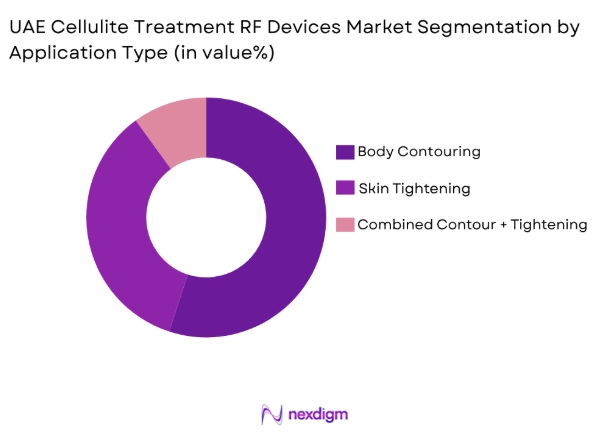
The market is also segmented by application into body contouring, skin tightening, and combined contour and tightening protocols. Body contouring dominates the market share due to its high demand for cellulite reduction treatments. This segment is driven by the effectiveness of RF devices in targeting subcutaneous fat, improving blood circulation, and enhancing collagen production, which leads to smoother skin. Skin tightening, though important, has a slightly smaller share as its focus is often on facial treatments, while body contouring remains the primary application for cellulite treatment. The combined protocol segment is also gaining ground as patients seek comprehensive solutions for both cellulite and skin tightening in a single session.
Competitive Landscape
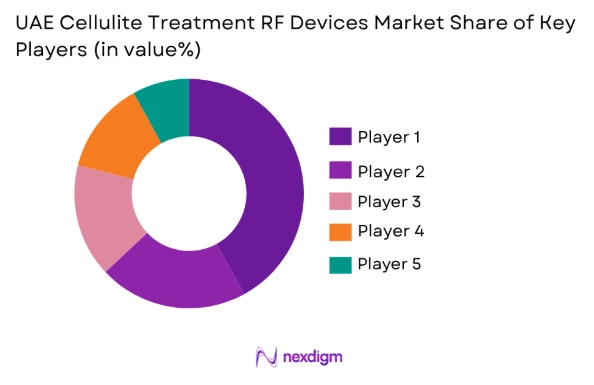
The UAE Cellulite Treatment RF Devices market is characterized by the presence of both global and regional players, with a few dominant manufacturers leading the charge. Companies like InMode, Cynosure, and BTL Industries have a significant market share, offering innovative RF devices that cater to the aesthetic needs of both local and international clients. The market is highly competitive, with continuous advancements in RF technology driving product differentiation. These major players are investing in expanding their distribution networks, partnering with high-end aesthetic clinics, and providing comprehensive service packages to enhance customer satisfaction.
| Company Name | Establishment Year | Headquarters | Regulatory Approvals | Clinical Evidence Base | Pricing Strategy | Service Support Network | Device Range | Customer Base |
| InMode | 2008 | Israel | ~ | ~ | ~ | ~ | ~ | ~ |
| Cynosure | 1991 | USA | ~ | ~ | ~ | ~ | ~ | ~ |
| BTL Industries | 1993 | Czech Republic | ~ | ~ | ~ | ~ | ~ | ~ |
| Venus Concept | 2001 | Canada | ~ | ~ | ~ | ~ | ~ | ~ |
| Pollogen | 2000 | Israel | ~ | ~ | ~ | ~ | ~ | ~ |
UAE Cellulite Treatment RF Devices Market Analysis
Growth Drivers
High Disposable Income Segment Growth
The UAE has one of the highest per capita incomes in the world, with a GDP per capita of USD 43,103 in 2022, contributing to significant disposable income in the population. This allows for increased consumer spending on luxury and aesthetic treatments, including RF devices for cellulite reduction. With the median household income in Dubai averaging AED 17,000 per month, the growing upper-middle-class and affluent population are significantly contributing to the demand for non-invasive cosmetic treatments. The rise in luxury healthcare and wellness spending is a direct result of this demographic’s increasing purchasing power.
Increasing RF Technology Adoption
RF technology adoption in the UAE aesthetic market is accelerating, driven by innovations in non-invasive treatments that offer faster recovery times and effective results for cellulite and body contouring. As of 2023, 60% of clinics in Dubai and Abu Dhabi offer RF-based treatments, reflecting the increasing reliance on these technologies. The UAE’s push for technological advancement in its healthcare sector has fostered the integration of RF technology in aesthetic treatments, with significant investments from the private sector to adopt cutting-edge equipment. This adoption is expected to grow, fueled by the rising
demand for non-surgical options in body reshaping.
Market Restraints
Device Costs vs. Clinic Budget
While the demand for RF devices is rising, the high upfront costs of purchasing advanced RF equipment present a challenge for many clinics in the UAE. The average cost for an RF system can range from USD 30,000 to USD 100,000, which can strain the financial resources of smaller clinics or those in their early stages. With the UAE’s healthcare sector experiencing rapid expansion, clinics may face difficulties justifying these high capital investments, particularly as smaller clinics have limited budgets. As a result, the adoption of RF devices is often restricted to larger, more established centers. Source: UAE Healthcare Report, 2023
Regulatory Clearance Timelines
Obtaining the necessary regulatory approvals for RF devices in the UAE can be a time-consuming process. The Ministry of Health and Prevention (MOHAP) has stringent requirements for product registration, clinical testing, and compliance with local medical standards. The approval process can take up to 12 months, which delays market entry for new devices. Furthermore, any new technological advancements in RF treatments must undergo rigorous testing before being authorized for use in clinical settings. This regulatory delay can prevent smaller clinics from accessing cutting-edge technologies in a timely manner, hindering market growth in the short term.
Market Opportunities
Hybrid RF Devices
Hybrid RF-ultrasound platforms are emerging as a key opportunity within the UAE market, combining the benefits of both RF and ultrasound technologies for more comprehensive and effective treatments. This hybrid approach offers faster results and enhanced patient satisfaction compared to standalone RF devices. As of 2023, hybrid devices are gaining traction in high-end clinics, with demand for such multi-modality devices growing by approximately 25%. The UAE’s push towards offering innovative and non-invasive cosmetic solutions aligns with the increasing integration of hybrid technologies, creating a strong growth opportunity for this segment. Clinics that adopt hybrid RF technology report higher patient retention rates and satisfaction, as it delivers more versatile treatment options. Source: UAE Ministry of Health and Prevention
Performance‑Based Financing
Another emerging opportunity in the UAE market is the shift towards performance-based financing models for RF device purchases and leasing. This model, which ties payments to the efficacy of the treatments delivered, is appealing to clinics with limited budgets, as it reduces the upfront financial burden. In 2023, several key players in the UAE’s medical device sector started offering performance-based agreements to attract clinics, which have seen higher adoption rates as a result. This financing model also addresses cost concerns and ensures clinics pay only when the device meets certain performance benchmarks, making it an attractive opportunity in the current market. Source: UAE Ministry of Health and Prevention
Future Outlook
Over the next five years, the UAE Cellulite Treatment RF Devices market is expected to continue its growth trajectory. Key factors influencing this outlook include ongoing advancements in RF technology, a rising preference for non-invasive aesthetic treatments, and the continued growth of the medical tourism sector in the UAE. The introduction of hybrid RF-ultrasound platforms, combined with enhanced patient experiences and improved treatment outcomes, is expected to bolster market expansion. Additionally, increasing disposable incomes and growing awareness among consumers about body contouring treatments will further drive the adoption of RF devices.
Major Players
- InMode
- Cynosure
- BTL Industries
- Venus Concept
- Pollogen
- Syneron Candela
- Alma Lasers
- Cutera
- Lumenis
- Medytox
- Zeltiq
- Aesthetics Biomedical
- Viora
- EndyMed
- SharpLight Technologies
Key Target Audience
- Investments and venture capitalist firms
- Government and regulatory bodies (UAE Ministry of Health and Prevention)
- Aesthetic clinics and dermatology centers
- Medical spa owners and operators
- Hospital chains and private healthcare providers
- Distributors of aesthetic devices and equipment
- Medical device manufacturers specializing in RF technologies
- International healthcare providers seeking to enter the UAE market
Research Methodology
Step 1: Identification of Key Variables
The initial phase involves constructing an ecosystem map of the UAE Cellulite Treatment RF Devices market by identifying the key variables that affect market growth, including regulatory factors, consumer preferences, and technological advancements. This is achieved through secondary data collection, including industry reports, market research, and academic articles.
Step 2: Market Analysis and Construction
This phase includes analyzing historical data to understand market trends, revenue generation, and growth factors in the UAE market. By evaluating the penetration of RF devices and their adoption across different regions and clinics, a clearer market picture is formed. Additionally, an assessment of the competitive landscape helps identify gaps and opportunities.
Step 3: Hypothesis Validation and Expert Consultation
Market hypotheses are validated through interviews with industry experts, including manufacturers, healthcare professionals, and distributors. These consultations provide operational and financial insights, helping to refine the market data and hypotheses developed in the earlier steps.
Step 4: Research Synthesis and Final Output
In the final phase, the research synthesis consolidates findings from expert interviews, secondary data, and direct consultations with key stakeholders in the UAE Cellulite Treatment RF Devices market. This ensures the accuracy and comprehensiveness of the market analysis, resulting in actionable insights for stakeholders.

- Executive Summary
- Research Methodology (Market Definitions and Device Classification, RF Technology Taxonomy, Data Sources & Verification, Primary & Secondary Intelligence Synthesis, Forecast Modeling Assumptions, Risk Scenarios)

- Market Definition & Scope
- Macro Environmental Context
- RF Device Role in Aesthetic Procedures
- Service Delivery Models
- Supply & Value Chain Mapping

- Growth Drivers
High Disposable Income Segment Growth
Increasing RF Technology Adoption
- Market Restraints
Device Costs vs. Clinic Budget
Regulatory Clearance Timelines
- Opportunities
Hybrid RF Devices
Performance‑Based Financing, - Regulatory, Reimbursement & Compliance Framework
Emirates Health Regulatory Authority Protocols
Device Registration & Safety Standards
Clinical Outcome Documentation Requirements
Reimbursement Coverage & Self‑Pay Trends - Swot Analysis
- Porter’s Five Forces

- By Value,2020-2025
- By Volume,2020-2025
- By Average Price,2020-2025

- By Device Type (In Value %)
RF Monopolar Devices
RF Bipolar Devices
Multipolar RF
Fractional RF
Hybrid RF‑Ultrasound Platforms - By Application Type (In Value %)
Body Contouring
Skin Tightening
Combined Contour + Tightening Protocols - By End User (In Value %)
Hospitals
Specialist Aesthetic Clinics
Dermatology & Plastic Surgery Centers (Procedure Mix)
MedSpas (Footfall Conversion Metrics) - By Distribution Channel (In Value %)
Direct OEM Sales
Medical Wholesalers (Channel Margin Structures)
Leasing & Device‑as‑a‑Service (Financing Terms)
Online & Cross‑Border Procurement (Customs Duty Impact) - By Pricing Tier (In Value %)
Premium RF Systems (Clinical Validation Score)
Mid‑Tier Devices (Operational ROI)
Entry‑Level / Portable RF Devices (Home‑Use Penetration)

- Competitive Footprint by Market Share
- Cross Comparison Parameters (Company Overview, Regulatory Approvals, Clinical Evidence Base, RF Technology Specialization, Service Support Networks, Pricing Tier, Channel Partner Count, Installed Base Growth Rate)
- SWOT – Major Competitors
- Pricing & Value Tier Analysis
- Detailed Player Profiles
Merz Pharma
Cynosure
BTL Industries
Venus Concept
Cutera
Pollogen
Syneron Candela
InMode
Alma Lasers
Lumenis
Zimmer Aesthetics
Beijing Nubway
The Insight Partners OEMs
SharpLight Technologies
EndyMed Medical

- Service Mix Analysis
- Purchasing Criteria & Budget Allocations
- Clinic Lifecycle & Upgrade Patterns
- Pain Points in Technology Deployment

- By Value, 2026-2035
- By Volume, 2026-2035
- By Average Price, 2026-2035


 Request a Sample
 Ask for Customization
 Get a Quote
 Enquire Now