
 Download PDF
Market Overview
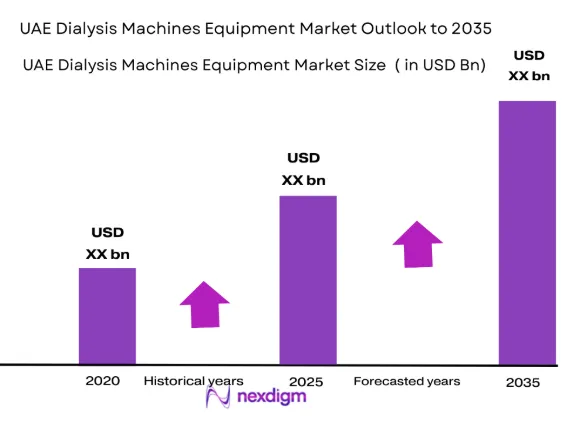
The UAE Dialysis Machines Equipment market has experienced substantial growth, driven by an increasing number of patients suffering from chronic kidney disease (CKD) and the demand for improved healthcare infrastructure. Based on a recent historical assessment, the market is valued at approximately USD ~ billion. The expansion of dialysis services in the region, both in hospitals and at home, has significantly contributed to this growth. The presence of government support, alongside investments in medical technology, has driven the market’s upward trajectory, making dialysis equipment more accessible.
Cities like Dubai, Abu Dhabi, and Sharjah lead the UAE Dialysis Machines Equipment market due to their robust healthcare infrastructure and advanced medical services. Dubai, in particular, stands out for its well-established private healthcare system and rapid technological adoption, making it a key player in medical innovation. The dominance of these cities is attributed to factors such as high healthcare investments, favorable regulatory environments, and a growing expatriate population with increasing healthcare demands. These regions remain critical to the market’s success and future development.
Market Segmentation
By Product Type
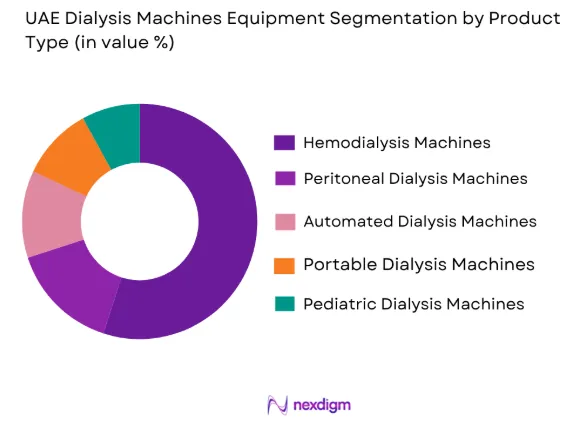
The UAE Dialysis Machines Equipment market is segmented by product type into hemodialysis machines, peritoneal dialysis machines, automated dialysis machines, portable dialysis machines, and pediatric dialysis machines. Recently, hemodialysis machines have a dominant market share due to factors such as high demand in hospital settings and the availability of advanced technologies. Hospitals and clinics continue to favor hemodialysis machines due to their reliability, effectiveness, and well-established treatment protocols. The preference for these machines has driven significant growth in this segment, aligning with the rising incidence of kidney diseases in the region.
By Platform Type
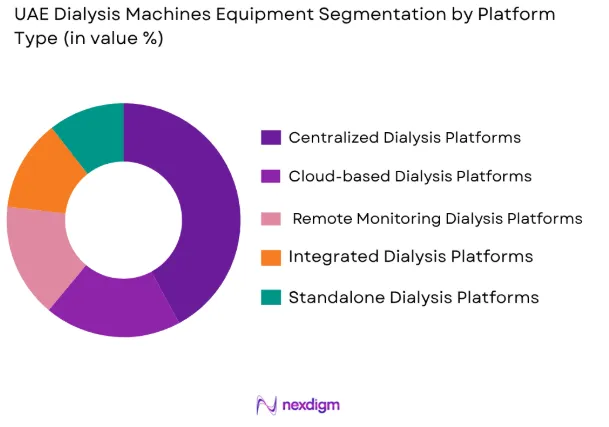
The market is also segmented by platform type into centralized dialysis platforms, cloud-based dialysis platforms, remote monitoring dialysis platforms, integrated dialysis platforms, and standalone dialysis platforms. Recently, centralized dialysis platforms have dominated the market due to their widespread adoption in large healthcare facilities and dialysis centers. These platforms offer comprehensive services and are efficient for handling a high volume of patients, driving their preference across major healthcare providers. The efficiency and centralized control they offer in treatment management have made them the go-to solution for dialysis treatment in the region.
Competitive Landscape
The competitive landscape of the UAE Dialysis Machines Equipment market is characterized by a mix of global and regional players. Major companies are engaged in continuous innovation to enhance the functionality of their dialysis machines and expand their market reach. As the market is consolidated with a few large players holding a significant share, these companies have a high impact on shaping market trends and influencing demand. They are also actively involved in strategic partnerships, acquisitions, and technological advancements to maintain their leadership.
| Company Name | Establishment Year | Headquarters | Technology Focus | Market Reach | Key Products | Revenue (USD) |
| Fresenius Medical Care | 1996 | Germany | ~ | ~ | ~ | ~ |
| Baxter International | 1931 | USA | ~ | ~ | ~ | ~ |
| DaVita Healthcare Partners | 1999 | USA | ~ | ~ | ~ | ~ |
| Nipro Corporation | 1954 | Japan | ~ | ~ | ~ | ~ |
| Medtronic | 1949 | Ireland | ~ | ~ | ~ | ~ |
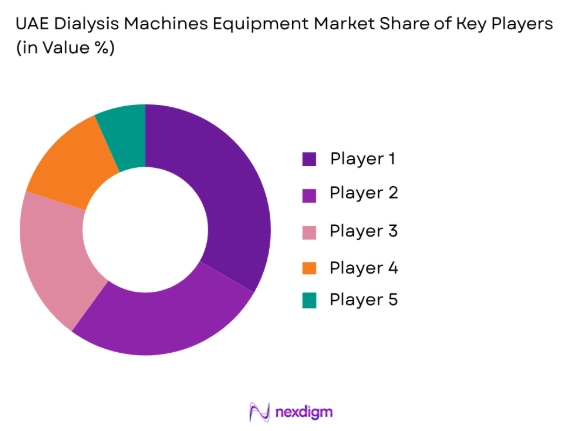
UAE Dialysis Machines Equipment Market Analysis
Growth Drivers
Increasing Prevalence of Kidney Diseases
The increasing prevalence of kidney diseases, particularly chronic kidney disease (CKD), is a major growth driver for the dialysis machine market. In 2022, the Global Burden of Disease Study reported that around 850 million people worldwide suffer from kidney diseases, and this number continues to rise due to factors such as diabetes, hypertension, and aging populations. In the UAE, chronic kidney disease cases have increased significantly, with the Ministry of Health and Prevention (MOHAP) reporting over 10,000 cases of end-stage renal disease (ESRD) in 2022. This growing burden on the healthcare system fuels the demand for dialysis treatments and machines. Source: World Health Organization, MOHAP
Government Healthcare Initiatives and Support
Government support and healthcare initiatives play a crucial role in driving the dialysis machine market. In the UAE, the government has allocated significant resources to improve healthcare infrastructure, particularly for the treatment of kidney diseases. The UAE government’s Vision 2021 and the National Health Strategy emphasize expanding healthcare services, including dialysis treatments, across the country. In 2022, the UAE Ministry of Health increased its investments in kidney disease prevention and treatment, allocating AED 200 million towards the expansion of dialysis units in hospitals and clinics. These initiatives support a broader adoption of dialysis machines and services.9
Market Challenges
High Cost of Dialysis Machines
The high cost of dialysis machines remains one of the significant challenges for widespread access to dialysis treatment. In the UAE, a single dialysis machine costs upwards of AED 50,000, and the cost of dialysis treatments can be prohibitive for many patients, particularly those without comprehensive insurance coverage. According to the UAE Ministry of Health, healthcare expenditure on dialysis services exceeded AED 1.5 billion in 2022, largely due to the ongoing need for specialized equipment and consumables. These high upfront costs for both patients and healthcare institutions act as barriers to expanding dialysis access.
Shortage of Skilled Healthcare Professionals
The shortage of skilled healthcare professionals, including nephrologists and dialysis technicians, is a significant barrier to the growth of the dialysis market. In 2022, the World Health Organization reported a global shortage of healthcare workers, particularly in specialized fields such as nephrology. In the UAE, the demand for trained dialysis technicians has grown in tandem with the increasing prevalence of kidney diseases, but the number of qualified professionals has not kept pace. The country has fewer than 300 licensed nephrologists, with training and recruitment efforts falling short of meeting the growing demand for kidney care services. Source: World Health Organization, UAE Health Workforce
Market Opportunities
Growing Demand for Home-Based Dialysis
The growing demand for home-based dialysis presents a major opportunity in the UAE market. With the increasing prevalence of chronic kidney disease, there is a shift toward home dialysis solutions, particularly peritoneal dialysis and home hemodialysis. In 2022, more than 7,000 dialysis patients in the UAE were using home dialysis options, with government initiatives focusing on expanding this market. The UAE Ministry of Health has been promoting home-based dialysis as part of its strategy to reduce healthcare costs and improve patient convenience, with increasing investments to expand home dialysis programs.
Expansion of Dialysis Infrastructure
The expansion of dialysis infrastructure in the UAE represents a significant opportunity for the market. The UAE government has invested heavily in healthcare infrastructure to meet the needs of its growing kidney disease patient population. In 2022, the UAE Ministry of Health increased its dialysis facility capacity by 20%, with a focus on expanding services in both public and private hospitals. This infrastructure growth is expected to continue with the addition of more dialysis units in regional and rural areas, improving access to treatment and driving demand for dialysis machines and associated equipment.
Future Outlook
The future outlook for the UAE Dialysis Machines Equipment market is promising, with expected growth driven by technological advancements, government initiatives, and rising demand for kidney care. As healthcare providers continue to invest in modern dialysis technologies and expand their infrastructure, the market is poised for steady growth. The increasing popularity of home dialysis, along with advancements in remote monitoring and portable dialysis machines, is expected to change the landscape of kidney care. The continued efforts of the government and private sector to improve healthcare accessibility and affordability will also contribute to the market’s positive trajectory.
Major Players
- Fresenius Medical Care
- Baxter International
- DaVita Healthcare Partners
- Nipro Corporation
- Medtronic
- Asahi Kasei Medical
- B. Braun Melsungen AG
- Gambro (a part of Baxter)
- Dialife S.A.
- Hitachi Ltd.
- Japan Lifeline Co., Ltd.
- Infomed
- NephroPlus
- Renal Solutions, Inc.
- Dialysis Clinic Inc.
Key Target Audience
- Investments and venture capitalist firms
- Government and regulatory bodies
- Dialysis centers and hospitals
- Medical equipment distributors
- Health insurance companies
- Healthcare technology providers
- Pharmaceutical companies involved in renal care
- Healthcare infrastructure developers
Research Methodology
Step 1: Identification of Key Variables
The first step involves identifying the key market variables that influence the demand and supply of dialysis machines in the UAE. This includes understanding the factors such as prevalence of kidney diseases, healthcare infrastructure, and regulatory support.
Step 2: Market Analysis and Construction
This phase involves conducting an in-depth analysis of the market, identifying key trends, challenges, and opportunities. It includes gathering data on market size, segmentation, and the competitive landscape to construct a comprehensive market model.
Step 3: Hypothesis Validation and Expert Consultation
At this stage, market hypotheses are tested and validated through consultations with industry experts and key players. This helps to ensure the accuracy of the assumptions made in the previous steps.
Step 4: Research Synthesis and Final Output
The final output is the synthesis of all research findings, including a detailed report on the UAE Dialysis Machines Equipment market. The data is compiled into actionable insights and presented to stakeholders.

- Executive Summary
- Research Methodology (Definitions, Scope, Industry Assumptions, Market Sizing Approach, Primary & Secondary Research Framework, Data Collection & Verification Protocol, Analytic Models & Forecast Methodology, Limitations & Research Validity Checks, Abbreviations, Market Sizing Approach, Consolidated Research Approach, Industry Expert Interviews, Primary Data Collection, Limitations)

- Definition and Scope of Dialysis Machines
- Overview Genesis of Dialysis Industry in the UAE
- Dialysis Market Evolution and Healthcare Landscape
- Current Healthcare System and Dialysis Infrastructure in UAE
- Overview of Regulatory Environment for Dialysis Machines

- Growth Drivers
Increasing prevalence of kidney diseases
Government healthcare initiatives and support
Technological advancements in dialysis equipment - Market Challenges
High cost of dialysis machines
Shortage of skilled healthcare professionals
Limited accessibility in remote areas - Market Opportunities
Growing demand for home-based dialysis
Expansion of dialysis infrastructure
Rising awareness and early detection of kidney diseases - Trends
Shift towards portable and automated dialysis systems
Integration of AI and IoT in dialysis machines
Increasing focus on patient-centered care - Government Regulations
- SWOT Analysis of Key Competitors
- Porter’s Five Forces

- By Value. 2020-2025
- By Volume, 2020-2025
- By Average Selling Price Trends , 2020-2025
- Installed Base and Replacement Cycles, 2020-2025

- By Product Type (In Value%)
Hemodialysis Machines
Peritoneal Dialysis Machines
Automated Dialysis Machines
Portable Dialysis Machines
Pediatric Dialysis Machines - By Platform Type (In Value%)
Centralized Dialysis Platforms
Cloud-based Dialysis Platforms
Remote Monitoring Dialysis Platforms
Integrated Dialysis Platforms
Standalone Dialysis Platforms - By Fitment Type (In Value%)
Hospital Fitments
Home Dialysis Fitments
In-Center Dialysis Fitments
Mobile Dialysis Fitments
Multi-purpose Dialysis Fitments - By End User Segment (In Value%)
Hospitals
Dialysis Centers
Home Dialysis Patients
Healthcare Institutions
Ambulatory Surgery Centers - By Procurement Channel (In Value%)
Direct Procurement
Distributor Procurement
Online Procurement
Government Procurement
Hospital Procurement

- Market Share Analysis
- Cross Comparison Parameters(Price, System Complexity, Platform Type, End-User Segment, Procurement Channel, Business Strategies, Product Portfolios, Geographic Presence, R&D Investment, Market Reach, Distribution Network, Manufacturing Capacity)
Profiles of Major Companies - SWOT Analysis of Key Competitors
- Pricing & Procurement Analysis
- Key Players
Fresenius Medical Care
Baxter International
DaVita Healthcare Partners
Nipro Corporation
Asahi Kasei Medical
B. Braun Melsungen AG
Medtronic
Dialife S.A.
Kawasumi Laboratories Inc.
Gambro (a part of Baxter)
Hitachi Ltd.
Japan Lifeline Co., Ltd.
Infomed
NephroPlus
Renal Solutions, Inc

- Hospitals as major consumers of dialysis machines
- Rise in private dialysis centers
- Growing preference for home dialysis
- Increased demand from rural healthcare facilities

- By Value, 2026-2035
- By Volume, 2026-2035
- By Average Selling Price Trends , 2026-2035
- Installed Base and Replacement Cycles, 2026-2035


 Request a Sample
 Ask for Customization
 Get a Quote
 Enquire Now