

 Download PDF
 Download PDF
Market Overview
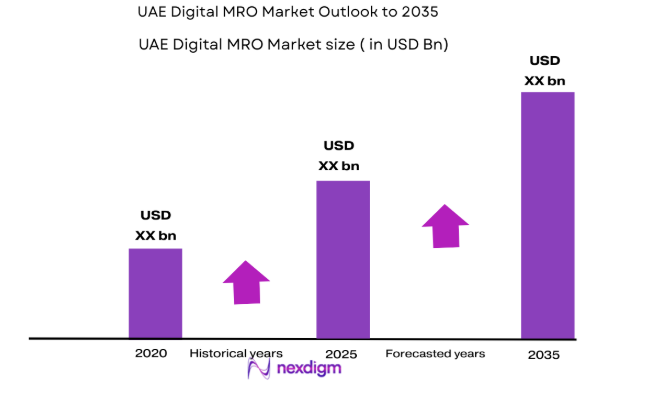
The UAE digital MRO market has witnessed substantial growth in recent years, driven by technological advancements, particularly in IoT, AI, and blockchain integration. The market expansion is fueled by increasing demand for maintenance, repair, and overhaul services across various industries, including aerospace, automotive, and energy. According to recent data, the market size reached approximately USD ~ billion, with aerospace contributing significantly to the overall demand due to the country’s strategic positioning as a global aviation hub.
The UAE’s dominance in the digital MRO sector is primarily attributed to its robust infrastructure, advanced technological adoption, and strategic location as a major transport and logistics hub. Cities like Dubai and Abu Dhabi lead the market, with state-of-the-art airports and transport facilities fostering demand for digital solutions. The UAE government’s focus on smart city initiatives and its investment in aviation and maritime sectors further bolster the region’s MRO industry, making it a key player in the Middle East.
Market Segmentation
By Product Type
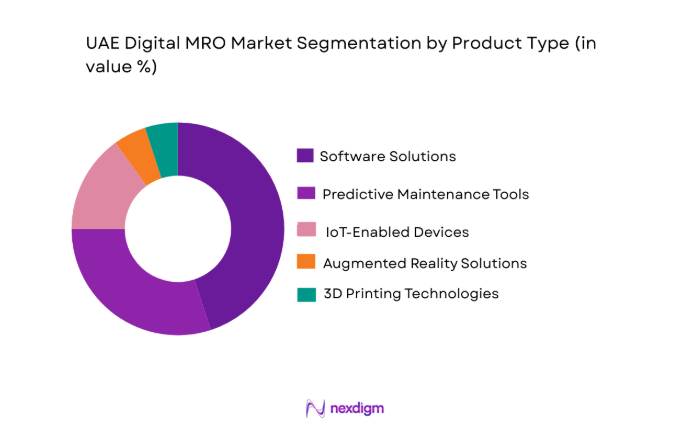
The UAE digital MRO market is segmented by product type into software solutions, predictive maintenance tools, IoT-enabled devices, augmented reality solutions, and 3D printing technologies. Recently, software solutions have dominated market share due to their ability to streamline operations and improve efficiency. The rise of Industry 4.0 technologies has made software integration essential in managing data and improving asset life cycle management. As industries shift towards more automated, data-driven operations, the demand for sophisticated software solutions continues to grow, enabling better decision-making and reducing maintenance costs.
By Platform Type
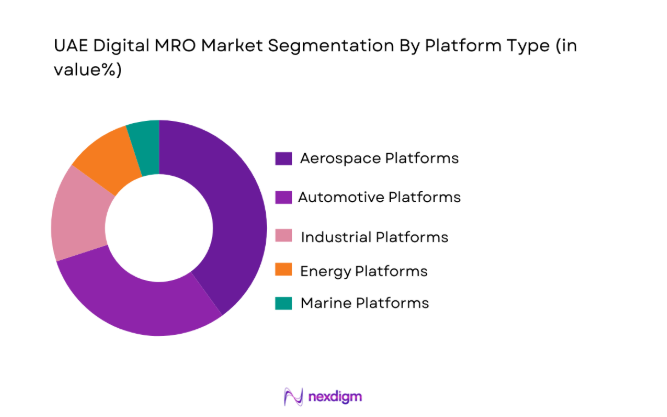
The UAE digital MRO market is segmented by platform type into aerospace platforms, automotive platforms, industrial platforms, energy platforms, and maritime platforms. Aerospace platforms are the dominant segment due to the UAE’s strong aviation sector, with both civil and military aircraft requiring advanced MRO solutions. Automotive platforms are growing rapidly as the market adapts to electric vehicles and smart technologies. Industrial, energy, and maritime platforms are also increasingly adopting digital MRO solutions to enhance equipment efficiency, reliability, and safety, particularly in line with the country’s vision for infrastructure and industrial modernization.
Competitive Landscape
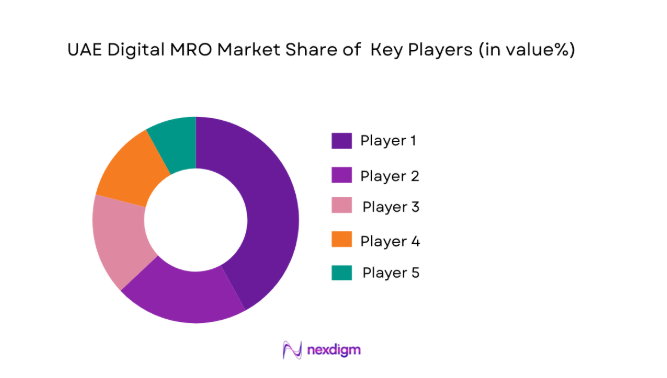
The UAE digital MRO market is highly competitive, with several global and regional players vying for market share. Key players focus on technological innovation, partnerships, and acquisitions to enhance their capabilities. Consolidation is a common trend, as companies strive to expand their service offerings and geographical reach. Companies are leveraging advanced technologies such as AI, IoT, and data analytics to differentiate their services. Major players in the market continue to invest in R&D to stay ahead in a rapidly evolving landscape.
|
Company Name |
Establishment Year | Headquarters | Technology Focus | Market Reach | Key Products | Revenue (USD) | Additional Parameter |
| Honeywell | 1906 | USA | ~ | ~ | ~ | ~ | ~ |
| GE Aviation | 1907 | USA | ~ | ~ | ~ | ~ | ~ |
| Rolls-Royce | 1904 | UK | ~ | ~ | ~ | ~ | ~ |
| Collins Aerospace | 1931 | USA | ~ | ~ | ~ | ~ | ~ |
| Lufthansa Technik | 1951 | Germany | ~ | ~ | ~ | ~ | ~ |
UAE Digital MRO Market Analysis
Growth Drivers
Technological Advancements in IoT and AI
IoT and AI technologies are key drivers of growth in the UAE digital MRO market. The integration of these technologies enables real-time monitoring and predictive maintenance, reducing downtime, and increasing asset longevity. IoT sensors installed in equipment provide continuous data, which is analyzed using AI algorithms to predict failures before they occur. This shift towards predictive maintenance is driving demand for digital MRO solutions. The use of AI enhances decision-making, providing actionable insights, and automating routine tasks. These innovations contribute to cost savings and improve operational efficiency, which are critical in a competitive market. The aerospace and automotive industries benefit significantly from these technological advancements, which drive their adoption of digital MRO solutions. As AI and IoT continue to evolve, they open up new possibilities for automation, ultimately reshaping the future of maintenance processes.
Rising Demand for Aerospace Services
The UAE’s strategic position as a global aviation hub has led to a surge in demand for digital MRO solutions in the aerospace sector. With world-class airports and a growing fleet of aircraft, the UAE’s aviation sector relies heavily on maintenance, repair, and overhaul services to ensure operational efficiency and safety. The rising number of flights and the expansion of the fleet necessitate advanced solutions to track and maintain these aircraft. Digital MRO solutions allow for faster and more accurate diagnostics, reducing operational costs and ensuring safety standards are met. As the demand for air travel continues to increase, the need for efficient, data-driven MRO solutions becomes even more critical. Aerospace companies in the UAE are increasingly turning to digital solutions to maintain their competitive edge and meet the growing needs of the aviation industry.
Market Challenges
High Implementation Costs
One of the major challenges facing the UAE digital MRO market is the high initial cost of implementing digital maintenance solutions. The integration of advanced technologies like AI, IoT, and predictive maintenance tools requires significant upfront investment in infrastructure and software. Many small to medium-sized enterprises (SMEs) within the MRO sector struggle to afford these technologies, despite their potential long-term benefits. Additionally, the complexity of integrating these digital solutions into existing systems presents a technical challenge. SMEs often face difficulty in training staff, which increases operational costs and slows down the adoption process. Despite the increasing awareness of the benefits of digital MRO solutions, the high costs associated with their adoption remain a barrier for many businesses, hindering market growth.
Cybersecurity Risks
With the growing reliance on digital systems and IoT devices in the MRO industry, cybersecurity risks have become a significant challenge. The increasing volume of data generated by connected devices makes it an attractive target for cyberattacks. Cybersecurity breaches can lead to data theft, operational disruption, and damage to a company’s reputation. As the digital MRO market grows, the risk of cyber threats also escalates, requiring companies to invest heavily in robust security measures. Ensuring the security of sensitive data, such as maintenance records and operational insights, is crucial for businesses to maintain trust with their clients. Despite advancements in cybersecurity technologies, the ever-evolving nature of cyber threats presents a continuous challenge for MRO companies, slowing down the growth of digital solutions in the market.
Opportunities
Expansion of Digital MRO in the Automotive Sector
The automotive sector in the UAE presents a significant growth opportunity for digital MRO solutions. As the automotive industry increasingly moves toward electric and autonomous vehicles, the demand for advanced MRO services is expected to grow. Digital MRO solutions offer the automotive sector an opportunity to improve efficiency, reduce downtime, and ensure the safety and performance of vehicles. With IoT sensors and predictive maintenance tools, automotive companies can monitor the health of vehicles and perform maintenance before issues arise. The UAE’s strong automotive market, combined with the increasing adoption of electric vehicles (EVs), is creating a growing demand for digital MRO services. Companies that can capitalize on this opportunity by offering tailored solutions to the automotive industry will be well-positioned for growth in the coming years.
Partnerships with Government and Regulatory Bodies
The UAE government’s increasing focus on digital transformation in various sectors presents an opportunity for digital MRO solution providers to collaborate with public sector organizations. The government’s vision for smart cities and digital infrastructure is expected to drive the adoption of advanced technologies across various industries, including maintenance, repair, and overhaul. Regulatory bodies that oversee aviation, automotive, and industrial sectors are increasingly pushing for more efficient and transparent MRO practices. Digital MRO solutions that align with government initiatives for smart city development and industry-specific regulations will see increased demand. By partnering with regulatory bodies, MRO providers can access new markets, receive incentives for digital transformation, and ensure compliance with regulatory standards, positioning them for success in the rapidly evolving market.
Future Outlook
The future of the UAE digital MRO market looks promising, with continued growth expected over the next five years. Technological advancements in AI, IoT, and predictive maintenance will remain key drivers of market expansion. As industries such as aerospace, automotive, and energy continue to embrace digital solutions, the demand for advanced MRO services will rise. Government support for digital transformation initiatives and increasing investments in smart infrastructure will further boost market prospects. The market is poised to benefit from ongoing innovation, with new developments in autonomous maintenance systems and increased focus on sustainability.
Major Players
- Honeywell
- GE Aviation
- Rolls-Royce
- Collins Aerospace
- Lufthansa Technik
- Safran
- UTC Aerospace Systems
- Rockwell Collins
- Thales Group
- Boeing
- Air France Industries
- AAR Corporation
- MTU Aero Engines
- Bombardier
- Meggitt
Key Target Audience
- Investments and venture capitalist firms
- Government and regulatory bodies
- Aerospace companies
- Automotive manufacturers
- Energy sector firms
- Large-scale industrial operations
- Aircraft operators
- Maintenance, repair, and overhaul service providers
Research Methodology
Step 1: Identification of Key Variables
Market variables are identified through a combination of expert interviews, primary research, and industry reports.
Step 2: Market Analysis and Construction
Market construction involves segmenting the market by key factors like product type, technology, and end-user industry.
Step 3: Hypothesis Validation and Expert Consultation
Key assumptions and hypotheses are validated with market experts to ensure accuracy and relevance.
Step 4: Research Synthesis and Final Output
All collected data is synthesized, analyzed, and compiled into a comprehensive market report.

- Executive Summary
- Research Methodology (Definitions, Scope, Industry Assumptions, Market Sizing Approach, Primary & Secondary Research Framework, Data Collection & Verification Protocol, Analytic Models & Forecast Methodology, Limitations & Research Validity Checks)

- Market Definition and Scope
- Value Chain & Stakeholder Ecosystem
- Regulatory / Certification Landscape
- Sector Dynamics Affecting Demand
- Strategic Initiatives & Infrastructure Growth

- Growth Drivers
Increasing Demand for Operational Efficiency
Advancements in Predictive Maintenance Technologies
Growing Aviation Fleet in the UAE
Government Investment in Smart Infrastructure
Emerging Role of Data Analytics and AI - Market Challenges
High Initial Investment in Digital MRO Systems
Integration with Existing Legacy Systems
Data Security and Privacy Concerns
Skilled Workforce Shortages
High Maintenance and Upkeep Costs - Market Opportunities
Expansion of Digital MRO Services in Emerging Markets
Partnerships with Technology Providers for AI-Driven MRO
Government Initiatives Promoting Industry 4.0 in MRO - Trends
Shift Towards Predictive and Preventive Maintenance
Rising Adoption of AI in Diagnostics and Repairs
Increased Use of Automation and Robotics
Growth of Cloud-based MRO Solutions
Expansion of Smart Airports and Digital Infrastructure - Government Regulations & Defense Policy
Strict Regulatory Standards for Aviation Maintenance
Support for Digital Innovation in the Aviation Sector
National Initiatives for Digital Infrastructure Development - SWOT Analysis
- Stakeholder and Ecosystem Analysis
- Porter’s Five Forces Analysis
- Competition Intensity and Ecosystem Mapping

- By Market Value, 2020-2025
- By Installed Units, 2020-2025
- By Average System Price, 2020-2025
- By System Complexity Tier, 2020-2025

- By System Type (In Value%)
Predictive Maintenance Systems
Maintenance Management Software
Diagnostic Tools
Automated Inspection Systems
Data Analytics Systems - By Platform Type (In Value%)
Aircraft
Marine Platforms
Land-Based Platforms
Space Platforms
Power Generation Platforms - By Fitment Type (In Value%)
Retrofit Solutions
New Build Solutions
Cloud-based Solutions
Modular Solutions
Hybrid Solutions - By End User Segment (In Value%)
Commercial Aviation
Military Aviation
Marine Industry
Power Generation Industry
Industrial Manufacturing - By Procurement Channel (In Value%)
Direct Procurement
Third-party Distributors
Online Bidding Platforms
Government Tenders
Private Sector Procurement - By Material / Technology (In Value%)
Artificial Intelligence
Big Data Analytics
Internet of Things (IoT)
Blockchain Technology
Augmented Reality

- Market structure and competitive positioning
Market share snapshot of major players - Cross Comparison Parameters (System Type, Platform Type, Procurement Channel, End User Segment, Material/Technology)
- SWOT Analysis of Key Competitors
- Pricing & Procurement Analysis
- Key Players
General Electric
Honeywell Aerospace
Rolls-Royce
Emirates Group
Lufthansa Technik
Thales Group
Safran
Boeing
Airbus
Etihad Airways Engineering
MTU Aero Engines
Collins Aerospace
Air France Industries KLM Engineering & Maintenance
Gulfstream Aerospace
Aviall (A Boeing Company)

- Commercial Aviation Players Increasing Their MRO Investments
- Military Sector Driving Innovation in MRO Services
- Marine Sector Adopting Digital MRO Solutions
- Power and Manufacturing Sectors Incorporating MRO Technologies

- Forecast Market Value, 2026-2035
- Forecast Installed Units, 2026-2035
- Price Forecast by System Tier, 2026-2035
- Future Demand by Platform, 2026-2035


 Request a Sample
 Ask for Customization
 Get a Quote
 Enquire Now