
 Download PDF
Market Overview
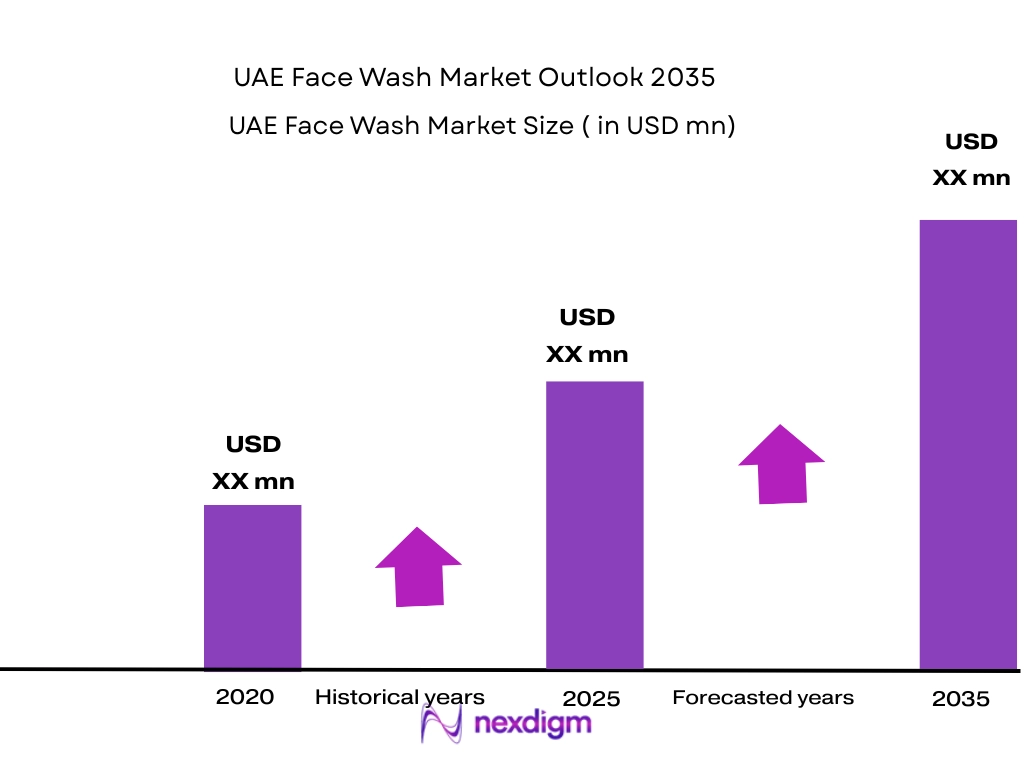
The UAE Face Wash market is valued at USD ~ million, based on a five-year historical analysis. The market is driven by rising consumer awareness about skincare, growing urbanization, and increasing disposable income. A combination of retail expansion, including hypermarkets and online platforms, and the rising preference for natural and dermatologically tested products is contributing to consistent demand. Consumer inclination toward personal grooming, coupled with frequent product launches by leading cosmetic brands, is further driving market growth.
Dubai and Abu Dhabi dominate the UAE Face Wash market due to their high population density, robust retail infrastructure, and significant expatriate population. These cities also have a high concentration of premium beauty and cosmetic stores, increasing product visibility and accessibility. The urban population’s exposure to international beauty trends and their higher purchasing power ensures strong adoption of both mass-market and premium face wash products. Other emirates follow but have less influence due to smaller urban centers.
Market Segmentation
By Product Type
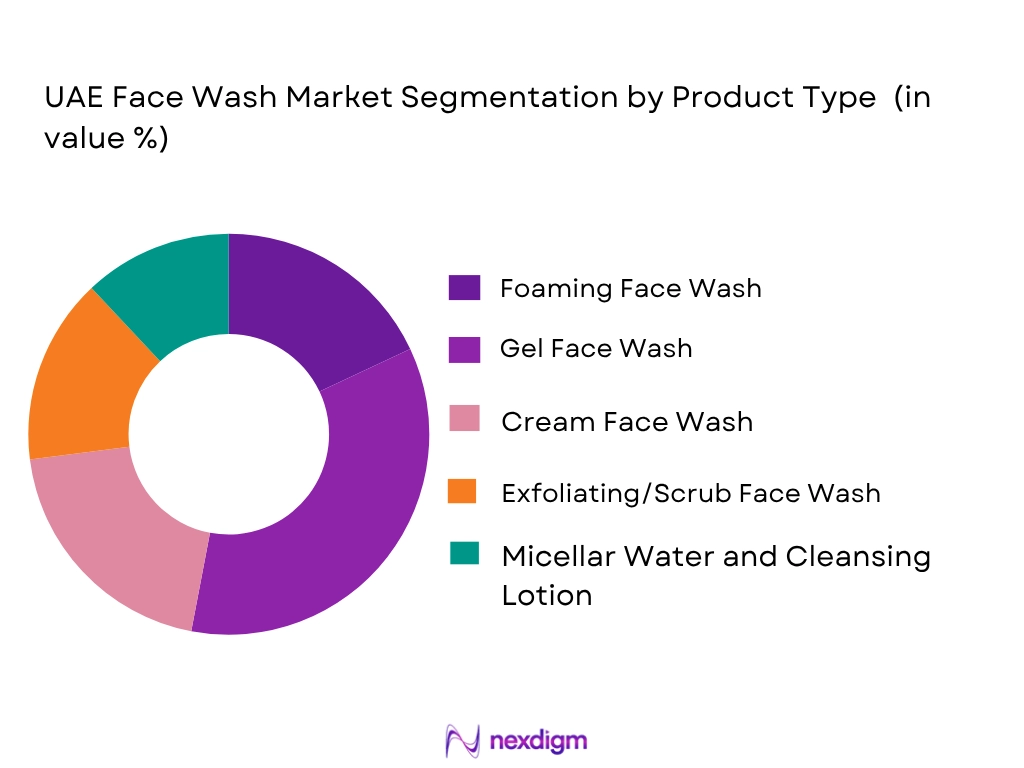
The UAE Face Wash market is segmented into foaming face wash, gel face wash, cream face wash, exfoliating face wash, and micellar water and cleansing lotion. Gel face wash dominates the market due to its versatility, suitability for multiple skin types, and frequent launches by top cosmetic brands. Consumers prefer gel-based formulas for their refreshing feel, deep cleansing properties, and compatibility with other skincare routines, such as serums and moisturizers. Premium gel products targeting sensitive and combination skin further contribute to the segment’s dominance.
By Skin Type
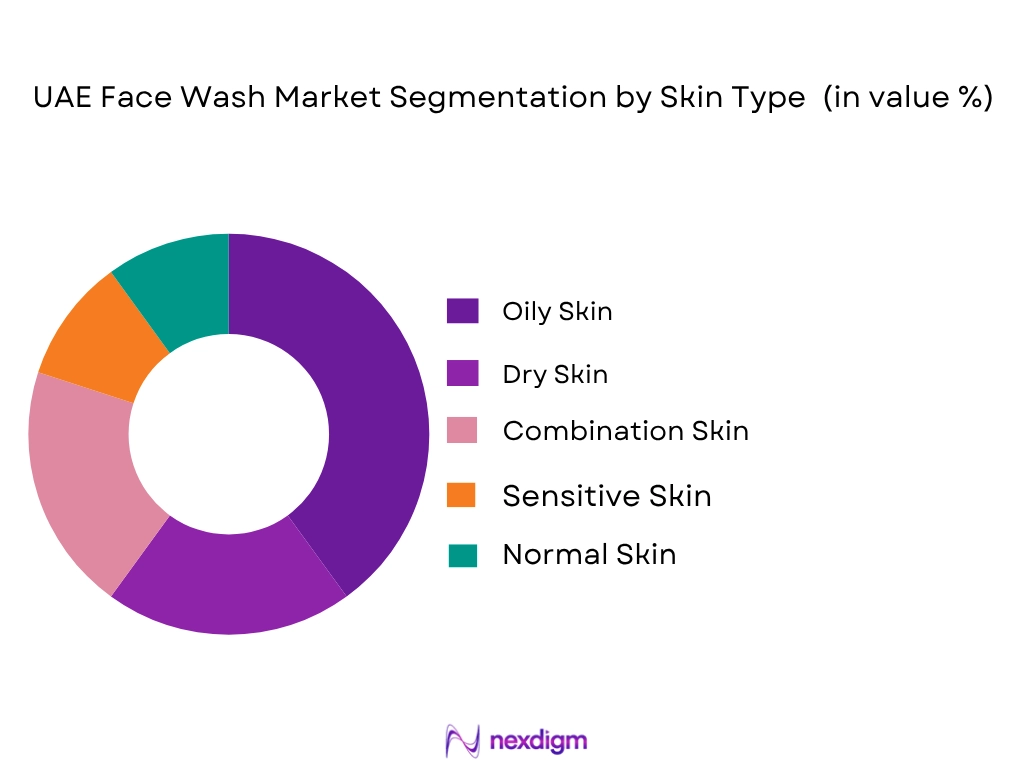
The market is segmented into normal, oily, dry, combination, and sensitive skin types. Oily skin-targeted face washes dominate the segment due to the prevalence of oily and combination skin among consumers in the UAE, combined with the country’s hot and humid climate. Products designed for oil control and acne prevention are in high demand, particularly among younger consumers. Additionally, dermatologically tested and hypoallergenic formulations aimed at reducing oiliness and breakouts have strengthened this segment’s market presence.
Competitive Landscape
The UAE Face Wash market is dominated by several global and regional players, highlighting the consolidation and competitive nature of the market. International brands leverage strong brand recognition, expansive retail presence, and continuous product innovation to maintain market leadership, while local and regional brands focus on niche positioning and natural formulations to attract specific consumer segments.
| Company | Establishment Year | Headquarters | Product Portfolio | Distribution Channels | Annual Revenue | Marketing Spend | Production Capacity | Key Strength |
| Unilever UAE | 1930 | UAE | ~ | ~ | ~ | ~ | ~ | ~ |
| Procter & Gamble UAE | 1837 | UAE | ~ | ~ | ~ | ~ | ~ | ~ |
| L’Oréal UAE | 1909 | UAE | ~ | ~ | ~ | ~ | ~ | ~ |
| Nivea Gulf | 1882 | UAE | ~ | ~ | ~ | ~ | ~ | ~ |
| Beiersdorf AG | 1882 | UAE | ~ | ~ | ~ | ~ | ~ | ~ |
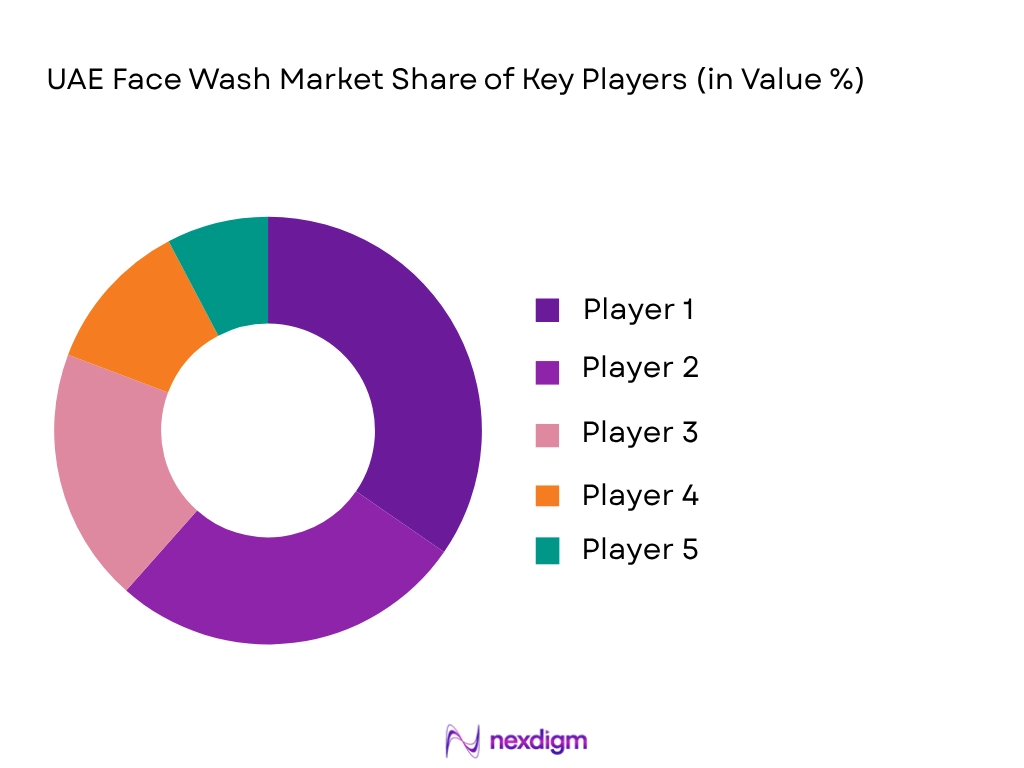
UAE Face Wash Market Analysis
Growth Drivers
Rising Skincare and Grooming Awareness
In the UAE, consumers are increasingly prioritizing personal care and grooming due to heightened awareness of skin health, driven by social media, beauty campaigns, and global skincare trends. Men and women alike are investing in face wash products that address specific skin concerns such as acne, oil control, hydration, and anti-aging. Influencer endorsements, dermatological recommendations, and wellness-focused marketing campaigns are further encouraging daily skincare routines. This growing consciousness not only increases demand for basic cleansing products but also creates interest in premium, multifunctional face washes, fostering market expansion and encouraging brands to innovate with new formulations and features tailored to diverse skin types and conditions.
Expansion of Retail and E-Commerce Platforms
The UAE market has seen significant growth in both modern retail chains and e-commerce platforms, which has made face wash products widely accessible. Large retailers, supermarkets, and specialty beauty stores provide consumers with a broad choice of international and local brands under one roof, while online marketplaces enable convenient comparison, detailed product information, and doorstep delivery. This omni-channel availability has increased consumer confidence and trial, allowing brands to reach urban, tech-savvy populations efficiently. The rise of mobile apps, social media shopping features, and digital promotions further enhances visibility and purchase frequency, making retail and e-commerce expansion a key driver for sustained market growth.
Market Challenges
High Competition from Local and International Brands
The UAE face wash market is highly competitive, with a mix of established international brands, regional players, and emerging local startups. This intense competition leads to frequent product launches, aggressive pricing strategies, and extensive marketing campaigns. Smaller brands face challenges in gaining visibility and market share, while established players must continuously innovate to maintain relevance. The presence of numerous alternatives also makes it difficult for any single product to achieve long-term loyalty, as consumers can easily switch between brands based on price, features, or promotional offers. Market saturation therefore requires companies to differentiate through quality, branding, and niche positioning.
Price Sensitivity in Mass Market Segments
While premium skincare products are increasingly adopted by affluent consumers, a substantial portion of the UAE population remains price-sensitive. Mass-market segments often prioritize affordability over advanced features, which can limit profitability for brands attempting to introduce higher-priced innovations. This price-conscious behavior compels manufacturers to carefully manage costs, optimize production efficiencies, and maintain competitive pricing without compromising product quality. Seasonal promotions, bundle offers, and loyalty programs are often employed to attract budget-conscious buyers, but balancing affordability with brand perception and profitability continues to be a persistent market challenge.
Opportunities
Introduction of Organic and Natural Face Wash Products
Growing consumer preference for natural, chemical-free, and environmentally friendly products presents a significant opportunity for face wash brands in the UAE. Health-conscious buyers are increasingly seeking formulations with organic ingredients, herbal extracts, and sustainably sourced components, associating them with safety, efficacy, and long-term skin benefits. Brands that develop organic, cruelty-free, or eco-certified face washes can tap into both the wellness-focused and environmentally aware demographic. Marketing campaigns emphasizing purity, sustainability, and dermatological approval can further enhance consumer trust, allowing companies to differentiate themselves in a crowded market and capture a niche segment willing to pay a premium for natural skincare solutions.
Expansion in Online and Direct-to-Consumer Sales
The growth of digital channels provides a substantial opportunity for face wash brands to reach consumers directly, bypassing traditional retail limitations. E-commerce platforms, brand websites, and social media enable personalized marketing campaigns, product education, and engagement with tech-savvy and younger audiences. Direct-to-consumer sales allow brands to collect behavioral data, tailor offers, and build loyalty programs efficiently. Influencer collaborations, live streaming, and targeted ads on social media amplify brand visibility and encourage trial purchases. As online shopping becomes a norm in the UAE, investing in digital sales and marketing infrastructure can significantly increase revenue, improve margins, and strengthen long-term customer relationships.
Future Outlook
Over the next five years, the UAE Face Wash market is expected to demonstrate robust growth driven by increasing consumer awareness, expansion of e-commerce platforms, and innovation in natural and multifunctional skincare products. The market will benefit from a rising focus on personal grooming, increasing male and youth skincare adoption, and premium product penetration. Additionally, growing collaborations between cosmetic brands and influencers are expected to boost brand visibility and consumer engagement, supporting market expansion. The forecasted CAGR for 2024-2030 is 6.5%.
Major Players
- Unilever UAE
- Procter & Gamble UAE
- L’Oréal UAE
- Nivea Gulf
- Beiersdorf AG
- Himalaya UAE
- The Body Shop UAE
- Dabur UAE
- Garnier UAE
- Oriflame UAE
- Pond’s UAE
- Johnson & Johnson UAE
- Neutrogena UAE
- Seventh Generation UAE
- Cetaphil UAE
Key Target Audience
- Retail Chains and Supermarkets
- Beauty and Cosmetic Brand Managers
- E-commerce Platforms
- Pharmaceutical Chains
- Spas and Salons
- Investments and Venture Capitalist Firms
- Government and Regulatory Bodies (UAE Ministry of Health and Prevention)
- Healthcare Institutions
Research Methodology
Step 1: Identification of Key Variables
The initial phase involves constructing an ecosystem map encompassing all major stakeholders within the UAE Face Wash Market. Desk research is conducted using secondary and proprietary databases to identify critical variables influencing market dynamics.
Step 2: Market Analysis and Construction
Historical data for the UAE Face Wash Market is compiled, analyzing product penetration, distribution networks, and revenue generation. Service quality and product adoption rates are also evaluated to ensure accurate market sizing.
Step 3: Hypothesis Validation and Expert Consultation
Market hypotheses are developed and validated through telephone interviews with industry experts representing both local and global companies. Insights from practitioners help refine assumptions and confirm revenue estimates.
Step 4: Research Synthesis and Final Output
Direct engagement with manufacturers provides insights into product segments, sales performance, and consumer preferences. Data from the bottom-up approach is verified, ensuring accurate and validated market statistics.

- Executive Summary
- Research Methodology (Market Definitions and Assumptions, Abbreviations, Market Sizing Approach, Consolidated Research Approach, Understanding Market Potential Through In-Depth Industry Interviews, Primary Research Approach, Limitations and Future Conclusions)

- Definition and Scope
- Market Dynamics Overview
- Market Genesis
- Major Players and Market Timeline
- Business Cycle and Trends
- Supply Chain and Value Chain Analysis

- Growth Drivers
Rising Skincare and Grooming Awareness
Expansion of Retail and E-Commerce Platforms
Increasing Disposable Income and Premium Product Adoption
Growth of Male and Youth Skincare Segments - Market Challenges
High Competition from Local and International Brands
Price Sensitivity in Mass Market Segments
Fluctuations in Raw Material Costs
Regulatory Compliance and Product Safety Standards - Opportunities
Introduction of Organic and Natural Face Wash Products
Expansion in Online and Direct-to-Consumer Sales
Rising Demand for Specialized and Dermatologically Tested Products
Collaborations with Influencers and Skincare Professionals - Key Trends
Shift toward natural, vegan, and chemical-free products
Growth in anti-pollution and multifunctional face washes
Increasing preference for travel-sized and subscription-based products
Rising male grooming and skincare adoption - Government Regulations
- SWOT Analysis
- Porter’s Five Forces

- By Value, 2020–2025
- By Volume, 2020–2025
- By Average Price, 2020–2025

- By Product Type (In Value %)
Foaming Face Wash
Gel Face Wash
Cream Face Wash
Exfoliating Face Wash
Micellar Water and Cleansing Lotion - By Skin Type (In Value %)
Normal Skin
Oily Skin
Dry Skin
Combination Skin
Sensitive Skin - By Distribution Channel (In Value %)
Direct Sales
Distributors and Wholesalers
Retail Pharmacies
Supermarkets and Hypermarkets
Online Channels - By Region (In Value %)
Dubai
Abu Dhabi
Sharjah
Ras Al Khaimah
Rest of UAE

- Market Share of Major Players by Value/Volume
- Market Share of Major Players by Product Type
- Cross Comparison Parameters (Company Overview, Business Strategies, Recent Developments, Strength, Weakness, Organizational Structure, Revenues, Revenues by Product Type, Number of Touchpoints, Distribution Channels, Number of Dealers and Distributors, Margins, Production Plant, Capacity, Unique Value Offering and Others)
- SWOT Analysis of Major Players
- Pricing Analysis Based on Product Categories for Major Players
- Detailed Profiles of Major Companies
Unilever UAE
Procter & Gamble UAE
L’Oréal UAE
Nivea Gulf
Beiersdorf AG
Himalaya UAE
The Body Shop UAE
Dabur UAE
Garnier UAE
Oriflame UAE
Pond’s UAE
Johnson & Johnson UAE
Neutrogena UAE
Seventh Generation UAE
Cetaphil UAE

- Market Demand and Utilization
- Purchasing Power and Budget Allocations
- Regulatory and Compliance Requirements
- Needs, Desires, and Pain Point Analysis
- Decision-Making Process

- By Value, 2026–2035
- By Volume, 2026–2035
- By Average Price, 2026–2035


 Request a Sample
 Ask for Customization
 Get a Quote
 Enquire Now