
 Download PDF
 Download PDF
Market Overview
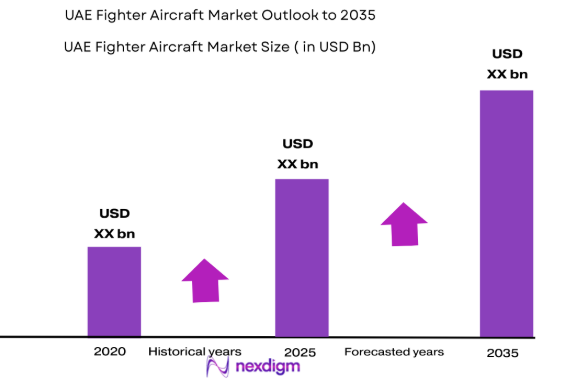
Based on a recent historical assessment, the UAE fighter aircraft market aligns with the broader global fighter aircraft sector, which was valued at approximately USD ~ billion in 2025 according to industry data on fighter aircraft market valuation. This sizable market is driven by sustained defense spending, modernization of air forces, and procurement of advanced fixed‑wing combat aircraft equipped with next‑generation avionics and multirole capabilities, reflecting heightened national security priorities. Rising geopolitical tensions in adjacent regions further reinforce investment in air combat platforms.
The UAE’s strategic defense posture and substantial defense budgets position it as a principal market within the Middle East and Africa for fighter aircraft procurement, with key hubs concentrated in emirates like Abu Dhabi and Dubai, where defense infrastructure and procurement agencies are headquartered. These cities host air force commands and major maintenance and logistics bases, underpinning procurement decisions and aircraft deployment. Regional security cooperation and long‑term partnerships with global aircraft manufacturers have strengthened the UAE’s capability to integrate advanced fighters into its air defense architecture, enhancing its influence in regional military aviation.
Market Segmentation
By Product Type
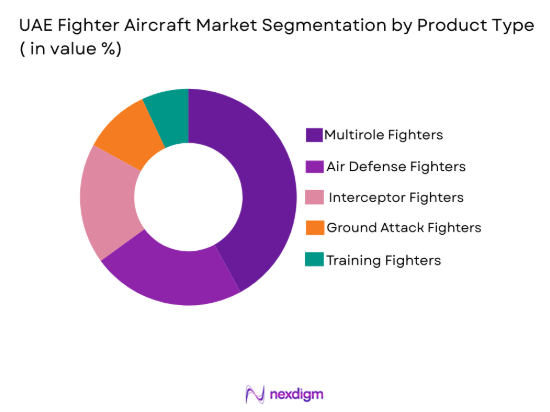
UAE fighter aircraft market is segmented by product type into multirole fighters, air defense fighters, interceptor fighters, ground attack fighters, and training fighters. Recently, the multirole fighters sub-segment has a dominant market share due to their ability to perform various missions such as air-to-air combat, ground attacks, and reconnaissance. Multirole fighters are highly versatile and can operate in different combat scenarios, which makes them ideal for UAE’s strategic needs. These aircraft are designed for flexibility and adaptability, catering to the modern air combat environment where dynamic operational requirements demand multi-functional capabilities. Furthermore, UAE’s military modernization programs are increasingly focused on acquiring multirole platforms that integrate advanced technologies, offering cost-effective solutions for a wide range of missions.
By Platform Type
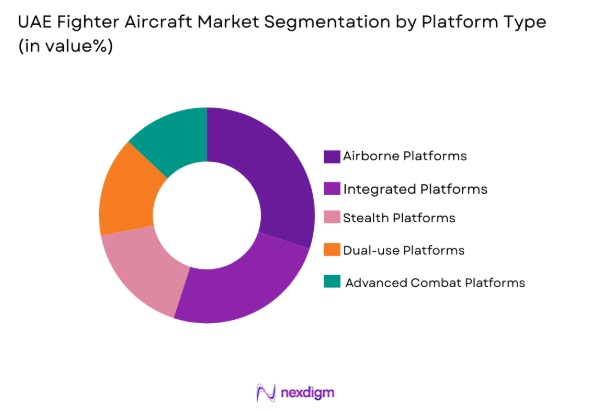
UAE fighter aircraft market is segmented by platform type into airborne platforms, integrated platforms, stealth platforms, dual-use platforms, and advanced combat platforms. The airborne platforms sub-segment leads the market due to the widespread demand for aircraft capable of operating in various defense environments, including air superiority and strike missions. The UAE’s focus on acquiring highly capable airborne platforms, such as advanced jet fighters and multirole platforms, drives the growth of this sub-segment. Additionally, airborne platforms offer superior operational range, payload capacity, and mission adaptability, which align with the UAE’s strategic priorities to maintain air dominance in the region.
Competitive Landscape
The competitive landscape of the UAE fighter aircraft market is characterized by a few major global players who dominate the defense sector. These players significantly influence the market through their technological advancements, strategic collaborations, and competitive product offerings. Companies like Lockheed Martin, Boeing, and Dassault Aviation continue to maintain a strong market presence due to their high-quality fighter aircraft solutions and long-standing relationships with the UAE government. The ongoing consolidation within the industry, coupled with the increasing demand for advanced fighter aircraft, enhances the market share of these key players.
|
Company Name |
Establishment Year | Headquarters | Technology Focus | Market Reach | Key Products | Revenue (USD) | Additional Market-Specific Parameter |
| Lockheed Martin | 1912 | Bethesda, Maryland | ~ | ~ | ~ | ~ | ~ |
| Boeing | 1916 | Chicago, Illinois | ~ | ~ | ~ | ~ | ~ |
| Dassault Aviation | 1929 | Paris, France | ~ | ~ | ~ | ~ | ~ |
| Saab Group | 1937 | Stockholm, Sweden | ~ | ~ | ~ | ~ | ~ |
| Airbus Defence | 2000 | Toulouse, France | ~ | ~ | ~ | ~ | ~ |
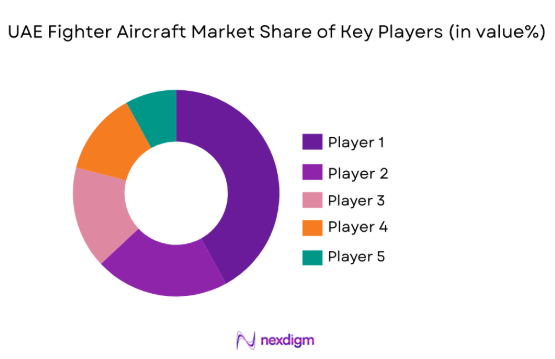
UAE Fighter Aircraft Market Analysis
Growth Drivers
Increased Defense Expenditure
Increased defense expenditure is one of the primary growth drivers of the UAE fighter aircraft market. The UAE has consistently raised its defense budget, reflecting its strategic focus on bolstering national security and maintaining regional air superiority. This heightened defense spending facilitates the acquisition of advanced fighter aircraft, thereby stimulating market demand. The UAE’s commitment to modernizing its air force through the procurement of cutting-edge fighter jets strengthens its position as a leading player in the Middle East. Additionally, the global trend of increasing defense budgets, driven by security threats and geopolitical tensions, provides a favorable environment for continued market growth. As defense spending continues to grow, the UAE is investing in technologically advanced, multirole aircraft capable of performing a variety of military functions, enhancing the operational capacity of its air force. The integration of advanced systems such as artificial intelligence (AI), radar technology, and stealth capabilities further supports the demand for next-generation fighter aircraft. The UAE’s active participation in regional military alliances, joint operations, and its geopolitical positioning further drive the need for modern air combat capabilities, contributing to a steady rise in fighter aircraft procurements.
Technological Advancements in Fighter Aircraft Systems
Technological advancements in fighter aircraft systems have been pivotal in driving market growth in the UAE. The increasing integration of stealth capabilities, advanced radar systems, and AI technologies has revolutionized the design and functionality of modern fighter jets. The UAE is keen on acquiring state-of-the-art fighter aircraft with advanced avionics and superior combat capabilities, which can provide enhanced mission success rates in complex combat environments. Fighter aircraft equipped with cutting-edge technologies such as electronic warfare systems, enhanced cockpit displays, and precision-guided munitions are particularly sought after by the UAE military to ensure superiority in future air conflicts. These advancements not only improve the operational effectiveness of fighter jets but also extend their service life by incorporating the latest technological innovations. Moreover, the UAE’s strategic partnerships with defense industry leaders such as Lockheed Martin and Boeing have facilitated the adoption of these advanced technologies. As the global defense market continues to evolve, the UAE’s focus on acquiring the latest fighter aircraft technology ensures that its air force remains competitive on the global stage.
Market Challenges
High Procurement and Maintenance Costs
High procurement and maintenance costs represent a significant challenge for the UAE fighter aircraft market. While the acquisition of advanced fighter jets is essential for maintaining air superiority, the high initial procurement costs associated with state-of-the-art systems often present a financial burden. The integration of cutting-edge technologies such as stealth capabilities, advanced avionics, and electronic warfare systems significantly raises the cost of each unit. Additionally, the maintenance and servicing of these complex systems require highly specialized infrastructure, trained personnel, and spare parts, further increasing operational costs. This challenge is exacerbated by the necessity of maintaining these aircraft at the highest levels of readiness and performance, which demands continuous investment in both technology and human resources. The UAE government has allocated significant funding to overcome this challenge; however, the rising costs of fighter aircraft procurement and maintenance may limit the frequency of acquisitions and slow the pace of fleet modernization. Furthermore, the financial burden of maintaining advanced fleets over the long term, including logistical support, operational readiness, and necessary upgrades, continues to challenge the sustainability of defense budgets in the region.
Geopolitical Tensions and Risk of Procurement Delays
Geopolitical tensions and the risk of procurement delays are significant challenges facing the UAE fighter aircraft market. The UAE’s strategic location in the Middle East places it at the center of complex geopolitical dynamics, including rivalries with neighboring countries and involvement in regional conflicts. This volatile security environment has led to shifting defense priorities and the need for constant adaptation of military capabilities. Additionally, the global nature of fighter aircraft procurement means that international relations and diplomatic considerations often play a key role in determining the success of defense contracts. Delays in aircraft procurement due to political disagreements, sanctions, or logistical issues can significantly affect the modernization of the UAE’s air force. Furthermore, the volatility of the defense industry, driven by changing geopolitical factors, can also cause disruptions in the supply chain, impacting the delivery timelines of critical defense systems. These risks, coupled with the unpredictability of international military contracts, pose a challenge to the UAE’s long-term defense strategy and its ability to maintain a competitive edge in the fighter aircraft market.
Opportunities
Expansion of UAV and Autonomous Aircraft Capabilities
The expansion of UAV (unmanned aerial vehicle) and autonomous aircraft capabilities presents a significant opportunity for the UAE fighter aircraft market. As UAV technologies continue to advance, their integration into the UAE’s defense strategy offers new avenues for enhancing surveillance, reconnaissance, and combat missions. The UAE has shown considerable interest in developing autonomous aircraft systems that can operate in conjunction with manned fighter jets, improving mission efficiency and minimizing risks to human life. This opportunity aligns with global trends of increasing reliance on unmanned systems in military operations, offering a more cost-effective and flexible alternative to traditional fighter jets in certain missions. Additionally, the development of UAVs and autonomous aircraft can bolster the UAE’s capabilities in cyber warfare, intelligence gathering, and counter-terrorism efforts. The ongoing technological advancements in AI, machine learning, and autonomous navigation systems provide the UAE with an opportunity to integrate these technologies into its air force, enhancing its ability to conduct complex missions in diverse combat environments. As the demand for UAVs grows, the UAE fighter aircraft market stands to benefit from the development and deployment of these advanced systems, which can complement traditional fighter aircraft in a wide range of operational scenarios.
Growing Demand for Advanced Combat Systems and Stealth Technology
The growing demand for advanced combat systems and stealth technology represents a key opportunity for the UAE fighter aircraft market. The increasing focus on stealth capabilities ensures that fighter jets remain undetected by enemy radar systems, providing a strategic advantage in modern warfare. The UAE is keen to strengthen its military capabilities by acquiring advanced fighter aircraft equipped with the latest stealth technology, which enables them to engage in high-risk combat situations with reduced exposure to enemy defenses. Additionally, advancements in combat systems, such as integrated sensors, AI-driven targeting systems, and electronic warfare technologies, offer the UAE’s air force a significant operational edge. As global military trends continue to emphasize the importance of stealth and integrated systems in defense strategies, the demand for advanced fighter aircraft is expected to grow, presenting a unique opportunity for manufacturers and suppliers in the UAE market. The UAE’s commitment to technological advancement and its focus on acquiring next-generation fighter aircraft further position it as a key player in the regional fighter aircraft market, with significant opportunities for growth in the coming years.
Future Outlook
The future outlook of the UAE fighter aircraft market looks positive, driven by the increasing defense budget, technological advancements, and geopolitical factors. Over the next five years, the market is expected to grow as the UAE continues to modernize its air force and procure advanced fighter jets. With technological advancements in stealth, radar, and AI, fighter aircraft systems are becoming more efficient, which will support the market’s growth. The UAE’s strategic alliances with global defense contractors, coupled with its emphasis on air superiority, are expected to further enhance the demand for advanced fighter platforms. Regulatory support, technological partnerships, and a focus on operational readiness will continue to drive the market, with increasing investments in air defense systems and next-generation aircraft.
Major Key Players
- Lockheed Martin
- Boeing
- Dassault Aviation
- Saab Group
- Airbus Defence
- Northrop Grumman
- General Dynamics
- Thales Group
- BAE Systems
- Raytheon Technologies
- Leonardo
- Mitsubishi Heavy Industries
- Embraer
- Sukhoi
- United Aircraft Corporation
Key Target Audiences
- Investments and venture capitalist firms
- Government and regulatory bodies
- Military forces and defense ministries
- Aerospace manufacturers and contractors
- Defense procurement officers and departments
- International security organizations
- Private sector technology firms
- Military contractors and defense integrators
Research Methodology
Step 1: Identification of Key Variables
In this step, key variables affecting the fighter aircraft market, such as defense spending, technological advancements, and geopolitical factors, are identified and defined. These variables form the foundation of the market model.
Step 2: Market Analysis and Construction
A comprehensive analysis is conducted to understand market trends, consumer behavior, and key factors influencing the market. This step includes a thorough evaluation of historical data, industry reports, and expert opinions.
Step 3: Hypothesis Validation and Expert Consultation
Hypotheses about market growth, technological shifts, and consumer preferences are validated through consultations with industry experts, defense agencies, and stakeholders in the aerospace sector.
Step 4: Research Synthesis and Final Output
The findings from all previous steps are synthesized into actionable insights, creating a clear and comprehensive market report. This final output includes both qualitative and quantitative analysis, providing a thorough understanding of the UAE fighter aircraft market.

- Executive Summary
- Research Methodology (Definitions, Scope, Industry Assumptions, Market Sizing Approach, Primary & Secondary Research Framework, Data Collection & Verification Protocol, Analytic Models & Forecast Methodology, Limitations & Research Validity Checks)

- Market Definition and Scope
- Value Chain & Stakeholder Ecosystem
- Regulatory / Certification Landscape
- Sector Dynamics Affecting Demand
- Strategic Initiatives & Infrastructure Growth

- Growth Drivers
Increase in Government Investment in Defense
Technological Advancements in Aircraft Systems
Rising Geopolitical Tensions and Regional Security Concerns
Ongoing Military Modernization Programs
Collaboration with International Defense Contractors - Market Challenges
High Capital Expenditure for Fighter Aircraft Acquisition
Technological Integration and Interoperability Challenges
Complex Regulatory and Compliance Barriers
Security Risks Related to Advanced Technology Implementation
Political and Social Resistance to Increased Military Spending - Market Opportunities
Expansion in Autonomous Aircraft Technology
Partnerships with Private Tech Firms for Enhanced Aircraft Systems
Growing Demand for Stealth Aircraft in Modern Warfare - Trends
Increased Adoption of Advanced Stealth Technologies
Integration of AI and Machine Learning in Fighter Aircraft Systems
Surge in Collaborative Defense Projects and International Partnerships
Expansion of Defense Manufacturing Capabilities in UAE
Increased Focus on Sustainable and Energy-efficient Aircraft - Government Regulations & Defense Policy
Enhanced Defense Budget Allocations
Export Control and Compliance Policies
Government Grants and Funding for Advanced Fighter Aircraft Technologies

- By Market Value, 2020-2025
- By Installed Units, 2020-2025
- By Average System Price, 2020-2025
- By System Complexity Tier, 2020-2025

- By System Type (In Value%)
Multirole Fighters
Air Defense Fighters
Interceptor Fighters
Ground Attack Fighters
Training Fighters - By Platform Type (In Value%)
Airborne Platforms
Integrated Platforms
Stealth Platforms
Dual-use Platforms
Advanced Combat Platforms - By Fitment Type (In Value%)
On-premise Solutions
Cloud-based Solutions
Hybrid Solutions
Modular Solutions
Integrated Solutions - By End User Segment (In Value%)
Military Forces
Government Defense Agencies
Private Defense Contractors
International Security Organizations
Private Sector/Technology Firms - By Procurement Channel (In Value%)
Direct Procurement
Government Tenders
Private Sector Procurement
Online Bidding Platforms
Third-party Distributors - By Material / Technology (In Value%)
Composite Materials
Advanced Radar Technologies
Electronics & Avionics
Weapon Systems Integration
Precision Guidance Systems

- Market structure and competitive positioning
- Market share snapshot of major players
- Cross Comparison Parameters (System Type, Platform Type, Procurement Channel, EndUser Segment, Fitment Type)
- SWOT Analysis of Key Competitors
- Pricing & Procurement Analysis
- Porter’s Five Forces
- Key Players
Lockheed Martin
Boeing
BAE Systems
Dassault Aviation
Saab Group
Airbus Defence and Space
Northrop Grumman
General Dynamics
Raytheon Technologies
Leonardo
Thales Group
Elbit Systems
Rheinmetall AG
Harris Corporation
L3 Technologies

- Military Forces’ Increased Demand for Advanced Fighter Aircraft
- Government Agencies’ Role in Defense Procurement and Regulation
- Defense Contractors’ Focus on Innovation and Technology Integration
- Private Sector’s Investment in Aircraft Manufacturing and Technology

Forecast Market Value, 2026-2035
Forecast Installed Units, 2026-2035
Price Forecast by System Tier, 2026-2035
Future Demand by Platform, 2026-2035


 Request a Sample
 Ask for Customization
 Get a Quote
 Enquire Now