
 Download PDF
Market Overview
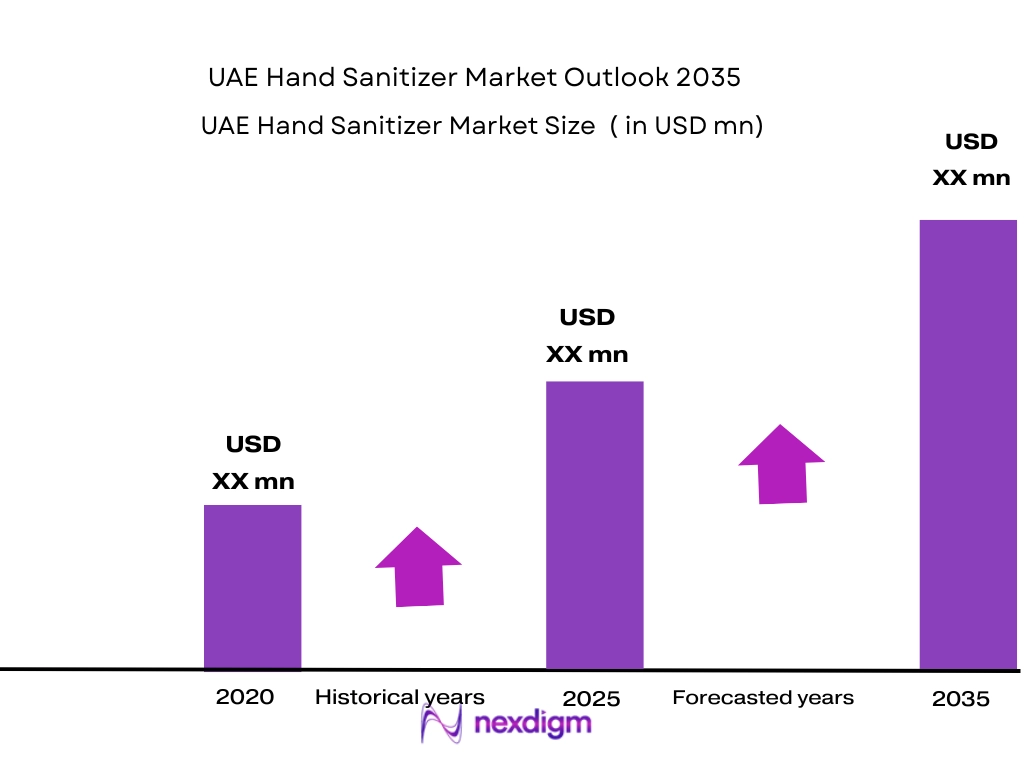
The UAE hand sanitizer market is experiencing significant growth, primarily driven by an increase in hygiene awareness and the rising demand for hand hygiene products in various sectors such as healthcare, food processing, and retail. In recent assessments, the market size for hand sanitizers in the UAE has reached approximately USD ~ million, a value that is expected to grow as both local and international brands continue to expand their product lines and distribution channels. Key drivers of this growth include the ongoing focus on health and hygiene amidst the pandemic and increased government regulations promoting sanitization in public spaces and businesses.
The dominant regions for hand sanitizer consumption in the UAE include Dubai, Abu Dhabi, and Sharjah, with Dubai leading due to its robust tourism, retail, and healthcare infrastructure. These cities have witnessed a high concentration of both international and local brands, making them major hubs for the production and distribution of sanitizing products. Additionally, the UAE government’s proactive initiatives to improve hygiene standards in public and private sectors have accelerated demand, making these regions the key contributors to the market’s rapid growth.
Market Segmentation
By Product Type
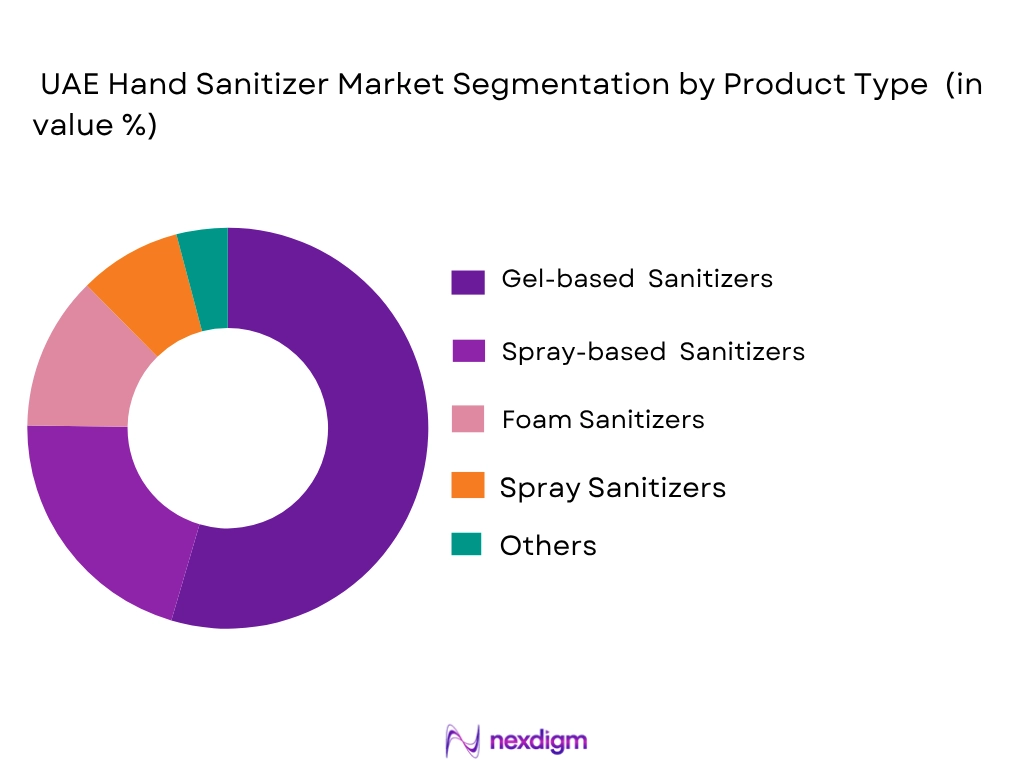
The UAE hand sanitizer market is segmented by product type into gel-based sanitizers, liquid sanitizers, foam sanitizers, and spray sanitizers. Recently, gel-based sanitizers have dominated the market share due to their ease of use, portability, and widespread availability in both consumer and commercial spaces. Their effectiveness in killing germs and viruses, combined with a variety of packaging options, has contributed significantly to their popularity among individual users and businesses. Gel sanitizers are often preferred for their convenience and quick-drying formula, which has made them the go-to option in both public and private spaces, driving their significant market share.
By Application
The market is segmented by application into healthcare, household, commercial, industrial, and personal care. The healthcare sector has the largest market share, driven by the increased use of hand sanitizers in hospitals, clinics, and medical centers to prevent the spread of infectious diseases. This growth is propelled by the global pandemic, during which healthcare facilities were required to implement strict hygiene protocols. The consistent demand for sanitization in healthcare settings, coupled with increasing awareness regarding the transmission of viruses and bacteria, ensures that the healthcare sector remains the leading application for hand sanitizers in the UAE.
Competitive Landscape
The UAE hand sanitizer market is highly competitive, characterized by a mix of multinational companies and local manufacturers. Major players are increasingly consolidating their positions by enhancing product offerings and expanding distribution networks, ensuring broad market reach. International brands benefit from established reputations, while local players focus on customization and catering to the specific needs of the regional market. The influence of these companies is significant, as they dominate both retail and online sales channels, setting high standards for product quality and innovation.
| Company Name | Establishment Year | Headquarters | Technology Focus | Market Reach | Key Products | Revenue | Distribution Network |
| Procter & Gamble | 1837 | USA | ~ | ~ | ~ | ~ | ~ |
| Unilever | 1930 | UK | ~ | ~ | ~ | ~ | ~ |
| Gojo Industries | 1946 | USA | ~ | ~ | ~ | ~ | ~ |
| Reckitt Benckiser | 1814 | UK | ~ | ~ | ~ | ~ | ~ |
| Henkel AG | 1876 | Germany | ~ | ~ | ~ | ~ | ~ |
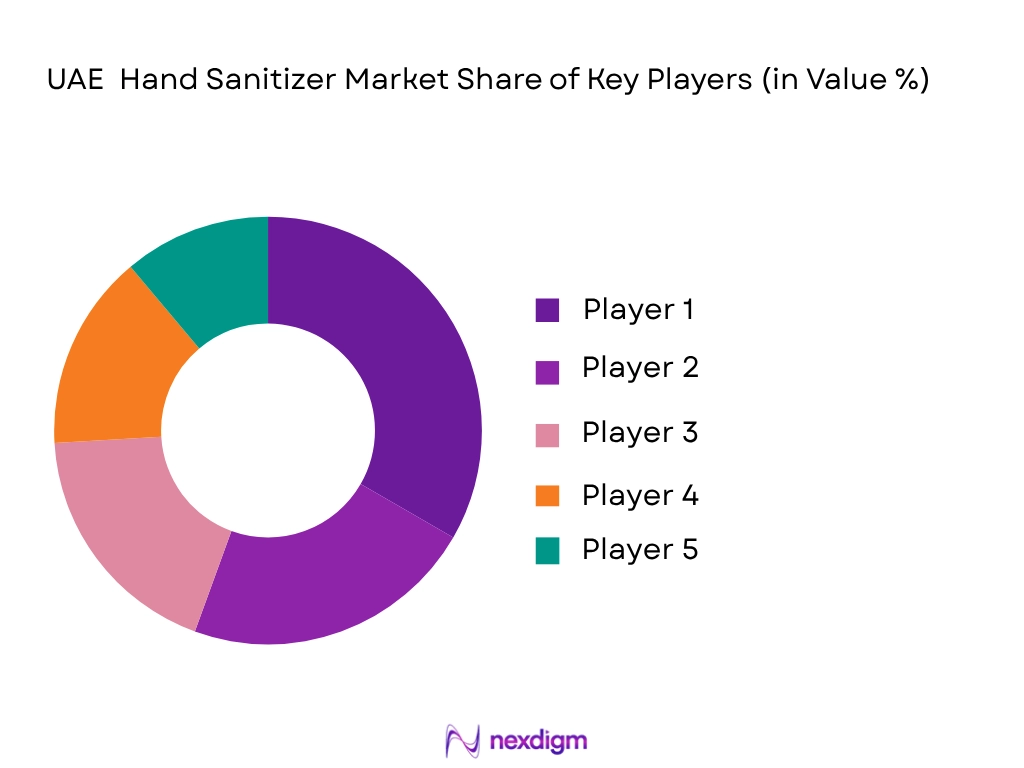
UAE Hand Sanitizer Market Analysis
Growth Drivers
Increasing Hygiene Awareness
The primary growth driver in the UAE hand sanitizer market is the surge in hygiene awareness among the population. With the global health crisis caused by the COVID-19 pandemic, individuals and businesses alike have prioritized hygiene practices to prevent the spread of germs and viruses. In both public and private sectors, the use of hand sanitizers has become a routine practice, creating a strong demand for high-quality products. This increased awareness has not only led to heightened consumption but also elevated consumer expectations for sanitizer efficacy and safety. Additionally, the UAE government’s support in promoting health initiatives through public health campaigns and regulatory requirements for sanitization has further fueled this demand. This focus on hygiene is expected to remain a key driver in the market, with businesses continuing to integrate sanitization practices into their daily operations.
Government Regulations and Public Health Initiatives
Another significant driver for the UAE hand sanitizer market is the regulatory landscape supporting hygiene practices in the country. The UAE government has put various measures in place to ensure public health and safety, including mandates for businesses and public spaces to provide hand sanitizing stations. These regulations have contributed to widespread adoption of hand sanitizers, particularly in high-traffic areas such as malls, airports, and hospitals. Furthermore, the ongoing emphasis on cleanliness in the hospitality and retail sectors has increased demand. With these regulations continuing to be enforced and expanded, there is expected to be sustained growth in the market as both businesses and consumers comply with hygiene standards set by the authorities.
Market Challenges
Raw Material Shortages
One of the primary challenges facing the UAE hand sanitizer market is the shortage of key raw materials used in production, especially alcohol-based ingredients. The global surge in demand for hand sanitizers during health crises like the COVID-19 pandemic led to supply chain disruptions, affecting the availability of essential ingredients such as ethanol and isopropyl alcohol. Manufacturers have faced difficulties in sourcing these materials at a consistent rate, leading to price fluctuations and reduced production capacity. These shortages have impacted both local and international manufacturers, causing delays and sometimes limiting the availability of sanitizers in the market. While production is gradually recovering, there remains a dependency on global supply chains that leaves the market vulnerable to external disruptions.
Price Sensitivity in a Competitive Market
Another challenge in the UAE hand sanitizer market is the high level of price sensitivity among consumers, compounded by the competitive nature of the market. The presence of both well-established international brands and local manufacturers has created a price war, where companies are under pressure to offer competitive prices while maintaining product quality. Consumers in the UAE, especially in retail and household segments, often opt for the most affordable options, which can be detrimental to brand loyalty and long-term revenue for producers. This price sensitivity is further exacerbated by the economic challenges faced by consumers in recent years, leading to a reluctance to spend on premium-priced sanitizing products. Manufacturers, therefore, face the challenge of balancing quality, pricing, and market competition in order to maintain their position in the market.
Opportunities
Growing E-commerce Platforms
A significant opportunity in the UAE hand sanitizer market lies in the growing e-commerce sector, which has been accelerated by the increasing preference for online shopping among consumers. The convenience of purchasing products from the comfort of one’s home, coupled with the rise of online health and wellness retailers, has expanded the market reach for hand sanitizers. E-commerce platforms provide an excellent opportunity for manufacturers to target niche markets and reach a wider audience through digital channels. With the continued shift toward online shopping and the increasing number of platforms offering home delivery services, the hand sanitizer market in the UAE stands to benefit from this growth in e-commerce, providing an avenue for enhanced sales and brand visibility.
Shift Toward Natural and Eco-Friendly Products
The growing consumer preference for natural, alcohol-free, and eco-friendly products presents a promising opportunity for the UAE hand sanitizer market. As consumers become more conscious of the environmental and health impacts of the products they use, the demand for natural and organic sanitizers is rising. Manufacturers are responding to this trend by offering formulations made from plant-based ingredients or incorporating eco-friendly packaging. This shift toward more sustainable and health-conscious products aligns with global trends in consumer preferences, positioning brands that cater to these needs as leaders in the market. Additionally, the increasing demand for eco-friendly sanitizers presents an opportunity for innovation in product development, offering companies a chance to differentiate themselves through sustainability-focused initiatives.
Future Outlook
The future outlook for the UAE hand sanitizer market looks promising, with steady growth expected over the next five years. Technological advancements in product formulations, such as the development of alcohol-free and organic sanitizers, are likely to fuel this growth, catering to the evolving preferences of health-conscious consumers. In addition, government initiatives and regulations aimed at improving public health standards will continue to support the market’s expansion. Demand will remain strong, particularly in healthcare, retail, and commercial sectors, driven by sustained hygiene awareness and regulatory pressures. Technological advancements, coupled with the growing e-commerce sector, will further enhance accessibility and reach.
Major Players
- Procter & Gamble
- Unilever
- Gojo Industries
- Reckitt Benckiser
- Henkel AG
- Kimberly-Clark Corporation
- Vi-Jon, Inc.
- Best Sanitizers, Inc.
- SC Johnson Professional
- Dabur International
- Amity Care
- Stinger Body Care
- Herbal Hills
- ACI Limited
- The Himalaya Drug Company
Key Target Audience
- Investments and venture capitalist firms
- Government and regulatory bodies
- Healthcare providers and medical institutions
- Retailers and e-commerce platforms
- Distributors and wholesalers
- Manufacturers and producers of hygiene products
- Corporate offices and businesses requiring sanitization
- Public health and safety organizations
Research Methodology
Step 1: Identification of Key Variables
The initial step involves identifying the key variables that influence the hand sanitizer market, such as consumer preferences, regulatory frameworks, and industry trends.
Step 2: Market Analysis and Construction
This step includes analyzing the market size, growth patterns, and segmentation to construct an accurate model of the market’s current status and forecasted trends.
Step 3: Hypothesis Validation and Expert Consultation
Validation of the initial hypotheses is done through consultations with industry experts, market leaders, and stakeholders to ensure the reliability and accuracy of the findings.
Step 4: Research Synthesis and Final Output
The final output involves synthesizing all collected data into a comprehensive market report, which provides actionable insights and strategic recommendations for businesses and investors.

- Executive Summary
- Research Methodology (Market Definitions and Assumptions, Abbreviations, Market Sizing Approach, Consolidated Research Approach, Understanding Market Potential Through In-Depth Industry Interviews, Primary Research Approach, Limitations and Future Conclusions)

- Definition and Scope
- Market Dynamics Overview
- Market Genesis
- Major Players and Market Timeline
- Business Cycle and Trends
- Supply Chain and Value Chain Analysis

- Growth Drivers
Increase in Health and Hygiene Awareness
Rising Adoption in Healthcare and Commercial Sectors
Government Regulations Promoting Hygiene Practices
Increasing Demand due to COVID-19 Pandemic
Expanding Retail and E-commerce Distribution Channels - Market Challenges
Supply Chain Disruptions and Raw Material Shortages
Price Sensitivity and Competitive Landscape
Consumer Preference for Established Brands
Fluctuating Demand Patterns
Regulatory Compliance and Quality Standards - Opportunities
Growing Demand for Natural and Alcohol-Free Sanitizers
Rising Popularity of Customizable Hand Sanitizer Products
Expanding Distribution Networks in Rural Areas
Increasing Demand for Hand Hygiene Products in Schools and Offices - Key Trends
Shift Toward Alcohol-Free and Eco-Friendly Sanitizers
Rising Popularity of Travel-Sized Sanitizer Bottles
Customization and Personalized Branding for Hand Sanitizers
Increased Focus on Healthcare and Hygiene Solutions
Growth in Corporate Social Responsibility (CSR) Initiatives - Government Regulations
- SWOT Analysis
- Porter’s Five Forces

- By Value, 2020–2025
- By Volume, 2020–2025
- By Average Price, 2020–2025

- By Product Type (In Value %)
Gel-based Sanitizers
Liquid Sanitizers
Foam Sanitizers
Spray Sanitizers - By Application (In Value %)
Healthcare
Household
Commercial
Industrial
Personal Care - By Distribution Channel (In Value %)
Direct Sales
Distributors and Wholesalers
Retail Pharmacies
Online Channels
Supermarkets and Hypermarkets - By Region (In Value %)
Dubai
Abu Dhabi
Sharjah
Ajman
Rest of UAE

- Market Share of Major Players by Value/Volume
- Market Share of Major Players by Product Type
- Cross Comparison Parameters (Company Overview, Business Strategies, Recent Developments, Strength, Weakness, Organizational Structure, Revenues, Revenues by Product Type, Number of Touchpoints, Distribution Channels, Number of Dealers and Distributors, Margins, Production Plant, Capacity, Unique Value Offering and Others)
- SWOT Analysis of Major Players
- Pricing Analysis Based on Product Categories for Major Players
- Detailed Profiles of Major Companies
Procter & Gamble
Unilever
Gojo Industries
L Brands
Henkel AG
Reckitt Benckiser
Kimberly-Clark Corporation
Vi-Jon, Inc.
Best Sanitizers, Inc.
Kao Corporation
SC Johnson Professional
Dabur International
Amity Care
Stingray Body Care
Herbal Hills

- Market Demand and Utilization
- Purchasing Power and Budget Allocations
- Regulatory and Compliance Requirements
- Needs, Desires, and Pain Point Analysis
- Decision-Making Process

- By Value, 2026–2035
- By Volume, 2026–2035
- By Average Price, 2026–2035


 Request a Sample
 Ask for Customization
 Get a Quote
 Enquire Now