
 Download PDF
 Download PDF
Market Overview
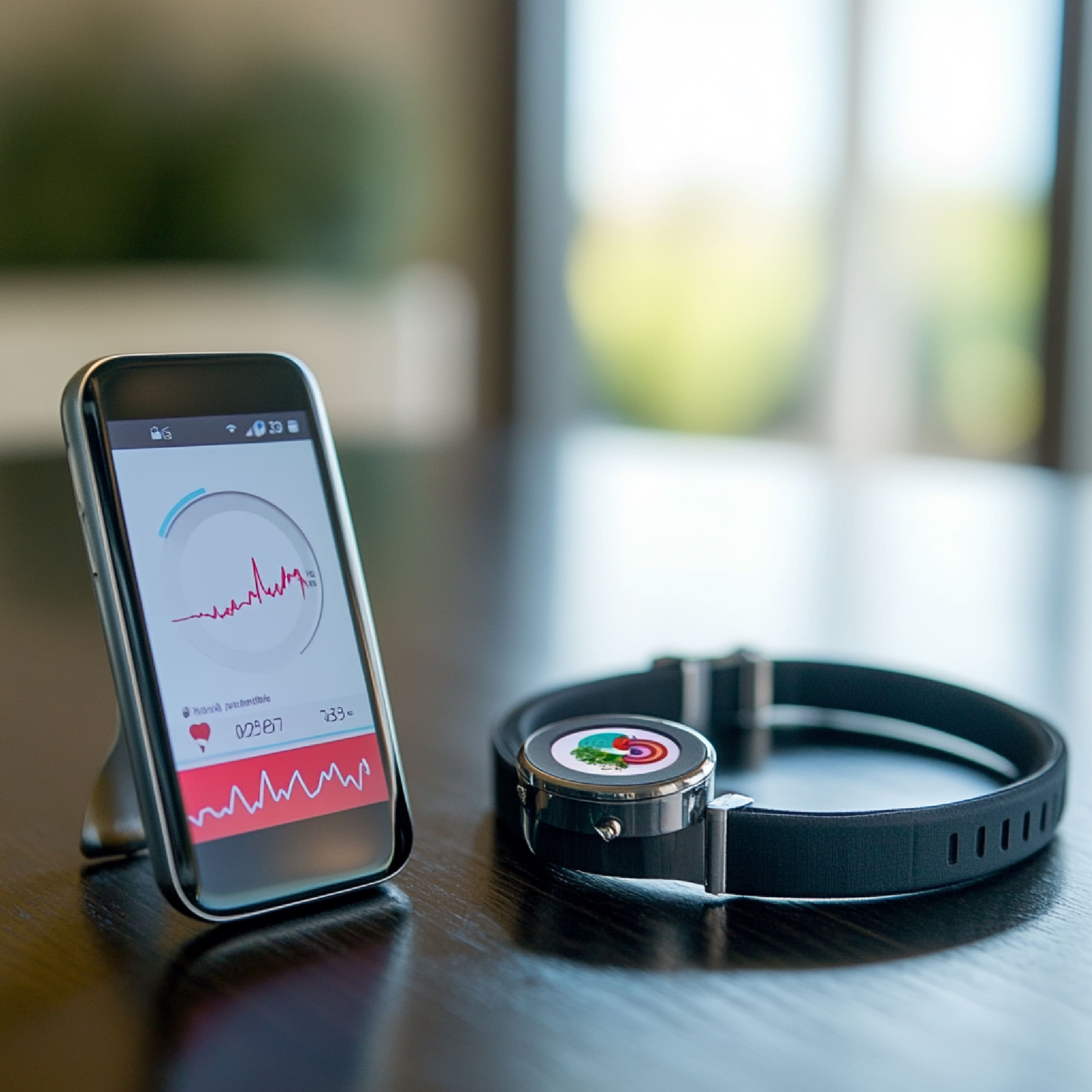
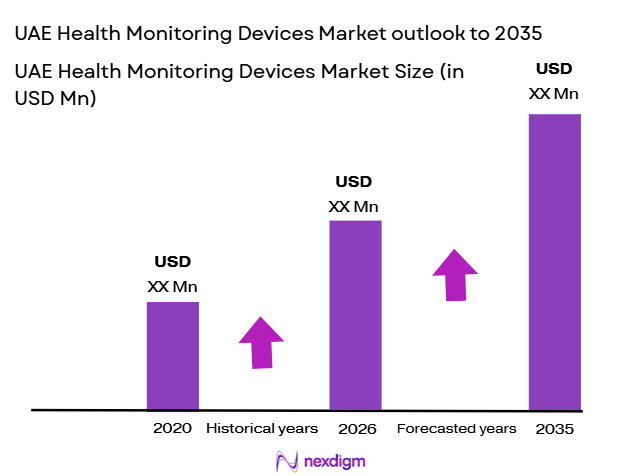
The UAE health monitoring devices market is valued at USD ~ billion. This growth is driven by technological advancements, increasing health awareness, and the rise in chronic diseases. As health-conscious consumers demand better control over their well-being, wearable devices, and remote patient monitoring systems have become essential tools. The government’s digital health initiatives and telemedicine adoption further fuel this market, with the MoHAP leading the charge to enhance telehealth infrastructure and patient care. With continuous advancements in AI and healthcare data integration, the demand for health monitoring devices is expected to grow significantly in the coming years.
Dubai and Abu Dhabi are the dominant cities in the UAE health monitoring devices market due to their advanced healthcare infrastructure, high-income demographics, and government-led digital health initiatives. Dubai, in particular, has become a hub for technological innovation, attracting healthcare startups and tech giants. The ongoing push for healthcare modernization in these cities, alongside an increasing urban population with high awareness of health tracking, positions them as key growth drivers for the market. Their access to advanced telemedicine services and smart city initiatives further bolsters the demand for health monitoring solutions.
Market Segmentation
By Product Type
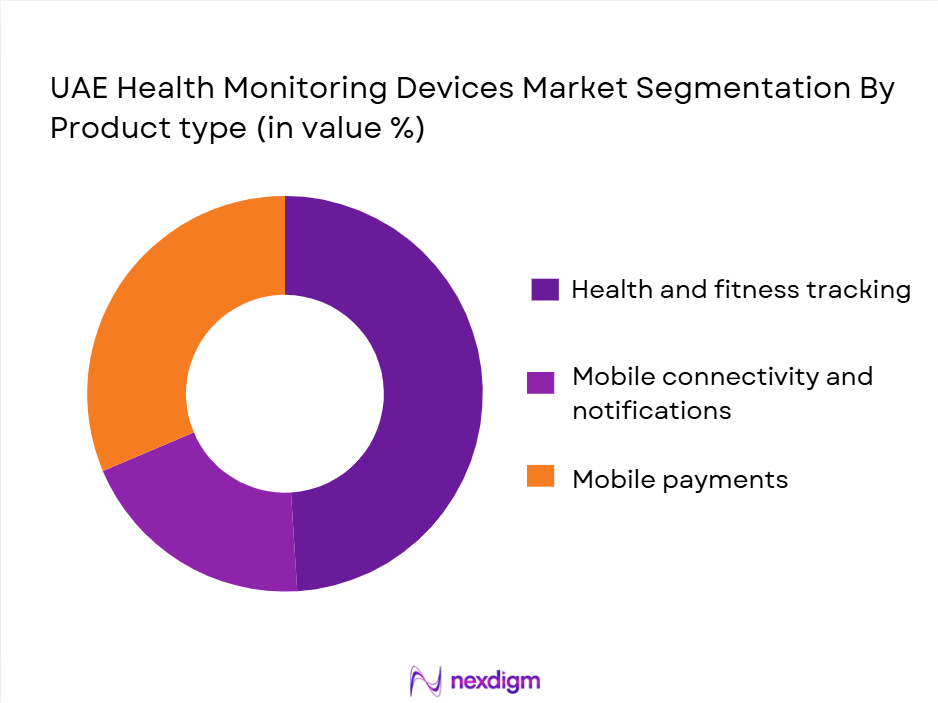
The UAE health monitoring devices market is segmented by product type, which includes wearables, remote patient monitoring systems, clinical monitoring devices, biosensors, and specialty monitors. Among these, wearables dominate the market due to their growing popularity in health-conscious consumers. Wearables such as smartwatches and fitness trackers have seen mass adoption due to their convenience, functionality, and integration with mobile apps. Brands like Apple, Fitbit, and Garmin lead this sub-segment, offering comprehensive health tracking features like heart rate monitoring, ECG, and blood oxygen saturation (SpO2) levels, making them ideal for everyday use.
By Application Area
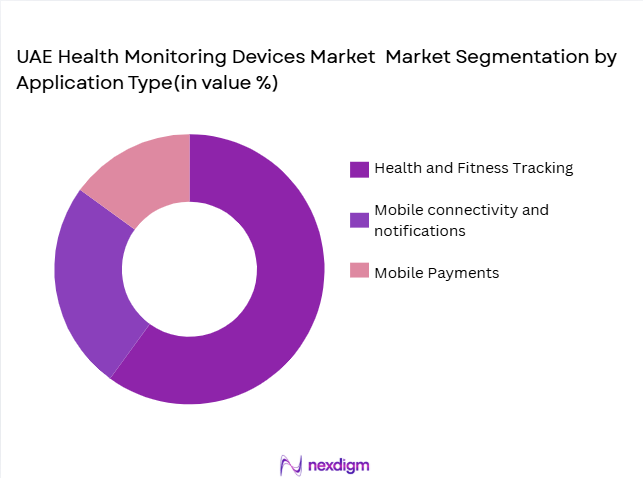
The UAE health monitoring devices market is also segmented by application area, including cardiovascular monitoring, metabolic and diabetes management, respiratory monitoring, sleep tracking, and chronic disease management. Cardiovascular monitoring leads this segment, owing to the high incidence of heart disease in the region. Devices like ECG monitors, heart rate trackers, and blood pressure monitors are crucial for both preventive healthcare and ongoing disease management. With a growing number of individuals managing cardiovascular conditions, this segment remains a key focus for manufacturers and healthcare providers.
Competitive Landscape
The UAE health monitoring devices market is dominated by a few key players, including global tech giants and specialized health device manufacturers. These companies lead the market through product innovation, strategic partnerships, and robust distribution networks. Notable players include Apple, Fitbit, Philips, and Medtronic, which leverage their technological expertise and established brand presence. These companies continue to push the boundaries of health monitoring devices, focusing on integration with telemedicine platforms and providing users with continuous health insights.
| Company | Establishment Year | Headquarters | Product Range | R&D Investment | Distribution Channels | Partnerships | Regulatory Compliance |
| Apple Inc. | 1976 | USA | ~ | ~ | ~ | ~ | ! |
| Fitbit (Google) | 2007 | USA | ~ | ~ | ~ | ~ | ~ |
| Philips Healthcare | 1891 | Netherlands | ~ | ~ | ~ | ~ | ~ |
| Medtronic | 1949 | Ireland | ~ | ~ | ~ | ~ | ~ |
| Omron Healthcare | 1933 | Japan | ~ | ~ | ~ | ~ | ~ |
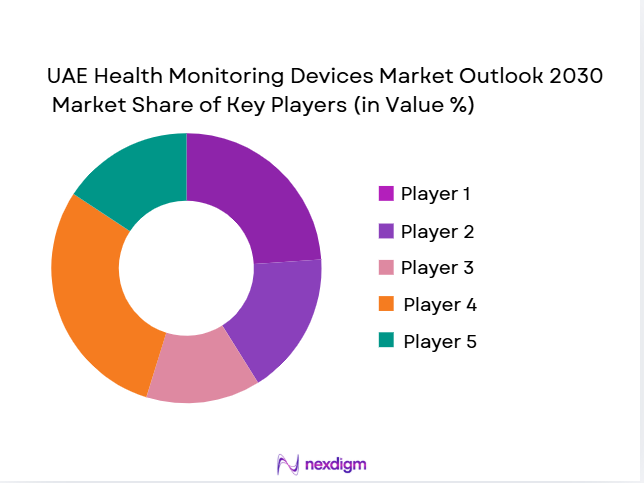
UAE Health Monitoring Devices Market Analysis
Growth Drivers
Urbanization
Indonesia’s rapid urbanization is a foundational driver for air quality monitoring demand. In 2024, approximately percent of Indonesia’s population lived in urban areas, translating to around million urban residents exposed to air quality risks — up from percent in 2023. Urban centres like Jakarta, with a metropolitan population exceeding million, concentrate emissions from transport, construction, power generation, and industrial activities, making real‑time air quality monitoring indispensable. High population density in these urban regions increases public health risk and compels government and private investment in monitoring infrastructure to manage pollution and health outcomes.
Industrialization
Industrial activity across Indonesia’s manufacturing and energy sectors significantly contributes to elevated ambient particulates, driving demand for monitoring systems. Indonesia’s GDP grew by around USD trillion in 2024, supported by manufacturing and energy production expansion, while GDP per capita was USD . Industrial centers near Java, Sumatra and Kalimantan release particulates and NO2_22 emissions, which are captured through particulate matter levels such as PM2.5. With average PM2.5 concentrations roughly 35.5 µg/m³ in 2024, about seven times higher than WHO guideline values, industries are under pressure to adopt monitoring systems that support compliance and environmental reporting.
Restraints
High Initial Costs
The upfront expenditure required to deploy sophisticated air quality monitoring systems constitutes a significant restraint. Continuous monitoring stations with multi‑pollutant sensors and data telemetry systems can cost hundreds of thousands of USD per station once installation and calibration are included. Many Indonesian municipalities operate within constrained environmental budgets, limiting extensive sensor networks. This financial pressure is compounded by the need to procure certified instruments and integrate them into central data platforms, which requires longer life‑cycle investments beyond initial procurement. Without substantial budget allocations, municipalities may prioritize basic conformity reporting over comprehensive real‑time monitoring.
Technical Challenges
Technical capacity constraints slow the adoption of advanced air quality systems in Indonesia. Many monitoring units require skilled technicians for calibration, maintenance, and data validation, but access to trained personnel is limited outside major urban centers. Satellite‑derived data indicate that cities like Jakarta display variable PM2.5 distributions, yet accurate ground‑level readings depend on properly maintained stations. Technical expertise is also required to integrate IoT‑enabled sensors with cloud analytics, interpret trends, and support policy decisions — a complex task without extensive training or technical infrastructure.
Opportunities
Technological Advancements
Emerging technologies in sensor miniaturization and IoT present opportunities for expanding Indonesia’s air quality monitoring capabilities. Low‑cost modular sensors can augment traditional fixed stations, enabling dense local networks in urban and peri‑urban areas. Integrating mobile monitoring units with IoT data streams improves spatial resolution, capturing pollution hotspots driven by traffic flows or forest fire smoke. Improved automation and cloud analytics reduce manual processing, enabling real‑time public dashboards. These advancements lower barriers to entry, allow flexible deployments, and support rapid scaling of national monitoring initiatives.
International Collaborations
International partnerships offer opportunities to strengthen Indonesia’s air quality infrastructure. Cooperative programs with global environmental agencies and development partners can introduce state‑of‑the‑art monitoring platforms, training, and climate‑relevant data tools. Indonesia participates in regional environmental networks focused on transboundary haze and pollution tracking, enabling data exchange and benchmarking. These collaborations facilitate access to international calibration standards, quality assurance protocols, and best practices, improving the accuracy and credibility of national air quality systems.
Future Outlook
Over the next few years, the UAE health monitoring devices market is expected to experience significant growth driven by advancements in technology, the increasing prevalence of chronic diseases, and expanding digital health initiatives. The integration of artificial intelligence (AI) and the rise of connected healthcare platforms will further boost the market, enabling real-time monitoring and predictive health management. With the UAE government’s push for digital health and telemedicine, the market is poised to see robust adoption, especially in the urban regions, supported by rising consumer health awareness and an aging population.
Major Players
- Apple Inc.
- Fitbit (Google)
- Philips Healthcare
- Medtronic
- Omron Healthcare
- Samsung Electronics
- Garmin Ltd.
- Honeywell Life Care Solutions
- iRhythm Technologies
- Abbott Laboratories
- ResMed
- Withings
- GE Healthcare
- Dexcom
- BioTelemetry / Philips
Key Target Audience
- Investors and Venture Capitalist Firms
- Government and Regulatory Bodies (MoHAP, Dubai Health Authority, Abu Dhabi Health Authority)
- Hospitals and Healthcare Providers
- Telemedicine and Telehealth Service Providers
- Insurance Companies and Health Insurers
- Medical Device Manufacturers
- Retailers and Distributors of Health Devices
- Healthcare Technology Firms and Startups
Research Methodology
Step 1: Identification of Key Variables
This phase involves identifying the critical variables impacting the UAE health monitoring devices market. Data from secondary research sources and industry reports are collected to define the essential elements driving market growth and consumer behavior. Variables such as market size, growth rates, and technological advancements are identified.
Step 2: Market Analysis and Construction
This phase involves compiling and analyzing market data, focusing on historical trends and future projections for the health monitoring devices market. Data sources include government reports, market intelligence firms, and primary data from industry interviews.
Step 3: Hypothesis Validation and Expert Consultation
Market hypotheses regarding trends, adoption rates, and technological innovation are tested with healthcare experts and device manufacturers. These consultations allow for validation of market assumptions and refinement of the data.
Step 4: Research Synthesis and Final Output
The final phase consolidates all gathered information, synthesizing insights from market data, expert opinions, and consultation. This is followed by a comprehensive analysis that outlines the key drivers, challenges, and forecasts for the UAE health monitoring devices market.

- Executive Summary
- Research Methodology(Market Assumptions, Market Definitions & Assumptions, Abbreviations, Forecasting Approach, Top‑Down & Bottom‑Up Market Sizing, Primary/Secondary Integration, Limitations, Quality Assurance)

- Definition of Health Monitoring Devices (Clinical & Consumer‑Grade)
- Scope of Devices Covered
- Wearables (Smartwatches, Fitness Bands, Smart Rings)
- Continuous & Intermittent Biosensors (CGM, ECG/Arrhythmia Patches)
- Remote Patient Monitoring (RPM) Systems
- Clinical Patient Monitoring Systems (Hospital/ICU)
- Vital Sign Monitors & Specialty Monitors

- Growth Drivers
Rising Adoption of Wearable Health Tracking Devices (consumer health behaviour.
Growth in Remote Patient Monitoring & Telehealth Infrastructure
connected health systems
Increasing Chronic Disease Burden and Aging Population
Government Digital Health Initiatives (MoHAP digital unification roadmap) - Challenges & Constraints
Device Regulatory Approvals and Compliance
Data Privacy and Interoperability Barriers
High Cost of Advanced Monitoring Systems
Healthcare Provider Adoption Resistance - Opportunities & Market Expansion
AI & Predictive Health Monitoring Solutions
Corporate Wellness & Insurance‑Linked Device Adoption
Integration with National Health Records
Healthcare Tourism and Remote Patient Care Expansion
- Trend Landscape
Consumerization of Health Devices
Wearables as Healthcare Data Sources
Platform‑Driven Chronic Disease Management
Multi‑Device Ecosystems & Interoperability Adoption
Government Regulations & Defense Policy
FDI Rules
Offset Obligations
Export Licenses
- SWOT Analysis (Capability Strengths, Cost Vulnerabilities, Competitive Pressures)
- Porter’s Five Forces (Procurement Power, Supplier Concentration, Substitutes, Barriers to Entry)
- Regulatory & Reimbursement Framework
UAE Medical Device Registration Protocols
Digital Health Compliance & Data Governance
Reimbursement Policies Impacting RPM Adoption
Standards for Connected Medical Devices

- By Value Market Size (2019-2025)
- By Unit Volume and Device Installations (2019-2025)
- By Average Selling Price (ASP) Trends (2019-2025)

- By Device Type (In value %)
Smart Wearables (Heart Rate, SpO2, Activity) (device form factor & sensor suite)
Clinical Monitoring Devices (hospital/clinical grade)
Remote Patient Monitoring Systems (connected device + platform)
Biosensor Modules (implantable/continuous)
Specialty Monitors (e.g., glucose, sleep, respiratory)
- By Technology Platform (In value %)
Connected Devices (Bluetooth / Cellular / Wi‑Fi Connectivity)
AI‑Integrated Monitoring (predictive analytics & alerts)
Cloud‑Enabled Telehealth Platforms
Standalone Devices (offline, personal use)
- By Application Area (In value %)
Cardiovascular Monitoring (ECG, BP, rhythm detection)
Metabolic & Diabetes Management (CGM)
Respiratory Monitoring (SpO2, pulmonary function)
Sleep & Wellness Tracking
Chronic Disease Management Platforms
- By End‑User Channel (In value %)
Hospitals & Clinics (clinical adoption metrics)
Home Healthcare (patient self‑monitoring adoption)
Telehealth/Remote Care Providers
Pharmacies & Retail Health Outlets
Corporate Health & Wellness Programs
- By Distribution Channel (In value %)
Direct Institutional Procurement (tenders/government)
Retail Consumer Electronics
E‑commerce & Online Marketplaces
Telecommunication Bundling Models
Healthcare Channel Partners
- By Geographical Footprint (UAE) (In value %)
Dubai Region
Abu Dhabi Region
Northern Emirates
Free Trade Zone Clusters
Remote / Outreach Healthcare Nodes

- Market Share by Value & Units (All Device Categories)
Competitive Intensity & Market Concentration
Innovation Velocity Index (new device introductions)
- Cross Comparison Parameters
(market‑specific operational, tech, distribution, performance metrics)
Competition Dimension Parameters (8 Market Specific)
- SWOT Analysis of Key Players
- Pricing Analysis of Major Players
- Key Players
Medtronic
Abbott Laboratories
Koninklijke Philips NV
GE Healthcare
Omron Healthcare
Honeywell Life Care Solutions
Fitbit (Google)
Apple Inc.
Samsung Electronics
Withings
Garmin Ltd.
iRhythm Technologies
Dexcom
BioTelemetry / Philips
ResMed

- Hospitals & Clinics (clinical adoption metrics)
- Home Healthcare (patient self‑monitoring adoption)
- Telehealth/Remote Care Providers
- Pharmacies & Retail Health Outlets
- Corporate Health & Wellness Programs

- By Value Market Size (2026-2030)
- By Unit Volume and Device Installations (2026-2030)
- By Average Selling Price (ASP) Trends (2026-2030)


 Request a Sample
 Ask for Customization
 Get a Quote
 Enquire Now