
 Download PDF
Market Overview
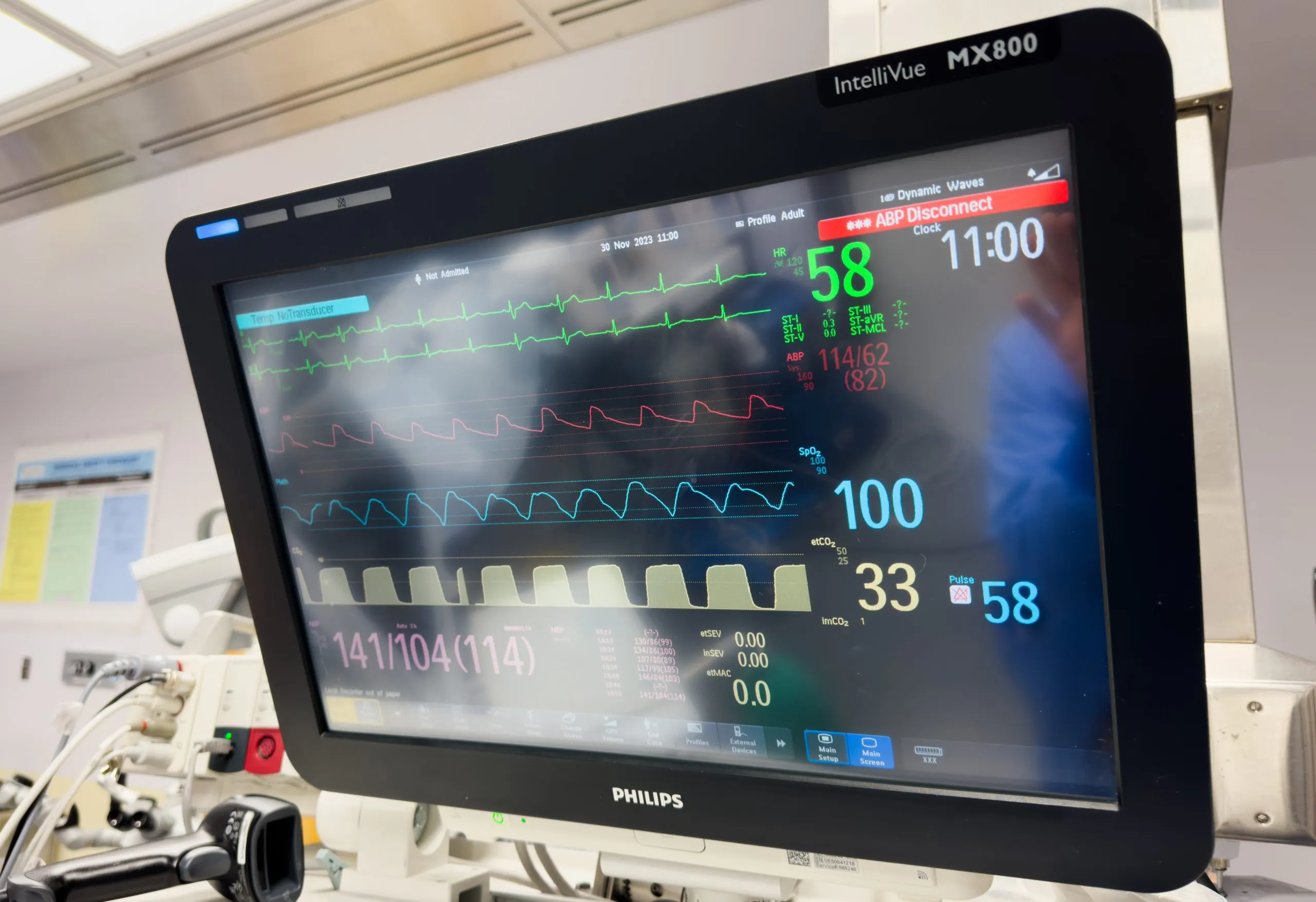
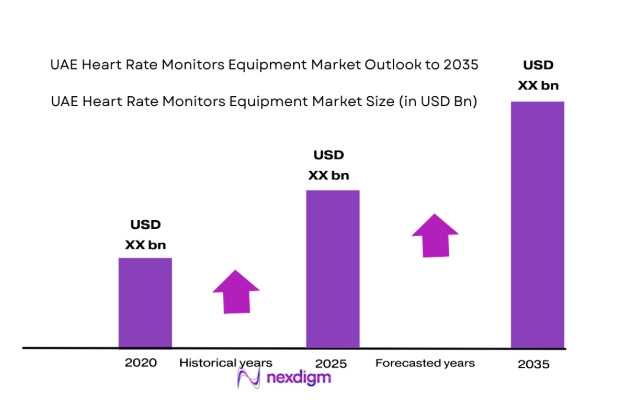
The UAE Heart Rate Monitors Equipment market is experiencing significant growth, driven by increasing health awareness among consumers, a rise in fitness-related activities, and the expansion of the healthcare sector. The market size is valued at USD ~ million, supported by the growing popularity of wearable devices, which enable continuous monitoring of heart health and fitness levels. Demand is further fueled by the country’s health-focused initiatives, such as government programs and the rising prevalence of chronic conditions. The integration of heart rate monitoring technology in everyday consumer wearables contributes substantially to this growth, as more individuals invest in health and wellness.
Dubai and Abu Dhabi are the dominant cities driving the UAE Heart Rate Monitors Equipment market. Dubai, known for its thriving fitness and wellness culture, is a key hub for technology adoption, including health tracking devices. The city has seen an increasing trend in wearable devices, especially in high-income demographics seeking innovative ways to monitor health. Abu Dhabi, with its strong healthcare infrastructure and a growing focus on preventive healthcare, also significantly contributes to the market’s expansion. Both cities benefit from a large number of health-conscious consumers and support from regional healthcare policies encouraging wellness initiatives.
Market Segmentation
By Equipment Type
The UAE Heart Rate Monitors Equipment market is segmented by equipment type into chest strap monitors, wrist-based monitors, smartwatch-based monitors, and fitness tracker-based monitors. Wrist-based monitors are currently dominating the market due to their convenience and multifunctionality, which appeal to a wide range of consumers, especially fitness enthusiasts. These monitors are integrated into wearable fitness devices such as smartwatches, allowing users to track heart rate along with other vital metrics like steps and calories burned. Popular brands like Fitbit and Garmin offer advanced features, making wrist-based monitors a preferred choice among consumers.

By Application Type
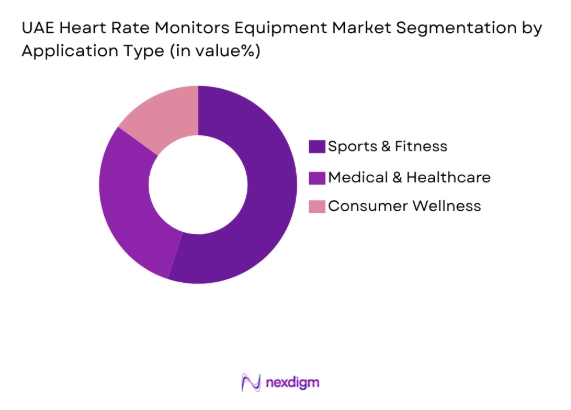
The market is segmented by application into sports & fitness, medical & healthcare, and consumer wellness. The sports & fitness segment holds the largest market share, as heart rate monitors are widely used by athletes and fitness enthusiasts to monitor performance and health during workouts. The increasing popularity of fitness tracking among the general population and the rise in fitness-focused services like personal training and gym memberships have further propelled this segment. The growing trend towards active lifestyles and the increasing awareness about cardiovascular health contribute significantly to this dominance.
Competitive Landscape
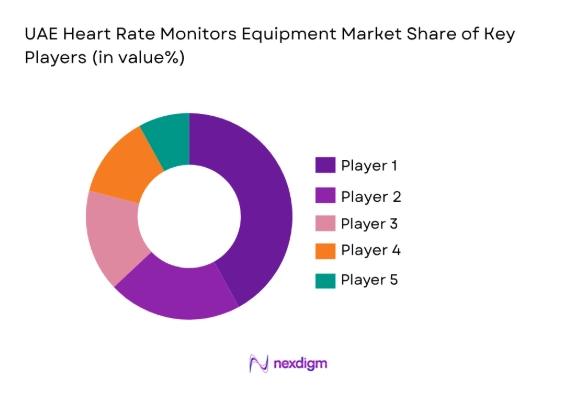
The UAE Heart Rate Monitors Equipment market is competitive, with several international and regional players dominating the market. Major companies include Fitbit, Garmin, Apple, and Samsung, all of which offer innovative wearable devices that include heart rate monitoring features. These companies leverage brand loyalty, advanced technology, and strong distribution networks to maintain market leadership. The presence of local players who offer cost-effective solutions is also noteworthy. The market is expected to see continuous product innovation, with a focus on features such as ECG monitoring, integration with health apps, and longer battery life.
| Company | Establishment Year | Headquarters | Product Range | Revenue (2024) | Market Reach | Technology Innovation |
| Fitbit (Google) | 2007 | USA | ~ | ~ | ~ | ~ |
| Garmin | 1989 | USA | ~ | ~ | ~ | ~ |
| Apple | 1976 | USA | ~ | ~ | ~ | ~ |
| Samsung | 1938 | South Korea | ~ | ~ | ~ | ~ |
| Polar | 1977 | Finland | ~ | ~ | ~ | ~ |
UAE Heart Rate Monitors Equipment Market Analysis
Growth Drivers
Urbanization
Urbanization plays a critical role in the adoption of heart rate monitoring equipment in the UAE. As per the World Bank, the urbanization rate in the UAE reached 90.9% in 2022, significantly higher than the global average of 56.2%. This increase in urban population has contributed to the rise in demand for health monitoring devices, as urban dwellers tend to have higher disposable incomes and more access to technology. Urban centers like Dubai and Abu Dhabi, with their high-tech infrastructure and health-conscious population, are at the forefront of this adoption. The urbanization trend is expected to further drive the demand for wearable health monitoring technologies.
Industrialization
Industrialization is also a significant factor behind the demand for heart rate monitors in the UAE. As industrial activities have grown, the population has become more inclined towards health awareness due to increasing workplace stress and sedentary lifestyles. According to the International Labour Organization (ILO), UAE’s industrial output saw a 5.3% growth in 2023. As industries expand, employee wellness becomes a priority, leading companies to invest in health monitoring equipment for their workforce. This focus on health and fitness in the industrial sector is driving the growth of wearable health devices.
Restraints
High Initial Costs
The high initial cost of advanced heart rate monitoring equipment presents a barrier to entry for many consumers, especially in the UAE’s middle-income population. According to a report from the International Monetary Fund (IMF), the average household expenditure on health in the UAE increased by 6% in 2023, with a portion of these expenditures directed towards health-tech products. However, the high upfront cost remains a deterrent for widespread adoption. Consumers are often hesitant to invest in high-end wearable devices due to their premium pricing, which can hinder overall market penetration.
Technical Challenges
Technical challenges, such as device calibration and data accuracy, also act as restraints in the UAE Heart Rate Monitors Equipment market. Despite advancements in technology, ensuring accurate heart rate readings in a variety of settings (e.g., while exercising, during sleep) remains a technical challenge for manufacturers. According to the UAE’s Telecommunications and Digital Government Regulatory Authority (TDRA), 2023 saw some regulatory scrutiny over the accuracy of wearable devices, particularly in healthcare applications. These technical concerns may lead to reduced consumer confidence and hinder the adoption of heart rate monitors in the market.
Opportunities
Technological Advancements
Technological advancements in wearable health technology present significant opportunities for growth in the UAE heart rate monitor market. The continued evolution of artificial intelligence (AI) and the integration of real-time health analytics into wearables are transforming the health monitoring landscape. As of 2023, 25% of health tech startups in the UAE are focused on wearable devices incorporating advanced AI features to track heart rate and other vital health parameters. This innovation is driving the growth of the market, as consumers increasingly seek smart health devices that offer more than just basic heart rate monitoring.
International Collaborations
International collaborations between tech companies and healthcare providers are creating new market opportunities in the UAE. In 2023, global companies such as Apple and Garmin collaborated with UAE-based healthcare providers to introduce integrated wearable health monitoring solutions that combine heart rate monitoring with telemedicine services. This partnership is helping to expand the market for heart rate monitors by offering added value to consumers through remote healthcare support. Such collaborations are expected to continue and drive innovation in the market, especially in providing accessible healthcare services across the UAE.
Future Outlook
Over the next five years, the UAE Heart Rate Monitors Equipment market is expected to see substantial growth driven by ongoing technological advancements and increased consumer demand for health monitoring devices. The growing popularity of integrated health ecosystems, such as apps and wearables, is pushing the market forward. Furthermore, government initiatives promoting health awareness and the increasing adoption of wearable technology for preventive healthcare will continue to contribute to the market’s growth. Additionally, the introduction of advanced features like ECG monitoring and continuous heart rate tracking will make heart rate monitors more appealing to consumers in both the fitness and healthcare sectors.
Major Players
- Fitbit (Google)
- Garmin
- Apple
- Samsung
- Polar
- Xiaomi
- Huawei
- Withings
- Omron Healthcare
- Suunto
- Biostrap
- Firstbeat Technologies
- Mio Global
- Scosche Industries
- Wahoo Fitness
Key Target Audience
- Investments and Venture Capitalist Firms
- Government and Regulatory Bodies (e.g., UAE Ministry of Health and Prevention)
- Healthcare Providers
- Fitness Center and Gym Owners
- Wearable Technology Manufacturers
- Sports Associations and Organizations
- Corporate Wellness Program Managers
- E-commerce Retailers and Distributors
Research Methodology
Step 1: Identification of Key Variables
The initial phase involves identifying and mapping key stakeholders in the UAE Heart Rate Monitors Equipment Market. This includes manufacturers, distributors, healthcare providers, and end-users such as fitness enthusiasts and medical practitioners. Secondary research, involving credible industry reports and databases, will be used to gather information on these key variables, laying the foundation for deeper analysis.
Step 2: Market Analysis and Construction
In this phase, historical data related to market growth, trends, and major players will be collected. This includes analysis of consumer preferences, pricing models, and the growth of fitness and healthcare-related services. Both primary and secondary research will be used to verify this data and provide an accurate market forecast.
Step 3: Hypothesis Validation and Expert Consultation
Market hypotheses and trends will be validated through consultations with industry experts. This includes interviews with key stakeholders in the fitness, healthcare, and technology sectors. These insights will be valuable for refining market predictions and ensuring the accuracy of the analysis.
Step 4: Research Synthesis and Final Output
The final phase will synthesize the data collected from various sources. This will involve analyzing current market dynamics, competitor strategies, and technological advancements. The final report will include a comprehensive market analysis, future projections, and detailed competitor profiles.

- Executive Summary
- Research Methodology (Market Definitions and Assumptions, Abbreviations, Market Sizing Approach, Consolidated Research Approach, Understanding Market Potential Through In-Depth Industry Interviews, Primary Research Approach, Limitations and Future Conclusions)

- Definition and Scope
- Overview Genesis
- Timeline of Major Players
- Business Cycle
- Supply Chain and Value Chain Analysis

- Growth Drivers
Rising Health Consciousness
Increasing Adoption of Wearables in Sports & Fitness
Government Initiatives for Health Monitoring - Market Challenges
High Initial Cost of Devices
Lack of Awareness in Rural Areas - Opportunities
Technological Advancements in Smart Wearables
Rising Popularity of Personalized Health Monitoring - Trends
Integration with Mobile Health Applications
Shift Towards Wireless & Cloud Connectivity - Government Regulation
Health & Safety Standards for Monitoring Devices
Import Regulations for Medical Equipment
SWOT Analysis
Stake Ecosystem
Porter’s Five Forces
Competition Ecosystem

- By Value, 2020-2025
- By Volume, 2020-2025
- By Average Price, 2020-2025

- By Type of Equipment (In Value %)
Chest Strap Monitors
Wrist-based Monitors
Smartwatch-based Monitors - By Application (In Value %)
Sports & Fitness
Medical & Healthcare
Consumer Wellness - By End-User (In Value %)
Hospitals & Healthcare Centers
Fitness Centers & Gyms
Home Healthcare Users
Corporate Wellness Programs - By Distribution Channel (In Value %)
Online Retail
Retail Stores
Distributors & Direct Sales
Medical Equipment Suppliers - By Region (In Value %)
Abu Dhabi
Dubai
Sharjah
Northern Emirates
Southern Emirates

- Market Share of Major Players by Type of Equipment
- Cross Comparison Parameters (Company Overview, Business Strategies, Recent Developments, Strength, Weakness, Organizational Structure, Revenues, Revenues by Type of Equipment, Number of Touchpoints, Distribution Channels, Number of Dealers and Distributors, Margins, Production Plant, Capacity, Unique Value Offering and Others)
- SWOT Analysis of Major Players
Pricing Analysis Based on SKUs for Major Players
Detailed Profiles of Major Companies
Fitbit
Garmin
Polar
Apple
Samsung
Xiaomi
Huawei
Withings
Omron Healthcare
Suunto
Biostrap
Firstbeat Technologies
Mio Global
Scosche Industries
Wahoo Fitness

- Market Demand and Utilization
- Purchasing Power and Budget Allocation
- Regulatory and Compliance Requirements
- Needs, Desires, and Pain Point Analysis
- Decision-Making Process

- By Value, 2025-2030
- By Volume, 2025-2030
- By Average Price, 2025-2030


 Request a Sample
 Ask for Customization
 Get a Quote
 Enquire Now